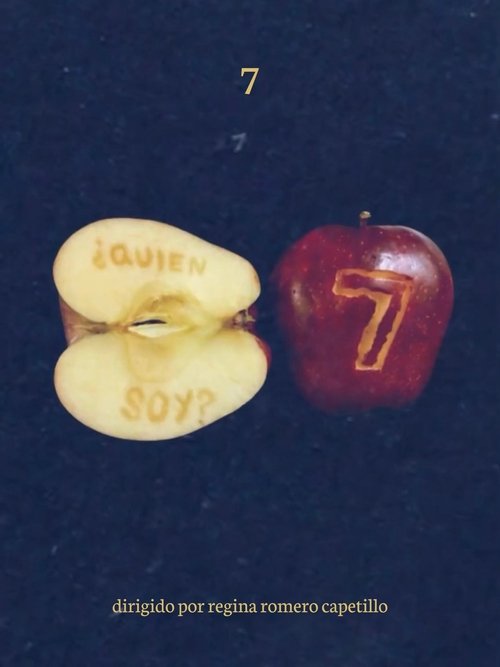
Travel diary about a vacation, without going anywhere. This travel diary is a reflection on past vacations and what one observes in their daily life when one goes out, even if it's to the same place as always: home.
Regina Romero Capetillo
as Self
Alejandro Romero Aguirre
as Father
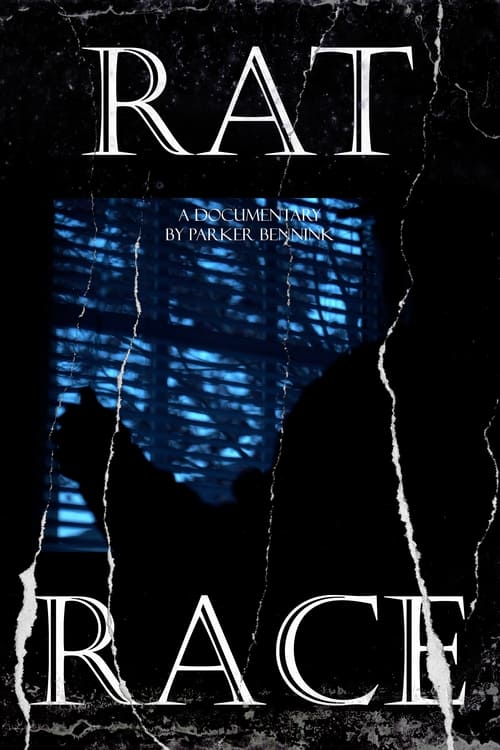
Join College Student Parker Bennink and he interviews four of Rowan University's most prolific filmmakers, to uncover what life as a student filmmaker is really like in today's day and age.
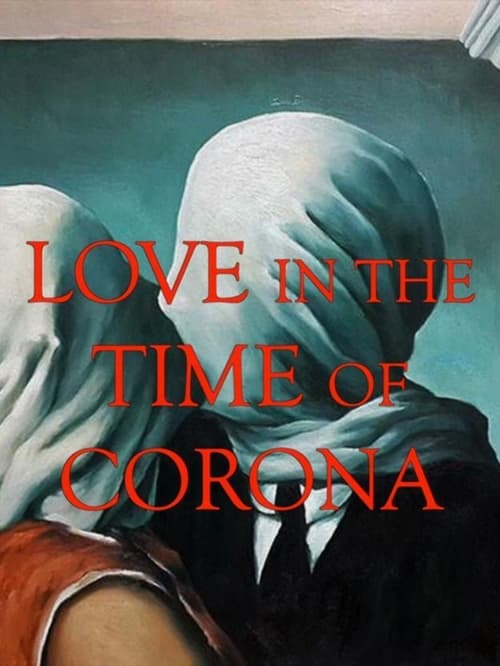
A video essay by Mark Rappaport, which spans René Magritte and Michelangelo to Bonnie & Clyde. Let’s mask up to rob a bank! But make sure that you are home before the curfew.
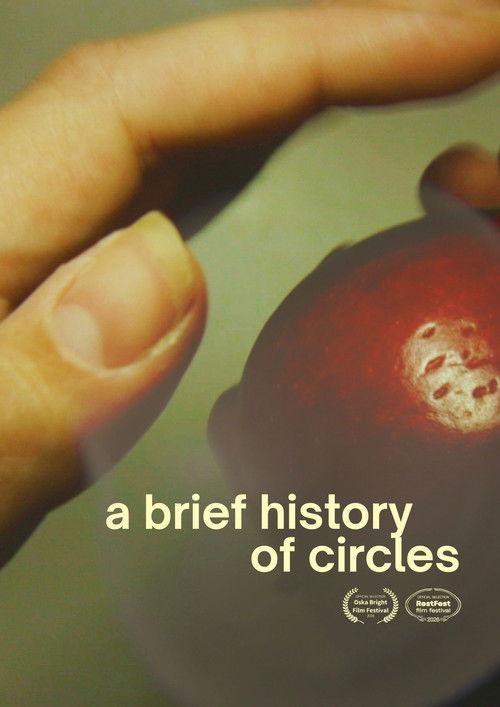
An experimental video essay which uses circles and waves to explore neurodivergent experience.
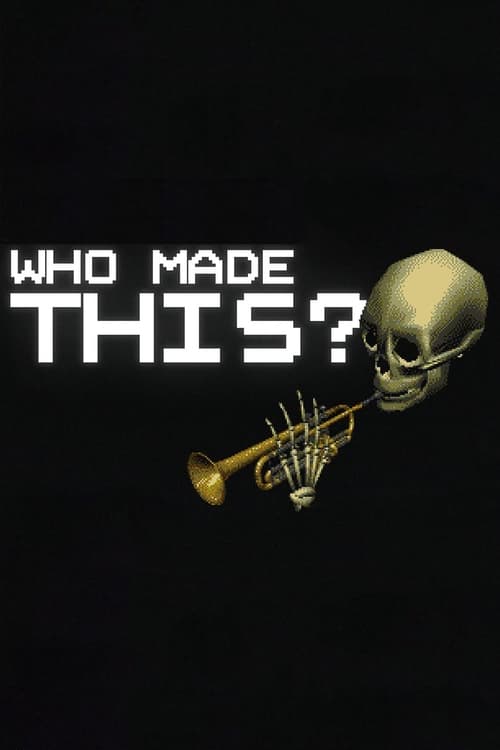
YouTuber Jeffiot goes digging for the origins of skull trumpet / doot doot / mr skeltal, and ends up taking a trip to the early web heyday of animated gif art, and ruminating on creativity and legacy.
Dive into "Brat and the Culture of Addiction," a thought-provoking video essay by Alexander Avila that unpacks how society glamorizes excess while stigmatizing addiction. Through sharp analysis of media, history, and cultural norms, Avila explores the cycles of dependency fostered by consumer capitalism and challenges the oversimplified narratives of recovery. Perfect for anyone looking to understand addiction as a broader sociocultural issue, this essay offers fresh insights and calls for systemic change. Watch now to reframe your perspective and spark meaningful discussions.
A self-portrait in the form of a video essay that explores her identity, her relationship with the places she has lived, and her present.
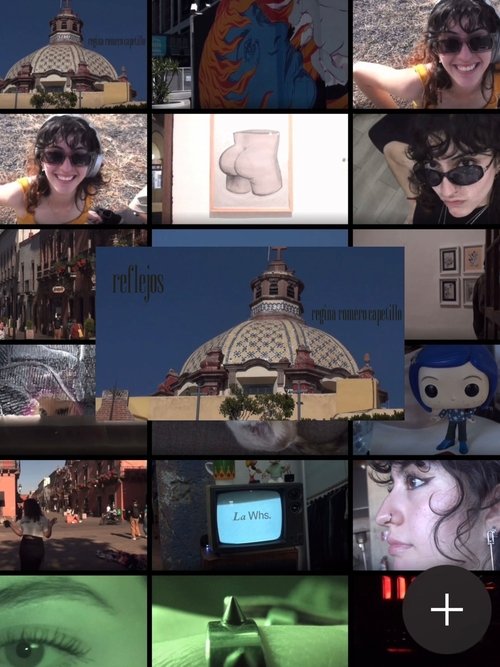
Video essay about reflections in identities, spaces, using comparisons with the people in her life. How do we express ourselves? What influences us? Are we reflections of what we experience? Of what we see? Of who we know?
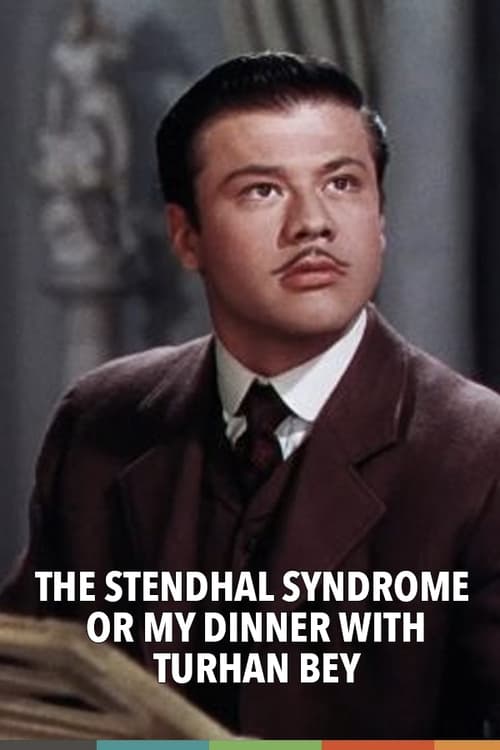
Joan Crawford's close-up in Humoresque. Michelangelo's David and Boticelli's "Birth of Venus". Stendhal was overwhelmed by the cultural overstimulation in Florence, which Graziella Magherini described scientifically in 1979 as Stendhal syndrome. Mark Rappaport describes his fascination for the Austrian actor Turhan Bey, who made a career in exotic roles in Hollywood in the 1940s. A very personal essay about the effect of close-ups, the canvas idols of the dream factory and the role of their admirers and fans.
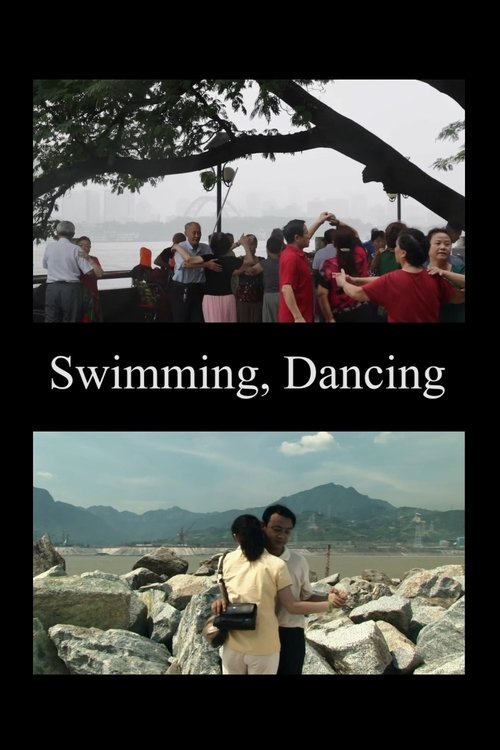
Swimming, Dancing examines audiovisual representations of the Yangtze (1934–present), from silent film to video art to the contemporary vlog. Inspired by the city symphonies of the 1920s, Swimming, Dancing pieces together a “river symphony”, evoking the images, sounds and contradictions that make up the river’s turbulent history.
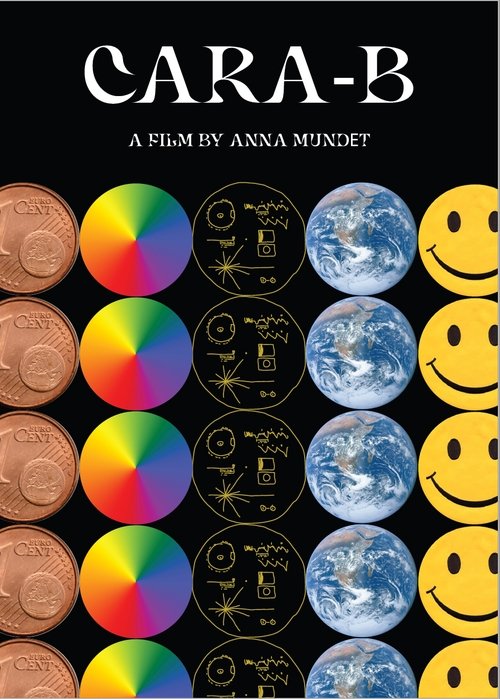
A desktop documentary that focuses on the Golden Record that NASA sent into space in the late 1970s. The piece reflects on issues such as the power of scientific discourse to produce revisions of the world, the evolution of the concept of the archive and the resignification of borders in the rhetoric of space colonialism.
Near Munich, in Bavaria, Germany, is the Schleißheim Palace, where French filmmaker Alain Resnais shot his film Last Year at Marienbad in 1960. Nearby is the Dachau concentration camp, where thousands of people were killed between 1933 and 1945. An essay about the present and the past, beauty and horror, life and death.
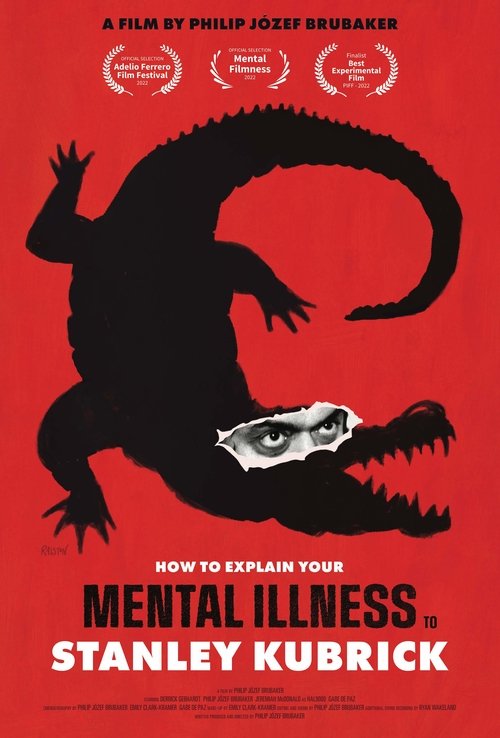
A psychotic filmmaker named Philip summons a manifestation of Stanley Kubrick into his apartment to confront him on the depiction of mental illness in his filmography. Kubrick's obsession with 'crazy' characters who meet an untimely death disturbs Philip, who wishes he could see Kubrick characters who manage their illness. The two directors go on a journey into Kubrick's films to understand insanity in our modern era.
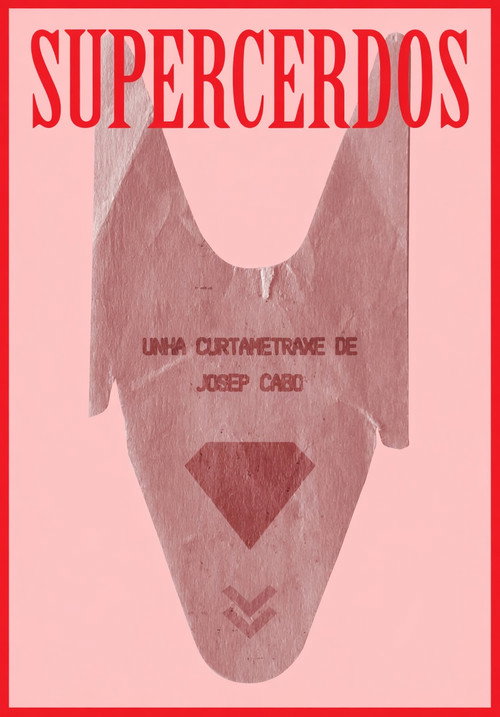
Elena, a vegetarian working in a butcher's shop, tells us from her workplace the story of the 'super pigs', a plague of hybrid pigs descended from wild boars and domestic pigs, which are invading the United States and Canada.
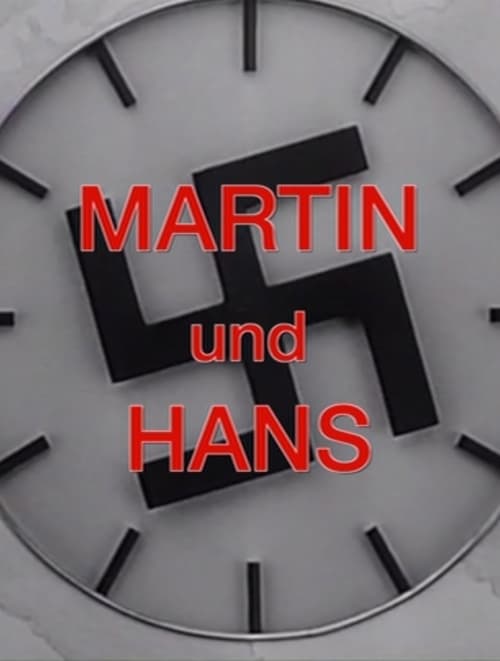
A fictional biography of Hollywood actors Martin Kosleck and Hans Heinrich von Twardowski, both of whom fled Hitler-era Germany to live a long-lasting relationship.
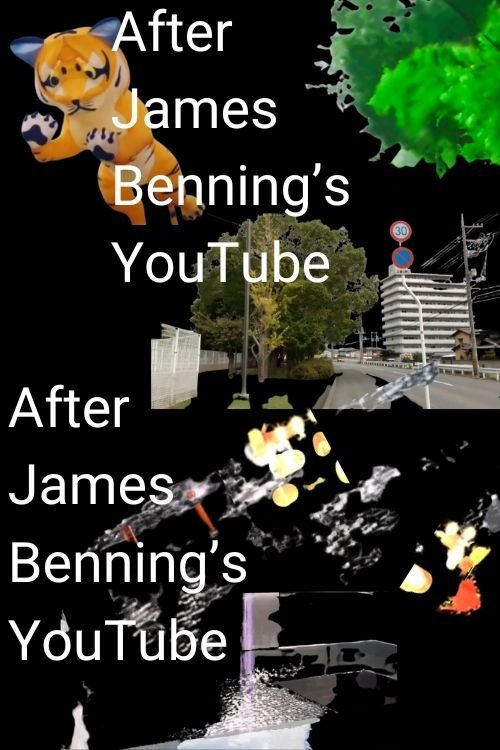
Divided into 26 parts, an attempt to remake James Benning's film, YouTube (2011) with similar internet footage after 13 years.
A gentle and confused home movie in search of a lost space - my grandmother's garden, where I spent my childhood. There is nothing to testify to that place and my time there. There are memories pollinated by the pollen of garden poppies the warmth of my hands, toiling in the sunshine and the stories of adults about the big world. Summer, reveries, childhood, prejudices, the realities of the noughties, a small town - shimmering images that can never manifest, but endlessly manifest themselves. The intimate experience is torn by externalised reality: the formerly Latin poppy becomes a threat to gardeners and gardeners, bugs represent terror and flowers represent death.
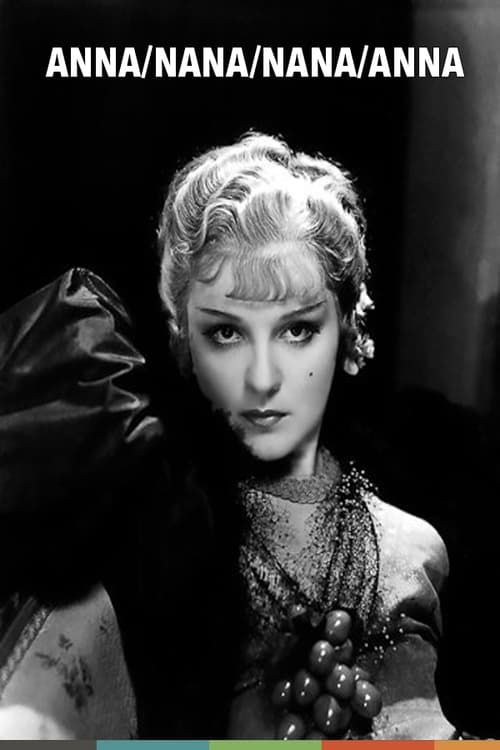
A tribute to actresses, approaching their presence in and out the screen, humanizing the icons. From the Ukrainian Anna Sten to the French Anna Karina, we can see some close-up faces that marked the history of the cinema, and whose demand is more relevant than ever.