Marina Carrère d'Encausse
as Self : TV-Presenter & Doctor-Journalist
Kad Merad
as Self : Godfather of Pasteur Institute
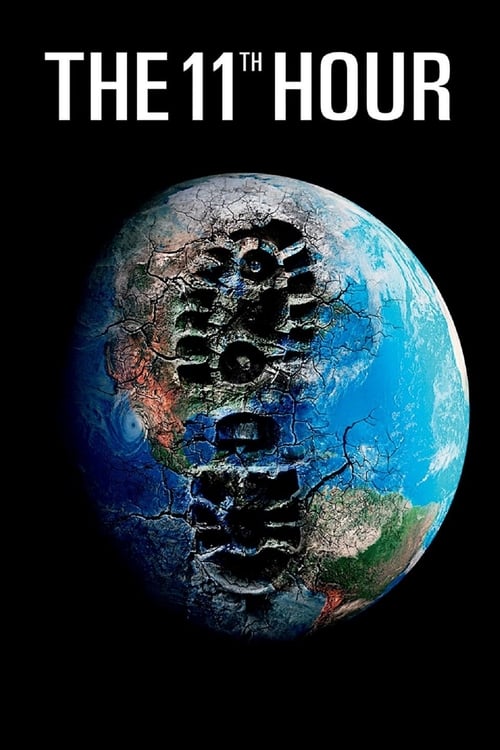
A look at the state of the global environment including visionary and practical solutions for restoring the planet's ecosystems. Featuring ongoing dialogues of experts from all over the world, including former Soviet Prime Minister Mikhail Gorbachev, renowned scientist Stephen Hawking, former head of the CIA R. James Woolse
This educational film illustrates the structures and functions of the outer, middle and inner ear. Shows the importance of the semicircular canals as organs of balance.
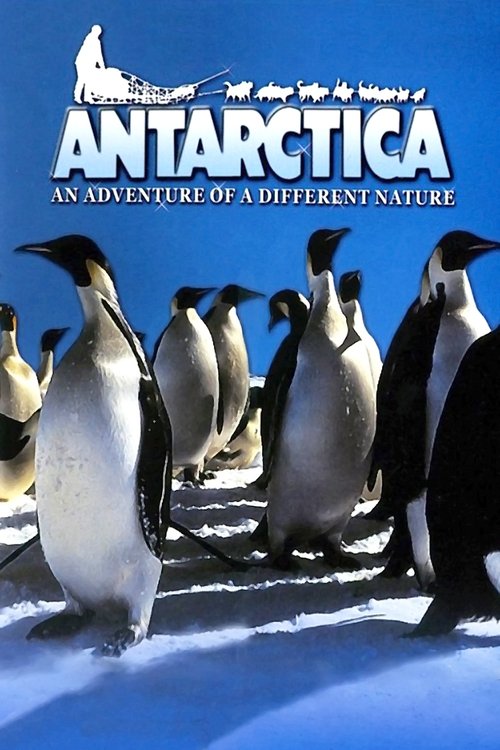
This large format film explores the last great wilderness on earth. It takes you to the coldest, driest, windiest continent, Antarctica. The film explores the life in Antarctica, both for the animals that live their and the scientist that work there.
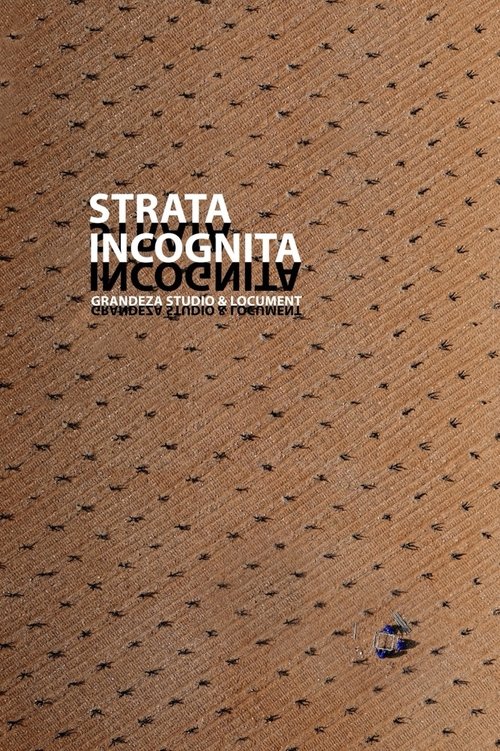
STRATA INCOGNITA, is a trans-scalar and trans-temporal journey across the geographies that articulate soil as an agro-industrial infrastructure, but also as an ecosystem and a somatic archive of crimes, memories and myths.
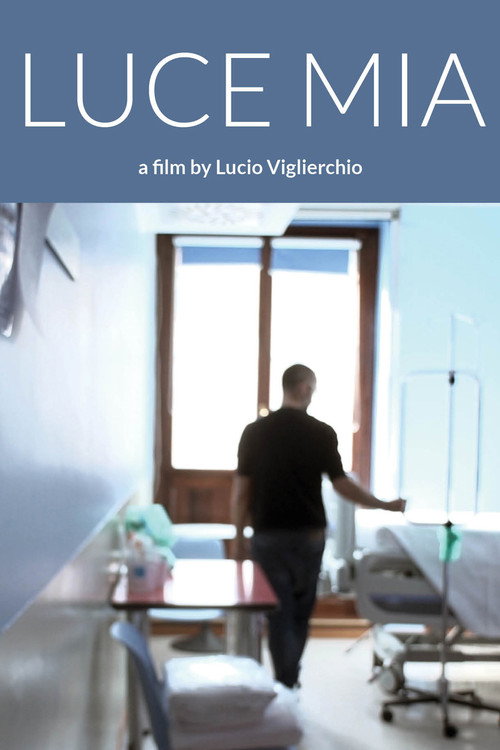
It was the spring of 2010 when I discovered that I was ill with leukemia. I was 29 years old and had never been in a hospital before. The fear, the chemotherapy, the waiting. After six months, everything seemed to be getting better, and a year and a half later, my first daughter, Nora, was born. So, three years later, I decided to return to the ward where everything had begun, to try to make sense of what had happened to me. Inside those rooms, I met Sabrina, who was going through what I had experienced. "Leucemia" is the story of our meeting, our journey together, and our shared experiences. It is the story of our friendship and our leukemia. (The author)
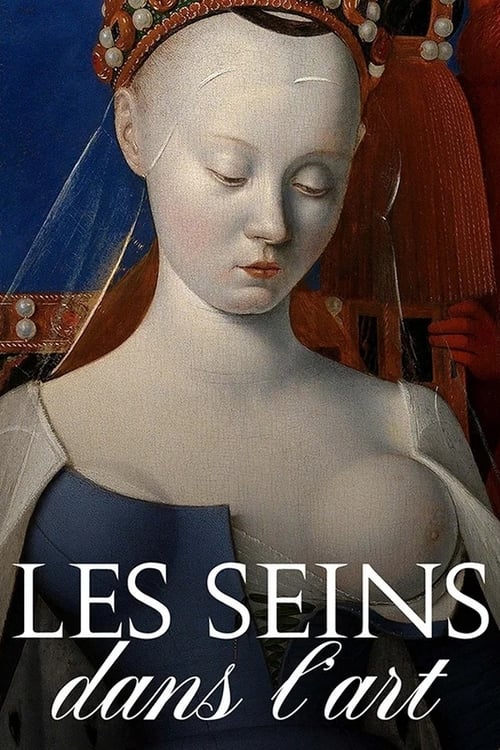
The female breast has been a motif for as long as there has been art. For centuries, people have been creating works that showcase this intimate and emotionally charged part of the body. Today, female artists are questioning traditional ideals of beauty and countering the male-dominated perspective of the breast with their own.
Founder of Wellness Engineering and New York Times Bestselling author Jonathan Bailor shares how personal tragedy led him to dedicate his life to finding a better way to eat, think, and live that reverses the causes and symptoms of diabetes and obesity (Diabesity). Featuring expert interviews on-location at Harvard Medical School with Dr. David Ludwig, Dr. JoAnn Manson, Dr. Kirsten Davison, and Dr. John Ratey, along with intimate testimonials of everyday Americans, we see the pain and struggle of the old-fashioned and ineffective “calories in, calories out” model, expose the lies that led to it, and provide a proven, practical, and pleasurable alternative. BETTER culminates in offering a proven path toward better living by introducing revolutionary methods to lower the body weight “Setpoint” through simple, evidence-based solutions that everyone can use to optimize their current diet to prevent and reverse many of today’s most common diseases.
A making-of documentary about the bioart film Proyecto divergente. The first narrative bioart film starred by bacteria.
A unique documentary that follows artist Mark Waller and his family over 20 years. When Mark is diagnosed with a deadly Melanoma the fault lines in the Waller family erupt with surprising results.
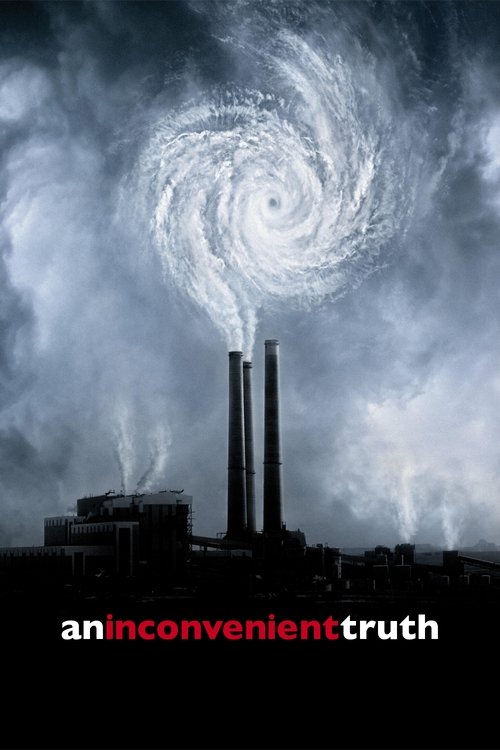
A documentary on Al Gore's campaign to make the issue of global warming a recognized problem worldwide.
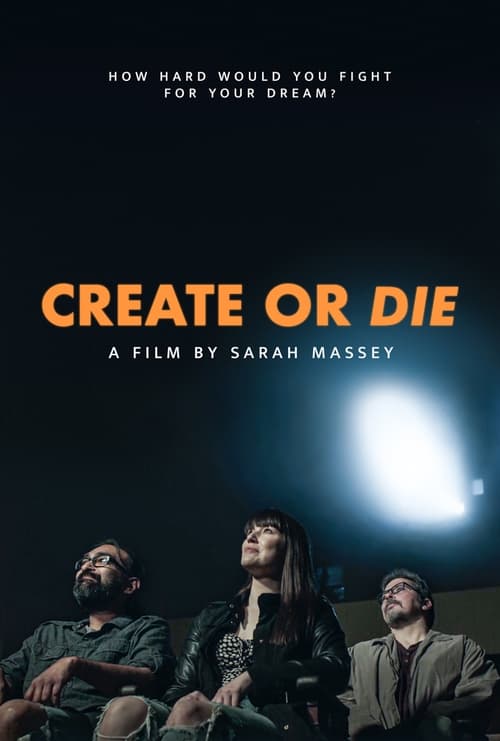
In an industry that is becoming increasingly competitive, what drives indie filmmakers to keep creating their art, even when there is no promise of money or fame? CREATE OR DIE explores the insatiable passion to create despite the overwhelming odds through the lens of South Carolina writer and filmmaker David Axe, as he and his band of cast and crew head out into the backwoods of Georgia to shoot his low budget passion project ACORN. But when tragedy strikes on set, doubt and tension threaten to bring an end to their production and their dreams.
Cancer; The Integrative Perspective takes a deep dive into the fast-expanding paradigm of holistic and integrative wellness approaches for preventing and reversing cancer that treats the disease with conventional tools, while also supporting patients’ strength, stamina and quality of life with evidence-based natural therapies. Nathan Crane, a pioneer in natural healing and cancer prevention, brings together world renowned medical experts and cancer survivors to share evidence-based insights into the power that the mind, body and spirit play in cancer care and prevention. The latest research is presented by Dr. Francisco Contreras, Dr. Leigh Erin Connealy, Dr. Francisco Calvo, Dr. Sunil Pai, and Dr. Thomas Lodi.
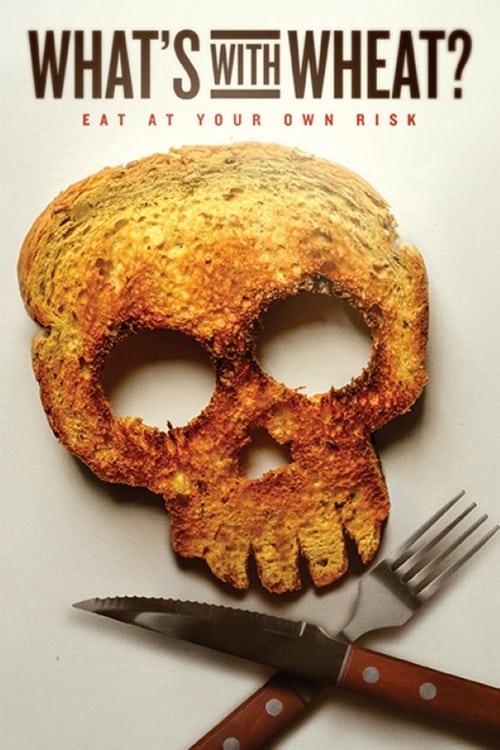
Why are so many people wheat-intolerant or sensitive to wheat? And why is wheat linked to so many modern-day health problems, when it has been a staple of the human diet for thousands of years? In this documentary, a nutritionist interviews 14 experts, to understand how wheat has changed since it was first cultivated, how these changes could be affecting human health, and how people can break a dietary cycle that could be making them sick.
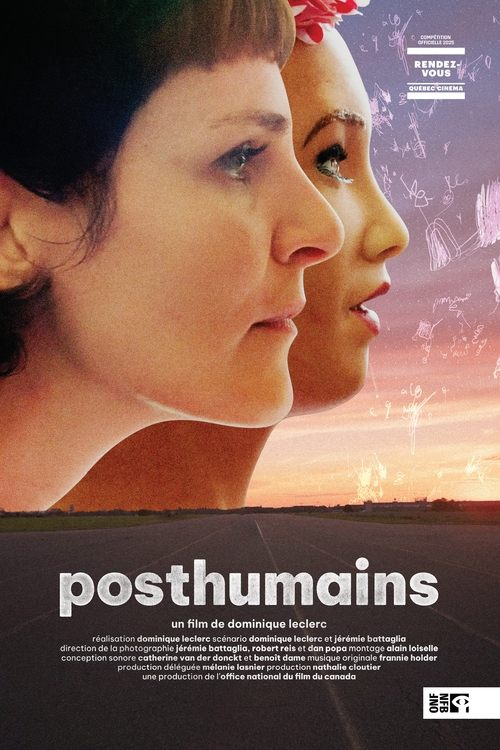
Director Dominique Leclerc spent years depending on medical devices for her survival. Then, looking for alternative solutions, she entered the world of emerging technologies. Posthumans follows her as she meets with cyborgs, biohackers, and transhumanists who are trying to use these technologies to outsmart illness, aging—and even death. The documentary looks at pressing ethical and political questions that are sure to impact the future of our species.
The majority of premature deaths can be prevented through simple changes in diet and lifestyle. In How Not to Die, Dr. Michael Greger examines the fifteen top causes of death in America-heart disease, various cancers, diabetes, high blood pressure, and more. He explains how nutrition and lifestyle can sometimes trump prescription pills and other approaches, freeing us to live healthier lives.
As climate change erases the Louisiana coast, the last two teenagers on Isle de Jean Charles fight to stay on an island that's been in their family home for generations. Feature film continuation of a short of the same name.
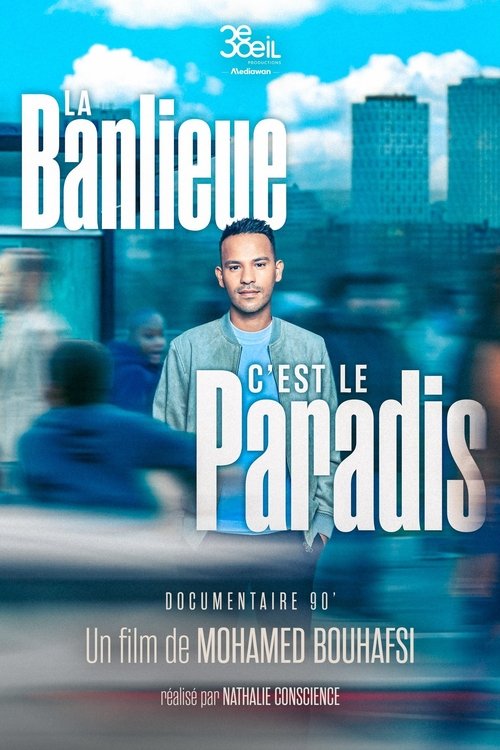
In the 1960s, the suburbs were meant to be modern havens for newcomers from rural France, Portugal, Spain, North Africa, and Africa, helping rebuild post-war France. Large housing complexes symbolized this ideal, offering comfort, heating, and electricity. But by the 1980s, disillusionment set in as economic crisis, unemployment, poverty, crime, racism, and police violence took hold. Mohamed Bouhafsi tells the story of a dream that didn’t last.
In the early eighties, the tough trucker Harm married the shy, country girl Siepie. Thirty years later Harm tells her that he wants to become a woman. That is difficult to hear for Siepie. Not only because she will lose her husband, but also because she is afraid of gossip in their small, Frisian village. Yet she gives Harm the space to openly live as Harriette.