Brief history and profile of Inuit communities in Northern Labrador and the role of the Moravian missionaries in the region. Warning for outdated and offensive term used.
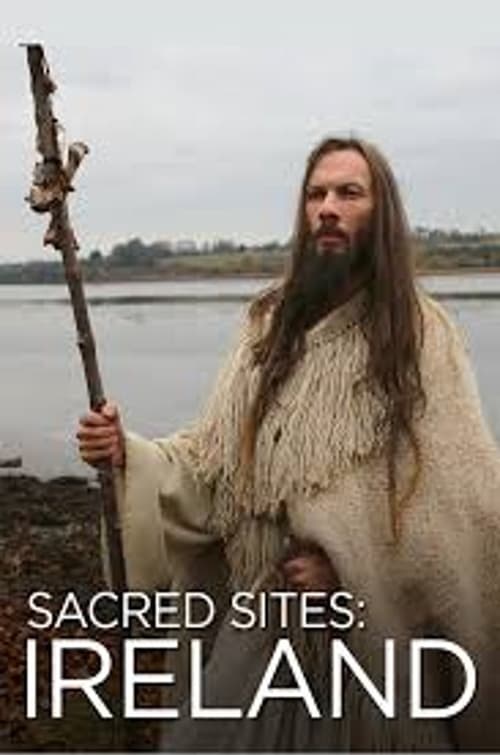
Ireland's history is steeped in religion and mystery. Why did its people stop worshipping the earth 5,000 years ago? Did St. Patrick really act alone in converting the Irish to Christianity in the 5th century? Historians, astronomers, and other scientists believe answers to these and other questions lie in the stars. Discover the role that celestial occurrences have played in Irish religious beliefs and practices as we explore ancient hallowed sites and even the heavens above.
For centuries, Stonehenge has been cloaked in mystery. Who built it? How did they do it? Why did they do it and what is its significance? Now, a team of archaeologists takes a high-tech approach to find out, and their discoveries will exceed all expectations. Learn the full story of the world's most investigated prehistoric site, featuring a forgotten people who were meticulous planners, profound believers and true warriors. It's a 10,000-year-old tale, pieced together by state-of-the-art survey equipment and compelling archaeological evidence.
A documentary about the confluence of Christianity and mixed martial arts, including ministries which train fighters. The film follows several pastors and popular fighters in their quest to reconcile their faith with a sport that many consider violent and barbaric. Faith is tried and questions are raised. Can you really love your neighbor as yourself and then punch him in the face?
In the summer of 2007, Gan Xiaoer led an independent film projection team, using projectors and self-made screens, to tour villages in Henan province to show his feature film "Raised from dust" for 8 times, and recorded the process. The 81-minute version of Church Cinema records only one stop, the Qiliying Church, where "Raised from dust" was shot.
This short documentary depicts the formation in 1959 of the first successful co-operative in an Inuit community in Northern Québec. The film describes how, with other Inuit of the George River community, the Annanacks formed a joint venture that included a sawmill, a fish-freezing plant and a small boat-building industry.
A prescient portrait of late-1970s Washington, D.C., that chronicles the city's creeping gentrification, the systematic expulsion of poor Black residents, and the community response in the form of the Seaton Street Project, in which tenants banded together to purchase buildings.
A group of eminent experts, including the Marian Fathers, analyze Greek texts of the Holy Scripture, revelations and the dogma of the Immaculate Conception. The result is a new interpretation of passages of the Scripture revealing Mary, the Mother of Christ, and her extraordinary role in the divine plan for the salvation of the world.
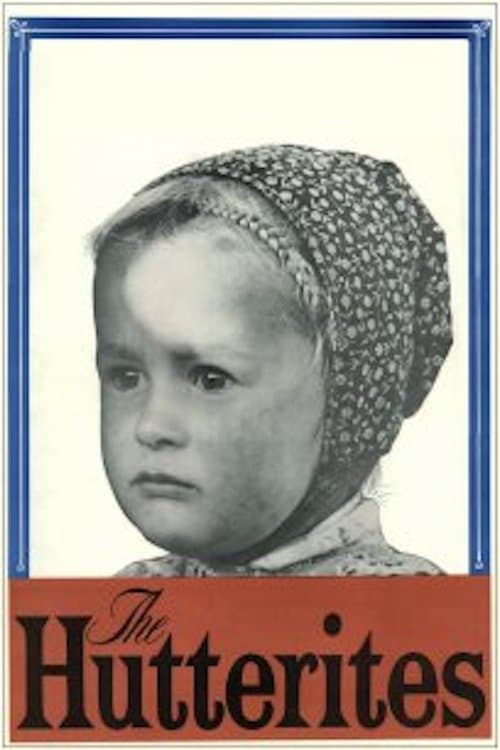
A look at the Hutterites, an Anabaptist religious community similar to the Amish or the Mennonites in rural Alberta. The followers of religious leader Jacob Hutter live in farm communities, devoutly holding to the rules their founder laid down four centuries ago. Through the kindness of a Hutterite colony in Alberta, this film, in black and white, was made inside the community and shows all aspects of the Hutterites' daily life.
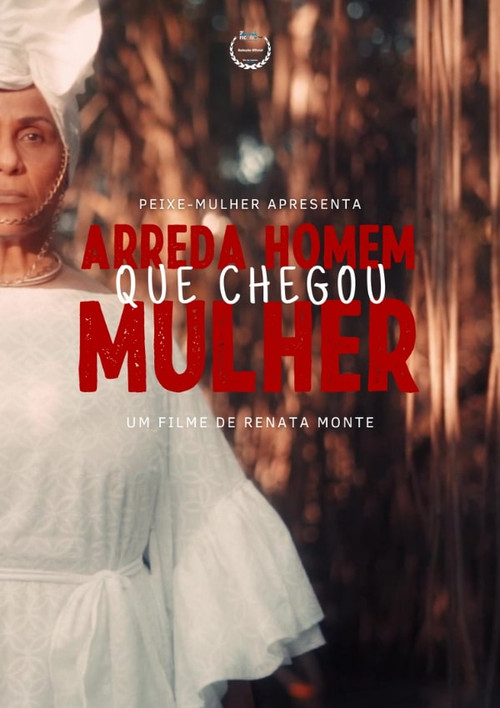
Documentary about terreiro women in Fortaleza who occupy the highest positions in the hierarchy, subverting the patriarchal tradition of religious communities.
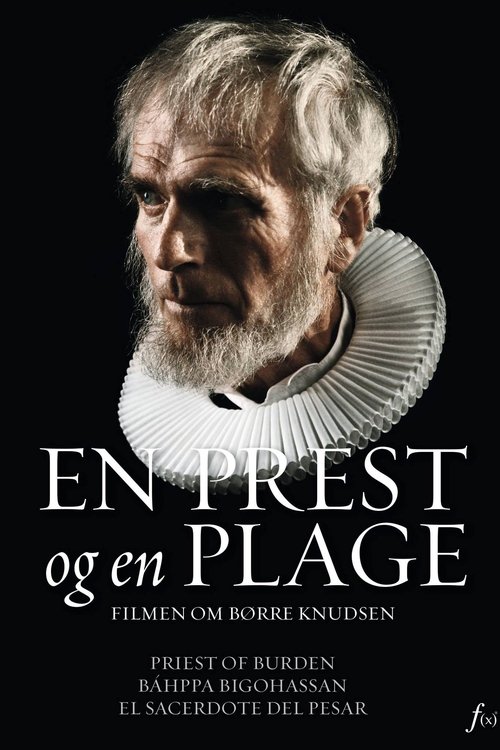
The priest Børre Knudsen is Norway's most infamous anti-abortionist, and much hated for this. He fought for his cause without thinking about the consequences for his family and his children even in the worlds most democratic country.
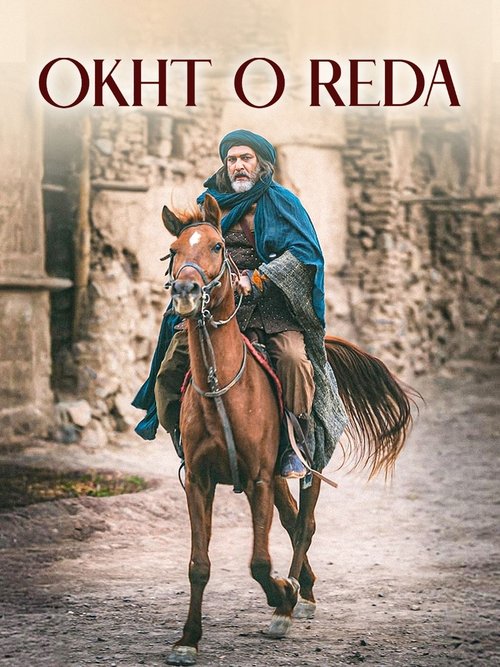
The movie Okht al-Reza (Reza's sister) narrates the journey of the Lady of Dignity, Hazrat Masoumeh PBUH from Madinah to Qom. While portraying the events of the Prophet's path, her time, Ma'mun's conspiracies and efforts for her martyrdom, the work tries to express a mystical narrative of the character of Hazrat Masoumeh. It deals with the story of this journey, and includes passages about the political and social atmosphere of the time, where the general atmosphere of the storytelling is somewhat close to the documentary.
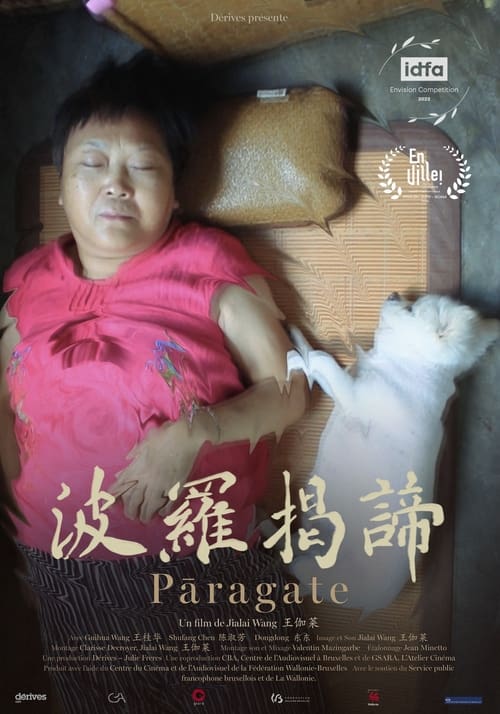
From Belgium, Jialai Wang maintains contact via smartphone and camera with her mother and grandmother in China. When her grandmother’s health deteriorates, Jialai returns to Shanghai, but when she arrives, her grandmother has already died, and she is left alone with her mother. A devout Buddhist, her mother seems to pay more attention to her daily prayers, Maoist past and dog Dongdong than she does to her daughter. She herself had been abandoned as a child by her own mother, when she divorced Jialai’s grandfather and moved to the city.
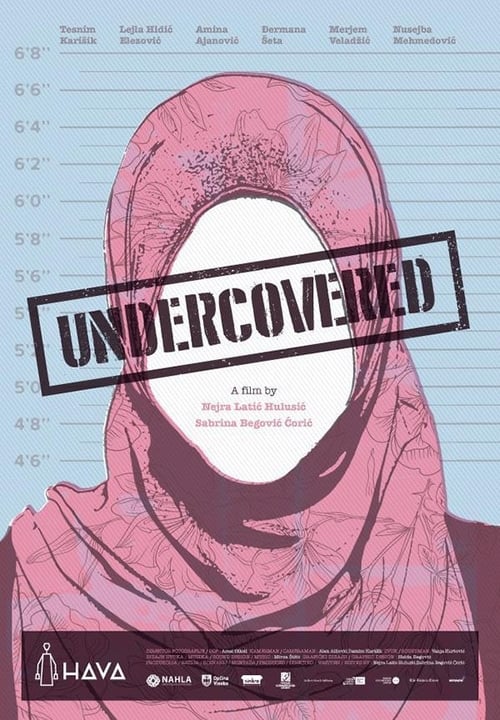
Following the 2001 terrorist attacks on New York City, one item of clothing has gained a scandalous global reputation: the headscarf. All over the world, a major debate is going on about whether Muslim women should be allowed to wear the headscarf in public.
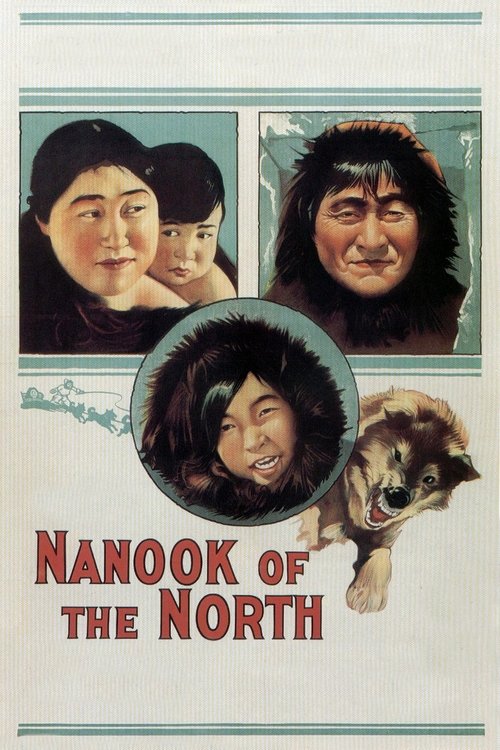
This pioneering documentary film depicts the lives of the indigenous Inuit people of Canada's northern Quebec region. Although the production contains some fictional elements, it vividly shows how its resourceful subjects survive in such a harsh climate, revealing how they construct their igloo homes and find food by hunting and fishing. The film also captures the beautiful, if unforgiving, frozen landscape of the Great White North, far removed from conventional civilization.
A cheerful documentary about the daily life of a community of Franciscan sisters. “Hasta mañana, si Dios quiere” (See you tomorrow, God willing) is a film born from the desire to understand that mysterious feminine universe that gives up its life and leaves behind family, home, lovers, disobedience, and physical love.
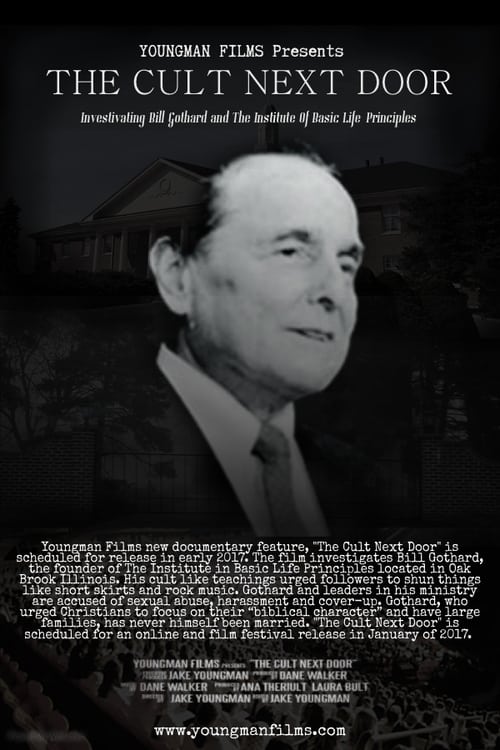
A short documentary featuring a brief overview of Bill Gothard's ministries, and some of the consequences for his followers.