A group of Nunavut elders travel to five museums in North America to see and identify artifacts, tools and clothing collected from their Inuit ancestors. Directed by Zacharias Kunuk and Bernadette Dean.
One day in the lives of an average Greenlandic family, which happens to be of great importance for 8-year old Kali - he's about to catch his first prey with the harpoon. The whole family is looking forward for the huge step in boy's maturation.
Part oral history and part visual poem, Miss Campbell: Inuk Teacher is the story of Evelyn Campbell, a trailblazer for an Inuit-led educational system in the small community of Rigolet, Labrador.
This pioneering documentary film depicts the lives of the indigenous Inuit people of Canada's northern Quebec region. Although the production contains some fictional elements, it vividly shows how its resourceful subjects survive in such a harsh climate, revealing how they construct their igloo homes and find food by hunting and fishing. The film also captures the beautiful, if unforgiving, frozen landscape of the Great White North, far removed from conventional civilization.
In this short film, artist Jobie Weetaluktuk turns his gaze on his family and the power of ritual through the story of a young woman and her unplanned child. In Inukjuak, an Inuit community in the Eastern Arctic, a baby boy has come into the world and they call him Timuti, a name that recurs across generations of his people, evoking other Timutis, alive and dead, who will nourish his spirit and shape his destiny.
This short documentary depicts the formation in 1959 of the first successful co-operative in an Inuit community in Northern Québec. The film describes how, with other Inuit of the George River community, the Annanacks formed a joint venture that included a sawmill, a fish-freezing plant and a small boat-building industry.
This short documentary looks at the government relocation of the Labrador Inuit and the effects on their culture and social structures.
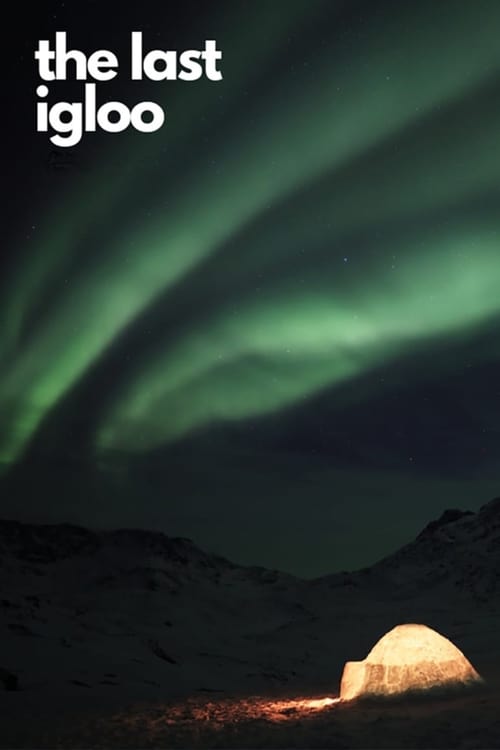
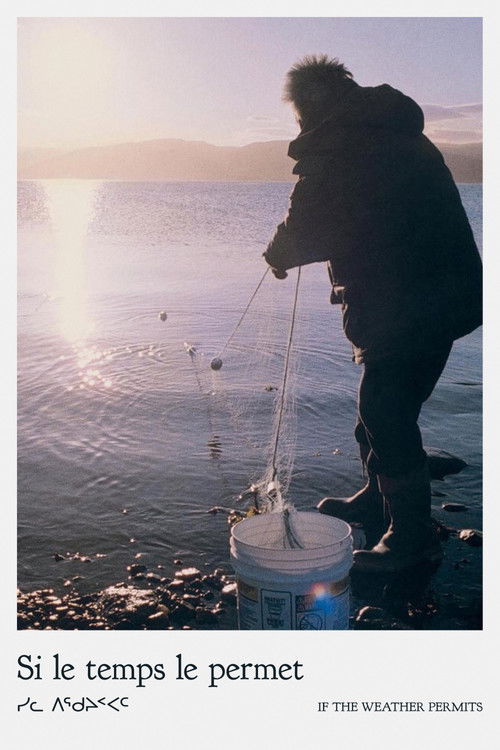
Documentary that follows a lone Inuit as he hunts, fishes and constructs an igloo, a way of life threatened by climate change.
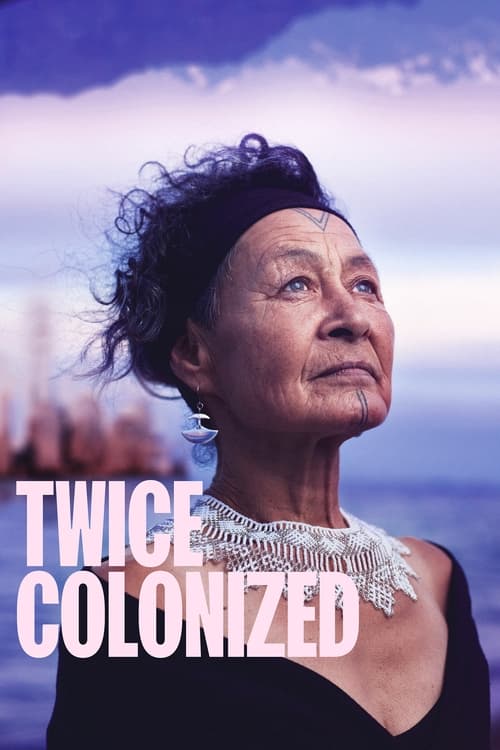
Renowned Inuit lawyer Aaju Peter has long fought for the rights of her people. When her son suddenly dies, Aaju embarks on a journey to reclaim her language and culture after a lifetime of whitewashing and forced assimilation. But can she both change the world and mend her own wounds?
Through Inuit voices, HERD: Inuit Voices on Caribou tells the story of the social, emotional, and cultural disruptions from ecological change by putting an essential human face to the caribou declines - including a 99% decline of the once-massive George River Caribou Herd. The film was developed over four years of collaboration between filmmakers and 11 Inuit communities across Labrador. It cinematically explores an array of lived experiences, from youth to Elders and hunters to cooks, to ensure that the stories of those living on the frontlines of this ecological crisis are HERD. It is a portrait of the deep connections that exist between humans and non-humans, a glimpse of heartbreaking loss felt by entire communities, and a lasting testament of cultural resilience in the context of ecological uncertainty.
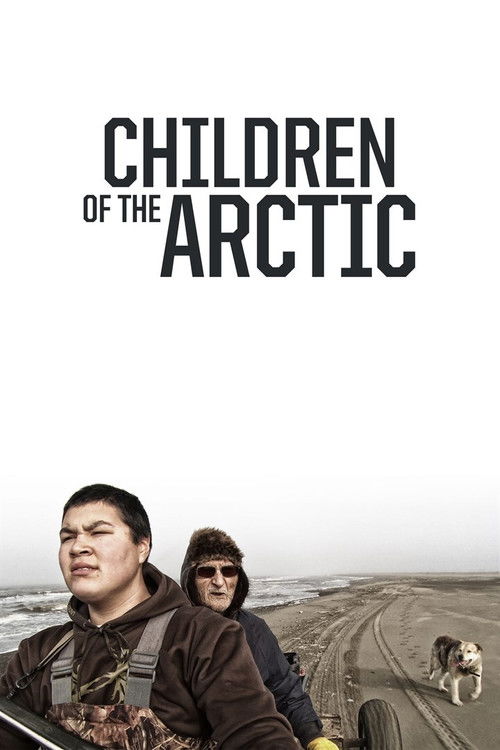
For centuries, Inuit in the Arctic have lived on and around the frozen ocean. Now, as climate change is rapidly melting the sea ice between Canada and Greenland, the outside world sees unprecedented opportunity. Oil and gas deposits, faster shipping routes, tourism, and fishing all provide financial incentive to exploit the newly opened waters. But for more than 100,000 Inuit, an entire way of life is at stake. Development here threatens to upset the delicate balance between their communities, land, and wildlife. Divided by aggressive colonization and decades of hardship, Inuit in Canada and Greenland are once again coming together, fighting to protect what will remain of their world. The question is, will the world listen?
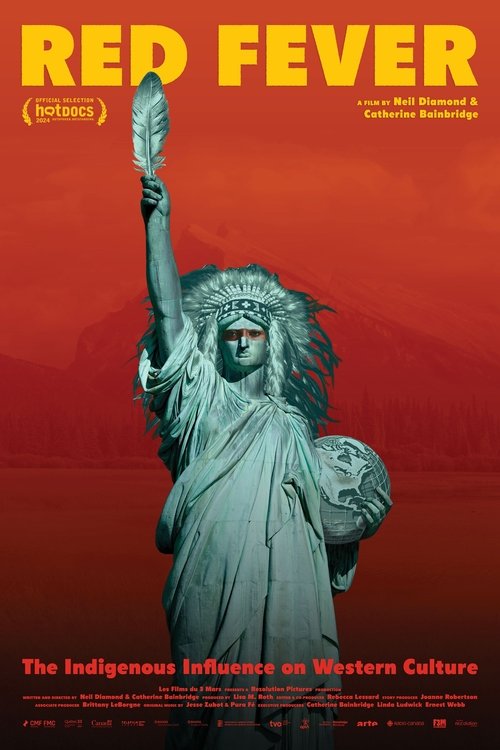
Red Fever is a witty and entertaining feature documentary about the profound -- yet hidden -- Indigenous influence on Western culture and identity. The film follows Cree co-director Neil Diamond as he asks, “Why do they love us so much?!” and sets out on a journey to find out why the world is so fascinated with the stereotypical imagery of Native people that is all over pop culture. Why have Indigenous cultures been revered, romanticized, and appropriated for so long, and to this day? Red Fever uncovers the surprising truths behind the imagery -- so buried in history that even most Native people don't know about them.
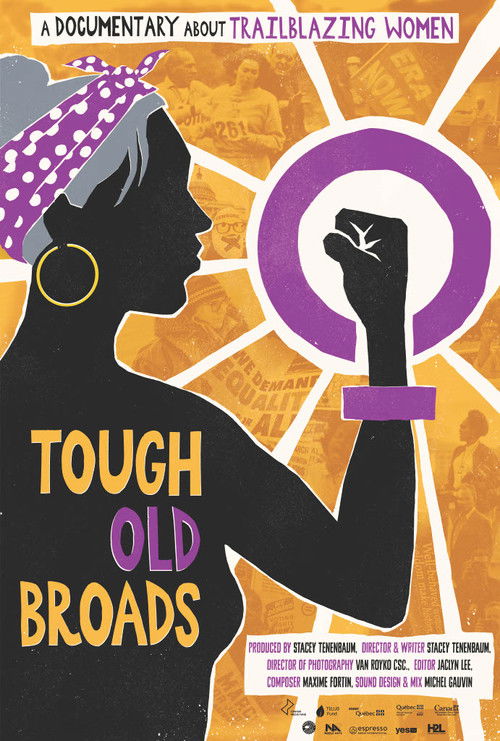
Kathrine Switzer, Siila Watt-Cloutier, and Sharon Farmer. They are the first woman to run the Boston Marathon officially, the first woman to connect climate change to human rights, and the first woman to serve as Chief White House Photographer. These trailblazing women broke barriers in their time and continue to pursue their passions to this day. They’re living proof that you can follow your dreams and maybe change the world in the process.
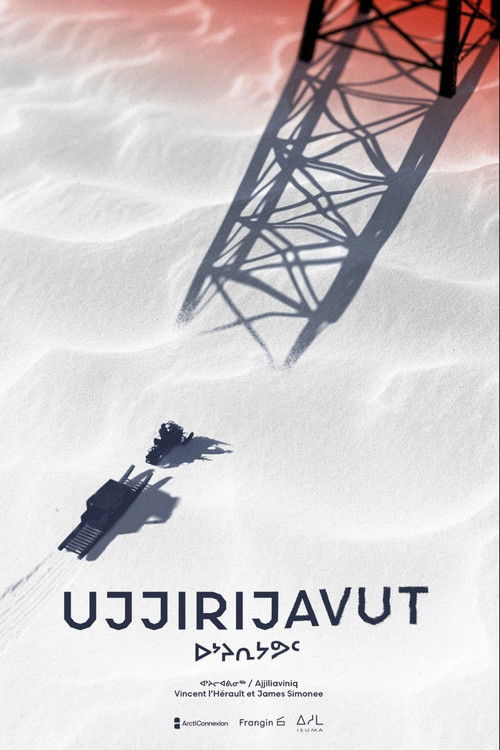
Through interviews with Inuit across Nunavut, and documentation of a three-year community hearing process during the COVID pandemic, award-winning filmmaker Zacharias Kunuk explores what meaningful consultation in the 21st century means within the context of a large-scale mining expansion on Baffin Island.
With "sealfies" and social media, a new tech-savvy generation of Inuit is wading into the world of activism, using humour and reason to confront aggressive animal rights vitriol and defend their traditional hunting practices. Director Alethea Arnaquq-Baril joins her fellow Inuit activists as they challenge outdated perceptions of Inuit and present themselves to the world as a modern people in dire need of a sustainable economy.
This documentary shows how an Inuit artist's drawings are transferred to stone, printed and sold. Kenojuak Ashevak became the first woman involved with the printmaking co-operative in Cape Dorset. This film was nominated for the 1963 Documentary Short Subject Oscar.