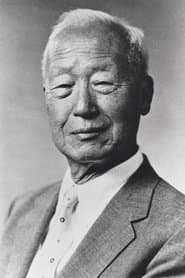
Syngman Rhee
as Self (archive footage)
In 1909, several years after Korea is forced into becoming a Japanese colony, freedom fighters plot the daring assassination of Japan's prime minister during their quest for independence.
Short film for Vice Media about the illusion of stability, freedom, and prosperity in the West, comparing it to life in the Soviet Union during the 1970s. Ends with a trailer for HyperNormalisation.
After Coal profiles inspiring individuals who are building a new future in the coalfields of eastern Kentucky and South Wales. Meet ex-miners using theater to rebuild community infrastructure, women transforming a former coal board office into an education hub, and young people striving to stay in their home communities. The stories of coalfield residents who must abandon traditional livelihoods illustrate the front lines of the transition away from fossil fuels.
Two politically-opposed young women fight to shape their lives along with the political future of Tunisia, the sole country to emerge from the Arab Spring uprisings as a functional democracy.
An indonesian biopic movie on the controversial former Jakarta governor Ahok.
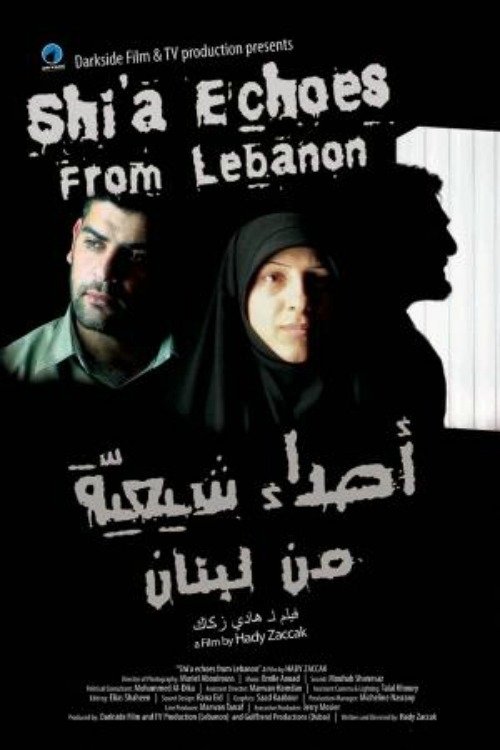
This political documentary by Hady Zaccak delves into the world of Lebanese Shiites through interviews with three Shiite youths, each with a different political and ideological affiliation, in addition to a very valuable interview with late Shiite cleric Sayyed Hani Fahs. The documentary explores the Shiites’ relation to Beirut’s Dahiyeh suburb, a Shiite stronghold, as well as the difference between the political and social perspectives of these youths.
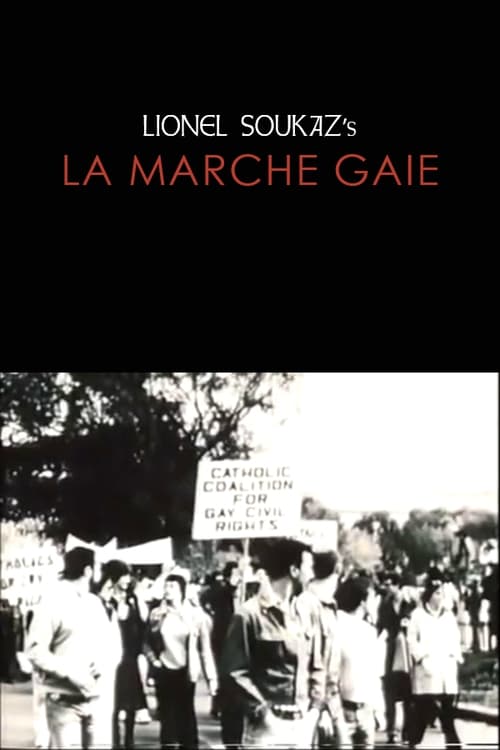
A short documentary about the October 14 1979 March For Lesbian And Gay Rights in Washington D.C.
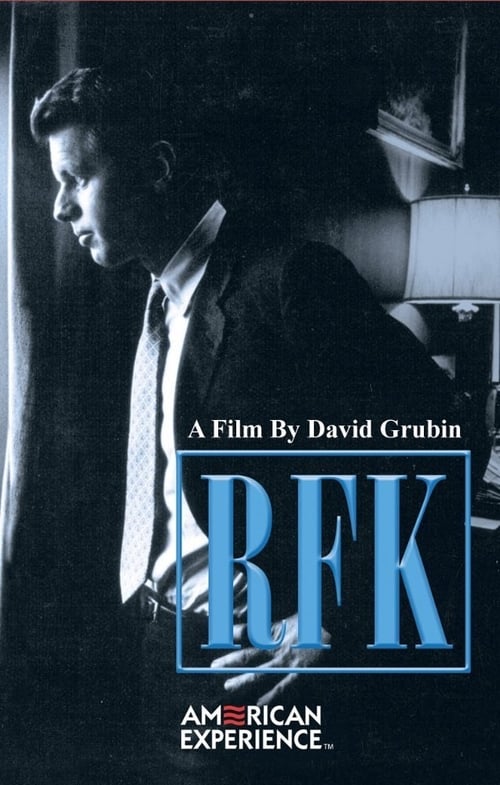
David Grubin's probing and perceptive biography reassesses the remarkable and tragic life of Bobby Kennedy, whose early life was spent in the shadow of his elder brother John. After JFK's assassination, he discovered his own identity in the forefront of American politics before his career was also tragically curtailed by an assassin's bullet.
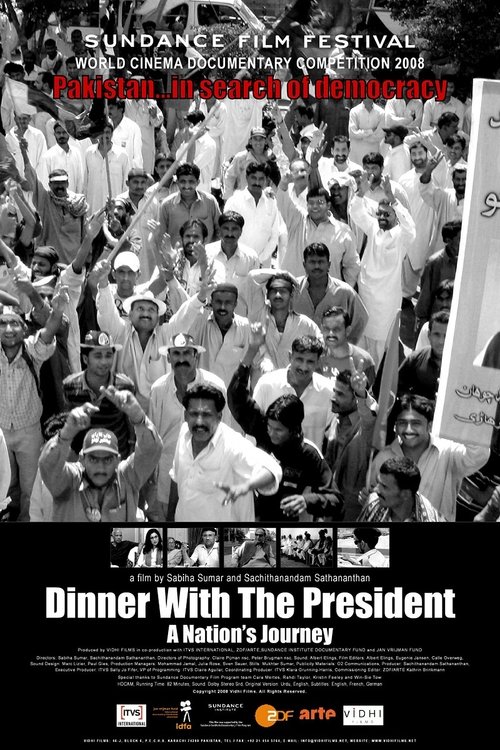
Documentary in which President Musharraf explores the different worlds and influences on political life in Pakistan at a dinner in his official residence, the Army House. Labourers and intellectuals, journalists and industrialists add to the debate, as the role that a military leader can play in guiding a state towards modern democracy is questioned. (Storyville)
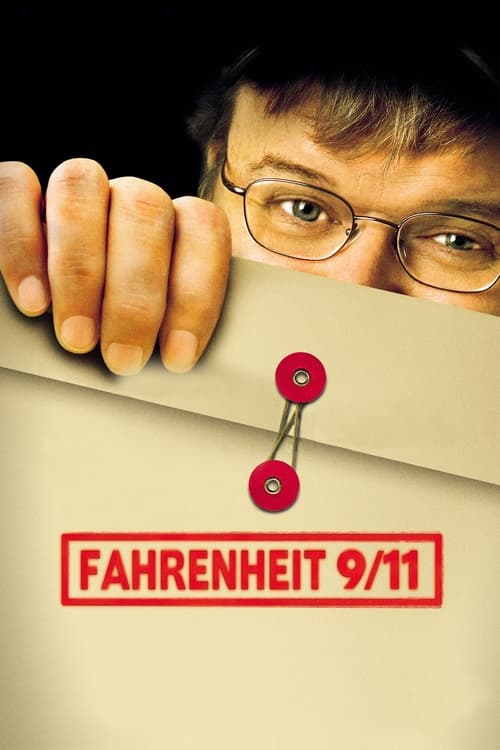
Michael Moore's view on how the Bush administration allegedly used the tragic events on 9/11 to push forward its agenda for unjust wars in Afghanistan and Iraq.
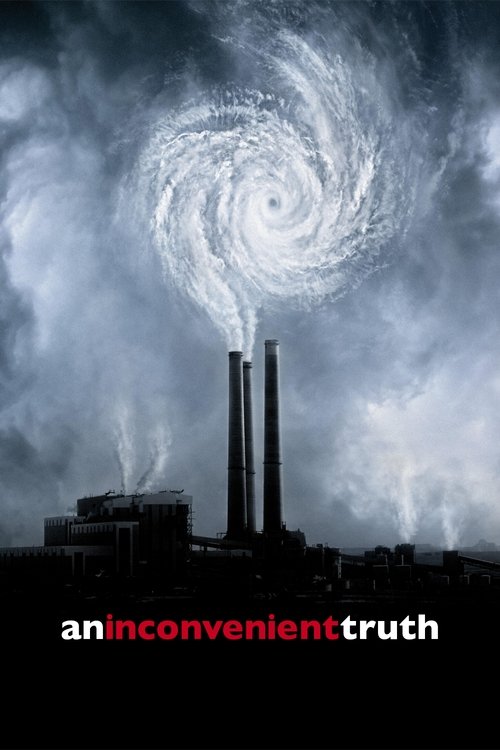
A documentary on Al Gore's campaign to make the issue of global warming a recognized problem worldwide.
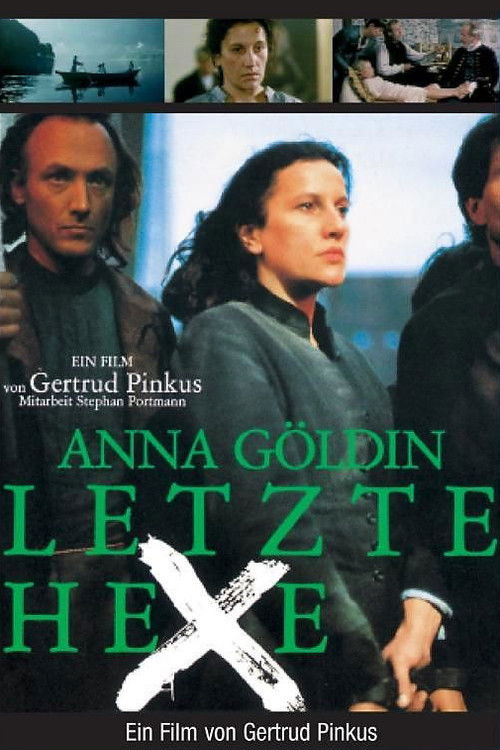
A native of Sennwald, Anna Göldi arrived in Glarus in 1765. For seventeen years, she worked as a maidservant for Johann Jakob Tschudi, a physician. Tschudi reported her for having put needles in the bread and milk of one of his daughters, apparently through supernatural means. Göldi at first escaped arrest, but the authorities of the Canton of Glarus advertised a reward for her capture in the Zürcher Zeitung on February 9, 1782. Göldi was arrested and under torture, admitted to entering in a pact with the Devil, who had appeared to her as a black dog. She withdrew her confession after the torture ended, but was sentenced on June 18, 1782 to execution by decapitation. The charges were officially of "poisoning" rather than witchcraft, even though the law at the time did not impose the death penalty for non-lethal poisoning.
A film about political ethics and legislative incompetence that follows one man's attempts to require politicians to actually read the Bills they are passing -- which, strangely, is not currently required anywhere in the U.S.
The meteoric path of Emmanuel Macron made him pass in three years of almost anonymity to the presidency of the Republic. Yet, even though the media have followed him every day during his campaign, no one really knows him. Politics has spoken, progressive, social and liberal at the same time, but man remains an enigma. Behind the official story-telling, what is the true personality of the one who is going to lead France? What are its strengths, its weaknesses? Thanks to unpublished images and exclusive testimonials, including that of his wife Brigitte, this film tells the pivotal moments of the new President's career and reveals the deep motivations that animate him. Investigation of a meteor become President.
Since the late 18th century American legal decision that the business corporation organizational model is legally a person, it has become a dominant economic, political and social force around the globe. This film takes an in-depth psychological examination of the organization model through various case studies. What the study illustrates is that in the its behaviour, this type of "person" typically acts like a dangerously destructive psychopath without conscience. Furthermore, we see the profound threat this psychopath has for our world and our future, but also how the people with courage, intelligence and determination can do to stop it.