Daphné Bürki
as Self : Narrator (voice over)
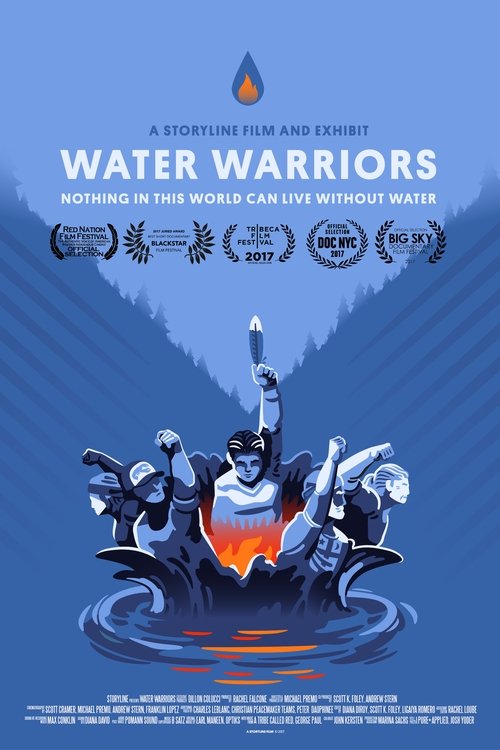
Natives and activists prevent an energy company from destroying the environment in search of natural gas in New Brunswick, Canada.
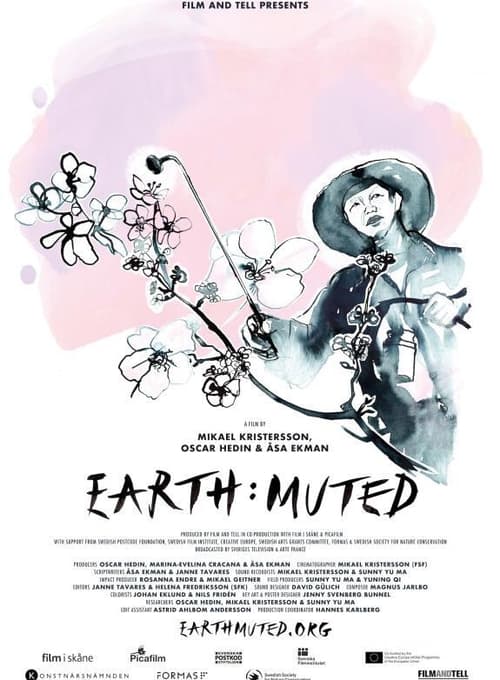
Three farming families in Hanyuan, China, strive to give their children a good life in the midst of an ecological crisis, as widespread use of pesticides leads to a dramatic decline in bees and other pollinating insects in the valley.
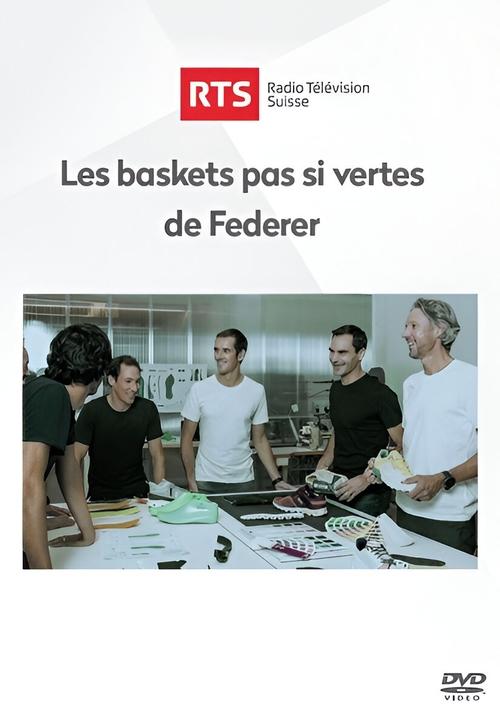
Could "On Running", the sneaker brand that Roger Federer has teamed up with, hold the prize for greenwashing across all categories? The sneaker success story presents the Cloudneo as the first sneaker to be entirely recyclable, durable and circular. Sure, these shoes are made from castor beans. But as for the rest...Our investigation reveals that On is far from meeting the industry's sustainability standards. The same goes for the myth of circularity. From the factory producing these shoes in Vietnam to the Arkema site in Marseille classified as a dangerous area because of the bromine, chlorine or ammonia used to transform castor beans into plastic, we are in reality light years away from a product that is good for the planet. Investigation in India, Vietnam and France.
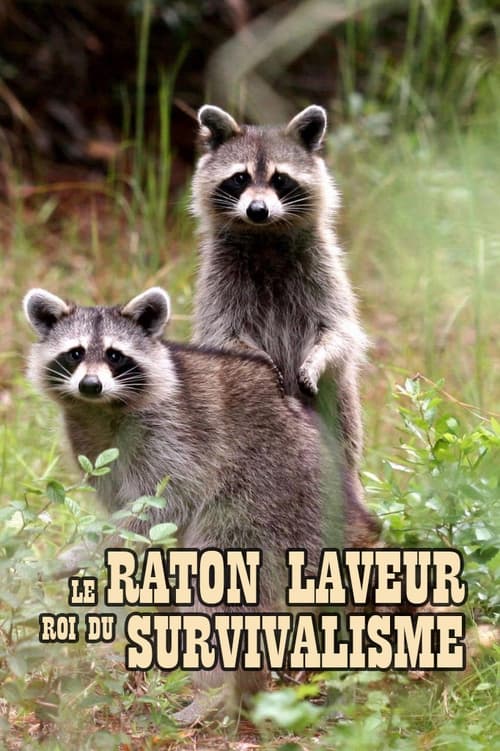
While, all over the world, multiple wild species are threatened, raccoons are displaying an unprecedented expansion. Beneath the innocent and graceful plush exterior hides an unparalleled "survivor" temperament. Omnivorous, curious, intelligent and extremely adaptable, raccoons prove to be very good at overcoming any challenge thrown by humans. But how do these clever creatures manage to survive both in the wild and in urban settings? Set in one summer in Georgia, USA, this film follows a litter of young raccoons from birth to adulthood on Jekyll Island.
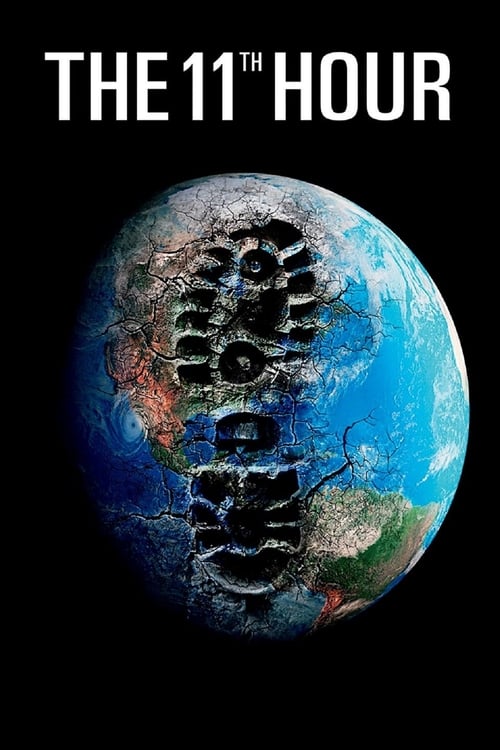
A look at the state of the global environment including visionary and practical solutions for restoring the planet's ecosystems. Featuring ongoing dialogues of experts from all over the world, including former Soviet Prime Minister Mikhail Gorbachev, renowned scientist Stephen Hawking, former head of the CIA R. James Woolse
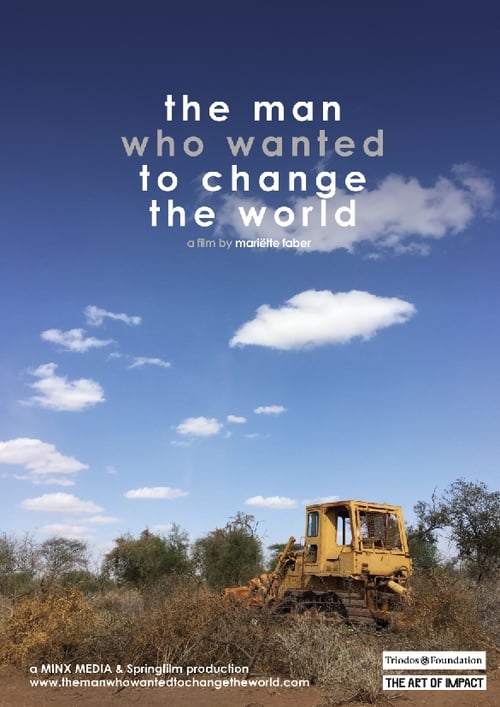
Peter Westerveld, artist and visionary, doesn’t want institutions to resolve the problems linked to earth’s problems. Growing up in Africa, he witnessed the advance of the desert and dedicated himself to finding solutions for the ongoing erosion and desertification of the land. The film follows Peter and the NGO working with him to realise his project; to build contour trenches that capture and store rain water under the surface and replenish the desert land.
Unlike the many rag pickers working at this Dump Hill(Land Fill) in Delhi, young Devendra is committed to collect electronic waste discarded from our homes, in an attempt to create machines. Even the carcinogenic gases emitting from this hill have not been able to poison his engineering dreams.
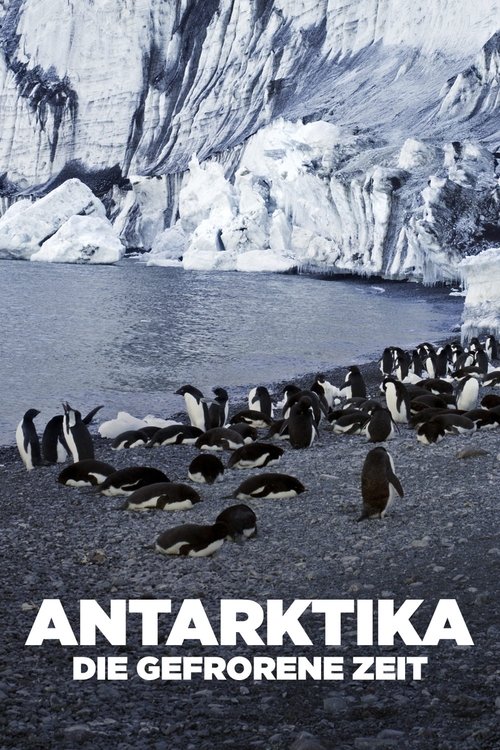
The bleakness of Antarctica is a fallacy. The ice continent is full of life and offers a biodiversity of which only about two percent are known. Much of it is under water and could determine the future of human beings. When the northern lights cover the ice landscape in summer, the animals in the Antarctic are in a paradisiacal state. Whales blow their fountains in the sky, penguins fly like small rockets into the water, seals dive for crabs under the glittering ice floes. From the bay of the Ross Sea to the ice shelf, from the huge penguin colonies to steaming volcanoes, a life in rhythm with the ice. But the consequences of climate change are slowly becoming apparent here too. While some species are dying, others are spreading. They could bring new viruses and bacteria with them, and new dangers for humans too. The structure of nature has gotten off course. How many generations will still be able to experience the magic of Antarctica?
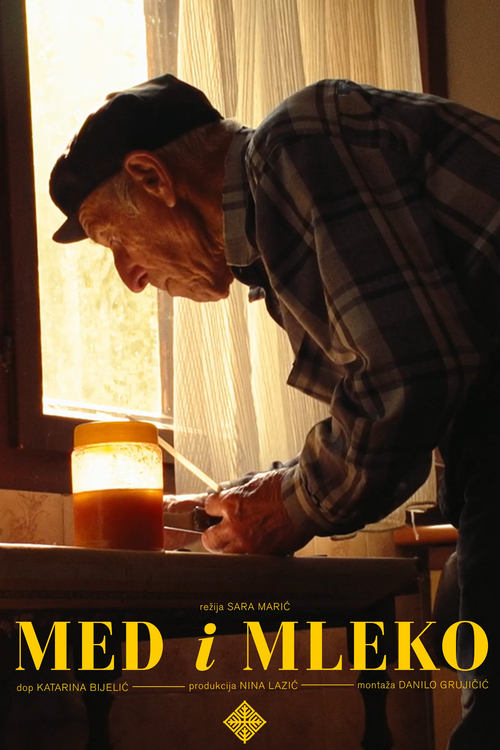
In a secluded village surrounded by forests and a river, an elderly beekeeper and a livestock farmer live alone, their lives shaped by tireless work and quiet harmony. Through one day in their hidden world, this documentary reveals the beauty and mystery of their bond with nature, far from the reach of modern life.
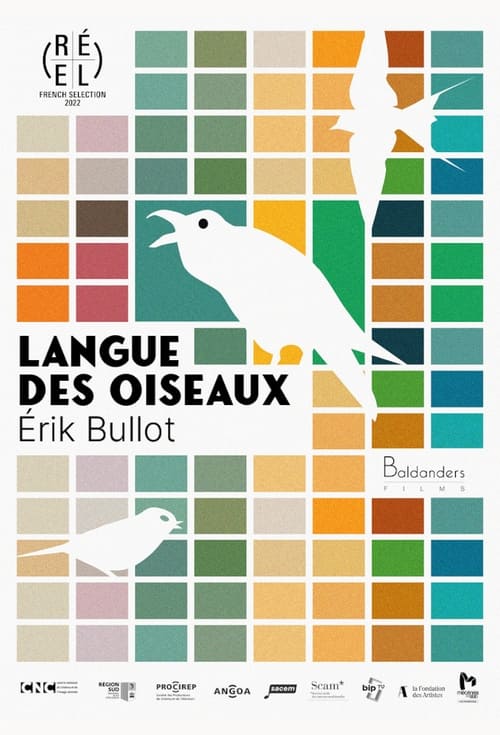
Composed of serious and funny musical scenes, an exploration of the virtues of translation and desire for communication between humans and birds. Told by a narrator from the future, after the sixth mass extinction, an observation of the attempts made to establish a possible exchange.
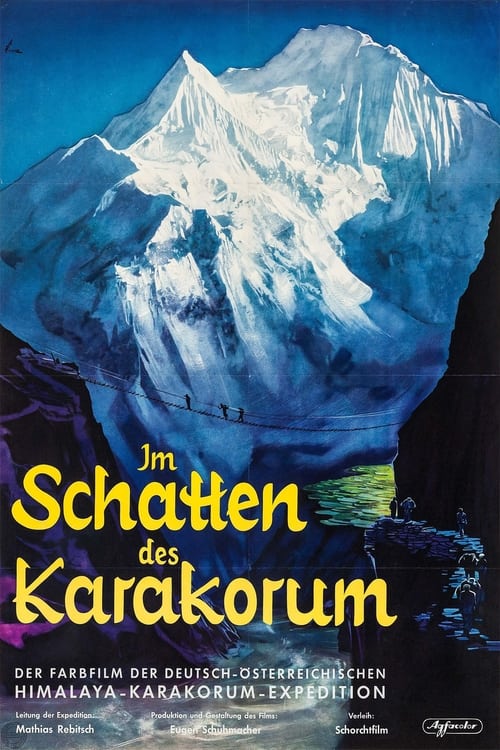
In 1954, a German-Austrian expedition led by Mathias Rebitsch set off for the difficult-to-access Karakoram Mountains, geographically north of the Himalayas. They come across the Hunza, a people who live in the valley of the same name and believe they are descended from the soldiers of Alexander the Great. The documentary conveys impressions of the poor life of the Hunza people, the harvest, a court hearing, festivals and the children's everyday school life. Finally, the expedition sets off again and sets up its main camp on the moraine ridge of a glacier, where they measure the glacier and the earth's magnetic field. Finally, some men from the research community set off for a sub-peak of Batura.
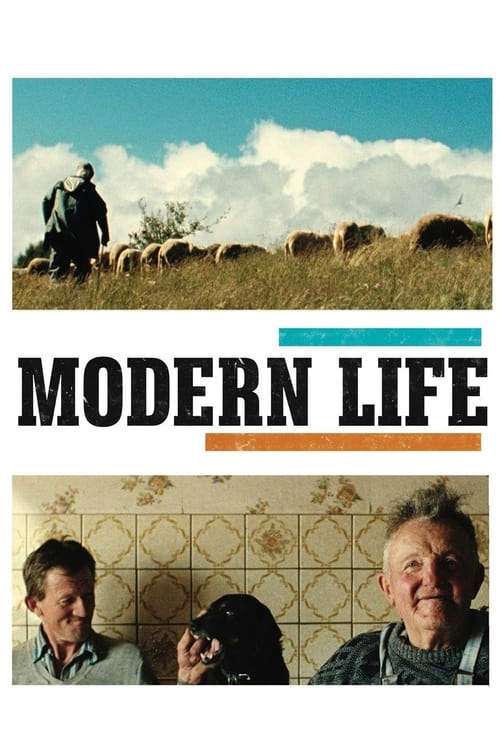
For ten years, Raymond Depardon has followed the lives of farmer living in the mountain ranges. He allows us to enter their farms with astounding naturalness. This moving film speaks, with great serenity, of our roots and of the future of the people who work on the land. This the last part of Depardon's triptych "Profils paysans" about what it is like to be a farmer today in an isolated highland area in France. "La vie moderne" examines what has become of the persons he has followed for ten years, while featuring younger people who try to farm or raise cattle or poultry, come hell or high water.