Crafted from archive footage, There Once was A Puffin explores one aspect of the relationship between the Atlantic puffin and the European coastal populations, who consume it. Between traditional hunting, declining colonies and climate change.
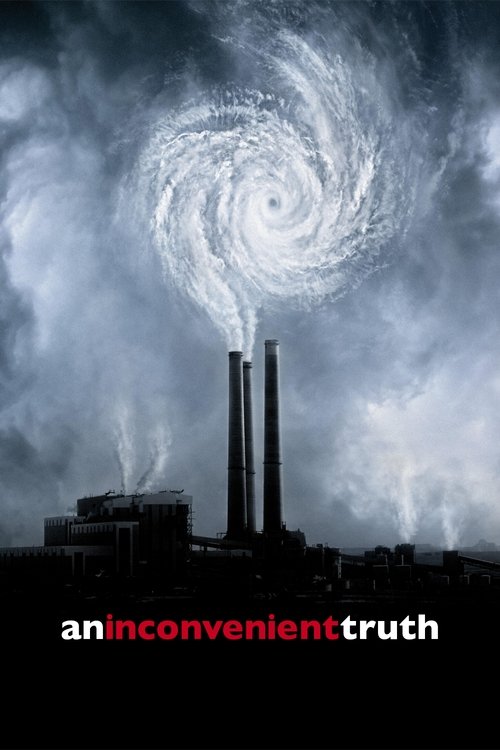
A documentary on Al Gore's campaign to make the issue of global warming a recognized problem worldwide.
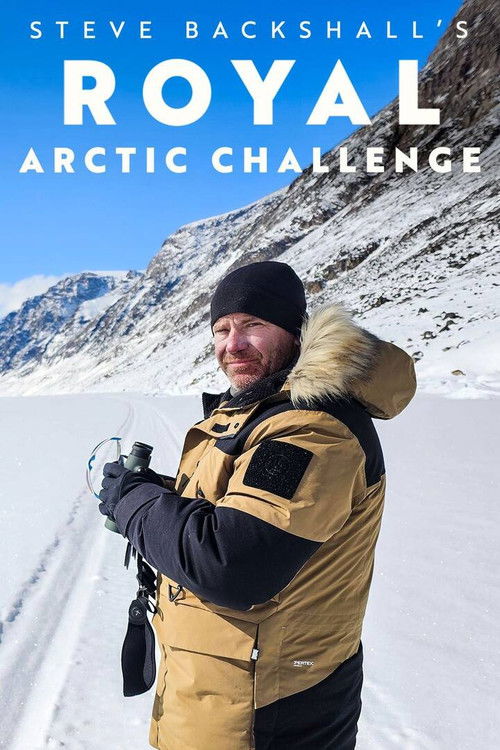
50 years on from the event, environmentalist Steve Backshall retraces a young Prince Charles' Arctic adventure and uncovers dramatic changes to our planet alongside an urgent need for action.
A huge new global protest movement is changing public attitudes to climate change. Reporter Ben Zand gains access to the most high-profile activist group, Extinction Rebellion.
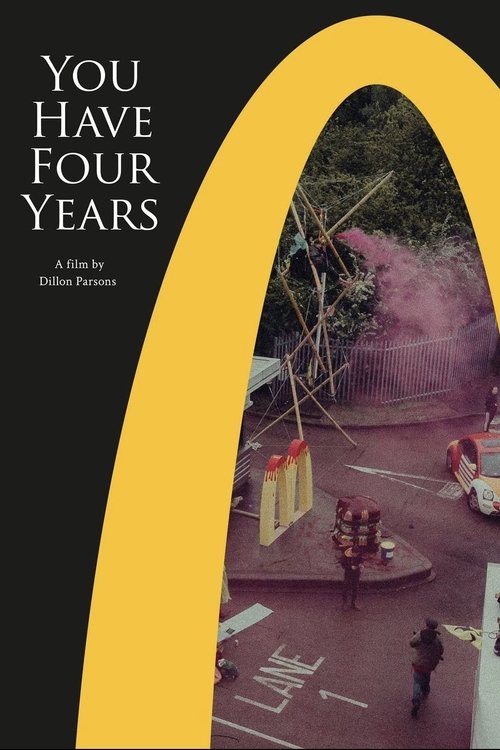
On the 22nd of May 2021, around 100 Animal Rebels shut-down all four McDonald's distribution centers across the UK. Shutting down their factories for a total of 96 hours and disrupting over 1300 of McDonald's restaurants across the country.
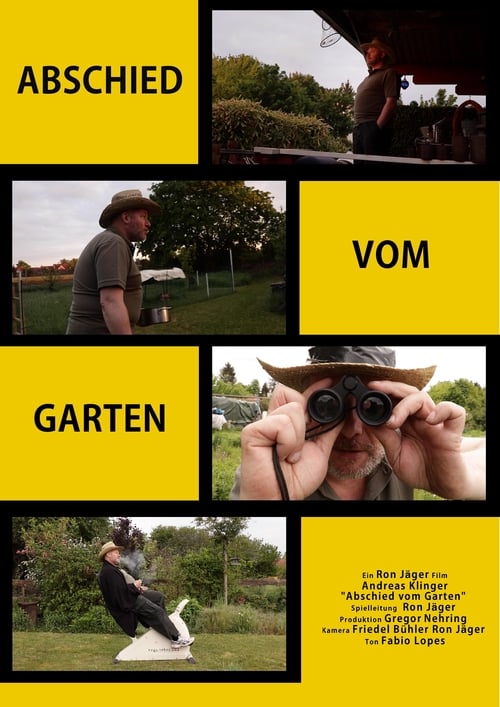
The early retired Gert spends the last summer in his garden, a place that has become a real home for him. The garden will be demolished to create a shopping center on its grounds. The only thing Gert can do is remember memories of happy times he spent with his family in the garden.
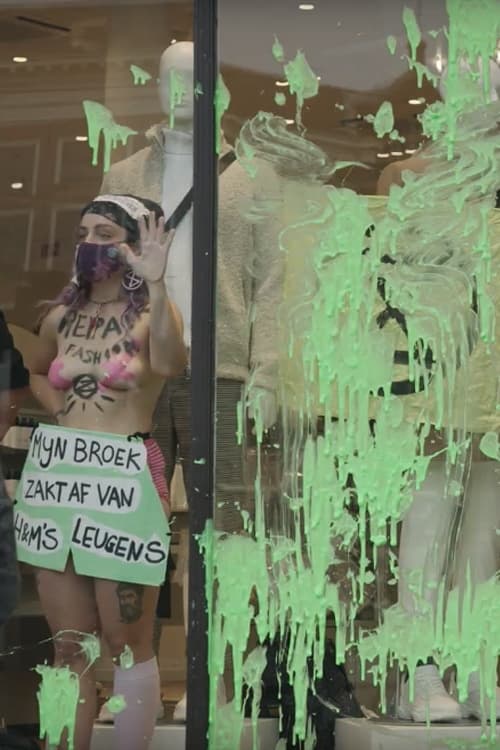
In the Netherlands, 200,000 young people are concerned about the end of the world and the major climate disasters they may experience. They learn from Greta Thunberg that the world will end if we continue like this. Climate depression and eco-anxiety have recently become official diagnoses. Robin (26 die/them), Melih (16 he/him) and Armando (21 he/him) turn their concerns into action. How far will they go and how lonely is their struggle? Documentary about the biggest problem of our time and the pressure this puts on a growing generation.
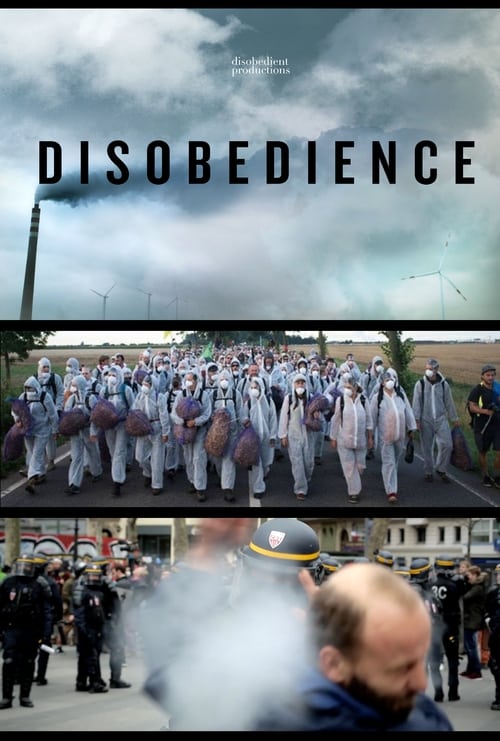
Disobedience tells the David vs. Goliath tale of front line leaders battling for a livable world. Filmed in the Philippines, Turkey, Germany, Canada, Cambodia and the United States, it weaves together these riveting stories with insights from the most renowned voices on social justice and climate. Disobedience is personal, passionate and powerful - the stakes could not be higher, nor the mission more critical.
Mosha Michael made an assured directorial debut with this seven-minute short, a relaxed, narration-free depiction of an Inuk seal hunt. Having participated in a 1974 Super 8 workshop in Frobisher Bay, Michael shot and edited the film himself. His voice can be heard on the appealing guitar-based soundtrack…. Natsik Hunting is believed to be Canada’s first Inuk-directed film. – NFB
In the bitter winter of 1978, four desperate council members from a small Virginia town hatched a daring Bigfoot hoax to save it from the brink of bankruptcy. But as the money grew, so did the greed-triggering the town's first unsolved murder.
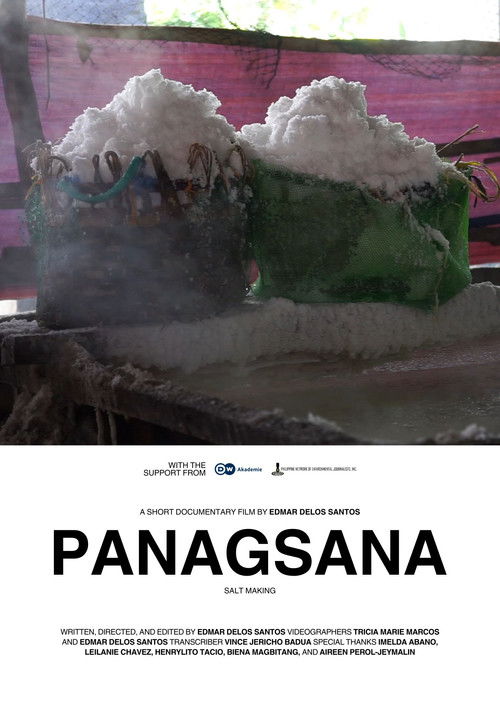
Melba, a traditional salt maker from Pasuquin, Ilocos Norte, Philippines, struggles to sustain their heirloom craft due to the effects of climate change. The salt-making process, which relies heavily on dry weather, is threatened by increasingly unpredictable weather patterns in the Philippines, putting their tradition at risk.
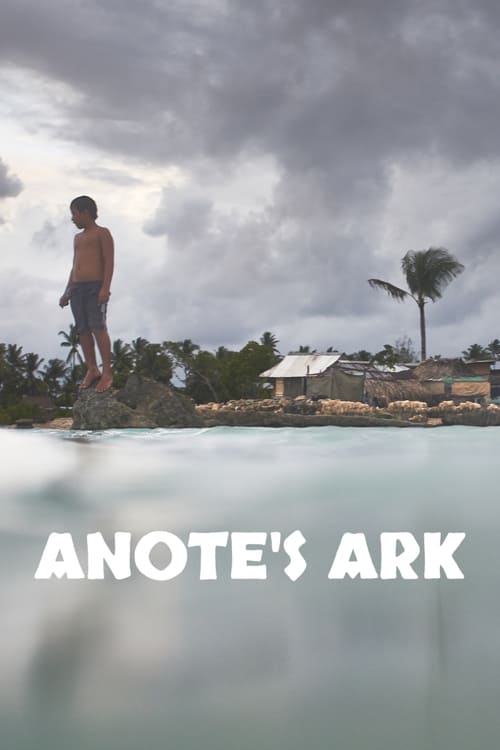
How does a nation survive being swallowed by the sea? Kiribati, on a low-lying Pacific atoll, will disappear within decades due to rising sea levels, population growth, and climate change. This exploration of how to migrate an entire nation with dignity interweaves personal stories of survival and resilience.
For 40 years, billy barr has lived alone in small cabin in one of the coldest places in the United States – the ghost town of Gothic, CO. With no goals of proving anything, or even knowledge that the climate was changing, billy started collecting data about snowpack to pass the time in his isolated part of the world. When climate researchers at the Gothic-based Rocky Mountain Biological Lab discovered billy’s decades of detailed records, they uncovered clear and compelling evidence of climate change. As someone who has had to learn to survive in such a harsh environment, billy shares some advice about how to move forward on our changing planet.
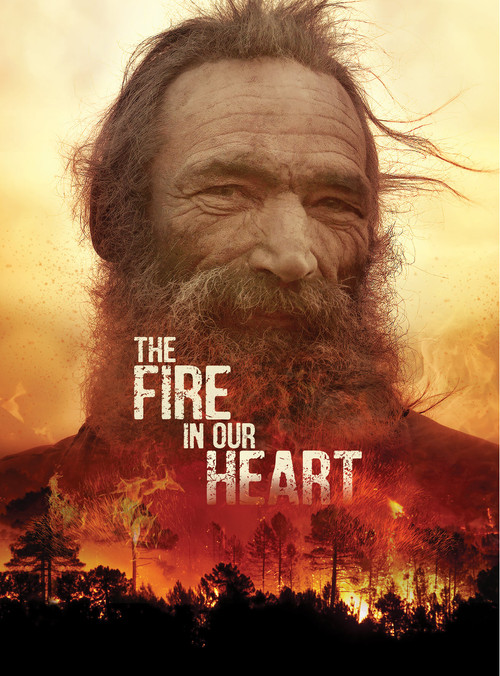
On British Columbia’s remote Southside, wildfire is not an abstract threat—it is a lived reality. As flames close in on a frontier community, the Cheslatta Carrier Nation and their neighbours face an impossible choice: evacuate, or stay to protect the land that defines them. With limited access and little outside support, the community responds collectively, drawing on Indigenous leadership, cooperation, and generations of knowledge to confront the fire in near isolation. In the aftermath, the burn reveals a long-erased Cheslatta village site, resurfacing a suppressed history just as their response gains wider attention as a model for resilience. But when the flames recede, new constraints emerge—raising questions about the limits of community-led action, and the fragile balance between survival, autonomy, and authority.
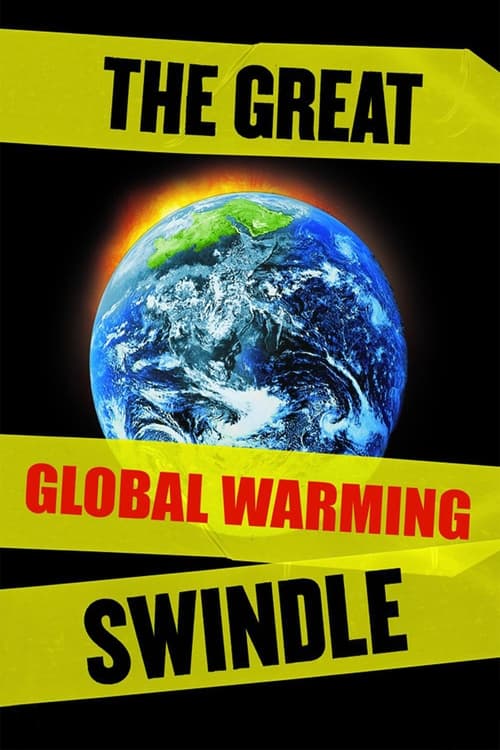
This film tries to blow the whistle on what it calls the biggest swindle in modern history: 'Man Made Global Warming'. Watch this film and make up your own mind.
An NFB crew filmed a group of three families, Cree hunters from Mistassini. Since times predating agriculture, this First Nations people have gone to the bush of the James Bay and Ungava Bay area to hunt. We see the building of the winter camp, the hunting and the rhythms of Cree family life.
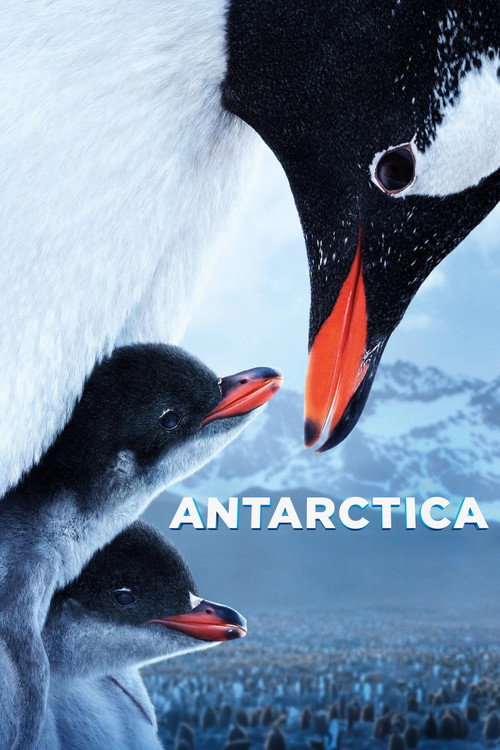
Antarctica is the most extreme continent on our planet—higher, colder, and even drier than any other on Earth, and although it is thousands of miles away, what happens here affects every single one of us.
Longyearbyen, Svalbard, is the northernmost settlement in the world. About 3000 polar bears and 400 snow scooters outnumber its 2700 inhabitants. It is a place where you can actually see climate change and social diversity.
We can't address the environmental crises of climate change and biodiversity loss if people don't care about nature, and it all starts with stepping outside and looking up. Through the lens of four inspiring women, The Birdwatchers aims to explore and break down some of the barriers preventing people from accessing nature. This film is a love letter to the world of birds, and a rallying cry for people to protect it.