Antarctica is the most extreme continent on our planet—higher, colder, and even drier than any other on Earth, and although it is thousands of miles away, what happens here affects every single one of us.
Benedict Cumberbatch
as Self - Narrator
A journey that follows the Ganges from its source deep within the Himalayas through to the fertile Bengal delta, exploring the natural and spiritual worlds of this sacred river.
On Zambia's Liuwa Plain two star-crossed spotted hyena cubs are born to warring rival clans: Twaambo, a male cub and Nasanta, a female, are destined to lead converging lives as their extreme environment forces them together
Film about a family of lions living in the swamps of the Okavango delta, seen through the eyes of a cub born just before the annual flood
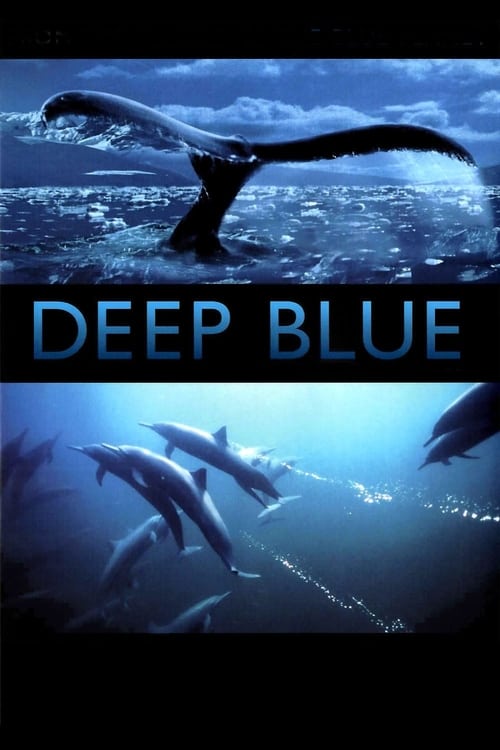
Deep Blue is a major documentary feature film shot by the BBC Natural History Unit. An epic cinematic rollercoaster ride for all ages, Deep Blue uses amazing footage to tell us the story of our oceans and the life they support.
In Abby Martin's second feature documentary, Earth’s Greatest Enemy reveals a hidden truth behind the climate crisis: the role of the U.S. military as the world’s largest institutional polluter. Drawing on powerful testimonies from veterans, scientists, and frontline communities, it uncovers how military operations poison ecosystems, accelerate global warming, and sacrifice the future for endless expansion. From Alaska’s melting glaciers to contaminated bases across the U.S. and toxic battlefields abroad, Earth’s Greatest Enemy delivers a provocative and unflinching examination of the untouchable institution playing an outsized role in the climate crisis.
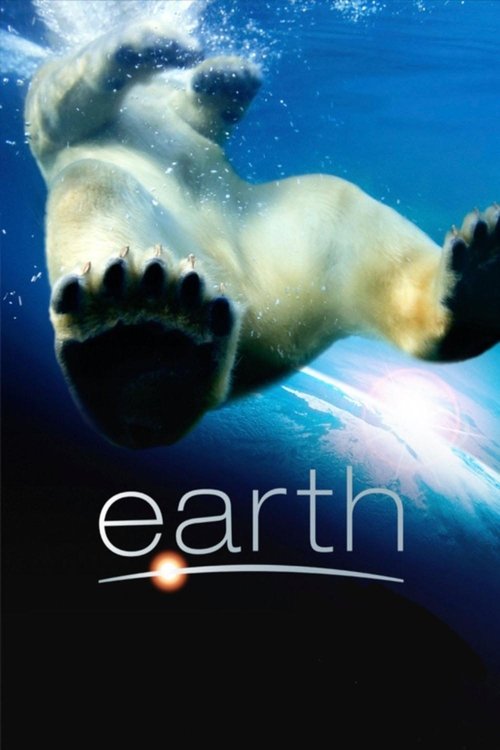
An epic story of adventure, starring some of the most magnificent and courageous creatures alive, awaits you in EARTH. Disneynature brings you a remarkable story of three animal families on a journey across our planet – polar bears, elephants and humpback whales.
David Attenborough chooses his ten favorite animals that he would most like to save from extinction. From the weird to the wonderful, he picks fabulous and unusual creatures that he would like to put in his 'ark', including unexpected and little-known animals such as the olm, the solenodon and the quoll. He shows why they are so important and shares the ingenious work of biologists across the world who are helping to keep them alive.
On 28 November 1979, an Air New Zealand jet with 257 passengers went missing during a sightseeing tour over Antarctica. Within hours 11 ordinary police officers were called to duty to face the formidable Mount Erebus. As the police recovered the victims, an investigation team tried to uncover the mystery of how a jet could fly into a mountain in broad daylight. Did the airline have a secret it wanted to bury? This film tells the story of four New Zealand police officers who went to Antarctica as part of the police operation to recover the victims of the crash. Set in the beautiful yet hostile environment of Antarctica, this is the emotional and compelling true story of an extraordinary police operation.
In September 2022, Bengaluru made national news when the IT hub region of Bellandur faced major flooding resulting in a nightmare for all its residents. The idea of the film is to explore the two main factors contributing to this - the area’s topography and the rapid urbanization interfering with the natural water network - using visuals of a sprawling, developing metropolis contrasted with that of the chaos and breakdown of essential services that happened during the floods.
What does it mean to lose a colour? Losing Blue is a cinematic poem about losing the otherworldly blues of ancient mountain lakes, now fading due to climate change. With stunning cinematography, this short doc immerses the viewer in the magnificence of these rare lakes, pulling us in to stand on their rocky shores, witness their power and understand what their loss would mean—both for ourselves and for the Earth.
Ice has always moved. When glaciation took hold some 34 million years ago, interconnected rivers of ice combined to produce the Earth's vast ice sheets. As temperatures slowly warmed glaciers developed a unique balancing act; advancing and retreating to calibrate their annual winter accumulation against summer melt. Sometimes calving colossal icebergs into the sea. A positive feedback loop that has regulated the movement of ice for millions of years.
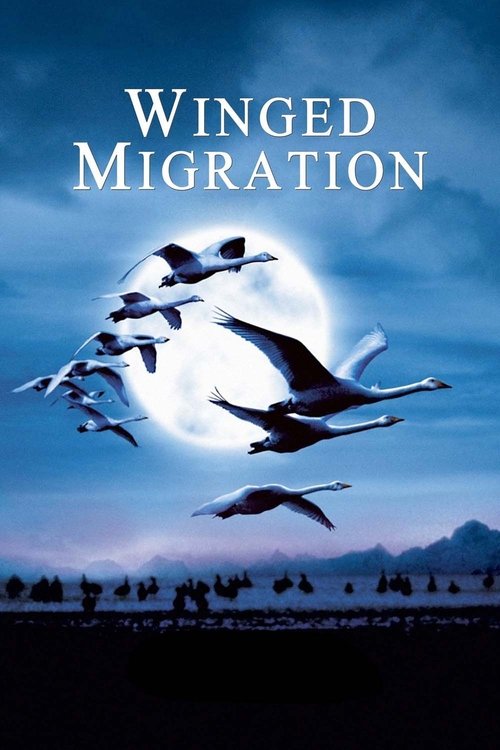
This documentary follows various migratory bird species on their long journeys from their summer homes to the equator and back, covering thousands of miles and navigating by the stars. These arduous treks are crucial for survival, seeking hospitable climates and food sources. Birds face numerous challenges, including crossing oceans and evading predators, illness, and injury. Although migrations are undertaken as a community, birds disperse into family units once they reach their destinations, and every continent is affected by these migrations, hosting migratory bird species at least part of the year.
In southern Germany, winter can still be admired in all its glory every year. With its white coat of snow and icicles and myriads of small crystals that look like geometric works of art. In the valleys and on the slopes the snow is still so thick every year that the alpine huts are snowed in up to the windows. Cows and dairymen are safe in their farms at lower altitudes. But not the wild creatures of the mountains! They need strategies to survive the cold season and to defy snow masses, cold and ice. And some seem to do it so easily that they even raise their young in the middle of winter. But how do animals, plants and fungi cope with the annually recurring ice age, which from our perspective is a time of need? The many adaptations in nature prove that winter is an integral part of the natural cycle of the year and the living environment of species. They are adapted to cold and frost. That is why the animals and plants at the edge of the Alps suffer particularly from climate change!
Herzog and cinematographer Peter Zeitlinger go to Antarctica to meet people who live and work there, and to capture footage of the continent's unique locations. Herzog's voiceover narration explains that his film will not be a typical Antarctica film about "fluffy penguins", but will explore the dreams of the people and the landscape.
Follow the shocking, yet humorous, journey of an aspiring environmentalist, as he daringly seeks to find the real solution to the most pressing environmental issues and true path to sustainability.