A film essay that approaches cinema as a water current, revisiting a body of previous essay films through the recurring image of water—rivers, seas, tides, and flows—to explore cinema as a fluid space of memory, movement, and transformation.
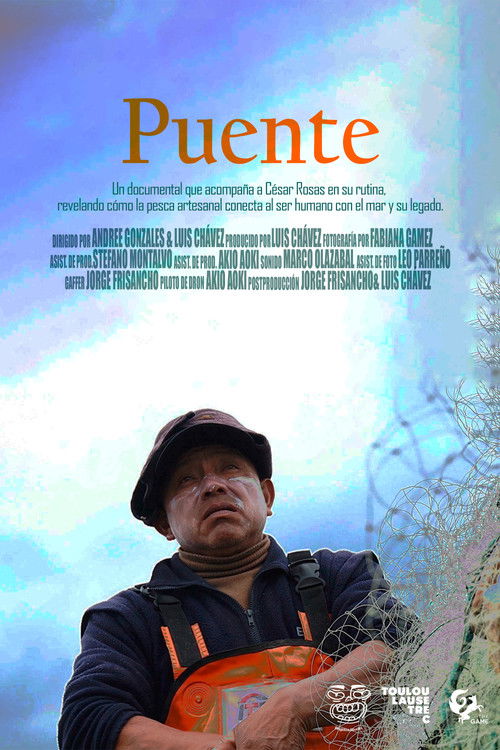
“Bridge” follows César Rojas, an artisanal fisherman from the Peruvian coast, as he reveals his daily routine, his spiritual relationship with the sea, and the resilience of a craft that endures despite modernization. Through observation, voice-over, and his own testimony, the documentary builds an intimate portrait in which the sea becomes a mirror of humanity.
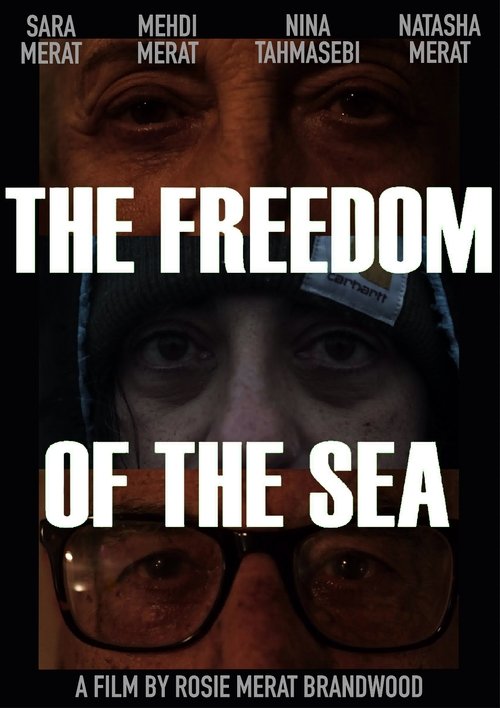
The Freedom of the Sea is a short documentary highlighting the freedom of living in the UK - in contrast to a more restrictive life in Iran - through the joy of daily sea swimming in Brighton.
Amie Siegel’s film installations often reveal the hidden narratives behind architecture and design, investigating the mechanisms by which objects, materials, and spaces accrue meaning and value. The Architects examines the processes of architectural creation, using the artist’s signature slow, parallel tracking shots to offer insight into the inner workings of multiple architecture firms, slicing through them laterally like an architect’s section plan... Siegel not only punctures the myth of the singular “master architect” but also poses questions around creative autonomy, the sociopolitics of labor, and the circulation of capital. (Source: MoMA)
In this new video essay, filmmaker Alexandre O. Philippe delves into the dread-inducing mood and tone of Kiyoshi Kurosawa’s modern horror classic Cure, deploying a dizzying range of cinematic references to unravel the film’s eerie magic.
Latest installment from the on-going collaboration between filmmaker Paul Clipson & musician Jefre Cantu-Ledesma. Paul's Super8 films, shot entirely in New York City, channel the blissed out states of color drenched psychadellia explored by Brakage as well as lovely black and white still life's that reminisce on Ozu's 'pillow shots' & Chantel Akermans monumental portrait of Pre-Giuliani New York 'Letters Home'. Jefre's music is culled from the same sessions that launched his 2007 release on Students Of Decay 'Shinning Skull Breath', (the two share a track in common). Billowy clouds of distorted guitar expand out into long passages of muffled static and fuzzed out melody.
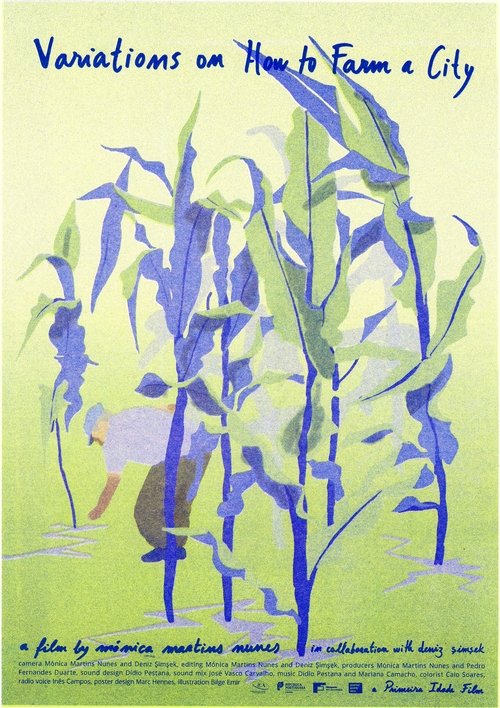
Sprout. In the vacant lots against the hammering of buildings always under construction, between walls of granite, cement and sheet metal with rust, moss and cats; on the hillside between the train and the river, next to the traffic on the highway, facing the subway, vegetable gardens sprout. In this city, the choreography of ancient gestures of cultivating the land is repeated day after day, without fail. Sowing, digging, harvesting, watering, eating, talking, resting and returning the next day. The longest day of the year brings S. João and nobody goes to bed, but when the sun rises, the discreet gestures of resistance will restart.
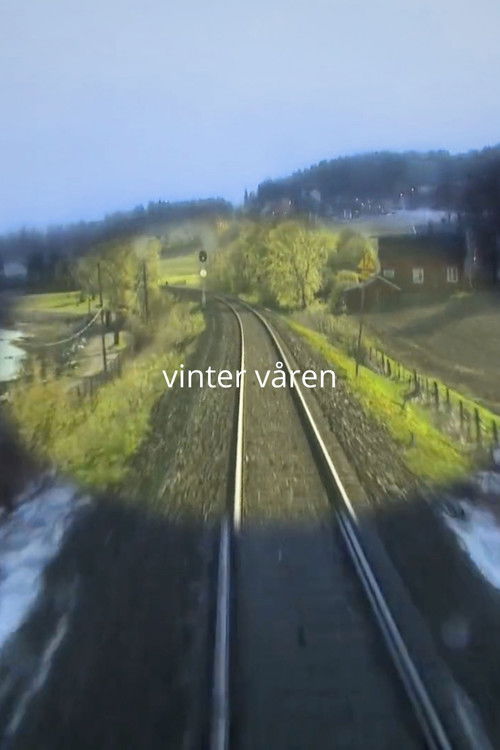
A train moves through winter as a superimposed image of the same route in spring gradually emerges. Both moments coexist within a single frame, revealing two seasons happening at once.
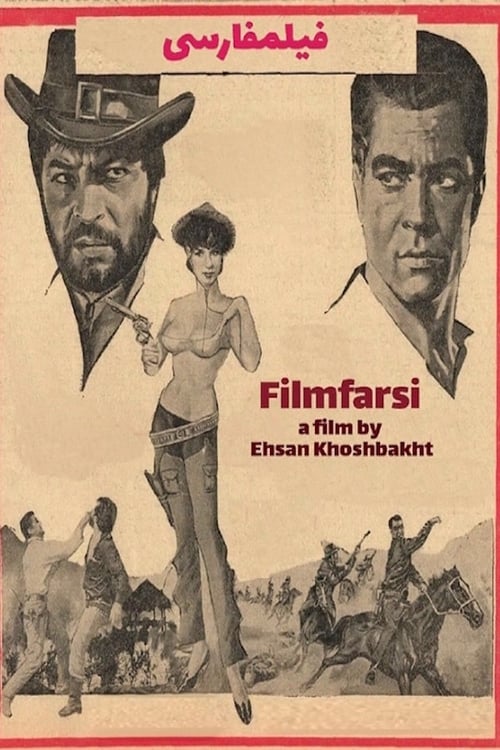
A found-footage essay, Filmfarsi salvages low budget thrillers and melodramas suppressed following the 1979 Islamic revolution.
The world’s museums are closed. What are you missing? Take a real-time walk through the Louvre towards the “greatest painting ever” and contemplate what it would be like to be there yourself.
A film of and through the trees. Leaves catch, consume and resist the light through the seasons.
Twenty-five films from twenty-five European countries by twenty-five European directors.
Through interspersed conversation and prose, this experimental documentary follows a poet and a neuroscientist as they explore the definition of love, what it means, and why it matters.
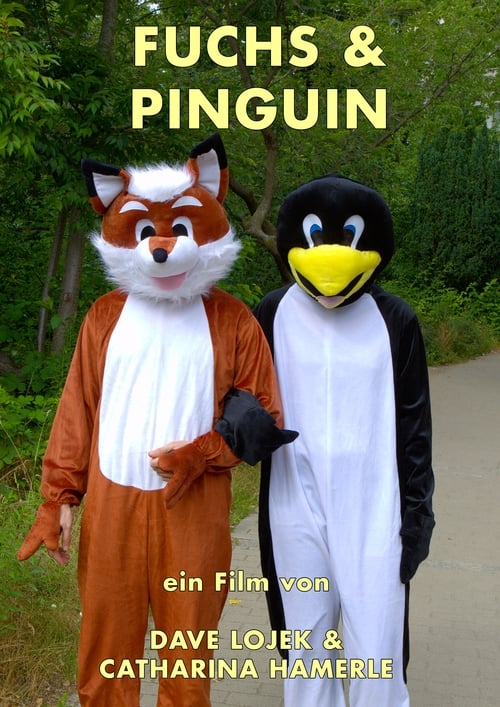
How do German couples communicate in private? What are they arguing about? Is the way to a man’s heart really through his stomach? This docu-fictional hybrid production discusses such questions with the help of authentic interview snippets that were edited under the staged plot. We get an insight into the life of an animal couple, who experience typical everyday situations on behalf of us humans. At first, our fox is emotionally contained, while the penguin lady may get wild as hell. With a wink, the filmmakers hold up a mirror to the audience in the cinema.
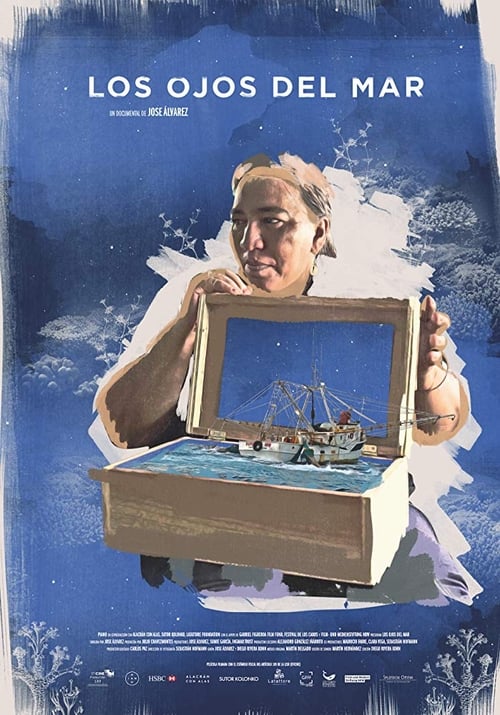
A woman with a troubled past embarks on a journey to deliver a message from the grieving families of fishermen lost at sea five years ago, at their last known location in the Gulf of Mexico. Her odyssey becomes one of personal redemption.
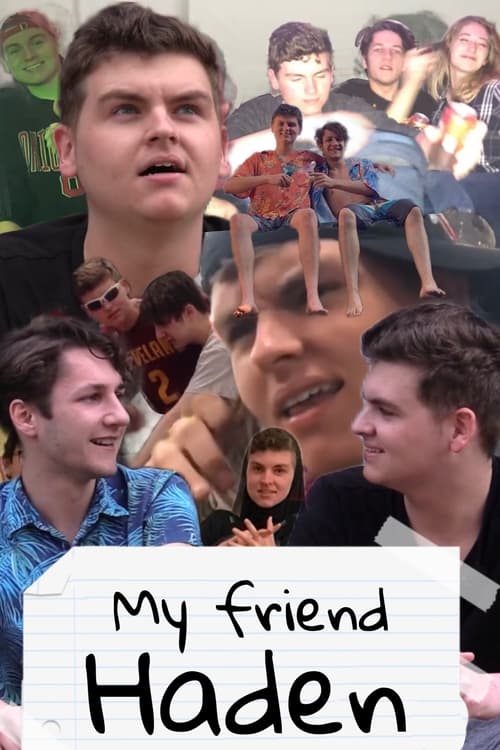
Documentary filmmaker Renton Hinderer takes a look back at his long relationship with one of his closest friends to understand the paths we choose in life, and how friendship is eternal through it all.
Using variations of color and light, this is a method that I attempted to translate how I feel for a special someone on her special day.