Recent discoveries in archaeology are exploding the myth of the Amazon as a primeval wilderness, revealing traces of ancient civilizations that flourished for centuries, with populations numbering in the millions.
Eileen Galindo
as Self - Narrator
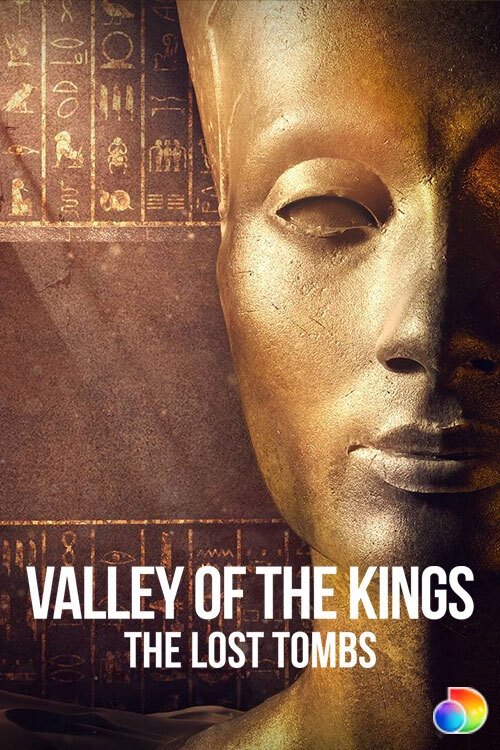
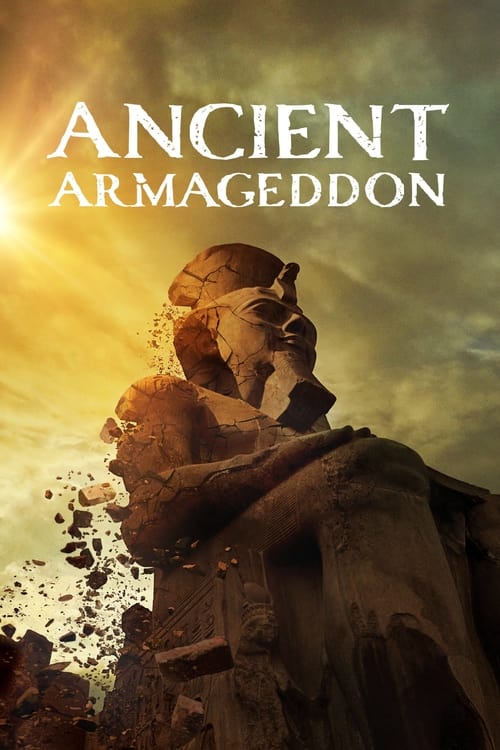
With over 60 tombs, the Valley of the Kings is the most-famous burial ground on Earth. In the biggest Egyptian excavation ever, a team of archaeologists led by Zahi Hawass heads into the Western Valley to hunt for evidence of an undiscovered tomb.
CARO Vapor II is an exercise in imagination and a redefinition of what Brazilian popular music can be nowadays. From Rio’s samba jazz transported to the streets of Conjunto São Pedro in Fortaleza to Baião meeting the productions of the Neptunes, the artist understands old musical proposals as dreams of possible futures, pillars in the construction of a country whose work remains unfinished. Digging through these ruins and working their echoes in the present, he dares to envision another future. The exercises of imagining the past that haunt us have been exhumed and rebuilt. While this unfolds sonically, Don L’s pen reinforces: the Global South is what matters. Don scrutinizes the aspirations of what it means to be Latin American nowadays, in a world where virtually all experiences are heavily filtered by the internet and those in power. Territorial construction is also mental, provoking the listener by repeating, in new terms, the question: how much of your dreams was advertising?
The site of what is believed to have been a 1,200-year-old village is located near Mesa Verde, Colorado. Recent discoveries at the site—located at Crow Canyon Archaeological Center—lead Time Team America to ask: Was this more than just a village? Was this concentrated settlement the scene of a turning point in human history?
The Trojan War: a universal myth, celebrated by the oldest known poet: Homer. A ten-year war, with its legendary heroes: Helen, Agamemnon, Priam, Hector, Odysseus, and Achilles... What if this war had really taken place? For centuries, the Trojan War was considered a myth, a story of the siege and eventual destruction of the ancient city of Troy. However, archaeological excavations conducted in Turkey in the second half of the 19th century yielded surprising discoveries. Heinrich Schliemann discovered the so-called Priam's Treasure, which indicated the existence of an advanced civilization during the period described by Homer.
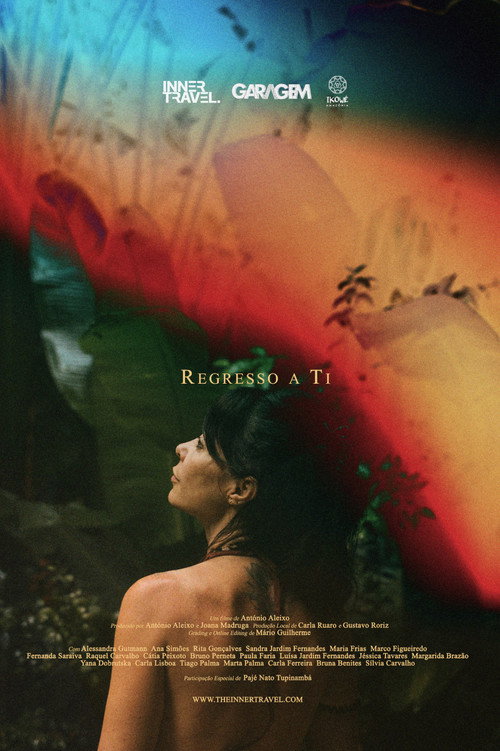
One year after our first journey to the Amazon, we return not only to a place, but to a way of living. Through physical challenges and unexpected discomfort, this film captures a quiet process of transformation. A story about moving through discomfort to uncover an inner strength. More than a journey, a confrontation. More than a retreat, a return.
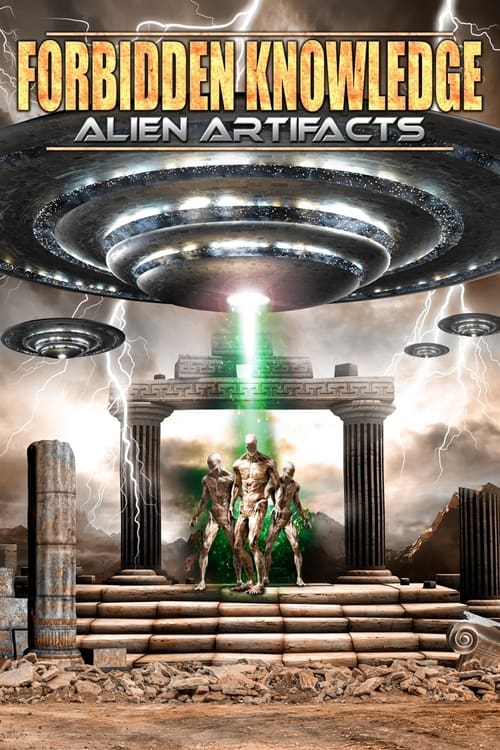
Shocking new evidence of highly advanced civilizations mounts as previously unexplored regions of the earth reveal mind boggling artifacts that defy all convention and utterly mystify today's academic and scientific factions. It's clear there are massive gaps between our current understanding of the cosmos and the origins of humanity and that of ancient civilizations that existed before "recorded history". Experience unprecedented relics and artifacts that force us to re-evaluate the mainstream dogma of who we are and where we came from.
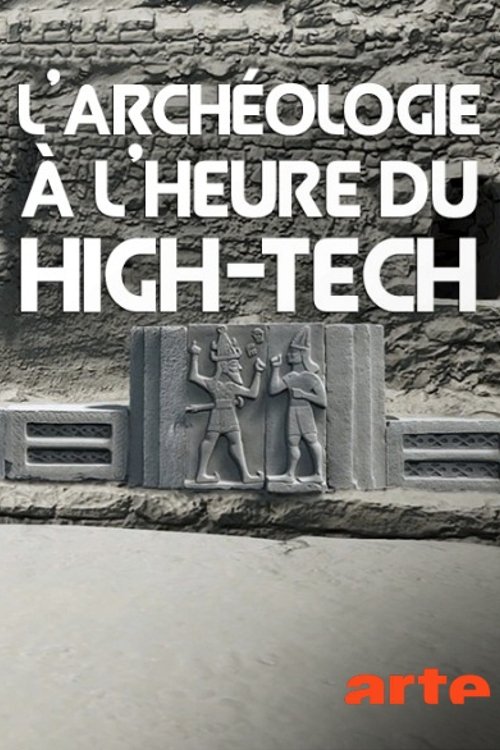
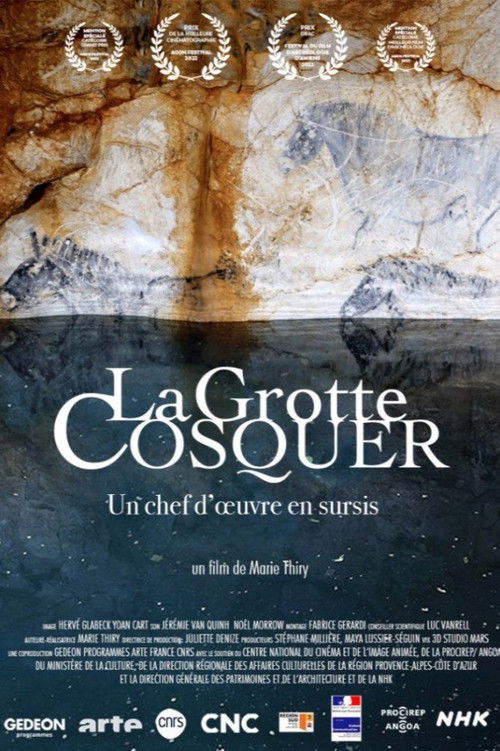
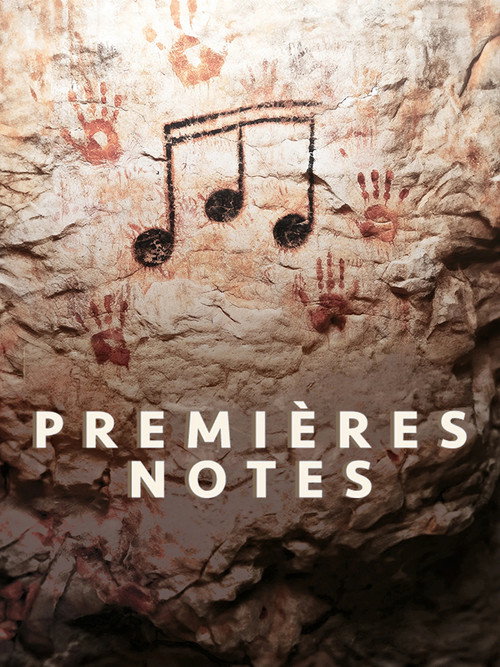
A short distance from Marseille, at Cape Morgiou, in the depths of the Calanques massif, lies the Cosquer cave, discovered only about thirty years ago by a diver, Henri Cosquer. With its bestiary of hundreds of paintings and engravings - horses, bison, jellyfish, penguins - the only underwater decorated cave in the world allows us to learn a little more about Mediterranean societies 30,000 years ago. Today, threatened by rising water levels accelerated by global warming, this jewel of the Upper Paleolithic is in danger of being swallowed up. To save the cave from disappearing, the Ministry of Culture has chosen to digitize it. From this virtual duplicate, a replica has been made on the surface to offer the public a reconstruction that allows them to admire these masterpieces.
This explores the mysterious and catastrophic collapse of ancient civilizations during the late Bronze Age, from the Hittites to the Mycenaeans and the Egyptians, revealing the tumultuous events that brought an end to a thriving era of human history, and warns we may be facing similar threats today.
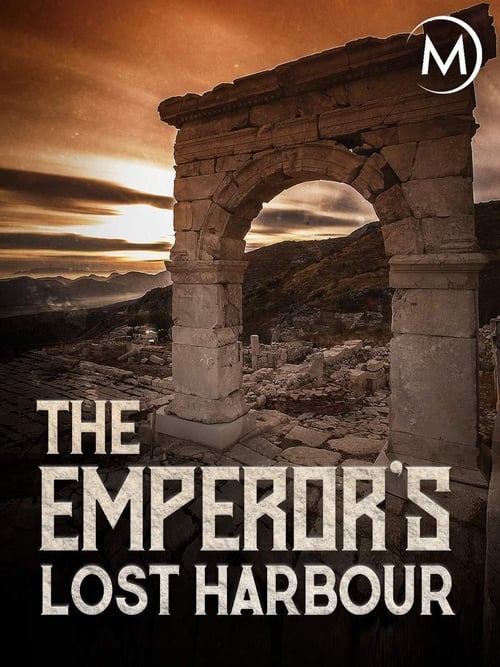
In the heart of a metropolitan city of 15 million people and among the construction of a new billion-dollar transportation network, an archaeological sensation has been discovered: the ancient harbour of Theodosious, lost from the history books for over 1000 years.
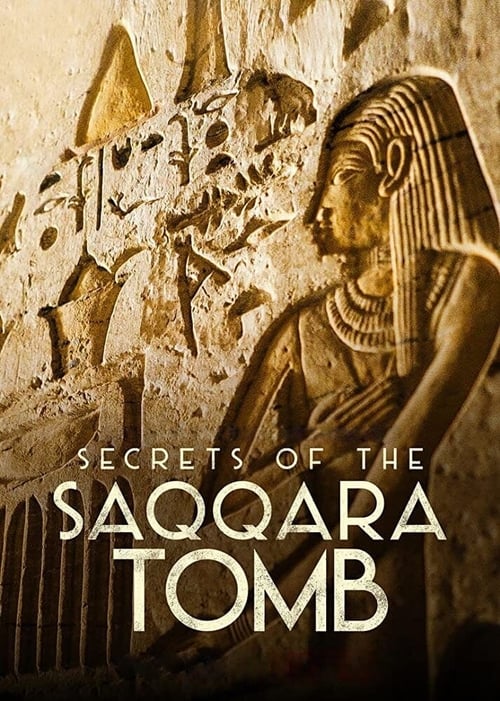
This documentary follows a team of local archaeologists excavating never before explored passageways, shafts, and tombs, piecing together the secrets of Egypt’s most significant find in almost 50 years in Saqqara.
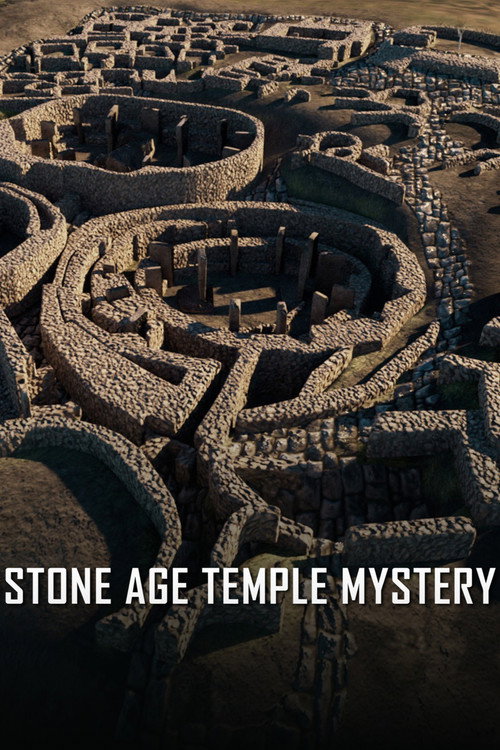
On a remote hillside in modern-day Turkey sits Göbekli Tepe, the oldest temple on Earth. For centuries, archaeologists believed it was a religious center built by nomadic hunter-gatherers before the rise of civilization. But groundbreaking new evidence reveals that a sophisticated community of settled hunter-gatherers, not nomads, lived here year-round for centuries. This startling discovery could be the missing link in humanity's momentous transition from hunting to farming. Follow experts as they use new digs and shattered skulls to piece together a captivating story that could forever change our understanding of the roots of civilization.
The story of a poor girl who leaves her starving family and sheep for a more prosperous village. Her grandfather finds her and tries to convince her to return to her home.