Daniel Padilla González
as Dios
Xin
as Dueño de restaurante chino
María
as Dependienta de panadería
Monserrat
as Abuela devota
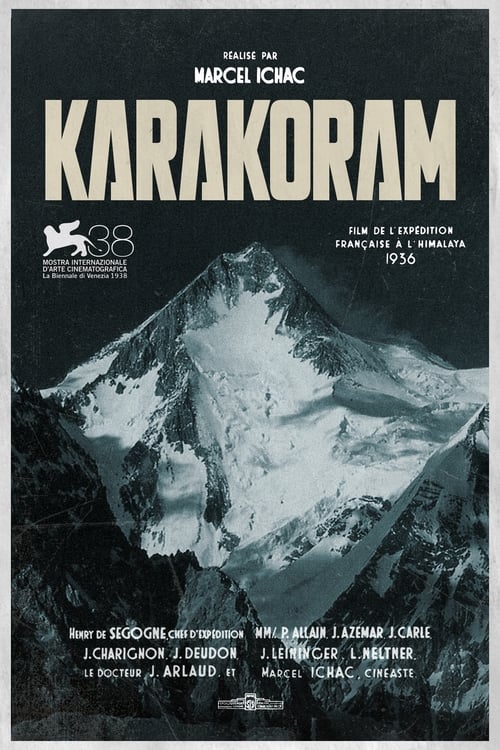
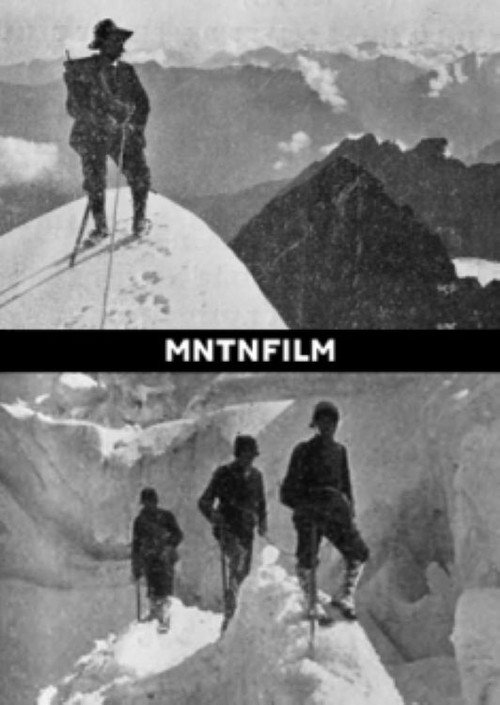
Account of the first French expedition to the Himalayas, which attempted to climb the hidden peak (Gasherbrum I) in 1936, from the preparations for the trip to the end of the ascent. After a long approach walk through quasi-desert regions, then on a huge glacier, the caravan of 700 porters arrives at the foot of Hidden Peak. The expedition was led by Henry de Ségogne, with Jean Charignon, Pierre Allain, Raymond Leininger, Jean Carle, Jean Deudon, Louis Neltner, Jacques Azémar, doctor Jeand Arlaud and director Marcel Ichac. Weather conditions, logistical problems and a strike among Sherpas forced the team to retire at 6900m on the south face. The film received the Silver Lion at the Venice Film Festival in 1938.
Documentary on one of the first editions of the Trofeo Mezzalama, the highest ski mountaineering race in Europe, at more than 4,200 meters above sea level, which takes place on the glaciers of Monte Rosa, from Breuil to Gressoney-La-Trinité, crossing the summits of Castor (4,199 meters) and Nez du Liskamm (4,100 meters). The film recounts the last hours of feverish preparation before the start, the teams preparing for the race linked in ropes, then follows the stages of the competition by following the groups of skiers from a plane. Created in 1933, the Trofeo Mezzalama was contested until 1938, before falling into oblivion during the war. A second version was organized from 1970 to 1973. A third biannual version has been organized since 1997.
A scenic documentary record of a climb up to Mount Assiniboine, the 'American Matterhorn' in the Canadian Rockies.
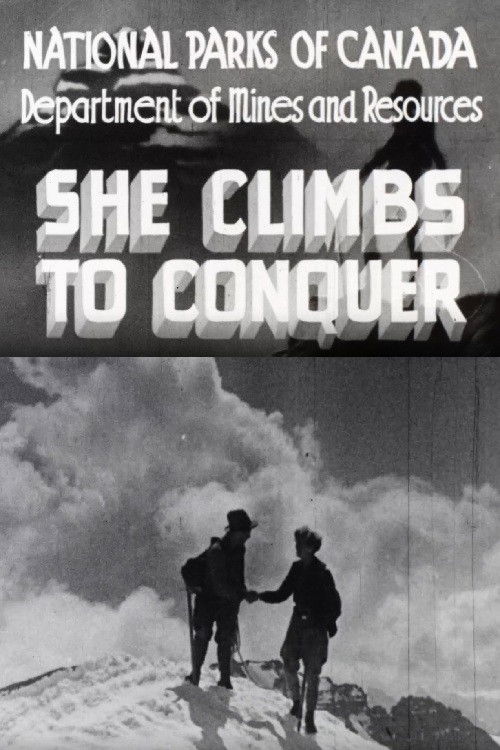
"She Climbs to Conquer" shot by W.J. Oliver, was a noteworthy film which gained well merited acclaim. Made in 1933 it pictured the climb of Georgia Engelhard, a professional mountain climber, from Abbot's Pass to the peak of Mount Victoria.
A group of men shows the 'before and after' physical effects of a journey upon the Mount Aspiring area. Mount Aspiring (9,960 ft.), known as the Matterhorn of New Zealand, together with Mount French, mark the end of the Otago and Westland regions. The movie does not show scenes of the climbing itself, but collects the testimonies of the members of the group, led by Jack Aitken. The other members are Bill Young, Stewert J. Macdonald, Victor Bowden, and Roland Ellis.
The ascent of the Wetterhorn by Frank Ormiston-Smith accompanied by the guide Christian Bergener, Rev. H. J. Heard, Mr. E Burchell-Rodway from the Alpine Club, and the hotelier Herr Fritz Boss from Grindelwald. The film consists of 24 scenes including a final scene of the team on the summit. The film starts with the climbers and the guide leaving the Bear Hotel, at Grindelwald. Later the party arrives at the Wetterhorn Hotel, at the mountain base. They climb the Milchbach Ladders to gain the top of the glacier, cross the Seebach Platte and the upper glacier, and pass the night at the Mountain Inn. Next morning they overcome the Great Coulvu and gain the arete to finally reach the summit. Sections of the film are tinted to give the effects of dawn, sunset and rose-glow actually experienced during the climb.
A documentary that brings together personal memories and rare footage of the nightclub that operated in Copacabana from 1984 to 1989. Featuring interviews with DJs, staff, and patrons of Crepúsculo de Cubatão, the film explores the influence of British culture on the music and behavior of young people who were then labeled “darks.” More than simply telling the story of a venue, the documentary reveals the origins and behind-the-scenes dynamics of the vibrant cultural scene in Rio de Janeiro that emerged during Brazil’s political opening.
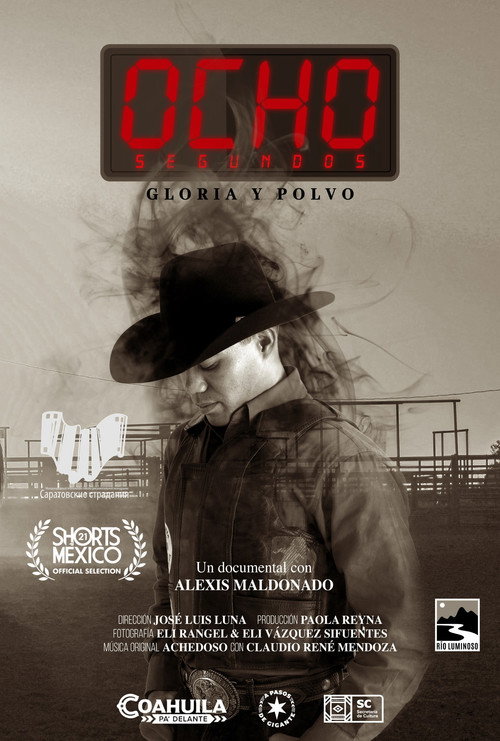
Alexis Maldonado, a rodeo rider from northern Mexico, reviews his triumphs and failures as he tries to take back control of his life and career.