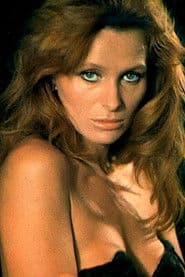
An interview with Blanc about her first real leading role here, her fond memories of her fellow cast members and director, the most vivid memory of having to kiss Gordon Mitchell, and her affinity for making horror
Erika Blanc
as Herself
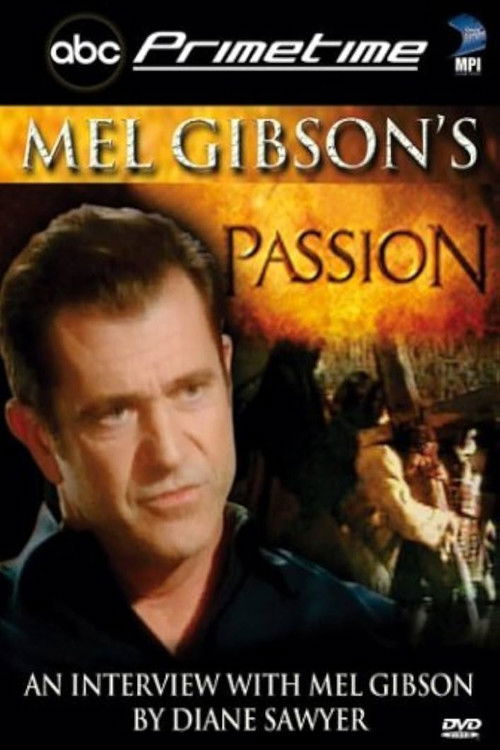
In this special edition of Primetime, ABC News' Diane Sawyer interviews filmmaker Mel Gibson about his highly controversial movie, ""The Passion of the Christ."" He responds to charges that the movie's portrayal of the Jewish role in the death of Christ will encourage anti-Semitism. He also elaborates on comments he's made about the Holocaust. In addition, Gibson tells why he felt it necessary to exhibit such a graphic depiction of Christ's crucifixion on film and discusses his decision to tell the story in Aramaic and Latin.
Two friends walk and draw circles. It is what it is, idizwadidiz, c’est ce que c’est, seskecé. Nice weather.
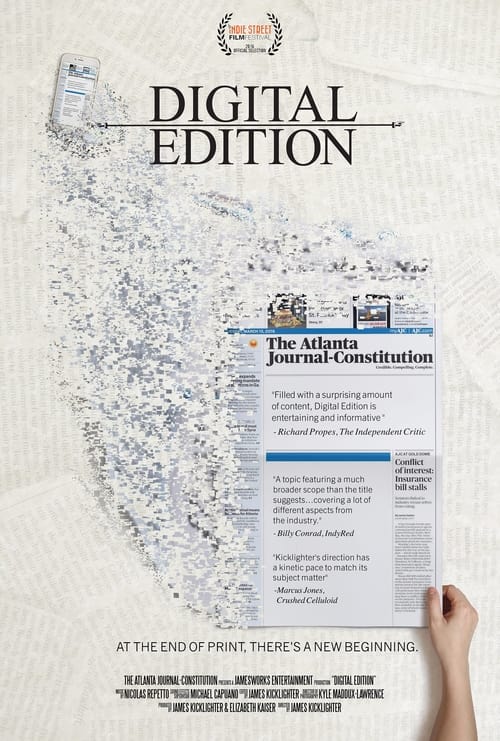
In the midst of a publishing revolution, The Atlanta Journal-Constitution, one of America's most storied institutions of journalism, is experimenting with new tools to tell stories in preparation for the end of print in the digital era.
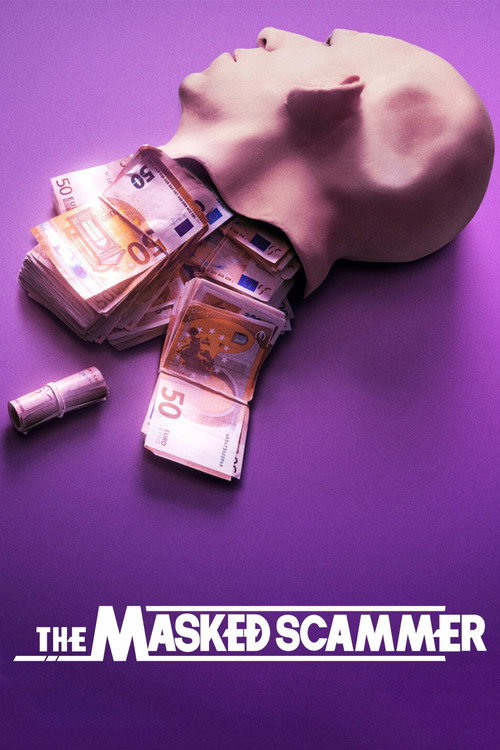
Featuring interviews with his accomplices and victims alike, this deep dive explores how a master con man scammed French elites out of millions of euros.
A self portrait filmed with a modified PXL 2000 Camcorder. The camcorder itself records on to audio cassette tape. The tapes themselves are recycled which means I have recorded over them several causing them to slowly degrade.
The Irreversible Odyssey is a retrospective documentary featuring interviews with Gaspar Noé, actors Monica Bellucci, Vincent Cassel and Albert Dupontel.
St. Ives and the painters based in the town, and the surrounding areas, are showcased in this fascinating documentary.
A video for the Museum of Modern Art #ItemsMoMA screened at the Items Abecedarium. Mixture of original and archive footage.
What do Bingo and Sponge Bob have in common? Dusan, an eight year old boy trapped in limbo between two polar opposite worlds, spends his time amongst gambling adults in a casino while his imagination is captivated by children's television series. When does one grow up? Let's play and find out!
.TV is a found footage essay film: Voicemails left by an anonymous caller from the future guide us to the remote islands of Tuvalu, a place the global media has described as “the first country to disappear due to rising sea levels”. Surrounded by thousands of miles of open water, much of Tuvalu’s revenue comes from its country-code web extension .TV, a popular domain choice among global video-streaming and television industries. The caller describes how heat, digital screens, and distance gave him no choice but to leave his sinking home and escape into cyberspace where rising waters will never reach him.
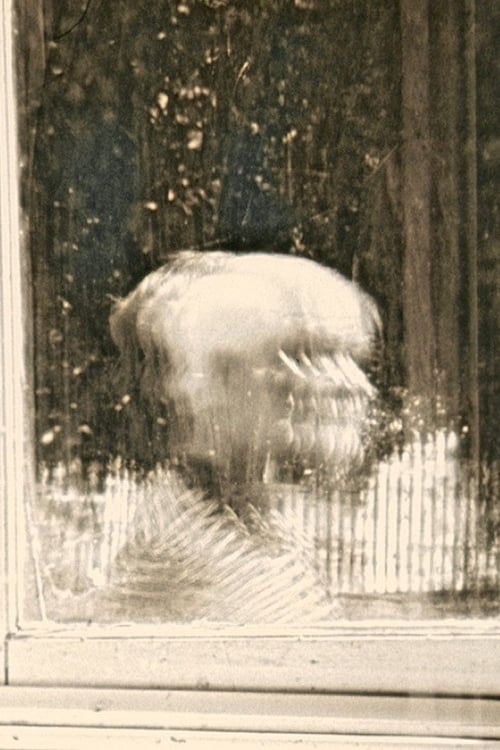
A series of cinematic portraits shot in domestic spaces in a former gold mining town in New Zealand expand into a tapestry of glistening natural light and vaporous movement, created via a painstaking process of in-camera layering effects.
The constant movement of the wheels, threads, sprockets, feet and hands suggests restlessness, and this is paralleled by the soundtrack. The unknown woman could be Gretchen from Faust, hopelessly in love or Ariadne who gave Theseus the thread to find his way out of labyrinth or perhaps she is one of the fates, weaving destiny… Enlarged from Super-8 to 35mm, the film is very grainy, in itself an homage to the medium of film which is also emphasized by the depiction of all kinds of turning machines, both in image and sound.
This Emmy-nominated TV special highlights rare performance footage filmed between 1968 and 1969 at various US venues and locations, including the Westbury Music Fair, The Village Gate, and RCA Studios in New York City. Also featured are candid and personal interviews with Nina herself, revealing her unique views on music and life -- all expressed with her trademark intensity.
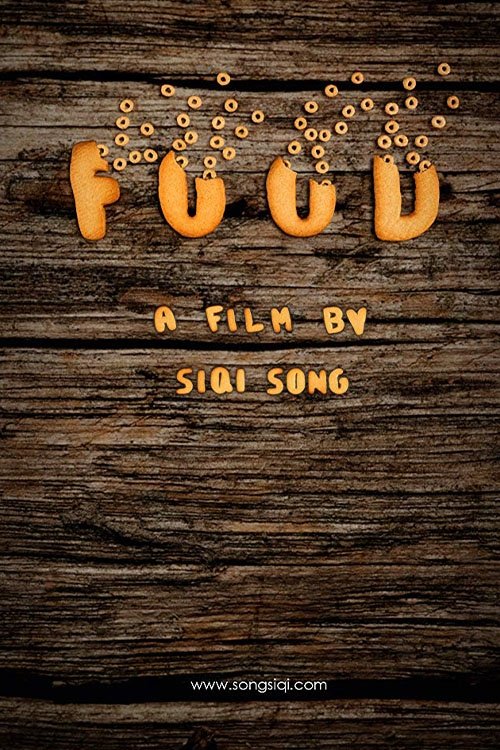
This is an animated documentary about FOOD! I interviewed vegetarian, vegan, pescetarian and meat eater about their opinions about food and life choices. Then I animate real food with stop-motion technique based on the interviews. By putting the conversations in different context, the food speak for themselves.
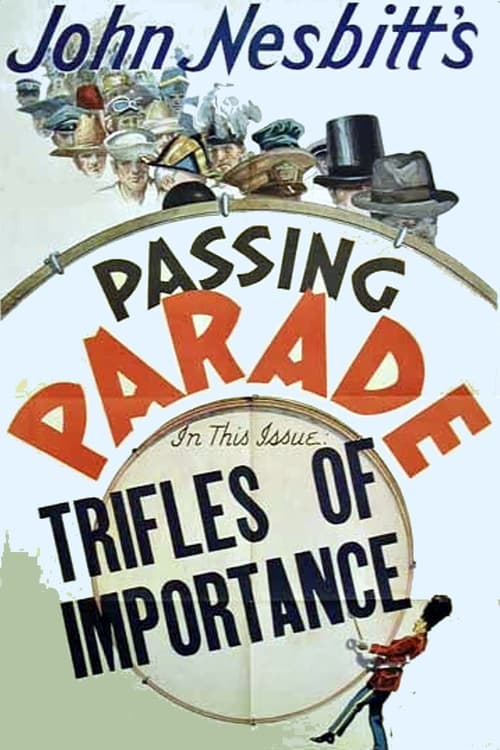
Part of John Nesbitt's Passing Parade series, this short shows how three seemingly unimportant things can affect people. The first is how the number 7 affects a student accused of theft charges. The second segment shows that a person's doodles can reveal personality traits. The final segment shows why certain items are on men's suits, such as lapels.