In the midst of a publishing revolution, The Atlanta Journal-Constitution, one of America's most storied institutions of journalism, is experimenting with new tools to tell stories in preparation for the end of print in the digital era.
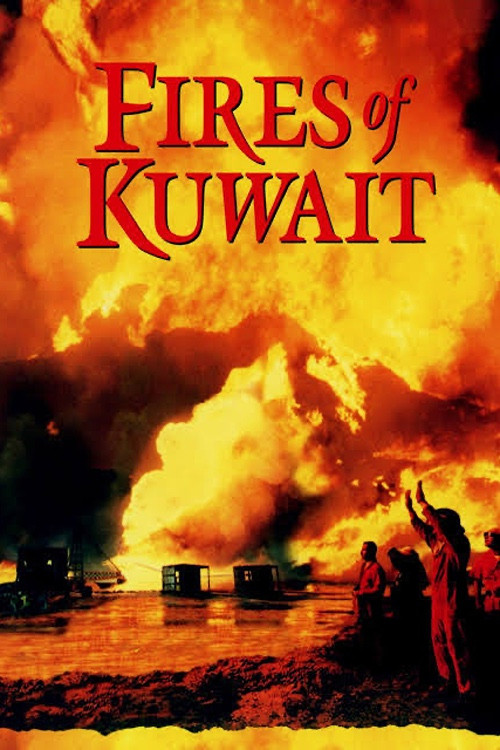
After Saddam Hussein had the Kuwait Oil wells lit up, teams from all over the world fought those fires for months. They had to save the oil resources, as well as reduce air pollution. The different teams developed different techniques of extinguishing the fires. Man's emergency creativity can be seen at it's best.
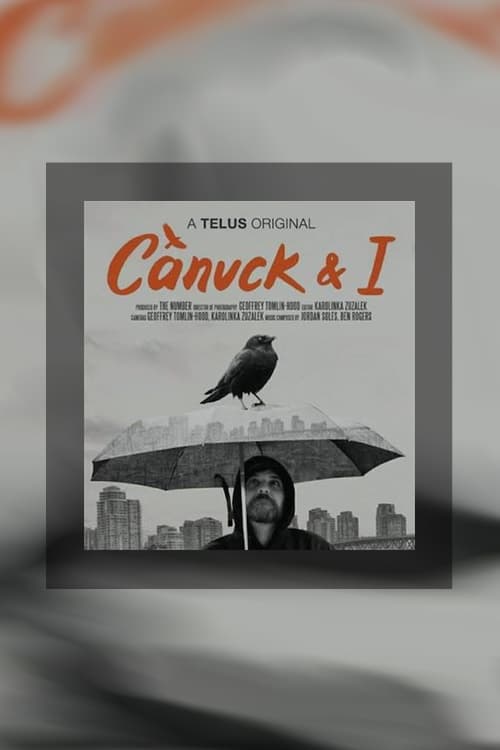
Meet Canuck – a wild crow who formed an unlikely bond with his human friend, Shawn. The mischievous crow has captured the hearts of Vancouverites and garnered global attention through his antics.
There were two wars in Iraq--a military assault and a media war. The former was well-covered; the latter was not. Until now... Independent filmmaker, Emmy-award winningTV journalist, author and media critic, Danny Schechter turns the cameras on the role of the media. His new film, WMD, is an outspoken assessment of how Pentagon propaganda and media complicity misled the American people...
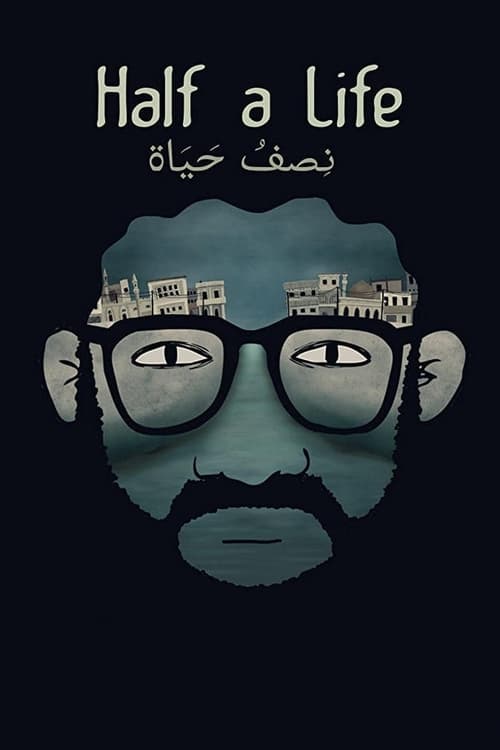
After a traumatic encounter, a young gay Egyptian joins the LGBT rights movement. When his safety is jeopardized, he must choose whether to stay in the country he loves or seek asylum elsewhere as a refugee. "Half a Life" is a timely story of activism and hope, set in the increasingly dangerous, oppressive, and unstable social climate of Egypt today.
Six fearless surfers travel to the north coast of Iceland to ride waves unlike anything they've ever experienced, captured with high-tech cameras.
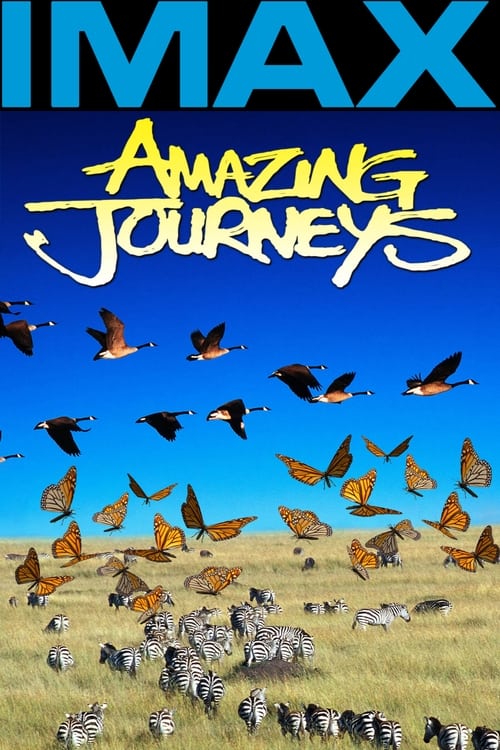
By land, by air, and by sea, viewers can now experience the struggle that millions of creatures endure in the name of migration as wildlife photographers show just how deeply survival instincts have become ingrained into to the animals of planet Earth. From the monarch butterflies that swarm the highlands of Mexico to the birds who navigate by the stars and the millions of red crabs who make the perilous land journey across Christmas Island, this release offers a look at animal instinct in it's purest form.
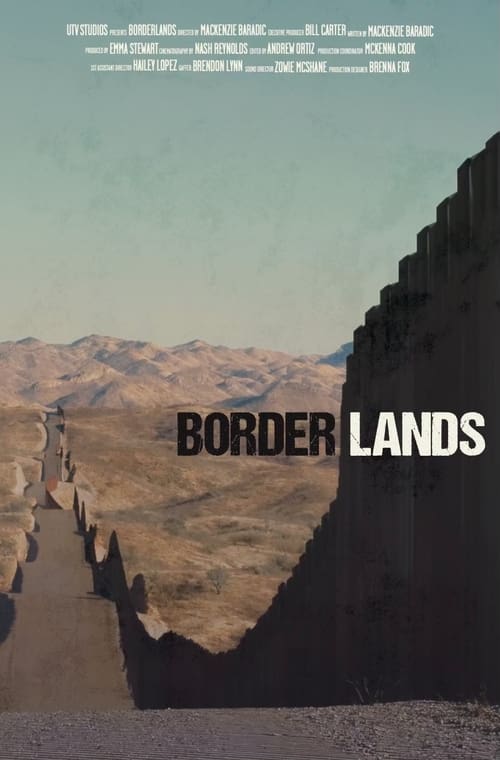
Fleeing the 1980 Civil War in El Salvador, Dora Rodriguez, among a group of twenty-five asylum seekers, were abandoned by their guide and left to fend for themselves in the relentless Sonoran desert of Arizona.
Made on a wind-up Bolex camera, The Sound of Seeing announced the arrival of 21-year-old filmmaker Tony Williams. Based around a painter and a composer wandering the city (and beyond), the film meshes music and imagery to show the duo taking inspiration from their surroundings.
Hot Spots: Martin Parr in the American South, a thirty minute documentary short, examines the photography of Magnum's most controversial and prolific member as he gathers images for his first commission by a major American art museum, the High Museum of Art in Atlanta. From the first shot at the Cactus Car Wash to the unusual travel tip offered to Martin at the Atlanta Steeple Chase six months later. Psychobillys, tailgate partiers, roller derby teams, art collectors and gamblers...Martin Parr's energy and x-ray vision burn through the South like a modern day William Hogarth's. The film features interviews with Susan Meiselas, Philip Gefter, John Gossage and Julian Cox. Hot Spots shows us Martin Parr at his most outrageous.
Rites and operation of the circumcision of thirty Songhai children on the Niger. Material of this film has been used to make "Les Fils de l'Eau".
It arises from the nostalgia for a place that witnessed the growth of two generations, but is now abandoned, awaiting its prompt demolition.
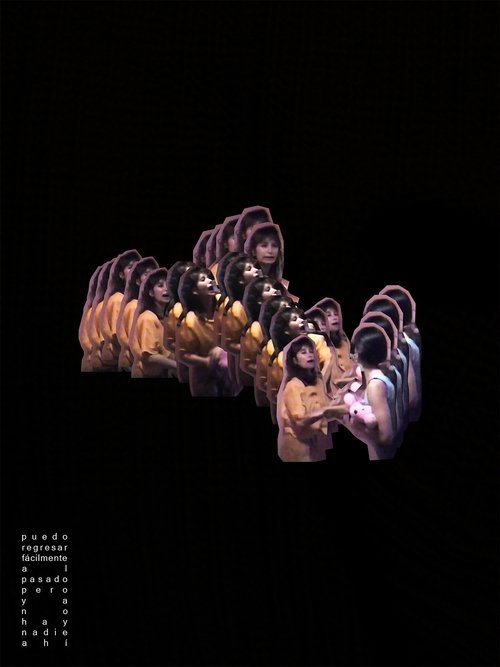
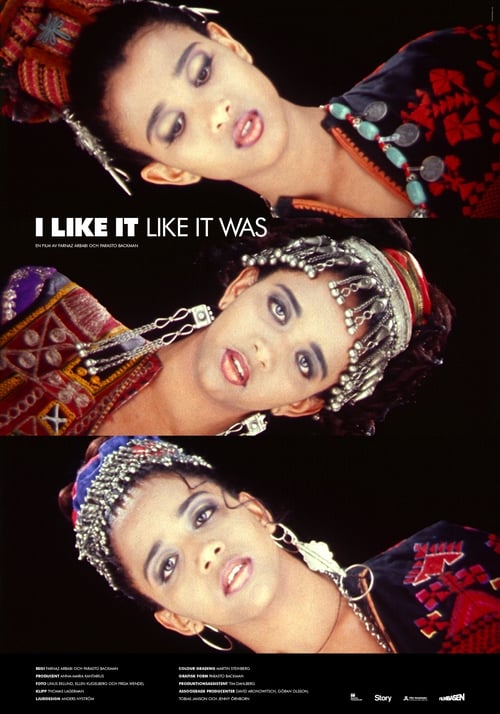
In 1991 three teen girls called Midi, Maxiand Efti became celebrities over night and the suburb Akalla was suddenly known all over Sweden. Fifteen years later two old friends try to make a film about the phenomenon. But Midi, Maxi and Efti no longer have contact, and they are not at all interested in talking about the past. A melancholically journey to the past by two friends who have a hard time letting go. "I like it like it is and I like it like it was but I'm not so sure any more any any more..." From the song "Bad Bad Boys" by Midi, Maxi & Efti.