Micaela Neves
as Micaela Neves
Faustina Avelino "Tía Tina"
as Faustina Avelino "Tía Tina"
Barisan Jiwa Doraka reveals the reality of bajidoran dancers within contemporary art by reinterpreting and reworking the male gaze as a critique of cultural norms and the roots of harassment that haunt artistic spaces. This documentary is an effort to preserve identity and resist objectification on stage by exposing the phenomena experienced by bajidoran dancers.
From the sexy, savage Cornish May Day rites of Alan Lomax's Oss Oss Wee Oss, to Jeremy Deller and Alan Kane's footage of ferociously fought traditional football; from children's games in London's bombed East End to intricate sword and step dances, this collection of poetic documentaries, long unseen television reports and rare silent film footage reveals just how powerful and enduring the folk traditions of Great Britain have always been. The silent films feature innovative fiddle and melodeon accompaniments by contemporary folk musicians.
Documentary by Stig Wesslén, commenced in 1942 and ended seven years later. Here he shows human and animal, and follows the nomadic life in an old culture.
Hours and historical meetings, Pierre Assouline has composed an anthology of the best extracts presented in the form of a primer, which he had commented on by a surprised Bernard Pivot.
The French controversial author Gabriel Matzneff talks about film/cinema and his taste and flavors, without editing or interruptions. Among a lot of favorable experiences Matzneff mention "The Boy with Green Hair" (1948) by Joseph Losey, "Salò, or the 120 Days of Sodom" (1975) by Pier Paolo Pasolini, and directors/auteurs like Marcel Carné and Orson Welles.
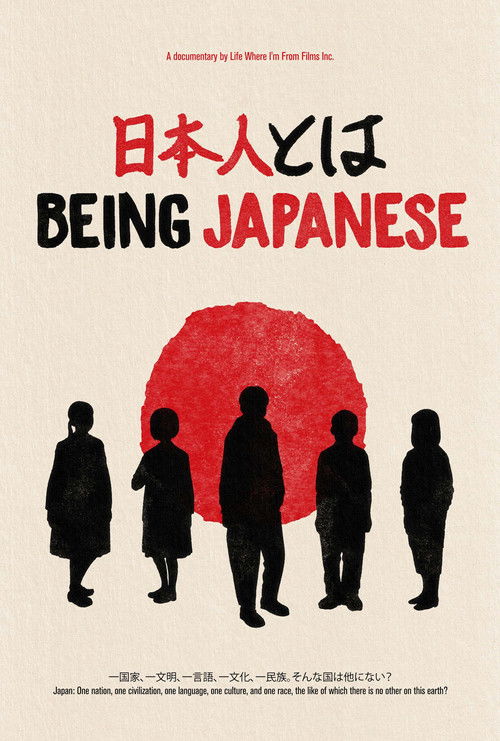
A documentary exploring what it means to be Japanese.
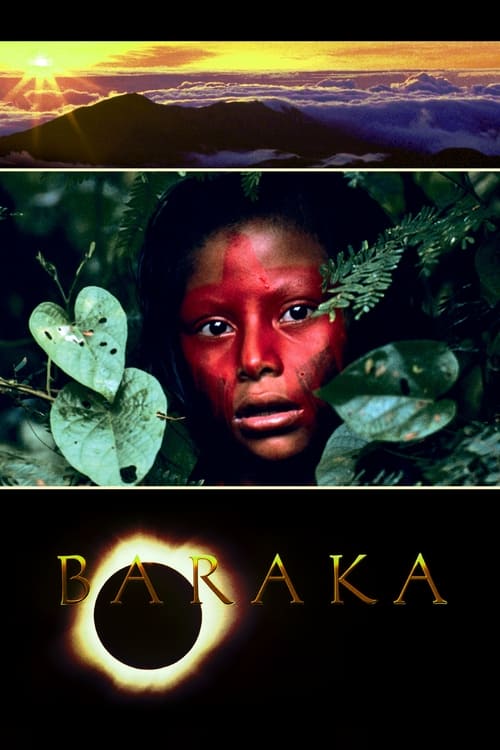
A paralysingly beautiful documentary with a global vision—an odyssey through landscape and time—that attempts to capture the essence of life.
Filmed in Cordoba, Granada, Seville, and Toledo, this documentary retraces the 800-year period in medieval Spain when Muslims, Christians, and Jews forged a common cultural identity that frequently transcended their religious differences, revealing what made this rare and fruitful collaboration possible, and what ultimately tore it apart.
“Te Pito o Te Henua” (The Navel of the World) tells the story of the community behind Rapa Nui’s largest and most colorful annual Indigenous celebration, the Tāpati Rapa Nui Festival. Honoring ancient rites and competitions, Rapa Nui families participate in nine days of athletic feats, cultural demonstrations and ceremonies paying respect to the land, water and other natural beings of the island. They also crown a Queen to represent her people for a year throughout Polynesia and on the world stage. The film traces the journey of 19-year-old candidate Vaitiare and her family as they join work to earn her the crown and represent this small but well-known island as its people fight for increased autonomy and recognition on the world stage. Through intimate character portraits, behind-the-curtain moments and heartfelt musical performances, “Te Pito o Te Henua” reveals the true meaning of Tāpati and the deep connections the Rapa Nui share with their lands and waters.
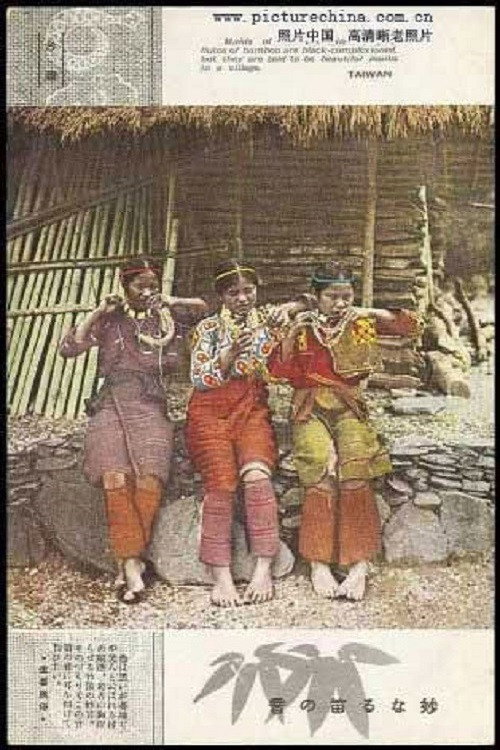
An insight into the Indigenous culture and traditions in Taiwan, from clothing, tattooing, art and music to tourist destinations.
Images of Argentinian companies and factories in the first light of day, seen from the inside of a car, while the director reads out documents in voiceover that reveals the collusion of the same concerns in the military dictatorship’s terror.
87-year-old Greek immigrant Koula Agiostratitis recounts how her husband Theo’s dementia diagnosis affected their six-decade-long marriage. Through Koula and her daughters, Vivian and Phyllis, we witness how their once music-filled home is transformed by what the family describes as “the longest goodbye.” This intimate portrait of love, caregiving and cultural duty reflects on how memory loss reverberates beyond the individual to reshape the fabric of family and culture.
Follows the waves of literary, political, and cultural history as charted by the The New York Review of Books, America’s leading journal of ideas for over 50 years. Provocative, idiosyncratic and incendiary, the film weaves rarely seen archival material, contributor interviews, excerpts from writings by such icons as James Baldwin, Gore Vidal, and Joan Didion along with original verité footage filmed in the Review’s West Village offices.
Mother India is home to many castes, tribes and religions and one common factor that brings this diverse country all together is Jewelry. Come explore the deep history and culture of the jewelry of India dating back more than 5000 years. As we explore the history we also take you into Bangalore, India and talk to local Jewelry Stores and Jewelry Artisans as they share their stories and their family history of their involvement in jewelry going far back into their family ancestry.