A burning wagon is dragged from the barn by the firemen, and four horses are rescued from the flames by the stablemen. Thick volumes of smoke pour from the doors and windows. (Edison catalog)
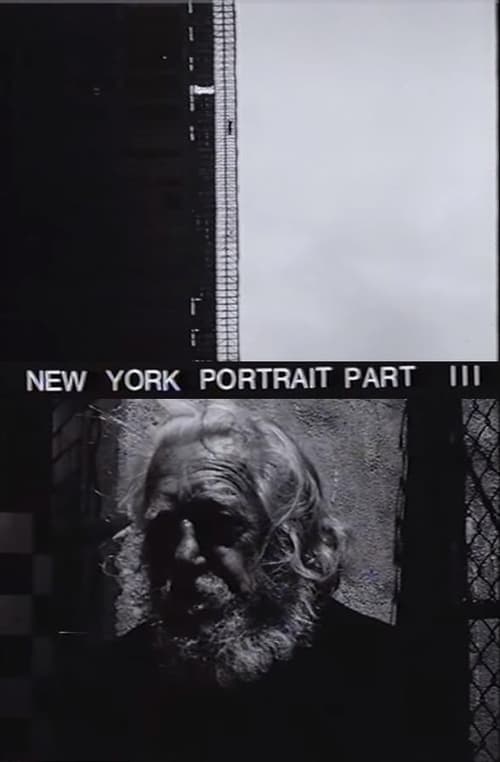
"[Hutton’s] latest urban film, New York Portrait, Chapter III, takes on a unique tone in relation to Hutton’s ongoing exploration of rural landscape. The very fact that Hutton is dealing with older footage, with archives of memory more than immediacy, gives it a different texture than his earlier New York films. Hutton always found the presence of nature in the city, not only in his many shots of sky and vegetation, but also in the geometry and texture of the city itself, which seemed to project an independence from the human." (Tom Gunning)
An account of the journey that King Alfonso XIII of Spain made to the impoverished shire of Las Hurdes, in the province of Cáceres, in the region of Extremadura, in 1922.
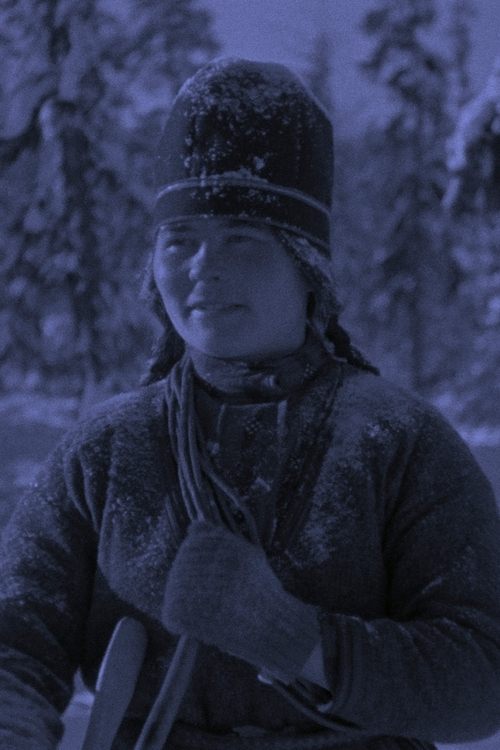
Everyday wintertime life of Sámi reindeer herder Inka Länta and her family, mingling authentic and fictionalized takes.
Modern Americans think that the movies learned to talk in 1927 when Al Jolson opened his mouth in THE JAZZ SINGER, but sound pictures had a much longer history. Edison envisaged combining the phonograph with motion pictures even before they had been perfected and there is a test sequence from 1895. By the time this 'phonoscene' had been made, Alice Guy had been directing a series of them and there was a series in production in Germany, too. Yet true synchronization remained a problem, what with records wearing out and film breaking until the perfection of sound on film itself.
The subject is two grotesque-looking human beings who are sitting on the deck of a ship. The two weird individuals sit cross-legged and do the bidding of a man in oriental costume. The point of the film seems to be directed at the fact that the bone structure of the two subjects makes them look like monkeys or apes, and the spectators seem to be trying to get them to behave like monkeys, that is, scratch themselves, etc.
Reel 1, an oil field is located, drilled, brought in, and pumped. Shows the Garber Field in Oklahoma. Reel 2 shows how pipe is laid and cleaned. One section crosses the Red River. Includes views of an oil camp and of a casinghead gasoline extraction plant. Reel 3, oil is distilled at a refinery. Reel 4, wax is removed from oil, processed, and prepared for distribution. Oil products are carried in tank cars, trucks, barges, and ships.
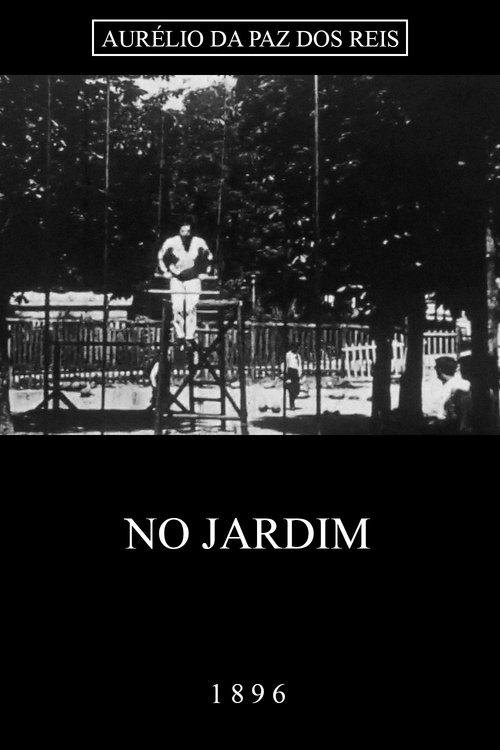
In a sunny open air setting with a background of high, deep foliage trees, and a white-walled storeyed house, an acrobat with light shirt and trousers and white plimsolls is doing acrobats in a trapeze in the center of the area. Behind it, a pair of men in similar dress seem to be carrying barbells from one place to the other, rather then exercising with them.
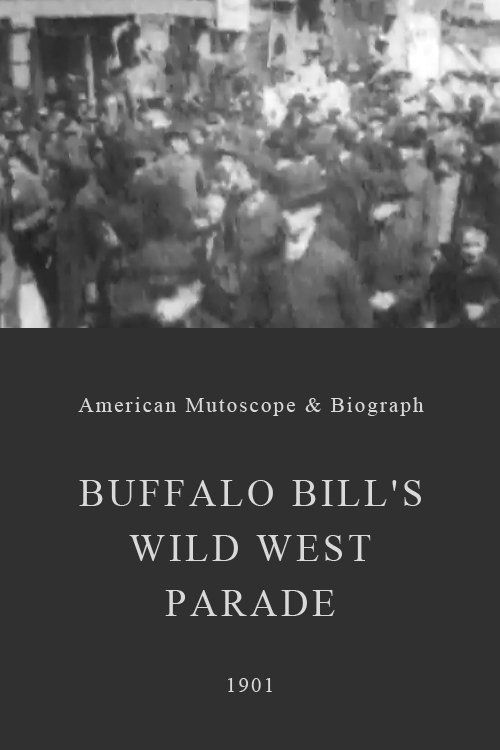
The film shows a parade down Fifth Avenue, New York. In the foreground many children, both black and white, can be seen following alongside the parade. The participants in the parade include cowboys, Indians, and soldiers in the uniform of the United States Cavalry on horseback and riding horse-drawn coaches. Buffalo Bill can be seen on horseback, lifting his hat to the crowd. Filmed on 1 April 1901.
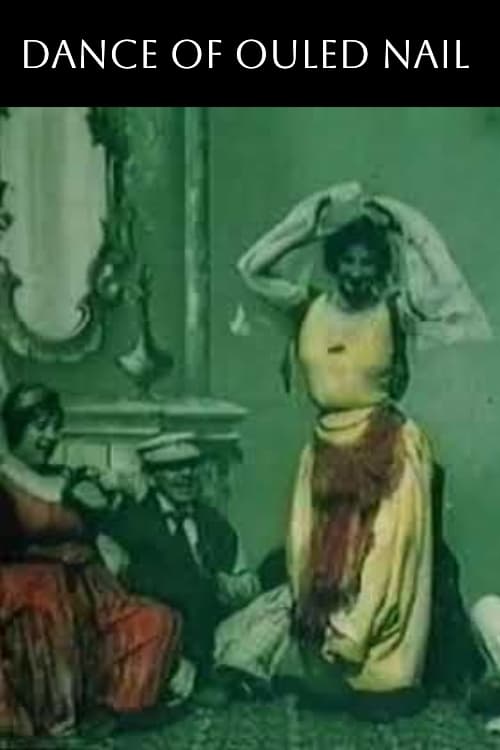
A short film featuring several dancers from different countries: first an Arabian dancer, then an Algerian belly dancer, and finally Scottish highlanders in kilts performing a jig. Section one is rendered in hand-color.
Lumière's documents life in Palestine.
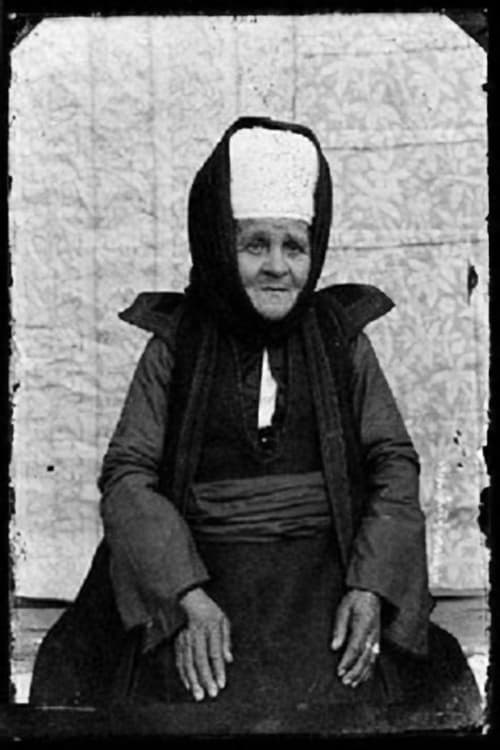
This scene is a part of the very first film shot produced by the Manaki Brothers. Despina, the Janaki and Milton Manaki's grandmother, was recorded weaving in one high-angle shot. For no apparent reason, the first shot made in Macedonia, in the Balkans in fact, made by these two cinematography pioneers, contains peculiar symbolics: at the moment when the grandmother Despina spins the weaving wheel, film starts rolling in our country.
A movie follows a regular working day of a woman who works in a factory. She wakes up at 3am and goes to sleep at 10pm.