In the course of living long months with a group of Iranian illegals in Athens, the director examines this radical choice of pursuing a better life through the most perilous of possibilities: clandestinity.

The film interweaves the stories of two generations of Palestinians. It tells the story of Elias Jubran, a music teacher and oud maker from Al Jaleel (Galilee), and his children, who live in a totally different way in Israel... or who have left the country in search of a more open way of life. The film shows what it takes for a culture - mired in the threatening environment of the State of Israel - to continue to thrive.
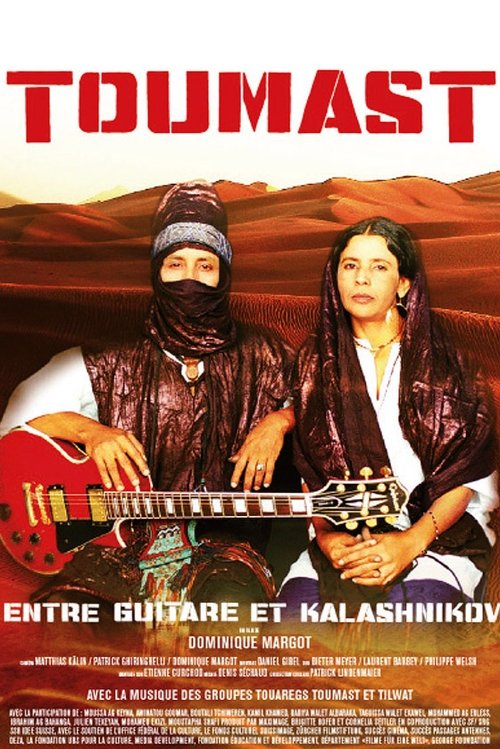
In 1996, Kalashnikovs were publicly burnt in Timbuktu. At the time, the "Flame of Peace" symbolized the end of the Touareg rebellion, which had been suppressed in bloody massacres. That year, the rebels laid down their arms. That year, with the government having made promises, the families who had fled abroad left Mauritania, Algeria and Burkina Faso to return home. In the fight for rights and survival waged by this people, who for centuries had found their freedom in one of the world's most inhospitable regions, the Sahara, culture and arms have been in direct competition ever since.
“Namibia Crossings” takes a trip through a country of archaic beauty and bizarre contradictions. The film creates polyphonies of soulful landscapes made up of each individual's highs and lows.
While managers of Swiss banks in the USA ruefully apologize for their tax evasions practices and customer data is disclosed to the American authorities, Rudolf Elmer, former auditor at bank Julius Bär, is indicted for violating the Swiss banking secrecy law on the Cayman Islands. Rudolf Elmer: from insider to critic.
"Gross national happiness is more important than gross national product", declares the King of Bhutan. Can happiness be decreed? We accompany seven Swiss musicians to this mountainous Himalayan country. Between concerts, we meet Bhutanese people in their daily lives, who tell us, as if in passing, what makes them happy. Are we capable of finding happiness elsewhere? Does the advantage of globalization lie precisely in the erasure of the elsewhere? The whole world is in the here and now, and distant horizons are always close to us, transported by SMS...
The Salecine meeting place, founded near Maloja in 1971 by Zurich communist bookseller Theo Pinkus, quickly became a socio-cultural and political Mecca for the left-wing intelligentsia. The film provides an overview of the chronicle of this Alpine melting pot of ideas, and also shows the changes in the zeitgeist since 1968. It is also a gentle, sentimental (sometimes self-ironic) tribute to the men and women of three generations of Salecina, who, at 1800 above sea level, are creating utopias for a fairer world.