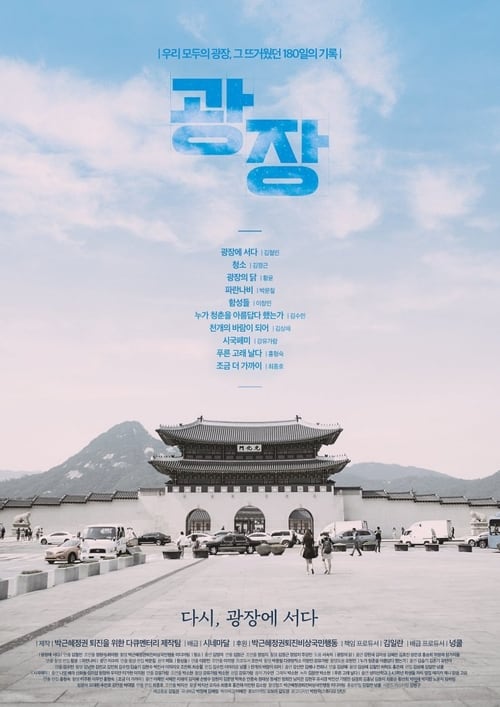
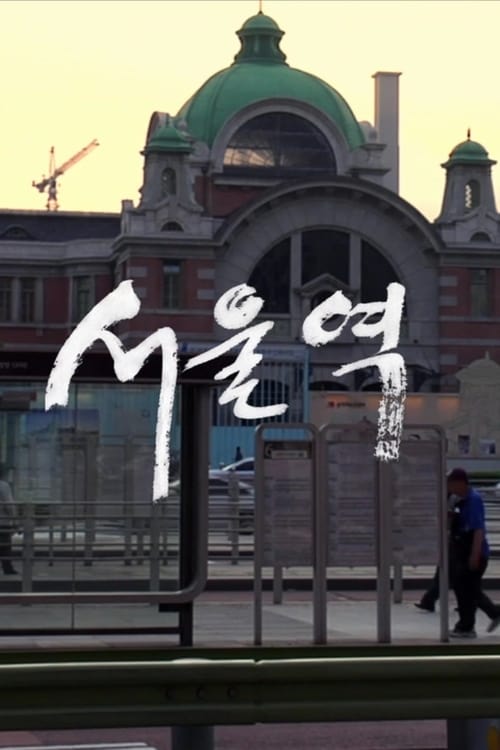
A documentary film about Seoul City Hall Construction. The construction project has a hard going in every way. A city plan, excessive administrative notions, a design and all got mingled up. Can the project sail, yes?
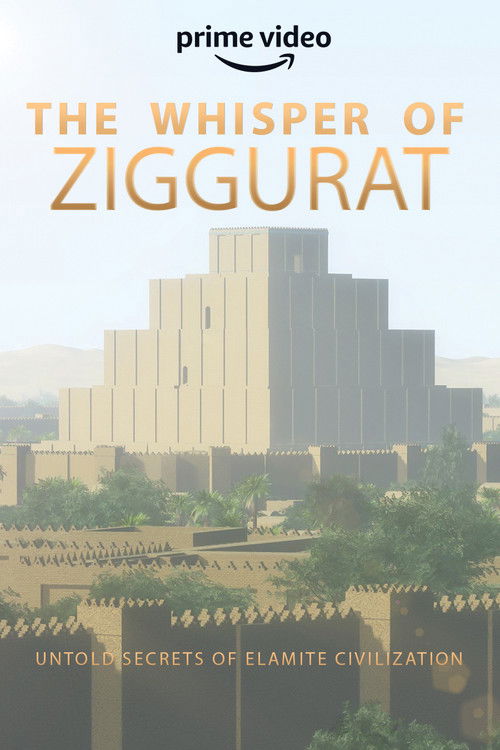
5000 years ago the ancient Elamites established a glorious civilization that lasted about three millennia. They created marvelous works in architecture and craftsmanship. These works of art depict the lifestyle, thoughts, and beliefs of the Elamites.
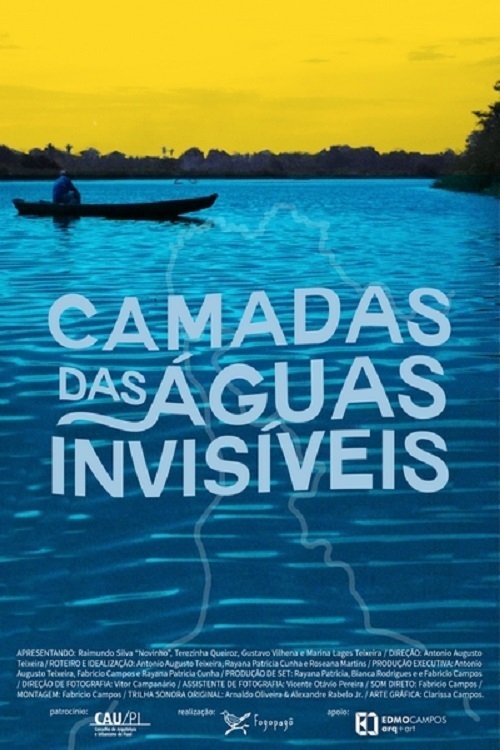
Invisible Water Layers discusses and questions the origins of Teresina and its urbanization over the years. The film deals with the move from the capital of Piauí to Oeiras in 1852, the ideas of modernity at the time and the problems that resulted from this process in people and in the city. Along with the idea of progress of the railway, factories and steamboats, many families and workers were relocated from the central areas of the city to more distant parts. The traditional ways of life of these people coexisted, not free from conflict, with the will of civility of the local elites. With 4 interviewees, including architects, historians and researchers, the film also brings a rich set of images from different places in the city, such as the Center, the Parnaíba riverbank and the Poty Velho neighborhood.
This fascinating documentary explores the collaboration between Marion Mahony, the first registered woman architect in the world and the longest serving designer in Frank Lloyd Wright’s practice, and husband Walter Burley Griffin. Their struggle with unyielding bureaucracy, the philosophies that underscored their life and work, and their passionate commitment to an architecture that expressed a balance between society and the environment and an affinity between the human spirit and the natural world. The film weaves together their personal and professional lives, drawing on archival and contemporary footage of their work, an extensive collection of photographs, the couple’s own correspondance and writing, and interviews with prominent architects, social historians and the people who knew them.
Project 1 _ Hong Hyung-sook The children who are enthusiastically painting and cutting a doll. What stories will be told at the Square? - Project 10 _ Kim Jeong-geun The janitorial worker from the Busan Subway Station, Kim Young-ja talks about how she hopes to see a clean world, just like how she cleans everywhere in the subway.
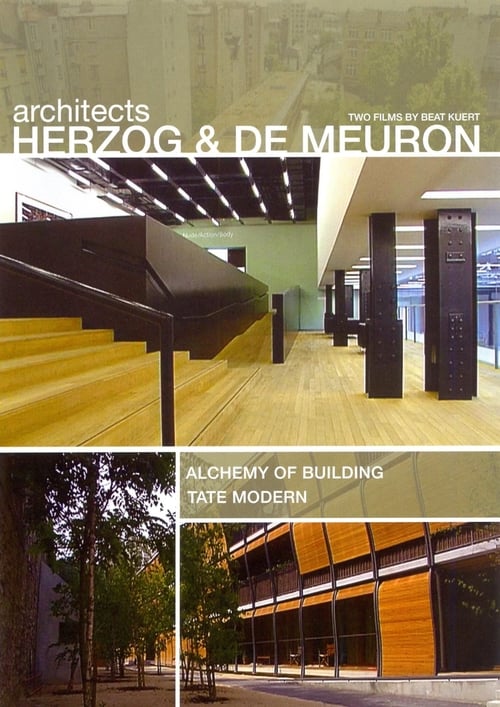
Visiting examples of Herzog and de Meurons ground-breaking style, this film reflects their capacity to astonish and explore the way in which they transform what might otherwise be ordinary through new treatments and techniques.
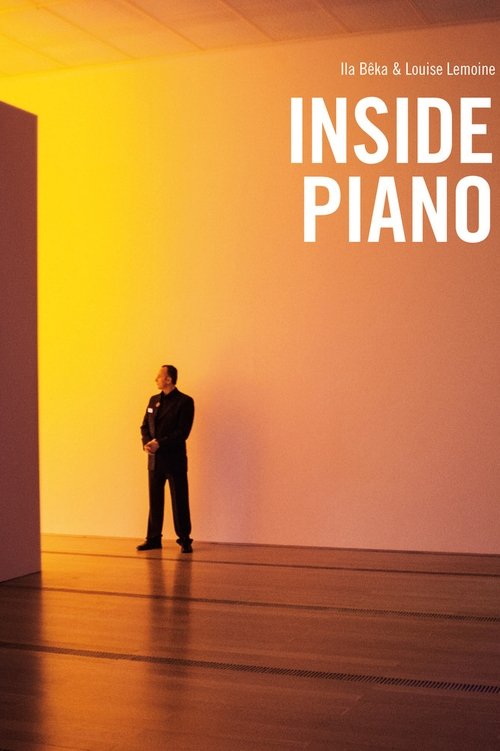
The fifth project of the Living Architectures series, Inside Piano is composed of three films on three symbolic buildings of Renzo Piano's career. A visit throughout the prototype-building of the Centre Pompidou. An immersion in the soundproof world of a submarine floating in the depths of the Parisian underground. A journey aboard a luminous magic carpet of a highly sophisticated architectural machine. A humorous, caustic and quirky point of view.
Journey with the musicians of the Berlin Philharmonic and their conductor Sir Simon Rattle on a breakneck concert tour of six metropolises across Asia: Beijing, Seoul, Shanghai, Hong Kong, Taipei and Tokyo. Their artistic triumph onstage belies a dynamic and dramatic life backstage. The orchestra is a closed society that observes its own laws and traditions, and in the words of one of its musicians is, “an island, a democratic microcosm – almost without precedent in the music world - whose social structure and cohesion is not only founded on a common love for music but also informed by competition, compulsion and the pressure to perform to a high pitch of excellence... .” Never before has the Berlin Philharmonic allowed such intimate and exclusive access into its private world.
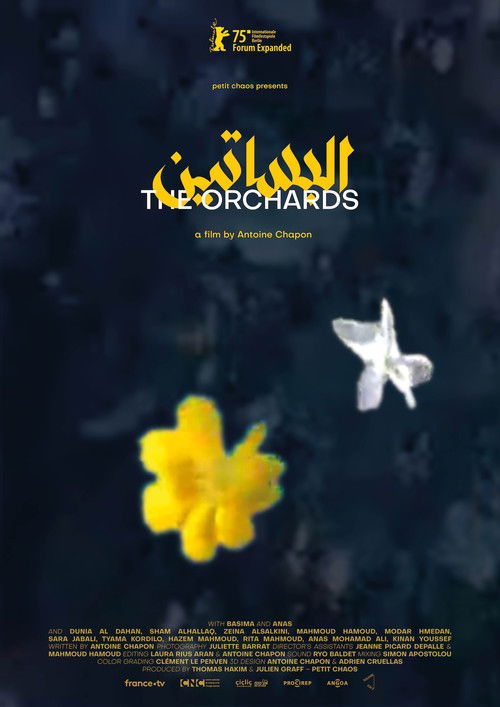
In 2015, in Damascus, the Basateen al-Razi district and its orchards were razed to the ground as punishment for the population's uprising against the regime. Having lost everything, two former residents recall their neighborhood.
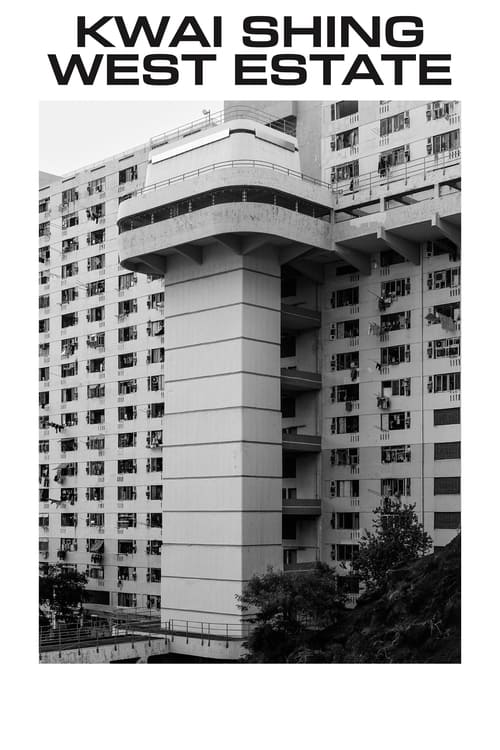
A homage to the social housing architecture that is so atypical of Hong Kong - especially the Kwai Shing West Estate. About half of the population lives in such building complexes, where one experiences a strong sense of loneliness. The neighborhoods are the scene of modern living conditions, but also of social protests, which have been punishable by life imprisonment in Hong Kong since 2020 due to a new law.
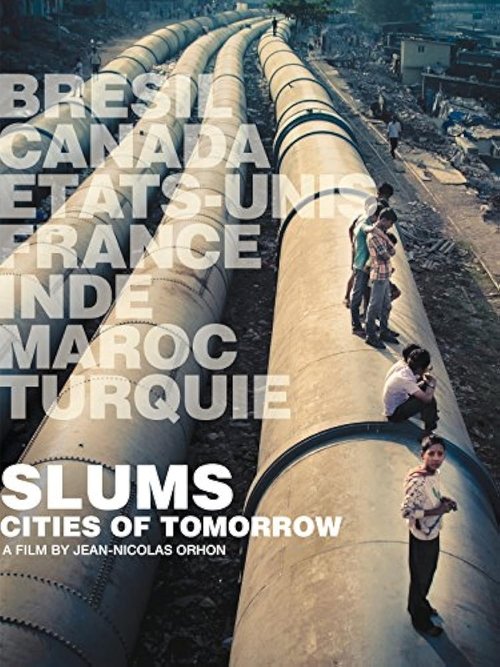
One billion people on our planet—one in six—live in shantytowns, slums or squats. Slums: Cities of Tomorrow challenges conventional thinking to propose that slums are in fact the solution, not the problem, to urban overcrowding caused by the massive migration of people to cities. (Lynne Fernie, HotDocs)
The Italian architect Giancarlo De Carlo (Genoa 1919 - Milan 2005), inspires generations of architects all over the world. His philosophy still remain a school subject. The film, inspired by Franco Buncuga's book “Conversations with Giancarlo de Carlo”, recalls an imaginary trip from Genoa to Urbino, guiding the audience through the historical town center, the Palazzo Ducale and the masterpieces of the Italian Renaissance architect Francesco di Giorgio Martini, which made the Urbino so great.
Dresden is famous for its attempt to meticulously reconstruct its once bombed-out historical center and bring the colorful baroque settings of the 18th century back to life. It’s infamous for the right-wing-surge that has since 2015 swept the city and made it a center of far-right activity in Germany and Europe. This film is an exploration of where the two intersect.
August 2011, Seoul station was ‘reborn’ restoring the historical traces it once had. It was named as ‘Cultural Station 284’. To commemorate this very day, an opening exhibition was held, named as ‘COUNTDOWN’. However, among all the fine works of art alongside the exhibition, the best piece of art was not to be found. To be precise, that very piece of art was not available at that time. That work of art needed time to be established. After observing and speculating the abject moments of the restoration process, finally, it was completed.