Lebanese/Canadian artist Jayce Salloum and Elia Suleiman, a Palestinian filmmaker living in New York, have taken on our accumulated (mis)impressions of the Palestinian Intifada by tracing their genesis in film and television.
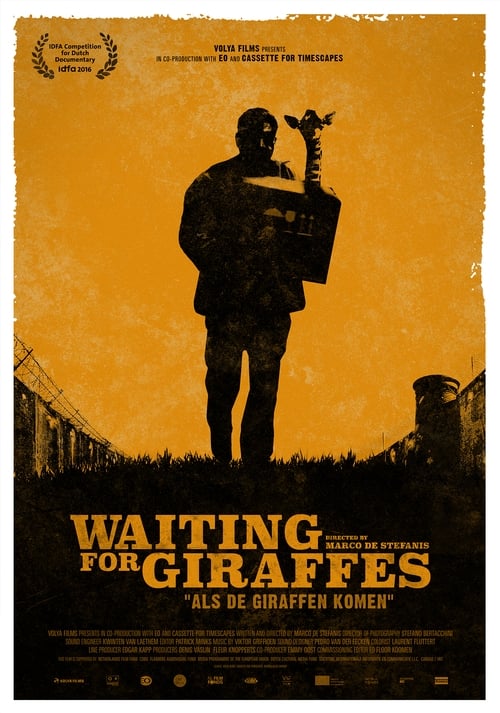
After two intifadas and the construction of the Israeli wall, the only Palestinian zoo is still there and is now seeking for international recognition and to replace their lost giraffes.
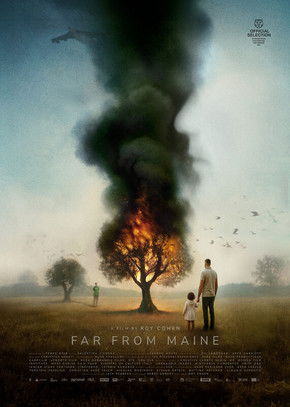
Haunted by the killing by Israeli police of a Palestinian friend from his youth, an Israeli queer filmmaker embarks on a cinematic dialogue across time — confronting memory, friendship, and the genocide unfolding today. In this intimate cinematic letter, Israeli filmmaker Roy Cohen addresses his Palestinian friend and fellow peace activist Aseel Aslih, who was murdered by Israeli police in their youth. Cohen tells Aslih of his experiences navigating a growingly genocidal society and seeks Aslih’s moral clarity and resilience in the evocative letters he had written as a teenager.
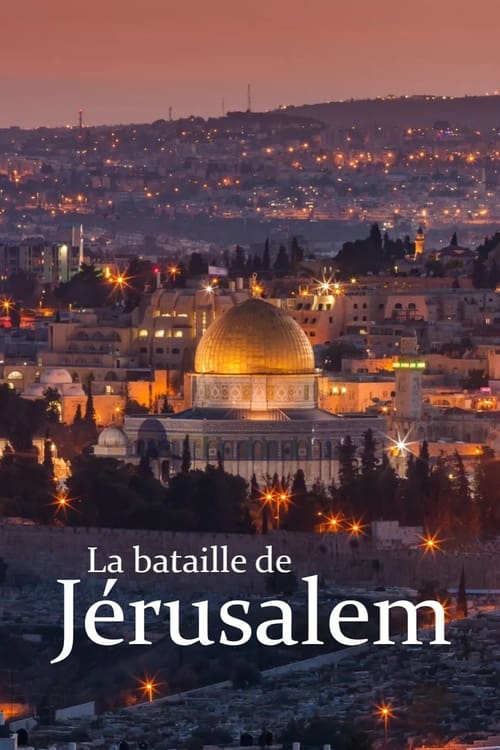
This documentary, filmed after October 7, places recent events in context and retraces the extraordinary history of this region to shed light on the present, interviewing actors and witnesses to this conflict: Islamists, Jewish nationalists, imams, rabbis, intellectuals, urban planners, soldiers, etc.
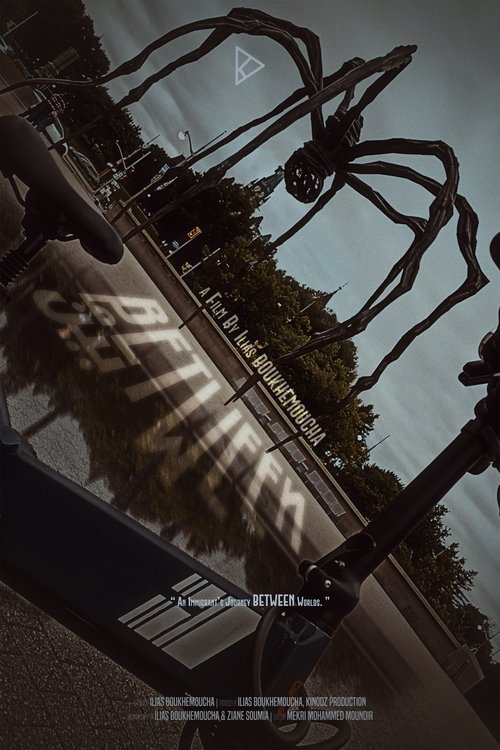
Initially embarking on an unplanned personal filmmaking project, Ilias Boukhemoucha finds himself drawn to the overlooked corners and marginalized communities within Canadian cities.
Assassinated Lebanese intellectual Mahdi Amel — often dubbed “the Arab Gramsci” — famously said: “He who resists is never defeated.” What use is his thought to us today, and what is our responsibility as image makers to Gaza?
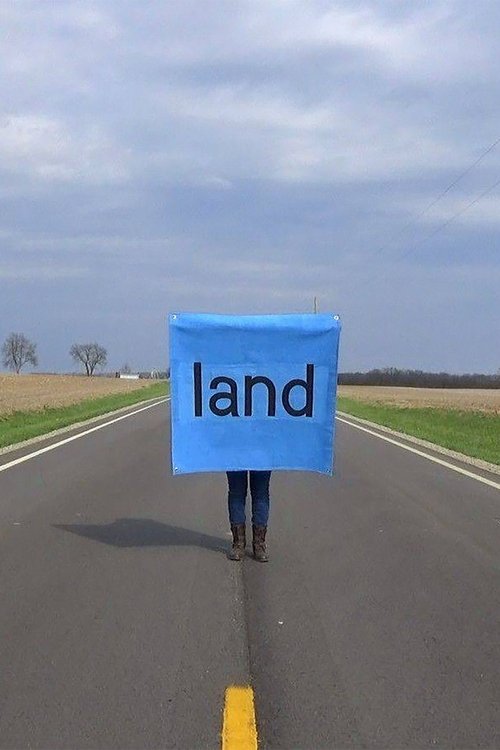
In 2020, just as the pandemic was beginning, Gazala purchased land in western Ohio, on which sits a disused school building. This site allowed her to explore her complex relationship with “the land.” As the daughter of displaced indigenous Palestinians, she attempts to form a proxy bond with the earth, on ground that was stolen from the displaced indigenous Shawnee people. Closeness to the Land is video footage of hand-painted text signs that translate the word الأرض (ard) into six English words, displayed performatively in multiple locations to capture the now-invisible nature of indigenous culture in Ohio. These signs were installed on the old schoolhouse in early 2021.
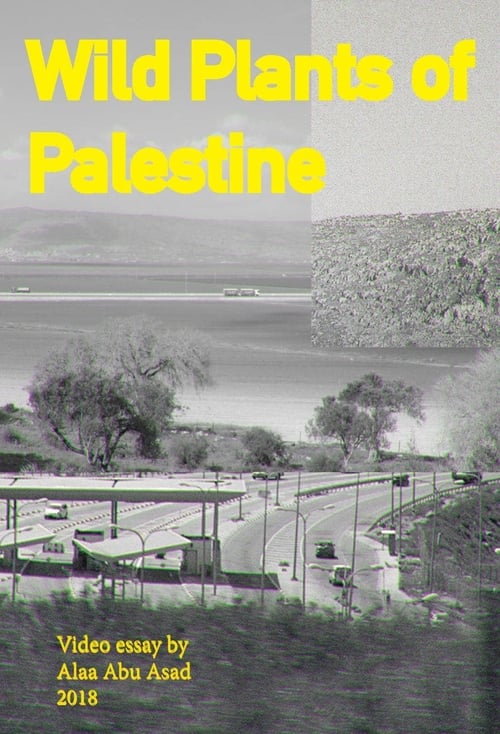
The film follows journeys of observational tours solicited by the Palestinian Museum and conducted by two professors from Birzeit University to collect photos of and information on the Palestinian Flora. The title is adapted from a collection of 123 images (circa 1900 to 1920) of wild flowers in Palestine found in the Matson Collection in the Library of Congress. Despite the tendency to trace the wild plants, the text in general aims at questioning the territorial extension of what is meant by the term “Palestinian”, while standing on insignificant topographical features of the (postcolonial) landscape in West Bank. Furthermore, it addresses photography as a practice and a tool of distributing and restricting information at once.
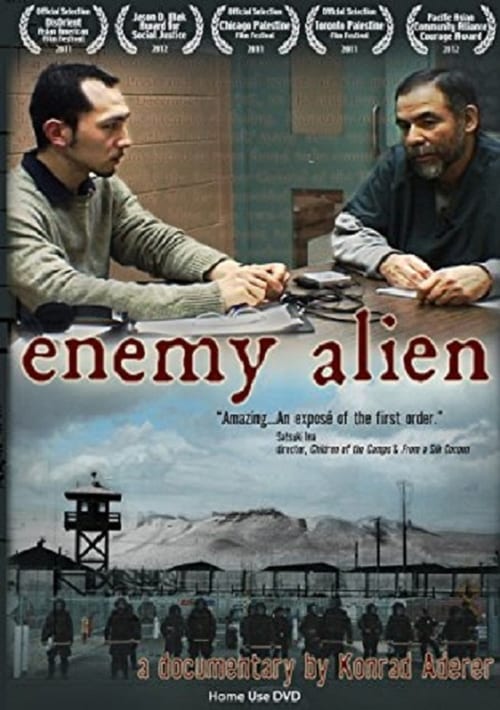
A Palestinian activist's fight for freedom draws a Japanese American filmmaker into confrontation with detention regimes of past and present.
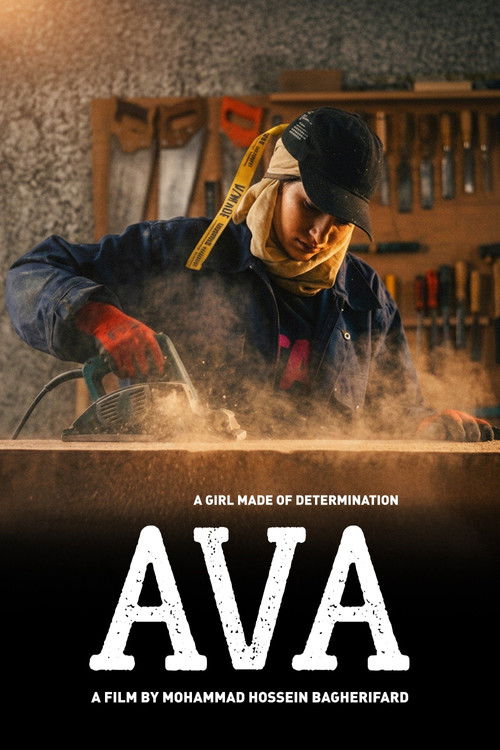
Breaking a centuries-old taboo, Ava stands as the first woman in Iran to master the male-dominated craft of carpentry. Within the grit and clamor of the workshop, she confronts a society that deems her presence forbidden. This observational documentary captures her daily battle against physical hardships and social judgment.
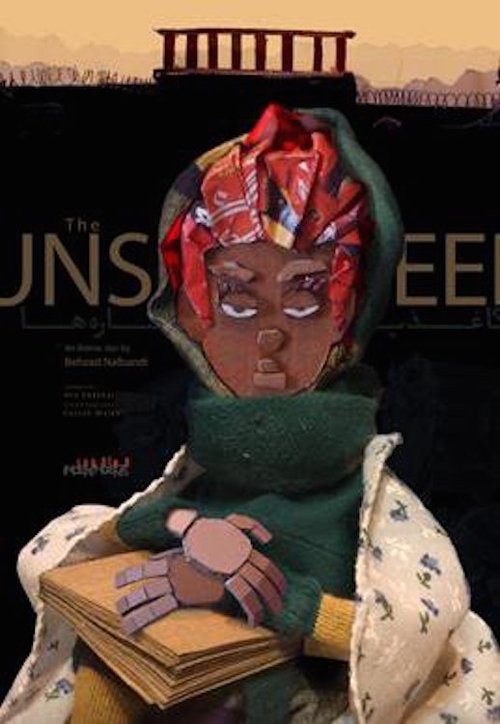
When Tehran hosts visiting foreign dignitaries, the local authorities clean up the city’s urban image through the controversial process of ‘urban beautification’. Those who are deemed unsavoury are rounded up – drug users, prostitutes and the homeless who sleep in cardboard boxes on sidewalks and who they would rather remain unseen. When these very important people leave, the men are released but the women are kept as wards of the state. An animated documentary made using hand-crafted cardboard miniatures and the voices of women to tell their story, one that has been five years in the making. A story that shows how the face of a city can change, but what is underneath often does not.
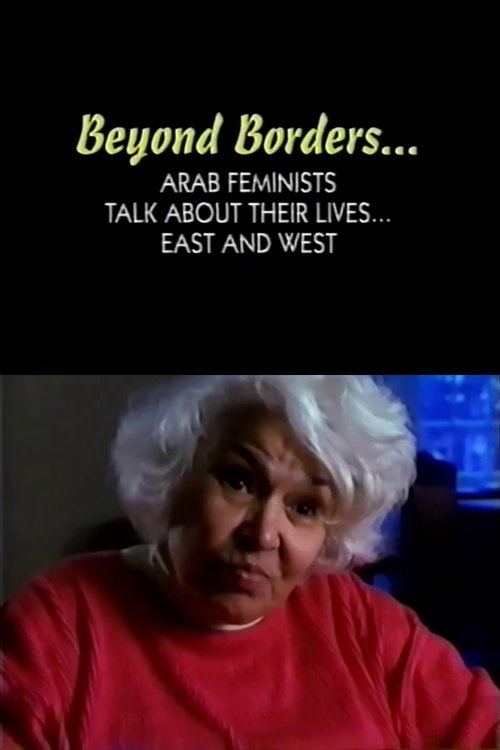
In the Arab world, women are fighting a two-front war against repressive internal constraints and intrusive Western interference. In this program, a feminist delegation composed of author Nawal Saadawi and other renowned activists from the Middle East and North Africa gathers at the UN, on college campuses, and in church basements to speak out about deterioration of women's rights in the Arab states in an effort to heighten awareness of the Arab feminist struggle for equality--and the effects of U.S. foreign policy on their efforts.
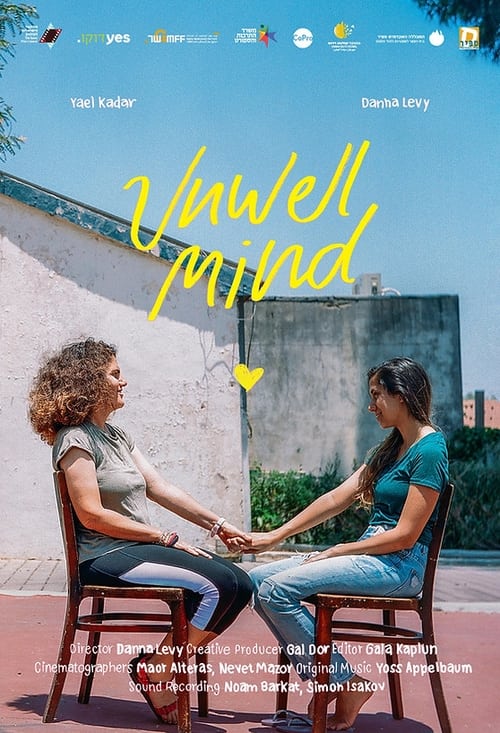
Danna, a young college student, and Yael, a woman with an intellectual disability, are forced to face the difficulties that arise in their love lives. In the end, they realize that their bond with each other is what gives them both the support they need.
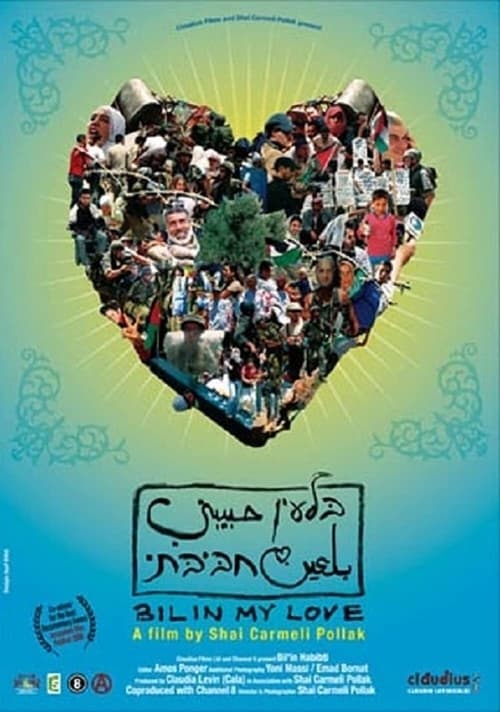
The Israeli filmmaker Shai Corneli Polak records the building of the 'security wall' through Palestinian territory at the village of Bil'in. The villagers protest mostly peacefully, while the Israeli army doesn't react peacefully. By now the Israeli High Court has ruled that the building of the wall was illegal.
A thought-provoking documentary on the current and historical causes of the Israeli-Palestinian conflict and U.S. political involvement.
This film made by a Palestinian-Israeli collective shows the destruction of the occupied West Bank's Masafer Yatta by Israeli soldiers and the alliance which develops between the Palestinian activist Basel and Israeli journalist Yuval.
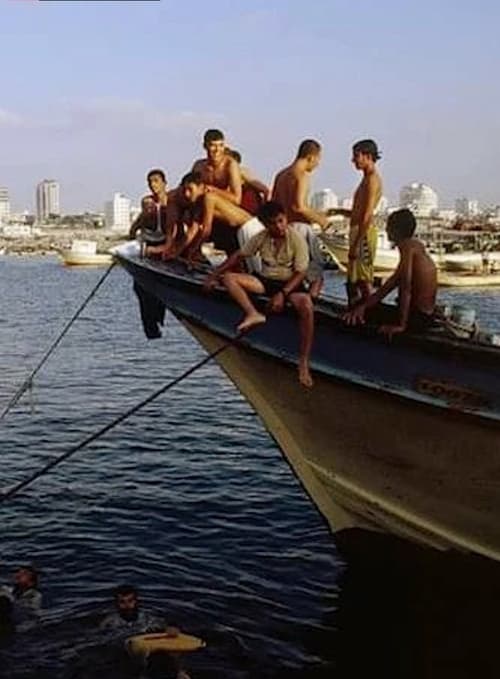
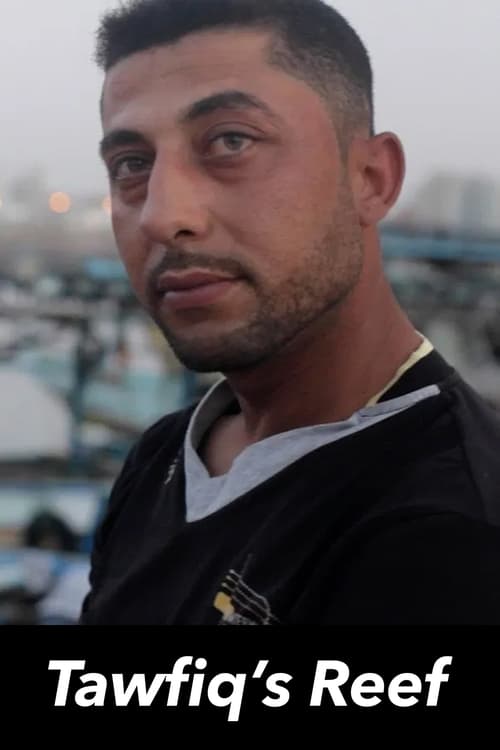
Tawfiq’s Reef chronicles the plight of Palestinian fishermen in Gaza, heavily restricted in the area in which they can fish, often indebted, shot at, harassed or imprisoned by the Israeli Navy on the narrow sliver of fishing waters available to them off the Gaza coastline, making this one of the most dangerous professions in the world.
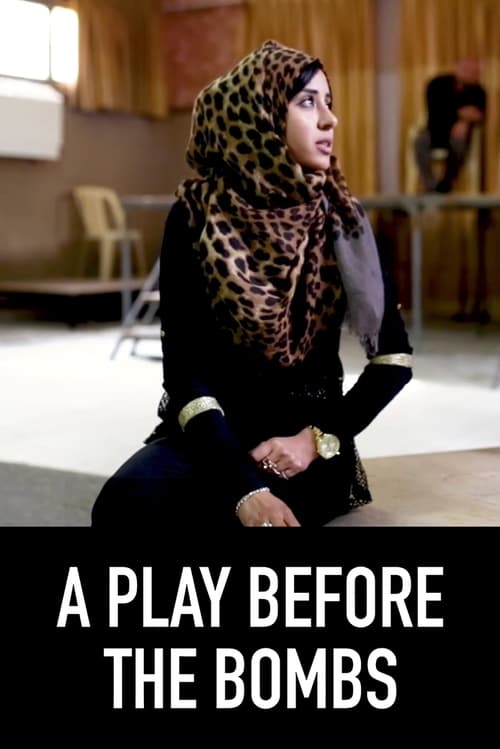
Set in the al-Mishal Cultural Center in Gaza before it was destroyed by an Israeli air strike on August 9, 2018, A Play Before The Bombs is a story that unfolds over a 4 year period. The film follows Abeer Ahmed, a young woman growing up in the Jabaliya Refugee Camp, the largest refugee camp in Gaza, as she and the other members of her cast and crew prepare to put on a play that focuses on a Palestinian woman’s right to receive inheritance. While the content of the play is tailored towards fostering a cultural discussion among Palestinians, neither the play nor the playhouse can escape the omnipresence of the Israeli siege on Gaza. A siege that shatters literal buildings as well as the hopes and dreams of the performers and community members who take refuge within the walls of al-Mishal in search of artistic fulfillment.
The film explores the first Palestinian Intifada against the Israeli Occupation in the West Bank and the Gaza Strip. It shows moving images of resistance against the Israeli occupation, while exploring the steadfast determination of the Palestinian People, confronting a modern army with stones. The film highlights the active and important role of women in the intifada.