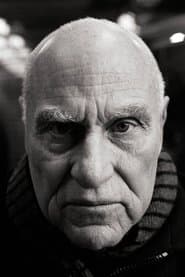
Echoing the vertical movement of the film through the projector, pieces of sheet lead fall into the image field. Serra’s hand opens and closes as it tries to catch them, and when it succeeds, immediately lets them go again.
Richard Serra
as Himself
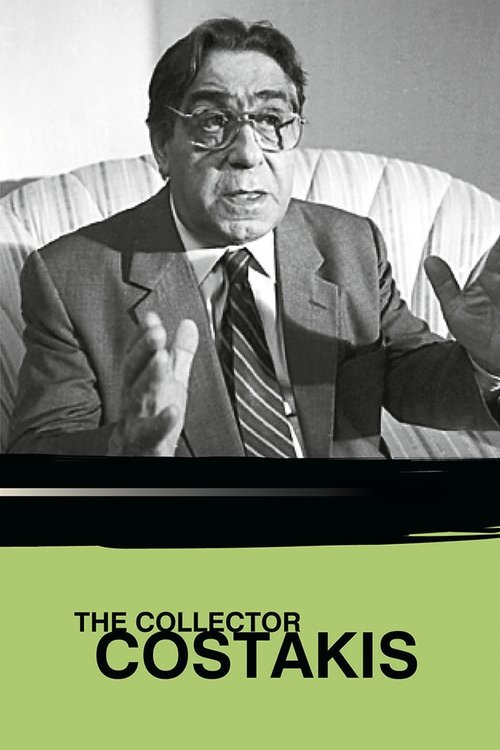
One public housing flat in Moscow stood out above all others: the home of George Costakis, the foremost collector of early 20th century Russian avant-garde art. Its walls were crowded with banned and forgotten works by artists such as Malevich, Tatlin, Kandinsky, Chagall, Lissitzky, Rodchenko, and Kliun; public figures such as Edward Kennedy, Stravinsky, and Alfred Barr visited. Barrie Gavin met the collector in 1982 at his home in Athens. Costakis, a Greek born in Russia, passionately shares his story and those of the great Russian avant-garde artists. Their works are his legacy – without him, they would not have survived the political upheavals in Russia.
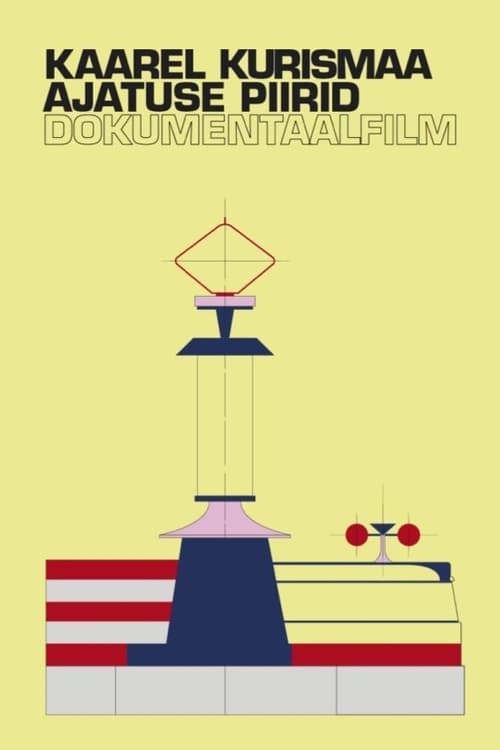
A documentary about the Estonian artist Kaarel Kurismaa shows the viewer an insight into the world of artists. Kaarel changed his creative direction several times; he explored different artistic styles. Kaarel Kurismaa laid the foundations for Estonian kinetic and sound art. He is a highly versatile artist whose creative energy is divided between painting, sound, installation, monumental art, and film. On the crest of the avant-garde wave of the 1970s, he created several important sound and kinetic objects in Estonian art history.
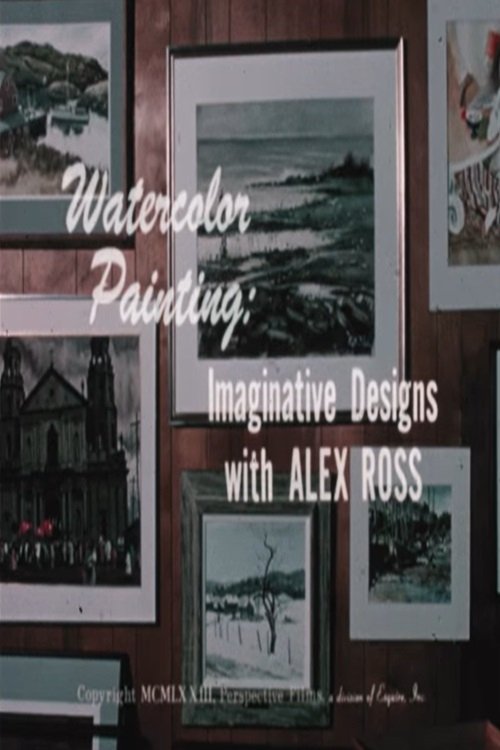
Presents Alex Ross demonstrating how he creates arresting patterns of vivid color and how he uses acrylic paint on a textured media board.
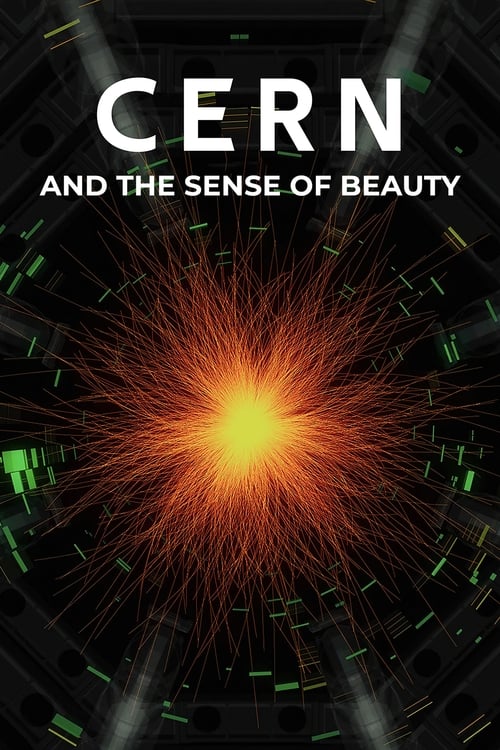
An exploration of the link between science and beauty through the work of scientists at CERN, in Geneva.
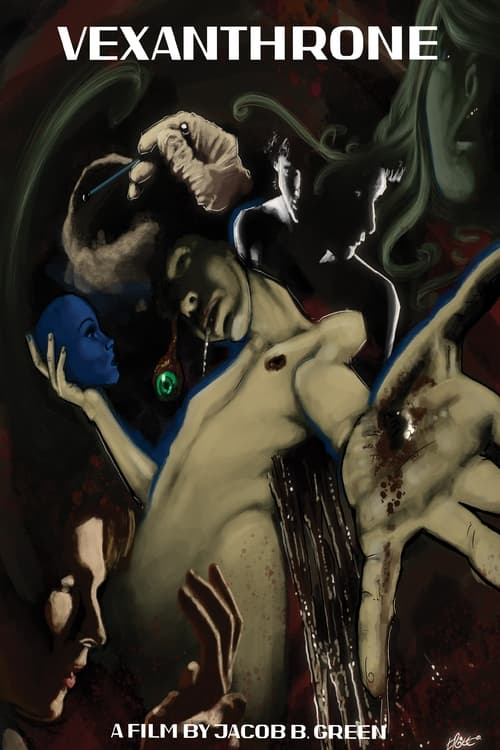
A loner artist, exiled from the art community for creating a sculpture deemed too offensive, embarks on a bizarre odyssey of art, flesh, decomposition, and spiritual ascension. Vexanthrone details the mental and physical difficulties of the creative process in an experimental and surreal fashion that mixes arthouse sensibilities with gross-out body horror.
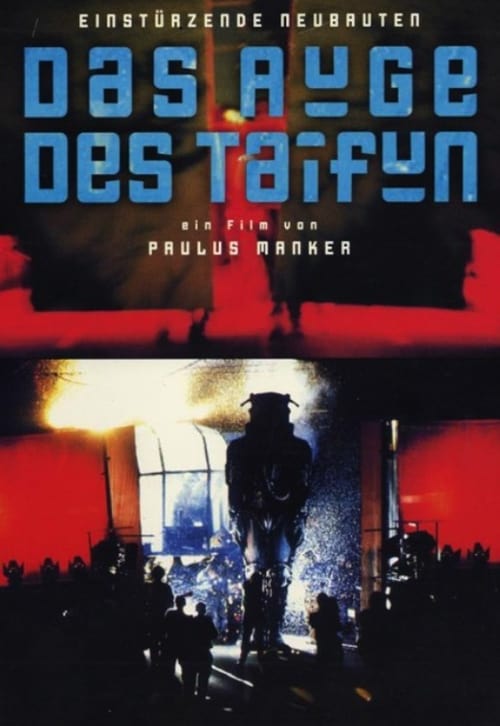
Performance conceived by Erich Wonder & Heiner Müller for the 300th anniversary of the Akademie der bildenden Künste in Vienna. The band, Einstürzende Neubauten, is located on a glass palace/stage on wheels (accompanied by the slavish trotting of huskies) which is slowly moving on the nightly ring road of Vienna.
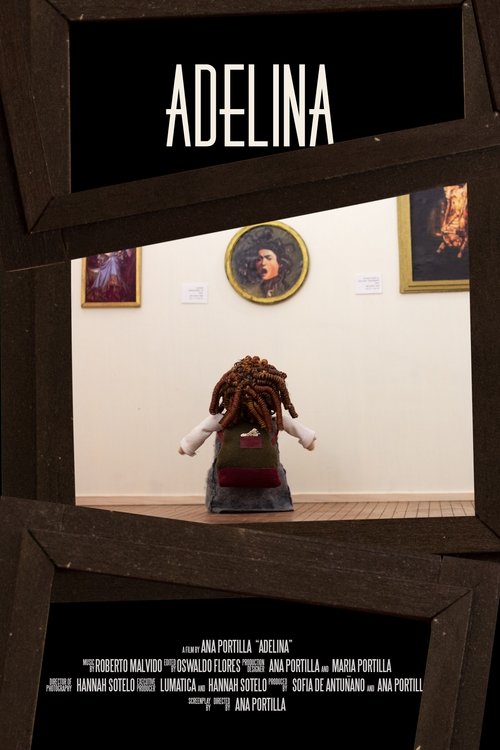
Adelina, going for the first time to a museum, discovers her artistic side.
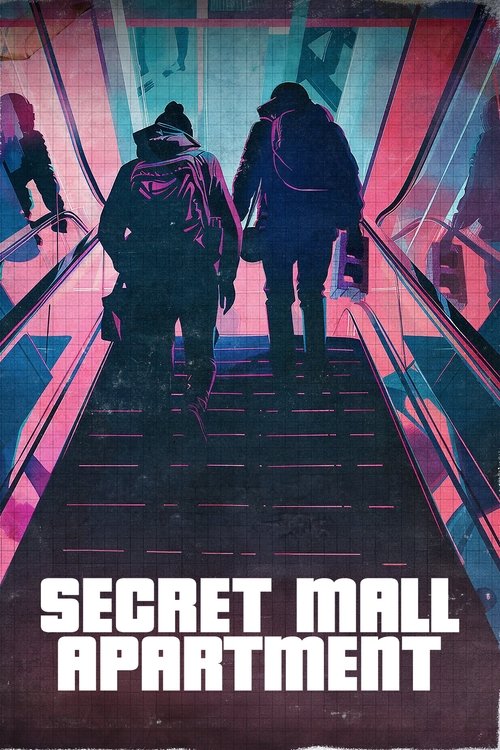
In 2003, eight Rhode Islanders created a secret apartment inside a busy mall and lived there for four years, filming everything along the way. Far more than a prank, the secret apartment became a deeply meaningful place for all involved.
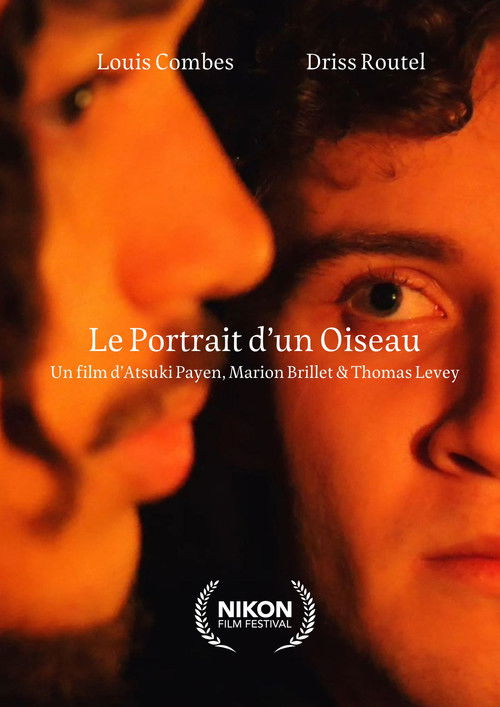
A painter and his model. A couple. A gaze. A painting that captures a moment, an emotion. The Portrait of a Bird.
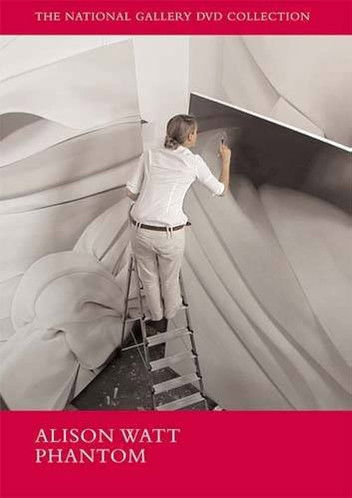
Alison Watt became the National Gallery's Seventh Associate Artist in 2006. This art film records her two-year residency, as she created paintings inspired by masterpieces in the National Gallery. She already had a lifelong attachment to paintings in the collection, yet the prolonged contact, particularly with Saint Francis in Meditation by Francisco de Zurbarán, led her to notice new details and unexpected nuances which influenced her own art. Through a series of interviews with Watt, this art film documents the formation of this exhibition, with particular emphasis on the creative process.
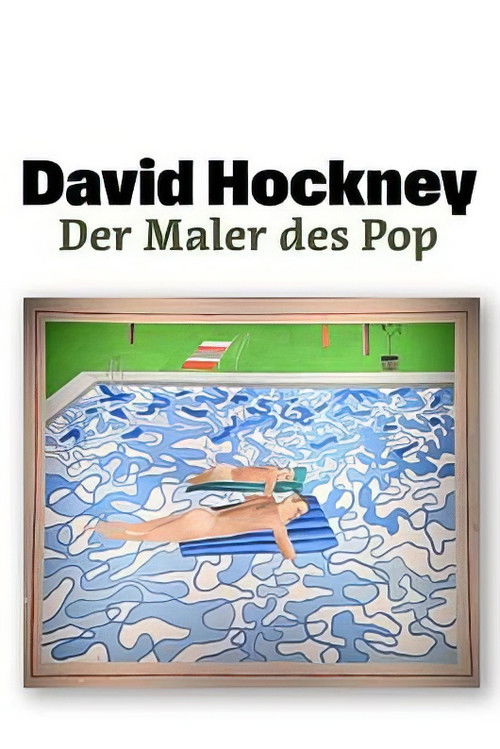
He is a major figure in the pop art movement; one of the most popular and influential artists of his generation. The motifs and colors of his canvasses have been widely reproduced, and are now part of the 20th century art pantheon, changing the way we view the world. Hockney is typically seen as an artist who loves life, a good time, glamour and sex. The highly personal and emotional side of his work is often overlooked, much like the intensity and individuality he has shown in each of his successive periods and styles. Through images, anecdotes, and detailed pictorial analysis, this documentary highlights how the renowned painter defies classification and remains mysterious in many ways: an intense, profound, and infinitely passionate artist.
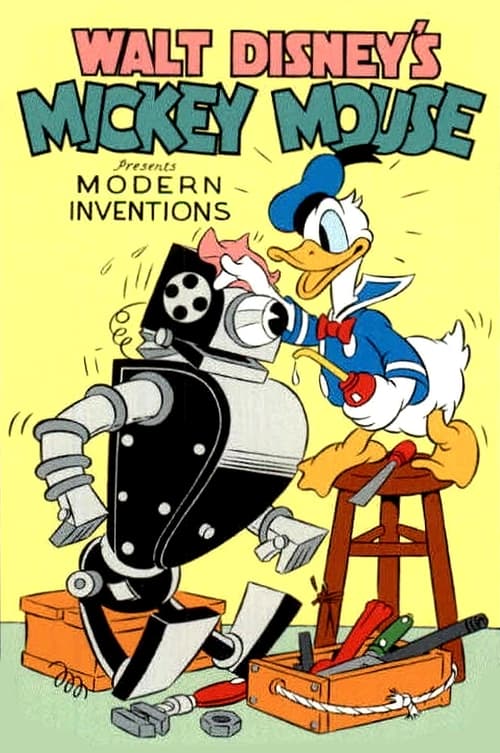
Donald Duck goes to a museum of modern inventions. After getting in without paying, he meets a robot butler who takes Donald's hat every time he sees him. Donald is very annoyed by this and magically fixes himself a new hat every time this happens and strolls on. Ignoring the sign not to touch it, Donald starts playing with a wrapping machine and ends up being wrapped himself. He also encounters and tries out a robot nursemaid and a fully automatic barber chair. They both don't do him much good.
Jeanette, a pretty high school student, is looking for “kicks”. She starts hanging out with a wild crowd, and begins popping bennies, uppers and other pills. Soon she graduates from barbiturates to marijuana…
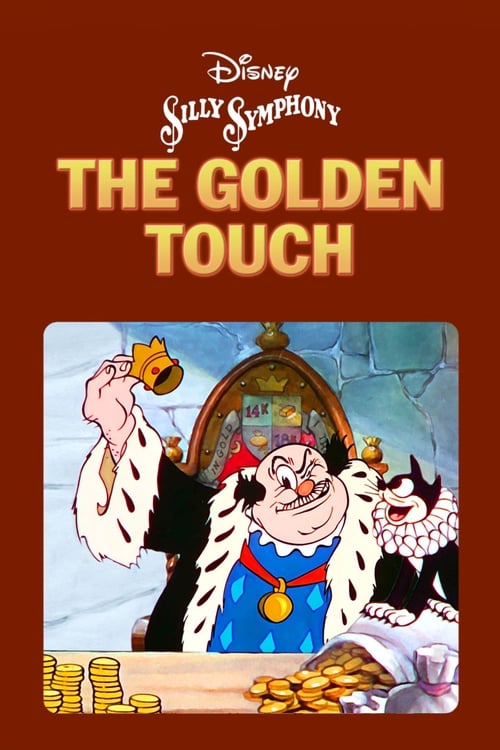
King Midas is visited by an elf; the elf turns his cat to gold, then claps his hands and it changes back. Midas begs for the golden touch, but the elf warns him it would be a curse to him. Midas insists. He dances about joyfully at first, but discovers the drawbacks when he sits down to dinner. Fearing death by starvation, he summons the elf and agrees to surrender everything he owns to have the curse lifted.
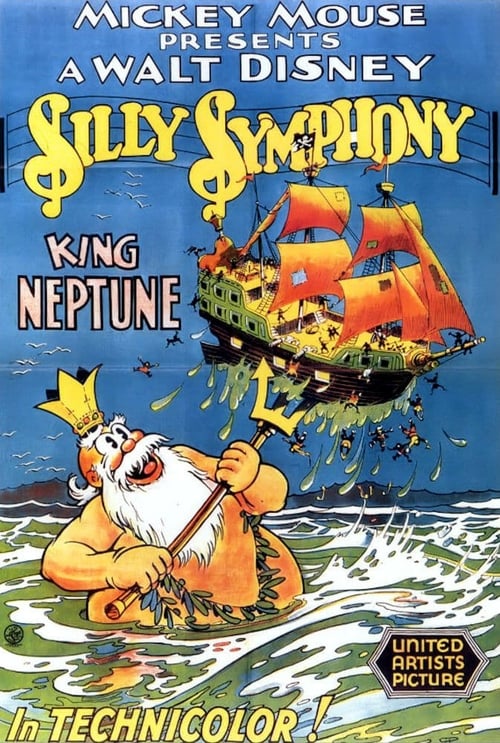
After a short introduction, one of Neptune's mermaids is captured by a pirate ship, and their anchor chain entangles King Neptune; the various sea creatures launch a full-on assault on the pirate ship, and eventually the giant King himself gets free and creates major havoc for the ship.
The second anime short based on Kyoto Animation studio mascot character Baja.
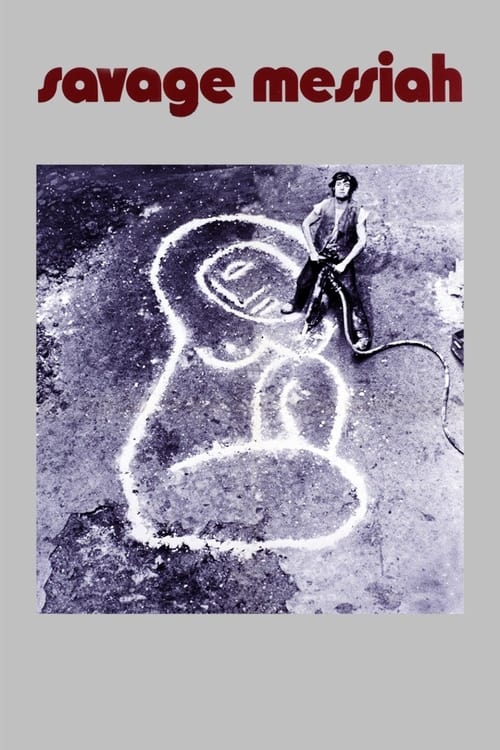
In the Paris of the 1910s, brash young sculptor Henri Gaudier begins a creative partnership with an older writer, Sophie Brzeska. Though the couple is 20 years apart in age, Gaudier finds that his untamed work is complemented by the older woman's cultural refinement. He then moves to London with Brzeska, where he falls in with a group of avant-garde artists. There, Gaudier encounters yet another artistic muse in passionate suffragette Gosh Boyle.