A short documentary about the making of Chaplin's "Limelight."
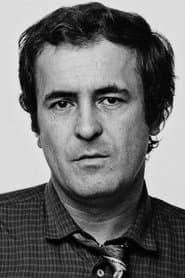
Bernardo Bertolucci
as Self
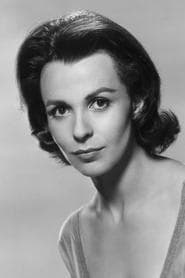
Claire Bloom
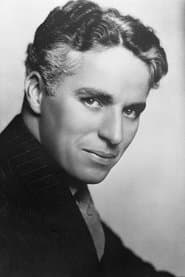
Charlie Chaplin
as Self (archive footage)
Sydney Chaplin
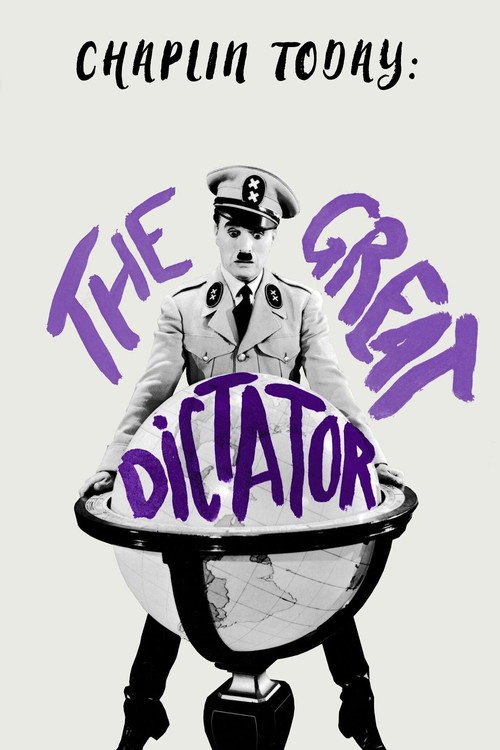
A short documentary about the making of "The Great Dictator."
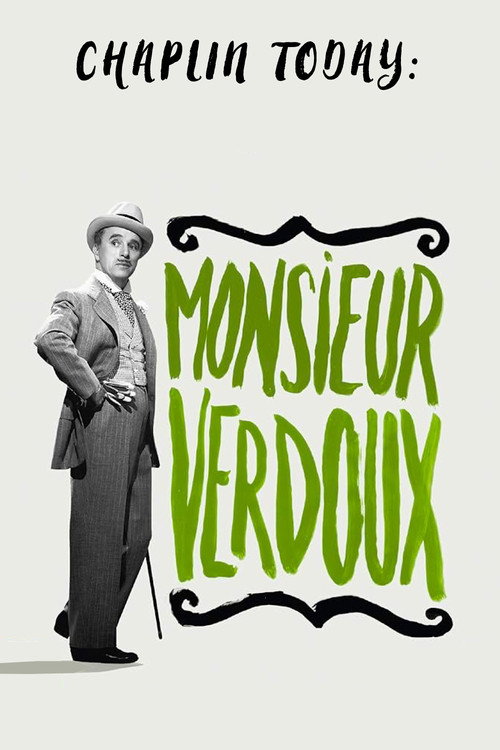
A short documentary in the Chaplin Today series about Chaplin's "Monsieur Verdoux." Includes an interview with Claude Chabrol, whose 1963 film "Landru" concerns the same serial killer that inspired Chaplin's film.
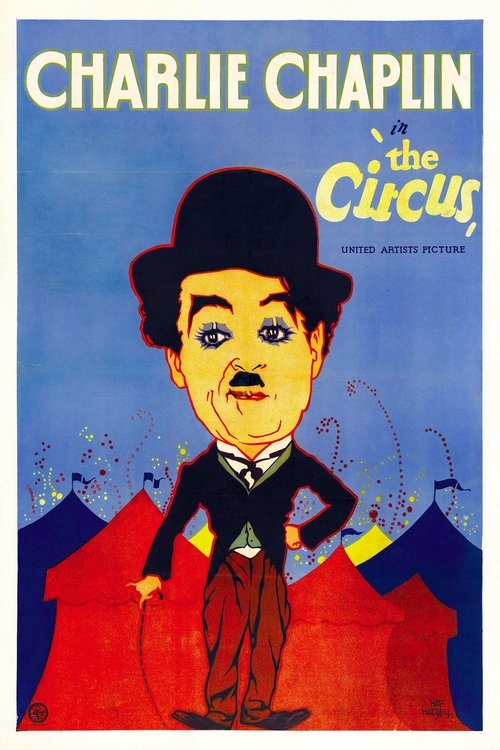
Footage from the premiere of Charlie Chaplin's 1928 film 'The Circus'.
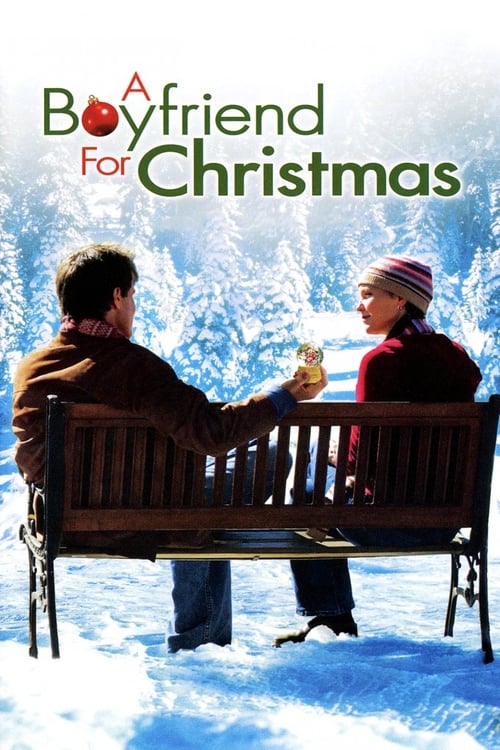
Holly Grant has learned a long time ago not to rely on Santa Claus leaving Mr. Right in her Christmas stocking. But Holly is in for a surprise when a handsome man arrives on her doorstep with a twinkle in his eye and Yuletide tree in tow.
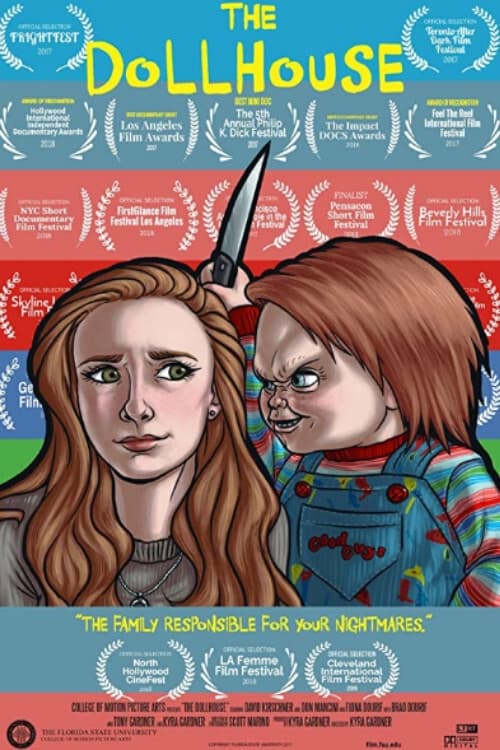
Kyra Gardner's loving tribute to growing up in the world of the psycho killer doll, Chucky.
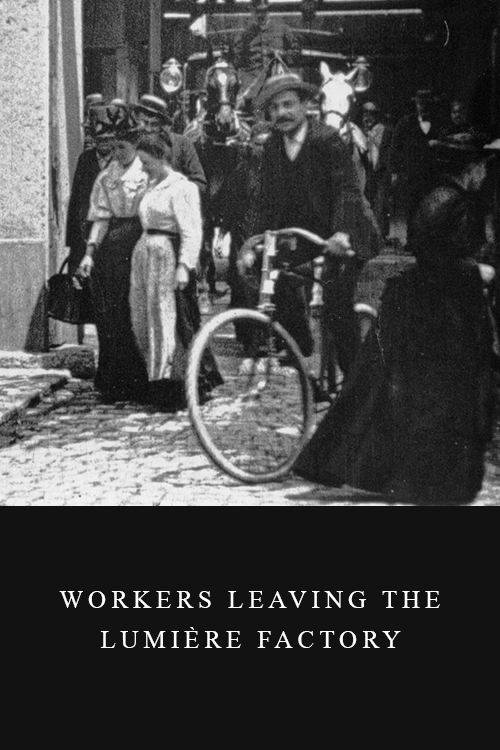
“The workers leave the Lumière factory.” Workers pass through the gate of the Lumière factory and are followed by a carriage drawn by two horses.
The earliest surviving motion-picture film, and believed to be one of the very first moving images ever created, was shot by Louis Aimé Augustin Le Prince using the LPCCP Type-1 MkII single-lens camera. It was taken on paper-based photographic film in the garden of Oakwood Grange, the Whitley family house in Roundhay, Leeds, West Riding of Yorkshire (UK), on 14 October 1888. The film shows Adolphe Le Prince (Le Prince’s son), Mrs. Sarah Whitley (Le Prince’s mother-in-law), Joseph Whitley, and Miss Harriet Hartley walking around in circles, laughing to themselves, and staying within the area framed by the camera. Roundhay Garden Scene is often associated with a recording speed of around 12 frames per second and runs for about 2 to 3 seconds.
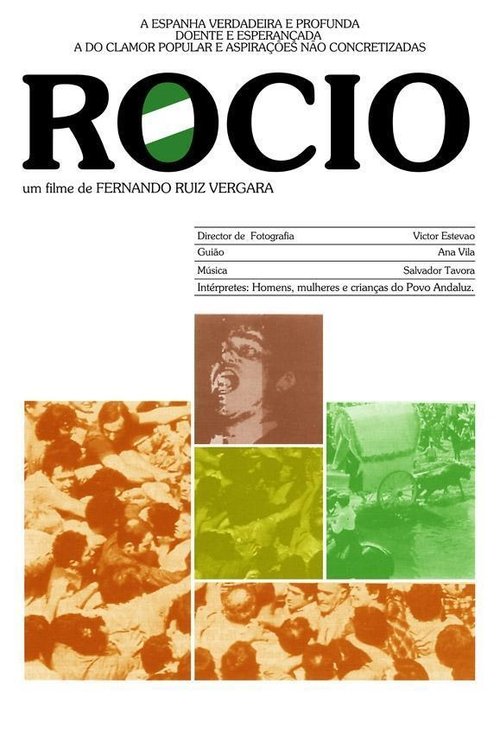
The film shows the genesis of the El Rocío pilgrimage and unveils the economic, socio-political and religious reasons and interests that nurture the phenomenon.
This is not merely another film about cinema history; it is a film about the love of cinema, a journey of discovery through over a century of German film history. Ten people working in film today remember their favourite films of yesteryear.
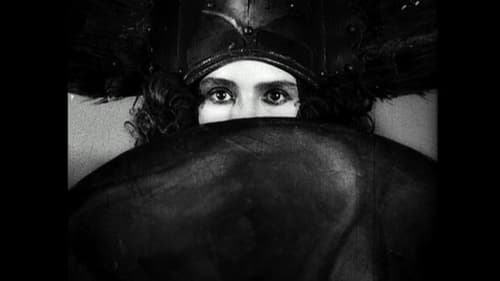
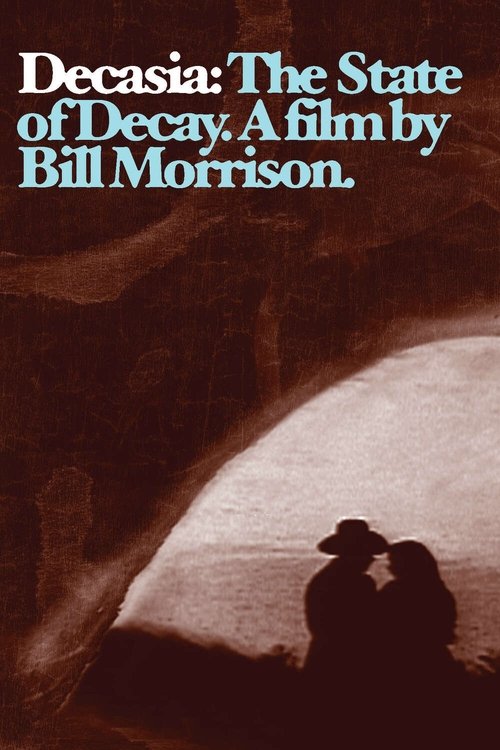
A meditation on the human quest to transcend physicality, constructed from decaying archival footage and set to an original symphonic score.
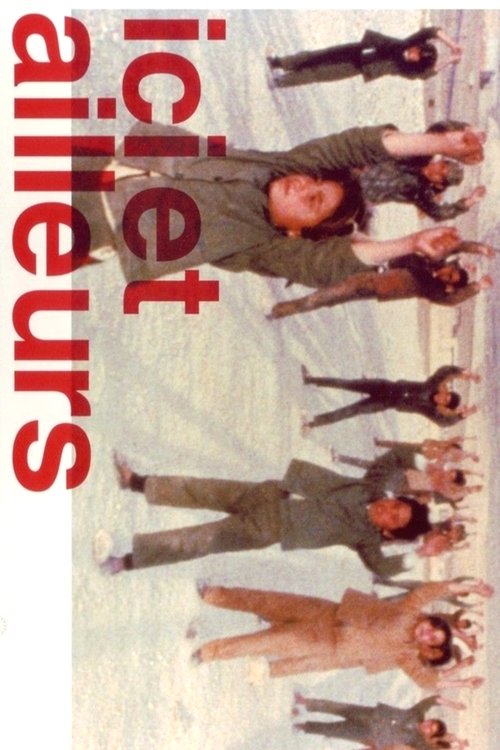
Here and Elsewhere takes its name from the contrasting footage it shows of the fedayeen and of a French family watching television at home. Originally shot by the Dziga Vertov Group as a film on Palestinian freedom fighters, Godard later reworked the material alongside Anne-Marie Miéville.
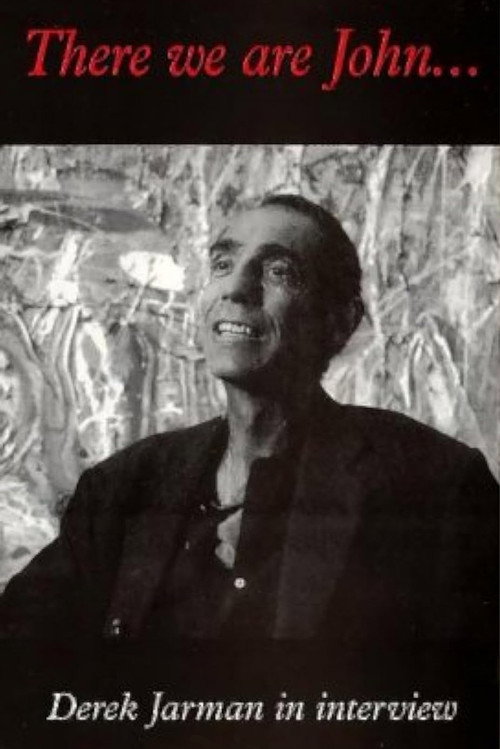
In this revealing documentary, Ken McMullen creates an elegant portrait of artist and filmmaker Derek Jarman, based on an interview conducted by John Cartwright. The questions are unobtrusive, allowing Jarman to reflect on his major films. Despite the debilitating effects of serious illness, we see an artist with his inner vision unimpaired; still humorous, self effacing and disarmingly charming.
The capture of Naples, the first great European city to be liberated, revealed the magnitude of the tasks involved in re-creating the means of livelihood and the machinery of government in a devastated, starving and disease-ridden city.
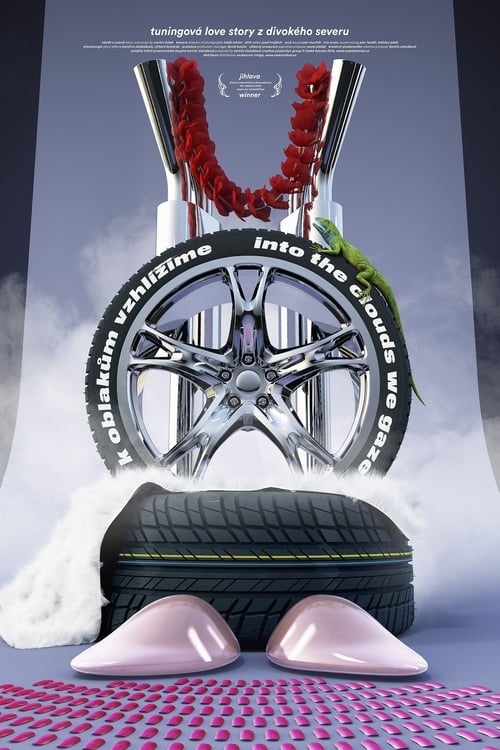
A gentle love story from the harsh environment of northern Bohemia.
A tribute to the late, great French director Francois Truffaut, this documentary was undoubtedly named after his last movie, Vivement Dimanche!, released in 1983. Included in this overview of Truffaut's contribution to filmmaking are clips from 14 of his movies arranged according to the themes he favored. These include childhood, literature, the cinema itself, romance, marriage, and death.
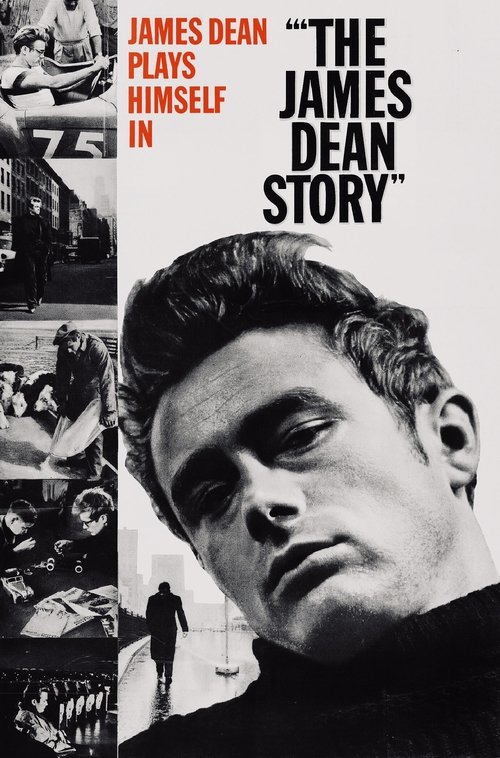
Released two years after James Dean's death, this documentary chronicles his short life and career via black-and-white still photographs, interviews with the aunt and uncle who raised him, his paternal grandparents, a New York City cabdriver friend, the owner of his favorite Los Angeles restaurant, outtakes from East of Eden, footage of the opening night of Giant, and Dean's ironic PSA for safe driving.
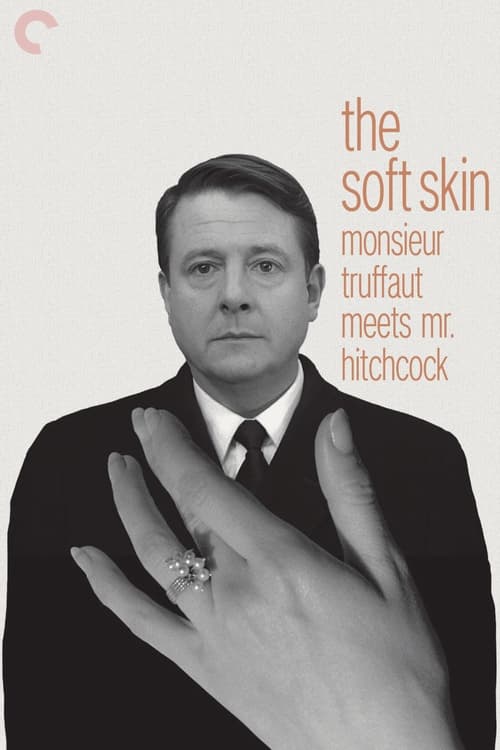
When Francois Truffaut approached Alfred Hitchcock in 1962 with the idea of having a long conversation with him about his work and publishing this in book form, he didn't imagine that more than four years would pass before Le Cinéma selon Hitchcock finally appeared in 1966. Not only in France but all over the world, Truffaut's Hitchcock interview developed over the years into a standard bible of film literature. In 1983, three years after Hitchcock's death, Truffaut decided to expand his by now legendary book to include a concluding chapter and have it published as the "Edition définitive". This film describes the genesis of the "Hitchbook" and throws light on the strange friendship between two completely different men. The centrepieces are the extracts from the original sound recordings of the interview with the voices of Alfred Hitchcock, Francois Truffaut, and Helen Scott – recordings which have never been heard in public before.