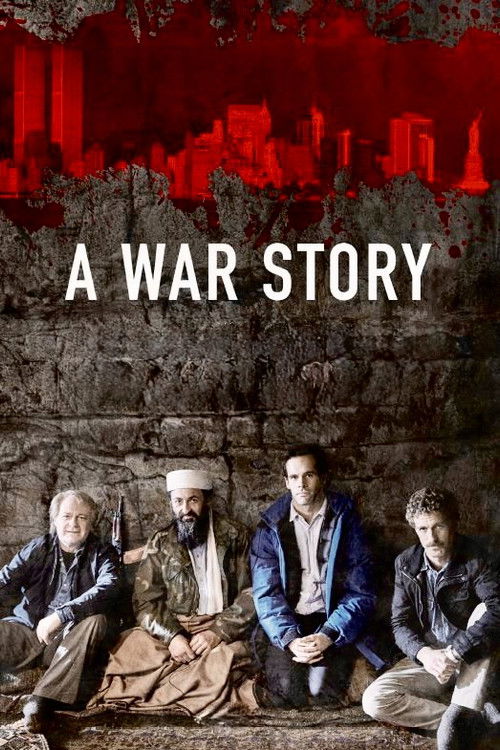
A searing account of war correspondent Michael Ware's seven years reporting in Iraq--an extraordinary journey that takes him into the darkest recesses of the Iraq War and the human soul.
Michael Ware
as Himself
Painter Zdzisław Beksiński, his wife Zofia and their son Tomasz, a well-known radio journalist and translator, were a typical and unconventional family, both at the same time. One of the father’s obsessions was filming himself and his family members. Using archival footage only, shot primarily by Zdzisław, as well many other materials, which have not been presented anywhere so far, the film tells a tragic story of the Beksińskis that has never ceased to fascinate Polish filmmakers.
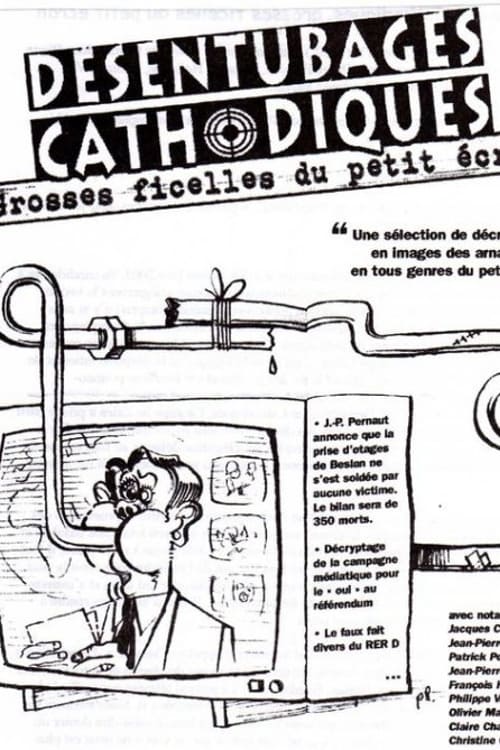
From falsehood to mystification to manipulation and false impartiality, the whole logic of disinformation and brutality is brought to light. When the king of the media and his politico-journalistic buffoons are sifted by a radical counter-audiovisual power, the discredit of the "elites" sanctioned by the referendum of May 29, 2005 is better understood. With this film, Zalea TV's team had decided to laugh about it and make them laugh, even if at bottom these discoveries were rather disturbing. By staging a series of very simple techniques of "self-defense", this film is an invitation to self-disengage permanently. The use of the TV-B Gone, an instrument whose sole function is to turn off the television, appears here as the ultimate resort to media criticism.
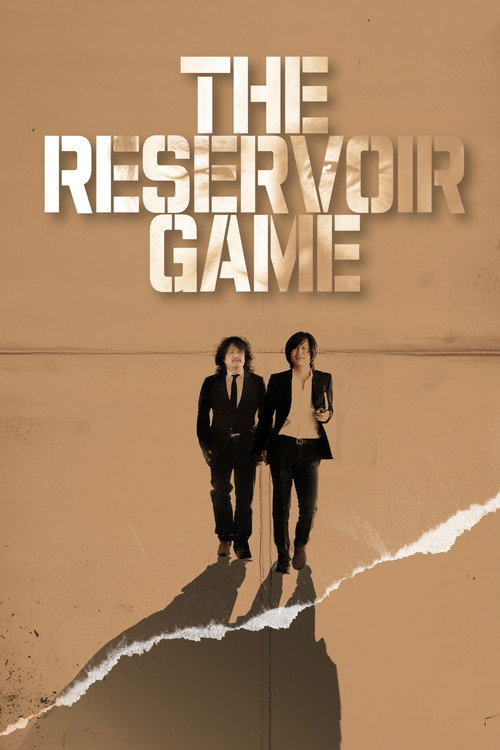
An investigative reporter seeks to expose the whereabouts of a slush fund belonging to the former president of South Korea, Lee Myung-bak.
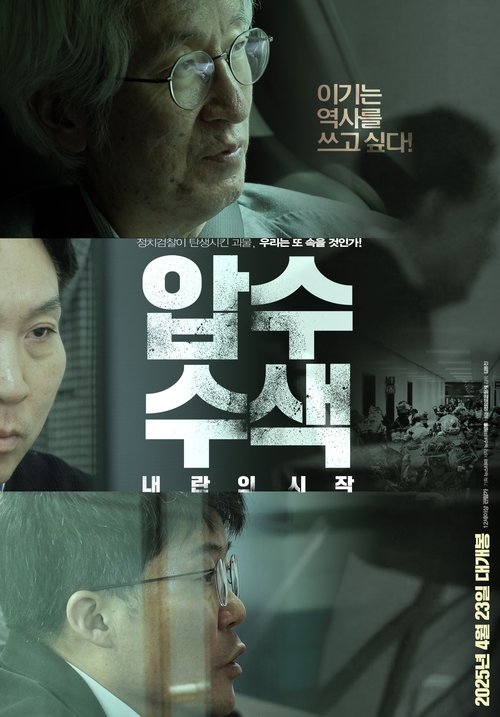
The film follows the 2023 raid by the Seoul Central District Prosecutors' Office on investigative outlet Newstapa. Director Kim Yongjin, its former head, traces a pattern of political prosecutions against critical journalists—from reports on Yoon Suk-yeol to Cho Kuk and Kim Keon-hee. Combining on-site footage, journalist testimonies, and legal records, the film reveals how special funds were used to pressure the media, silence dissent, and manipulate public opinion. It is a powerful reminder of the ongoing struggle to protect press freedom and democratic values in South Korea.
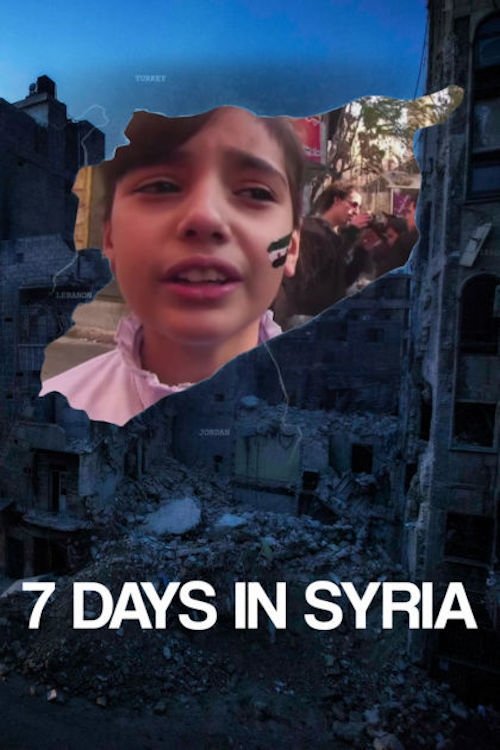
In the most dangerous country in the world for journalists, Newsweek Middle East editor, Janine di Giovanni, risks it all to bear witness, ensuring that the world knows about the suffering of the Syrian people.
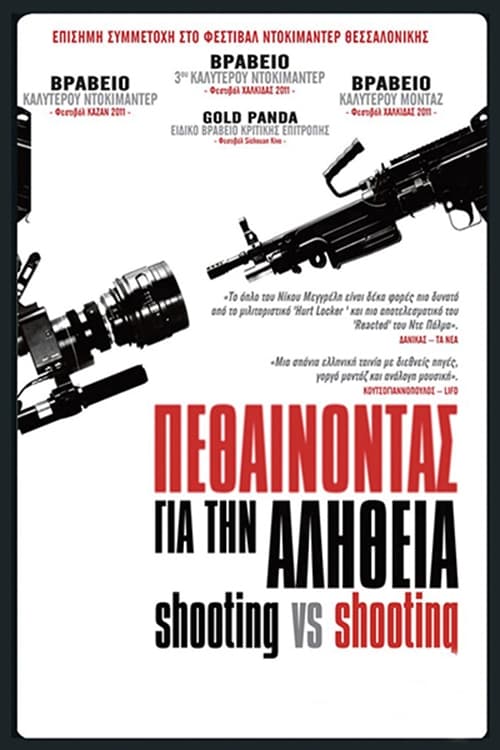
The film – documentary “Shooting vs Shooting” presents a group of astonishing stories about journalists who were afflicted in the Iraq war, by following a journalist’s journey in Baghdad in 2009 and the story of a mother who seeks for an answer to the question why her son got killed while his only weapon was his camera. “Shooting vs Shooting” narrates incredible moments and adventures, reveals unknown sides to the facts and shows the dramatic stories of media workers who lost their lives, trying to freely broadcast the truth to the public opinion. Through the documentary, we witness the absurdity of war, the responsibilities of governments and armies and the atrociousness of blinded fanatics.
An emotive, intimate film on the life and death of acclaimed young Northern Irish journalist Lyra McKee, whose murder by the New IRA in April 2019 sent shockwaves across the world. Directed by her close friend Alison Millar, the film seeks answers to her senseless killing through Lyra’s own work and words.
Journalist David Farrier stumbles upon a mysterious tickling competition online. As he delves deeper he comes up against fierce resistance, but that doesn’t stop him getting to the bottom of a story stranger than fiction.
Based on Lee Smith's book of the same name, this documentary follows the story of the biggest political scandal in U.S. history.
In 2019, the multi-awarded filmmaker Nahid Persson Sarvestani (My Stolen Revolution, Prostitution Behind the Veil) filmed the Iranian journalist based in France Roholla Zam, who exposed the Iranian regime money laundering. Months later, Rohollah was lured by moles to Iraq and kidnapped to Iran. After 14 months in prison, he was executed.
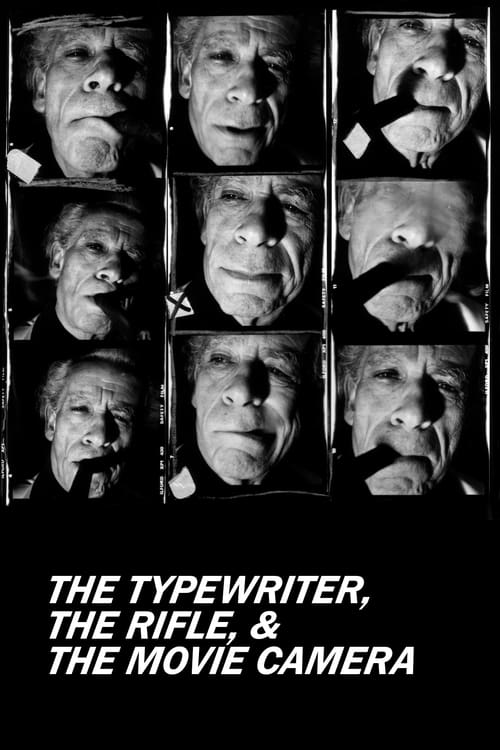
In a documentary about Samuel Fuller, the spectator gets different impressions about the Hollywood director and his films. The film is divided into the three sections: The Typewriter, the Rifle and the Movie Camera. The first segment covers Fuller's past as a newsman where he began as a copy boy and ended as a reporter. Part two describes Fuller's experiences in World War II, in which he participated as a soldier. The last section focuses on Fuller as director. Tim Robbins interviews Samuel Fuller revealing the director's own memories and impressions. Beside the interview, Jim Jarmusch, Martin Scorsese and Quentin Tarantino accompany the documentary with their comments.
Investigative journalist, Jeremy Scahill is pulled into an unexpected journey as he chases down the hidden truth behind America's expanding covert wars, and examines how the US government has responded to international terrorist threats in ways that seem to go against the established laws of the land.
Documentary examining Bokassa's rule in the Central African Republic using the testimony of witnesses and visits to key sites.
Memories of his four-year journey focused on the Hong Kong protests. Narrated in the first person, is rich with reflections and contemplations, most intertwined with feelings of guilt.
Hans Werner hirsch aka Surava was a journalist. He wrote about the deportation of French jews, and the Swiss government chased him because the Swiss government was Nazi-friendly. The Swiss intelligence service (Bundespolizei) knew him as a "communist jew". In fact, he worked for a left newspaper, but he wasn't a jew. Surava took his courage to write about the "censored" inhumanity in Europe.
Leo Regan follows his friend, photographer Lanre Fehintola, as he tries to go cold turkey (detox) from heroin in his council flat and without medication.
On the road with experienced journalist Sergio Haro from the Mexican magazine Zeta. Risking his own life, the reporter of the Mexican weekly magazine tirelessly fights corruption and the drug cartels.
Pirated satellite feeds revealing U.S. media personalities’ contempt for their viewers come full circle in Spin. TV out-takes appropriated from network satellite feeds unravel the tightly-spun fabric of television—a system that silences public debate and enforces the exclusion of anyone outside the pack of journalists, politicians, spin doctors, and televangelists who manufacture the news. Spin moves through the L.A. riots and the floating TV talk-show called the 1992 U.S. presidential election.
The story of the legendary wits who lunched daily at the Algonquin Hotel in New York City during the 1920s. The core of the so-called Round Table group included short story and poetry writer Dorothy Parker; comic actor and writer Robert Benchley; The New Yorker founder Harold Ross; columnist and social reformer Heywood Broun; critic Alexander Woollcott; and playwrights George S. Kaufman, Marc Connelly, Edna Ferber and Robert Sherwood.
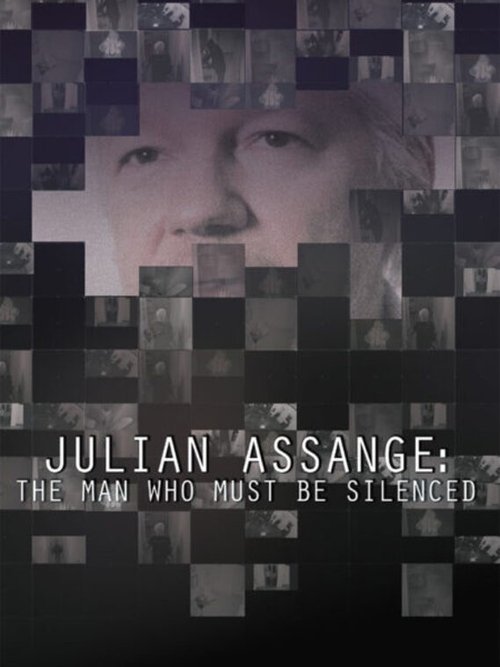
In the spring of 2010, Julian Assange published classified documents that shed a harsh light on the war crimes committed by the United States in Afghanistan and Iraq.