Doctors, nutritionists, authors and entrepreneurs from 4 countries share why they choose to go against conventional health wisdom to promote Paleo. The film also reflects on how they were profoundly transformed by the lifestyle beforehand.
John Briffa
as Himself
Cain Credicott
Dr. John Briffa
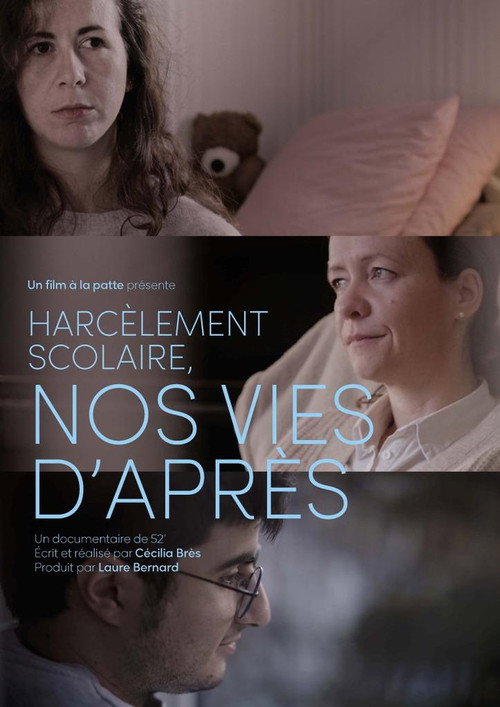
What if we changed viewpoints? "Bullying, our lives after" highlights the suffering of adults who were once bullied pupils. Ten, twenty or thirty years later, trauma is still present. Following Nathalie, Laurine and Samuel, this movie shows the long-term implications of bullying, pointing out a real failure of the educational institution and a major public health issue.
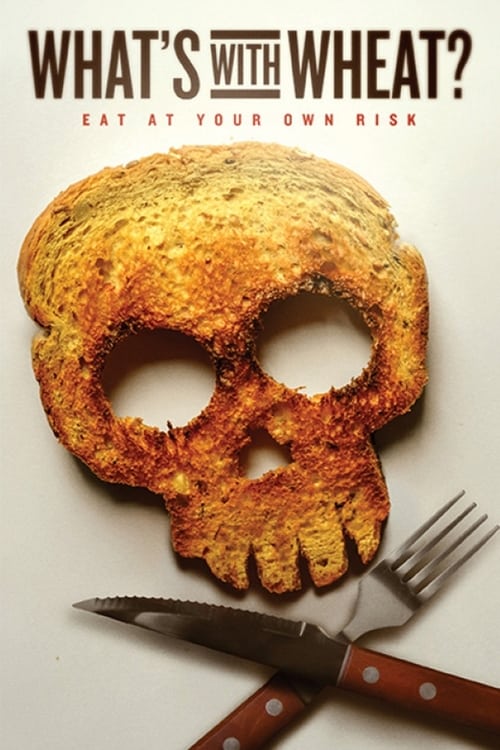
Why are so many people wheat-intolerant or sensitive to wheat? And why is wheat linked to so many modern-day health problems, when it has been a staple of the human diet for thousands of years? In this documentary, a nutritionist interviews 14 experts, to understand how wheat has changed since it was first cultivated, how these changes could be affecting human health, and how people can break a dietary cycle that could be making them sick.
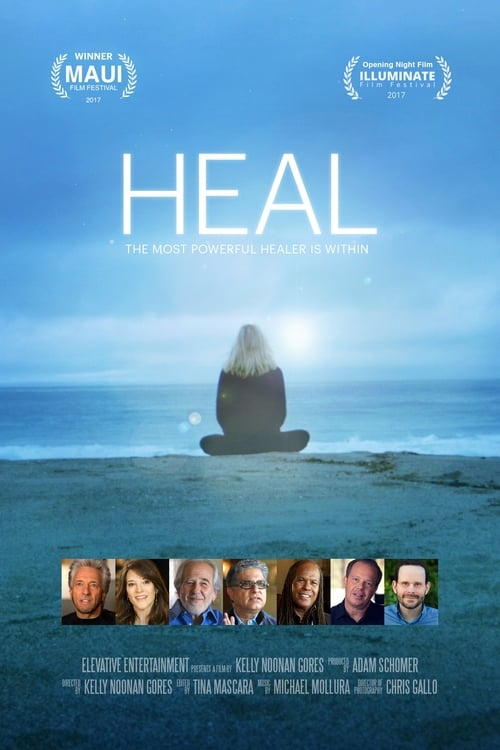
A documentary film that takes us on a scientific and spiritual journey where we discover that by changing one's perceptions, the human body can heal itself from any disease.
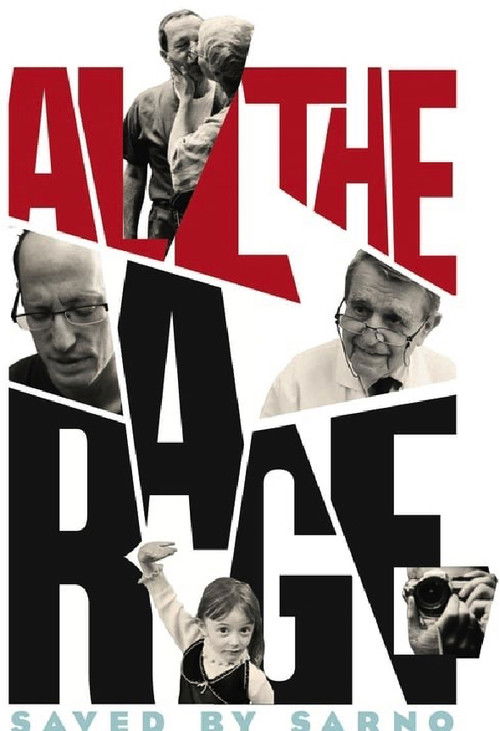
America is experiencing an epidemic of pain. One man has the answer to the problem yet the medical establishment has ignored him. For nearly 50 years, Dr. John Sarno has been single-handedly battling the pain epidemic by focusing on the mind-body connection and the nature of stress and the manifestation of physical ailments. With a renowned practice in rehabilitative medicine at NYU he is also a bestselling author of numerous books that deal with psychosomatic disorders. Filmmaker Michael Galinsky's family has a long history with Dr. Sarno and their experience will be woven into the fabric of the film, alongside well known patients, including Howard Stern, John Stossel, Jonathan Ames, Larry David, and many others.
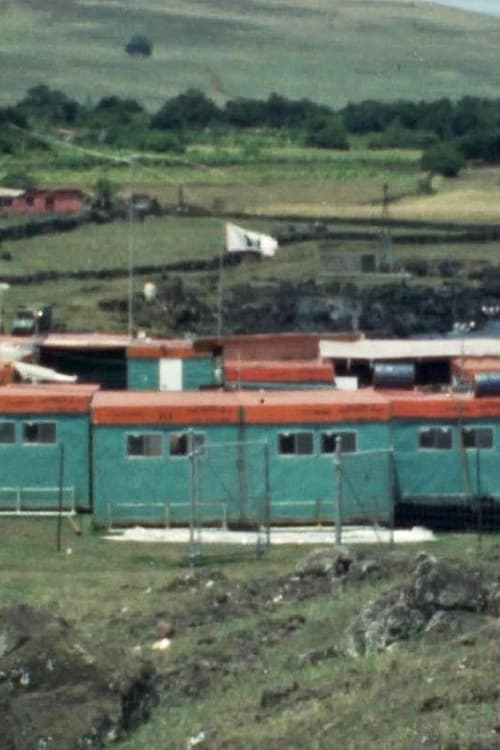
A film record of M.E.T.E.I. (Medical Expedition to Easter Island), one of the most unusual scientific enquiries ever launched, headed by a McGill University research team. While the film is concerned mainly with the physical condition of Easter Islanders, it also provides glimpses of island activities, a village wedding, and the famous long-faced stone sculptures.
FRONTLINE and NPR investigate the growing inequities in American healthcare exposed by COVID-19. The Healthcare Divide examines how pressure to increase profits and uneven government support are widening the divide between rich and poor hospitals, endangering care for low-income populations.
“Food Relovution: What We Eat Can Make A Difference” is an eye-opening and compelling feature documentary that examines the consequences of the meat culture as concerns grow about health, world hunger, animal welfare and the environmental cost of livestock production. It aims to show how these global issues affect everyone and are interrelated, and how making our food choices with a sense of awareness, knowing what we are buying and what we are eating is the first fundamental step towards a better world.
The film recounts the incredible research conducted by François Cartault, a pediatrician and geneticist on the island of Réunion. Conducted like a police investigation over more than 20 years, his research, both medical and historical, takes us on a journey through the disease of moon children, deprived of sunlight, and on the trail of slavery in Africa. The film shows how genetics is also an astonishing trace of history.
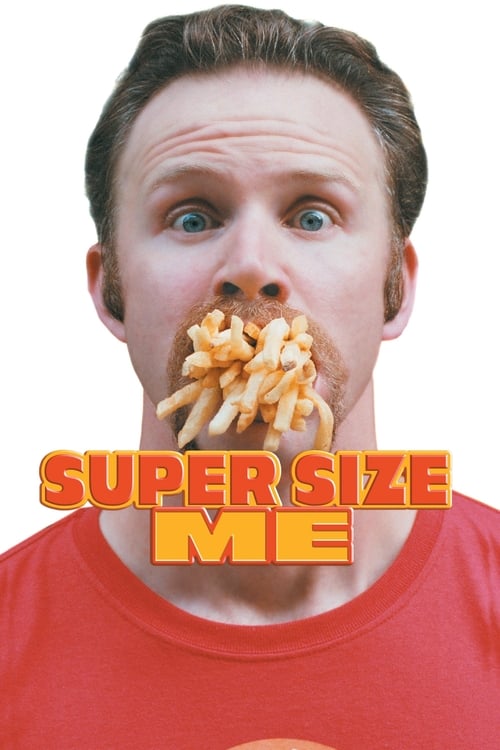
Morgan Spurlock subjects himself to a diet based only on McDonald's fast food three times a day for thirty days without exercising to try to prove why so many Americans are fat or obese. He submits himself to a complete check-up by three doctors, comparing his weight along the way, resulting in a scary conclusion.
This film focuses on the basics of adapting to life in England.
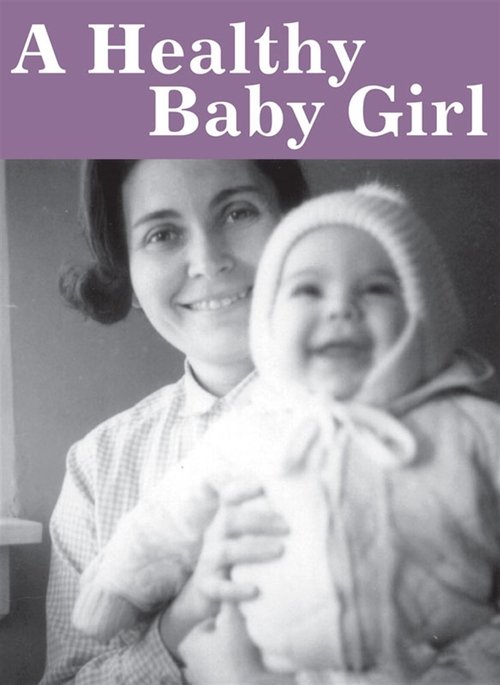
Filmmaker Judith Helfand turns the camera on herself to document her battle with cancer caused by DES, a drug prescribed to her mother during pregnancy. Refusing to confine the tears, rage, laughter and hope to dinner table conversations, Helfand invites us to witness her personal journey from radical hysterectomy patient to vocal opponent of toxic exposure. From her suburban home to the halls of Congress, the intensely private becomes widely public, and an American family is transformed and strengthened.
After discovering their child's life-altering sensitivity to synthetic dyes, parents and first-time filmmakers set out to uncover the impacts of these additives. They journey to meet with the world's leading synthetic dye experts, conducting in-person interviews with scientists, researchers, and impacted families. This exploration reveals a series of shocking stories and surprising discoveries.
In Nigeria, a young Canadian doctor serves in a local mission hospital and learns much from the experience. Stationed abroad under the Canadian University Service Overseas Plan, Dr. Alex McMahon and his schoolteacher wife find every day a fresh challenge. An interesting study of intercultural help.
With nutritionally-depleted foods, chemical additives and our tendency to rely upon pharmaceutical drugs to treat what's wrong with our malnourished bodies, it's no wonder that modern society is getting sicker. Food Matters sets about uncovering the trillion dollar worldwide sickness industry and gives people some scientifically verifiable solutions for curing disease naturally.
The world is facing a “pandemic” of chronic disease – heart disease, diabetes, cancer, obesity, asthma, kidney and liver disease, Alzheimer’s, autoimmune diseases, allergies and skin conditions and many, many more. This year more than 36 million people will die from degenerative conditions – more than from all other causes put together*, and that number is expected to rise to over 50 million within 15 years. At the same time, the amount spent trying to treat these diseases with pharmaceutical drugs is expected to rise by 50% to more than $1.2 trillion! One summer Jason Vale took eight people who collectively suffered from 22 different chronic diseases and put them on his ‘Juice Only’ diet for 28 days. Could these different diseases with their many different prescribed drugs be improved and even cured by one thing? Maybe it’s time to get Super Juiced!
NOVA takes you inside the operating room to witness organ transplant teams transferring organs from donors to recipients. Meet families navigating both sides of a transplant, and researchers working to end the organ shortage. Their efforts to understand organ rejection, discover ways to keep organs alive outside the body, and even grow artificial organs with stem cells, could save countless lives.
In the cobalt mining areas of Katanga in the Democratic Republic of the Congo (DRC), babies are being born with horrific birth defects. Scientists and doctors are finding increasing evidence of environmental pollution from industrial mining which, they believe, may be the cause of a range of malformations from cleft palate to some so serious the baby is stillborn. More than 60% of the world’s reserves of cobalt are in the DRC and this mineral is essential for the production of electric car batteries, which may be the key to reducing carbon emissions and to slowing climate change. In The Cost of Cobalt we meet the doctors treating the children affected and the scientists who are measuring the pollution. Cobalt may be part of the global solution to climate change, but is it right that Congo’s next generation pay the price with their health? Many are hoping that the more the world understands their plight, the more pressure will be put on the industry here to clean up its act.