A compilation of scenes from Sai Enterprise's Guinea Pig, Ginî piggu 2: Chiniku no hana, Ginî piggu 3: Senritsu! Shinanai otoko, and Ginî piggu 4: Pîtâ no akuma no joi-san.
In an intense action-filled 85 minutes, you will learn to defend yourself against the mounting threat of “knife culture” offenders.
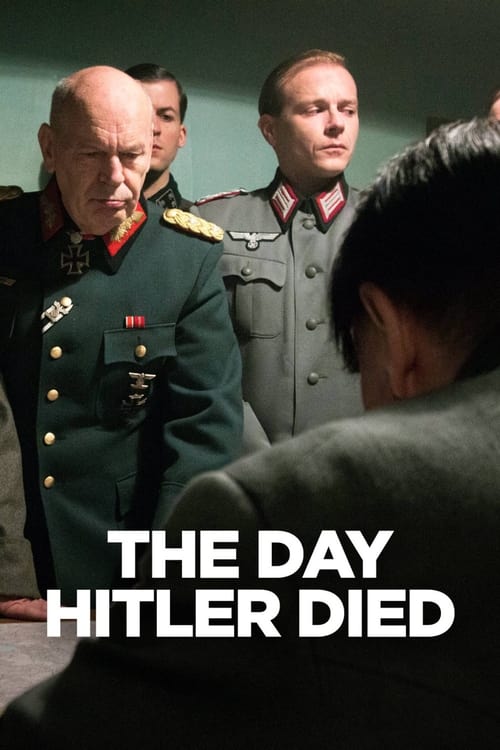
The story of Hitler’s final hours told by people who were there. This special features exclusive forgotten interviews, believed lost for 65 years, with members of Hitler’s inner circle who were trapped with him in his bunker as the Russians fought to take Berlin. These unique interviews from figures such as the leader of the Hitler Youth Artur Axmann and Hitler’s secretary Traudl Junge, have never before been seen outside Germany. Using rarely seen archive footage and dramatic reconstruction, this special tells the story of Adolf Hitler’s final days in his Berlin bunker.
The story of Tasmanian-born actor Errol Flynn whose short & flamboyant life, full of scandals, adventures, loves and excess was largely played out in front of the camera - either making movies or filling the newsreels and gossip magazines. Tragically he was dead from the effects of drugs and alcohol by the time he was only 50 & the myths live on. But there is another side of Flynn that is less well known - his ambitions to be a serious writer and newspaper correspondent, his documentary films and his interest in the Spanish Civil War and Castro's Cuba
Somewhere in Myanmar is a forest rich in amber and controlled by the Kachin Independence Army (KIA). Most of its inhabitants work in a mine, digging the earth night and days in the hope of finding the precious ore that will get them out of poverty. But on top of the excruciating hardship of the work, they also have to fear an attack from the army.
In a quiet village in southern China, Fang Xiuying is sixty-seven years old. Having suffered from Alzheimer's for several years, with advanced symptoms and ineffective treatment, she was sent back home. Now, bedridden, she is surrounded by her relatives and neighbors, as they witness and accompany her through her last days.
An experimental look at the origin of the death myth of the Chinookan people in the Pacific Northwest, following two people as they navigate their own relationships to the spirit world and a place in between life and death.
A documentary about investigators of the International Criminal Court trying to gather evidence of crimes committed in Africa.
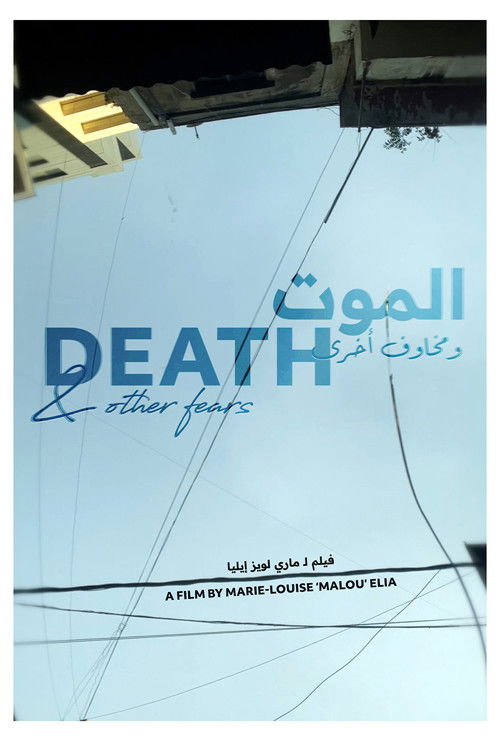
An exclusive interview with Death as he goes about his everyday business.
The Finnish modern dancer Noora Hannula dances through this documentary film in her own explosive style. Noora’s life has always been very connected to the artist environment with her grandfather, Simo Hannula, who throughout his entire life dedicated him fully to his art. Noora and her grandfather crossed paths when Noora used a picture of his dead body in her show and now we meet Noora working on her newest show: The Era of No Talent Rising, while she is trying to figure out where her own limits are.
A collection of death scenes, ranging from TV-material to home-made super-8 movies. The common factor is death by some means.
My Flesh and Blood is a 2003 documentary film by Jonathan Karsh chronicling a year in the life of the Tom family. The Tom family is notable as the mother, Susan, adopted eleven children, most of whom had serious disabilities or diseases. The film itself is notable for handling the sensitive subject matter in an unsentimental way that is more uplifting than one might expect.
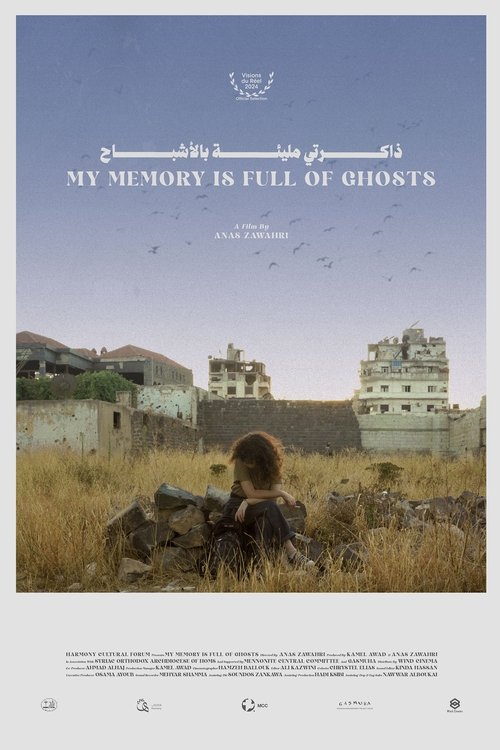
I meet Herbert in the same week I get diagnosed with cancer. We fall madly in love and plan to stay together for the rest of our lives. Three months later, he is dead. Herbert was a BASE Jumper. Leaping off a cliff with nothing but a parachute, he loses his balance, slams into the rock face and falls to his death. His loss in the midst of my chemotherapy completely throws me. Why does he gamble his life away, while I fight for mine? Desperate for answers, I return to Lauterbrunnen, the scene of the accident where Andreas, his best friend and coach, introduces me to the world of BASE. The jumpers teach me not only about the sport, but about facing fears, harnessing and controlling them. To make the most of the life we get. In the Swiss Death Valley I slowly find my way back to life.
In New Jersey, the Good Grief community focuses on a holistic way of dealing with grief, where children can give in to rage in ‘the volcano room,' and say goodbye to a dying teddy bear patient in ‘the hospital room.' Over the course of a year, we follow the weekly meetings and get close to Kimmy, Nicky, Peter, Nora, Nolan, and Mikayla and their close companion: grief. It is sometimes heartbreaking, but also humorous, to experience the questions about life and death through their open and curious minds. Grief is high and heavy as a mountain, but it helps you understand what has happened, and that death is irreversible.
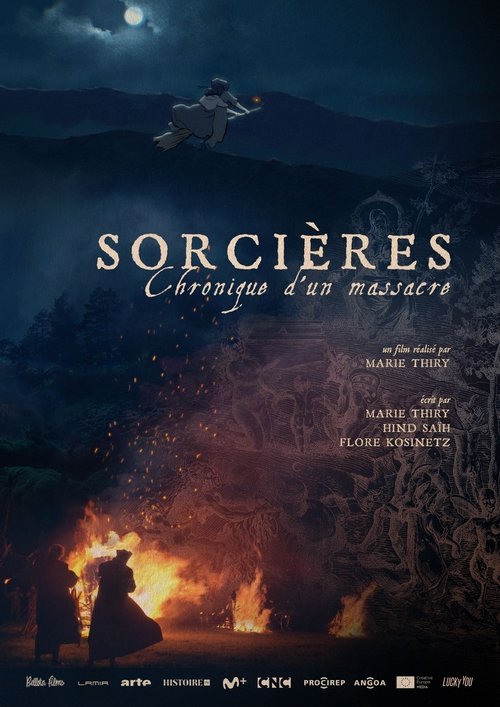
Can science help us understand these crimes?
Six conflict photographers reflect on their experiences capturing the atrocities of war and other manifestations of violence on film.
A doctor's efforts to live a green life near the Appalachian Mountains lead to the development of a radical idea to use green burials to conserve one million acres of land and to create wildlife reserves.
Making Dust is an essay film, a portrait of the demolition of Ireland's second largest Catholic Church, the Church of the Annunciation in Finglas West, Dublin. Understanding this moment as a 'rupture', the film maps an essay by architectural historian Ellen Rowley on to documentation of the building's dismantling. Featuring oral interviews recorded at the site of the demolition and in a nearby hairdressers, the film invites viewers to pause and reflect on this ending alongside the community of the building. The film is informed by Ultimology, and invites its audience to think about the life cycles of buildings and materials, how we mourn, what is sacred, how we gather, what we value and issues of sustainability in architecture.
"What could be more unsettling than a man close to death whose profound arrogance drives him relentlessly to hang onto both his power and his writing, to the bitter end?" In the twilight of his second seven-year term, François Mitterrand was alone. Ravaged by illness and abandoned by a large majority of the Socialist Party, who would not forgive him for the disastrous outcome of the March 1993 elections, the Head of State was preparing to tackle a second round of cohabitation with the right wing. However a series of unexpected tragedies and revelations would arise, casting a shadow over the end of his reign…
Brief scenes of death related material: mortuaries, accidents and police work are filmed by TV crews and home video cameras. Some of it is most likely fake, some not as much.