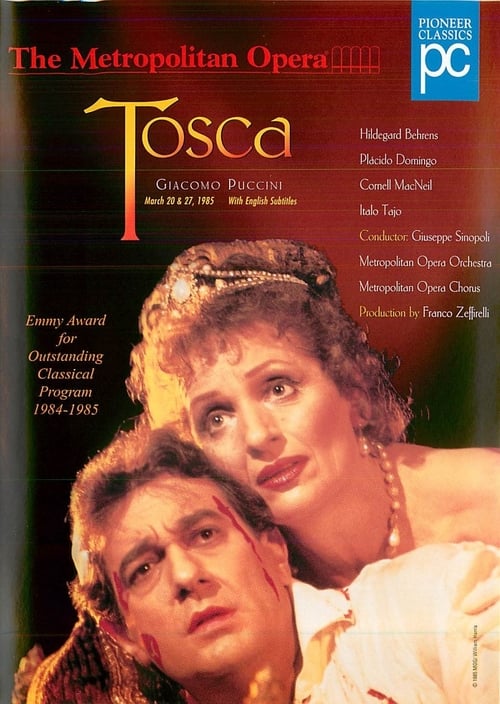
Features: Mario Del Monaco Leyla Gencer Ettore Bastianini Fedora Barbieri Laura Londi Plinio Clabassi Orchestra Sinfonica e Coro di Milano dell RAI Radiotelevisione Italiana
Leyla Gencer
as Leonora
Ettore Bastianini
as Il Conte di Luna
Fedora Barbieri
as Azucena
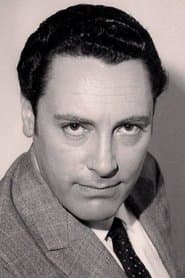
Mario Del Monaco
as Manrico
A live performance of Giuseppe Verdi's opera.
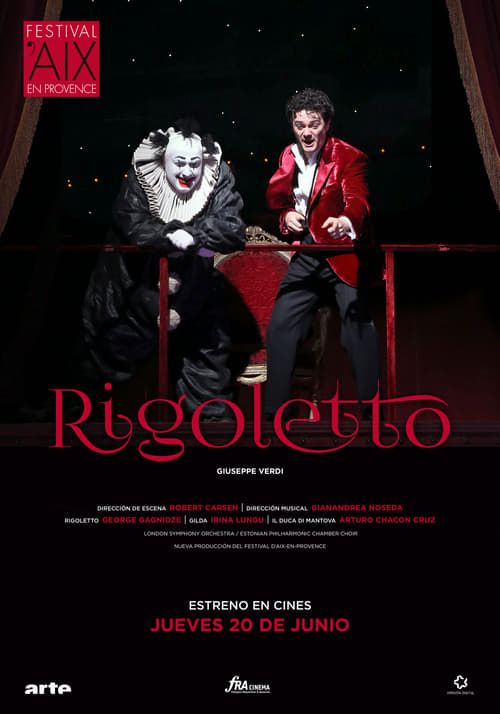
In celebration of Verdi's 200th birthday in 2013, the Festival d’Aix-en-Provence produced the composer's colorful masterpiece Rigoletto for the first time in its history. Verdi expert Gianandrea Noseda conducted the London Symphony Orchestra in a production that marked the return of the Canadian stage director Robert Carsen to the festival following a 17 year hiatus. Carsen sets his interpretation of this classic opera in the cutthroat world of the circus. Based on Victor Hugo's play Le roi s’amuse, Verdi's opera in three acts Rigoletto premiered in 1851. Similar to the play that inspired it, the opera faced censorship because of its controversial subject of libertinism at court. The opera’s tragic story revolves around the licentious Duke of Mantua, his hunchbacked court jester Rigoletto, and the jester’s beautiful daughter, Gilda.
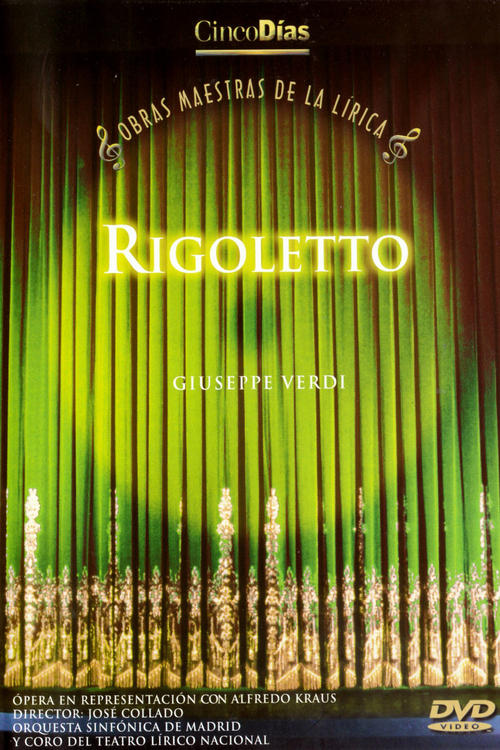
Rigoletto, hunchbacked jester, plans to take revenge on his master, the Duke of Mantua. Teatro de la Zarzuela 1989
Maometto II (or Maometto secondo) is an 1820 opera in two acts by Gioachino Rossini to an Italian libretto by Cesare della Valle. Set in the 1470s during a time of war between the Turks and Venetians, the work was commissioned by the Teatro di San Carlo in Naples. Della Valle based his libretto on his earlier play Anna Erizo. The name of the title character, Maometto II, refers to the real-life Ottoman Sultan and conqueror of Constantinople Mehmed II, who lived from 1432 to 1481.
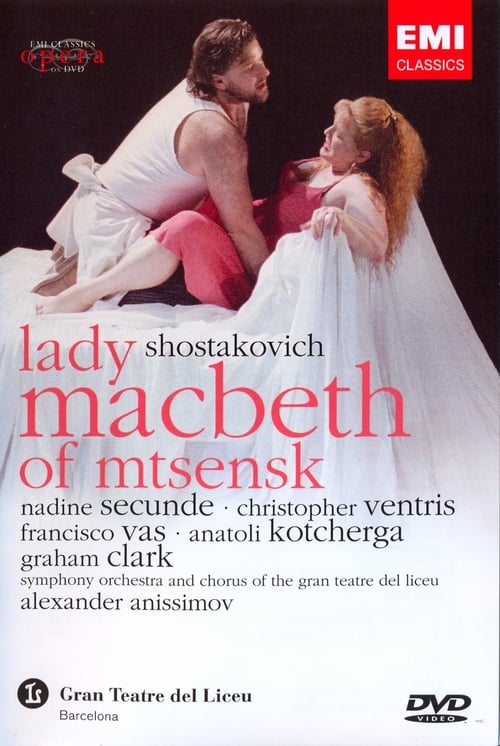
A stage performance of the Shostakovich opera, filmed at the Gran Teatre del Liceu in Barcelona.
Ernani is a gripping drama about love and revenge by Giuseppe Verdi. Written in his unique style it brims with poignant arias, rousing choruses and enthralling ensemble scenes. The rebel leader Ernani recognises his father's murderer in the Spanish King Carlo and seeks revenge on him. Both men love Elvira – as does old Silva whom she is to be married to ... Director Lotte de Beer and her set and costume designer Christof Hetzer devote themselves to the fictional plot which bears references to the 16th century. They demonstrate their rich scenic imagination in this production, conducted by Enrique Mazzola who “provides musically magic moments at the stand of the Wiener Symphoniker” (Schwäbische Zeitung). “Great singers, fiery music and an action-packed staging” (Allgäuer Zeitung). “A mixture of Tarantino’s ‘Kill Bill’ and Monty Python’s ‘The Knights of the Coconut’” (Deutschlandfunk).
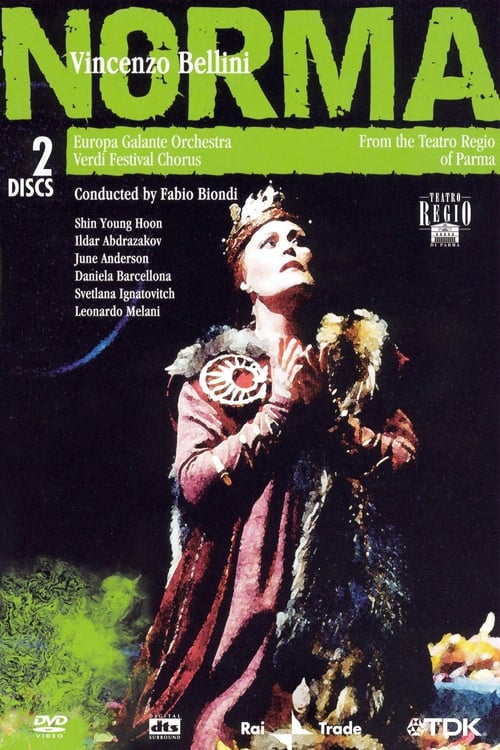
Gaul has been conquered by the Romans. Oroveso, the Arch-Druid longs to lead a Gallic rebellion against the colonial forces. He and all the others wait for the signal to be given by his daughter, the Druid High Priestess Norma. But Norma has fallen in love with the Roman Proconsul, Pollione, and given birth to two children. They have been brought up in secrecy by her confidante Clotilde. Norma still loves Pollione but he has fallen in love with a novice priestess, Adalgisa.
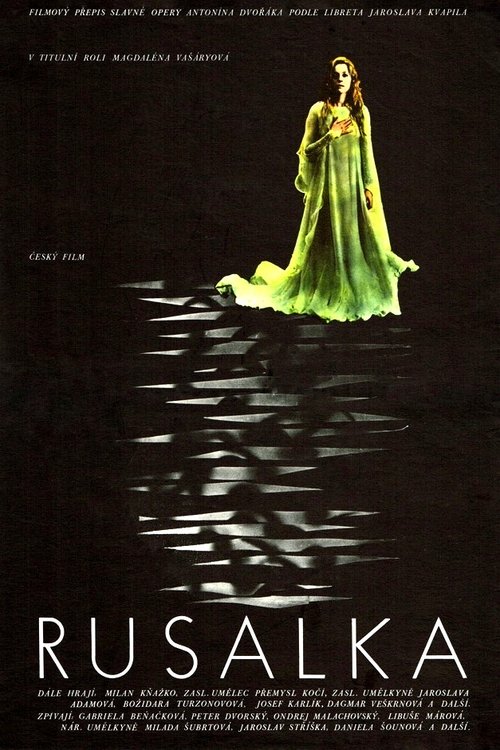
Three arias from Antonín Dvořák´s fairytale opera Rusalka turned in to a movie, sung by Gabriela Beňačková (Rusalka), Libuše Márová (Witch), René Tuček (Hunter).
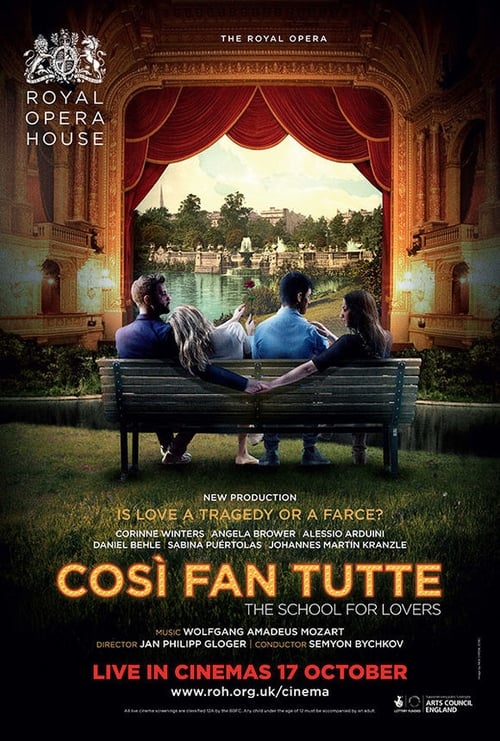
Semyon Bychkov conducts a cast of young, up-and-coming talent including American soprano Corinne Winters in a new production of Mozart’s opera on the nature of love.
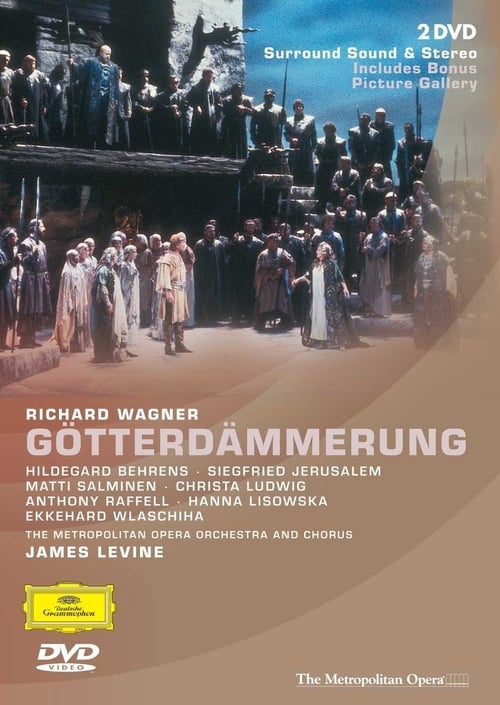
The stupendous climax to Wagner’s four-part Ring cycle is brilliantly realized by the Otto Schenk/Günther Schneider-Siemssen production and byJames Levine’s monumental conducting. The Met orchestra, chorus, and an all-star cast make this Götterdämmerung one that truly rises to the occasion. Hildegard Behrens’s Brünnhilde must be experienced to be believed, as does Matti Salminen’s richly sung, domineering Hagen. At the center of the drama is Siegfried Jerusalem as Siegfried, who does not realize he has been drawn into a plot of betrayal until it is too late. Christa Ludwig is magnetic as Waltraute and Ekkehard Wlaschiha is a compelling Alberich.
Richard Wagner called Die Walküre the “first evening” of the Ring of the Nibelung; he called Das Rheingold the prologue or Vorabend. Musically and dramatically, we are introduced to a radically new and different world when the opening bars of Die Walküre resound. A fully developed orchestral palette of Leitmotivs paints a wild storm scene, and the curtain rises on a modest dwelling: a fully human scene that has nothing to do with the gods, dwarves and nymphs of Das Rheingold. At the same time, however, the way Die Walküre portrays radical beginnings reveals some telling reminiscences of the unfolding of Das Rheingold. Die Walküre is exciting and deeply feeling drama.
A Night in Tuscany is the first DVD released by Italian singer Andrea Bocelli of a concert held in his native Tuscany, in 1997, highlighting the unique blend of Classical, Pop, and traditional Italian songs that made him a crossover success as an internationally acclaimed tenor. The concert takes place at the Piazza dei Cavalieri in Pisa. Bocelli performs two opera duets with soprano Nuccia Focile during the concert, before singing Miserere with Italian rock star Zucchero, who discovered him, and Time To Say Goodbye with English soprano Sarah Brightman
Live Metropolitan Opera performance March, 1985.