This short film celebrates the hard work, tenacity, and ingenuity of inventors. Highlighted are some seemingly small inventions that have become part of daily life.
Bob Hite
as Narrator (voice)
Since the invention of the automobile, women have distinguished themselves by their daring: the history of women in motor sport.
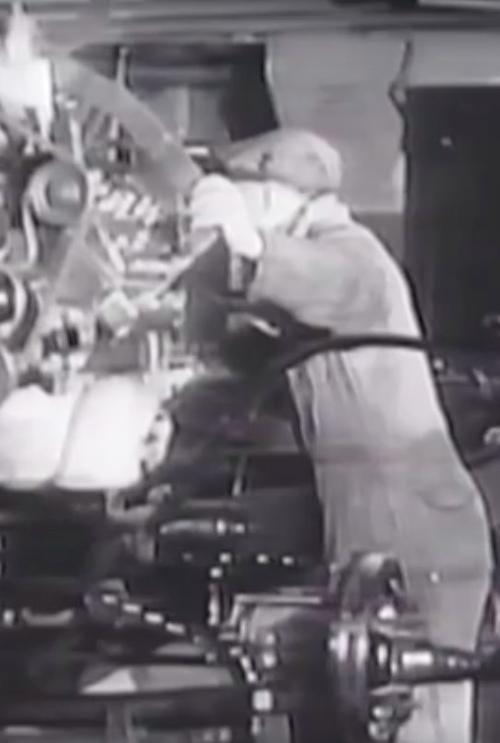
1932 Documentary showcasing the Ford V8 engine.
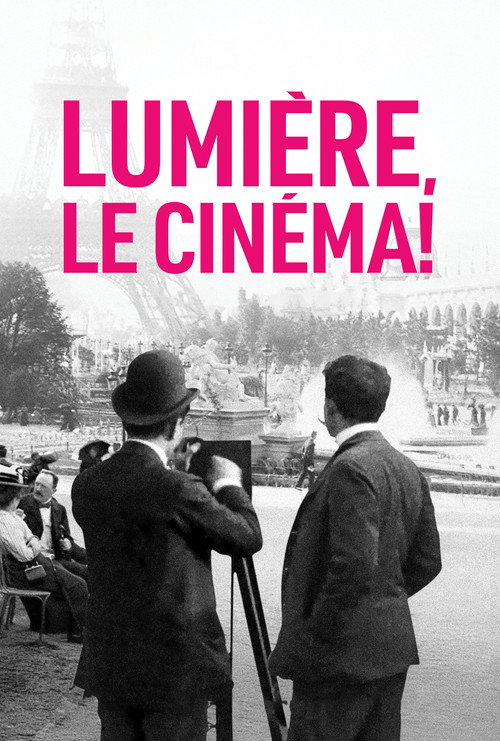
In one of those wonderful coincidences of history, lumière, the French word for “light,” was also the last name of brothers Auguste and Louis, whose brilliant invention, the cinematograph, helped to inaugurate the most beloved art form of the last 130 years. Institute Lumière director Thierry Frémaux uses Lumière, Le Cinema! to guide the viewer through over a hundred shorts—some famous, some forgotten, some never before seen—directed by Lumière and company. In the process, Frémaux illuminates how the brothers employed the camera as a creative instrument as they (and their operators) mastered framing, staging, and subject selection for quotidian and exotic microdocumentaries as well as the first ever fictional motion pictures. The result is not only a glorious re(telling) of the genesis of cinema but a profound meditation on the beautiful world captured—and the mysterious world imagined—by the Lumières.
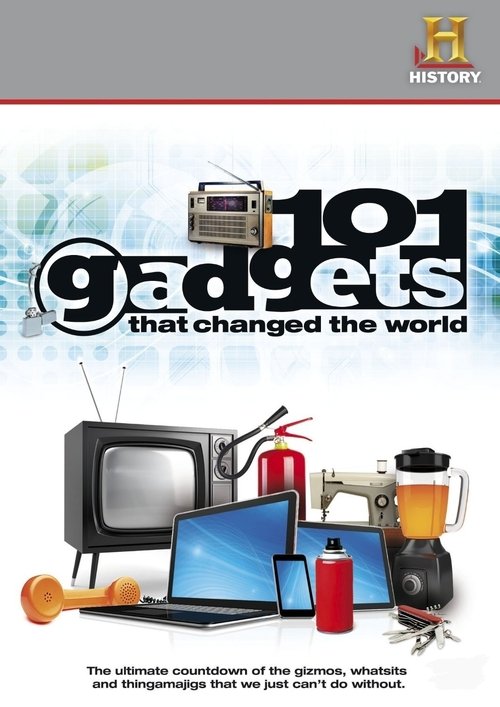
The alarm clock. The personal computer. The smartphone. The radio. You know the greatest gadgets of all time (and you’ve probably owned most of them), but which has changed the world more than any other? To make our list of 101, a gadget had to be something you could hold in your hands, mechanical or electronic, and a mass-produced personal item. The rest was up to the judges. Check out our selections.
The life and career of the hailed Hollywood movie star and underappreciated genius inventor, Hedy Lamarr.
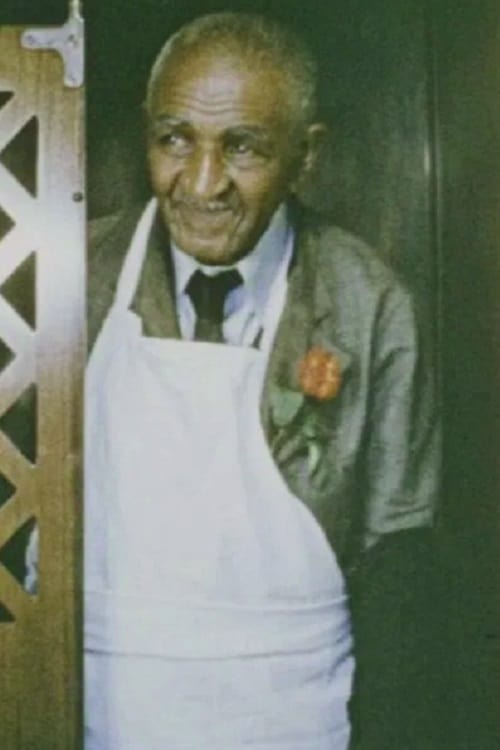
Color footage of inventor George Washington Carver at Tuskegee University in Alabama. Dr. Carver is filmed at his apartment, office, laboratory, and garden.
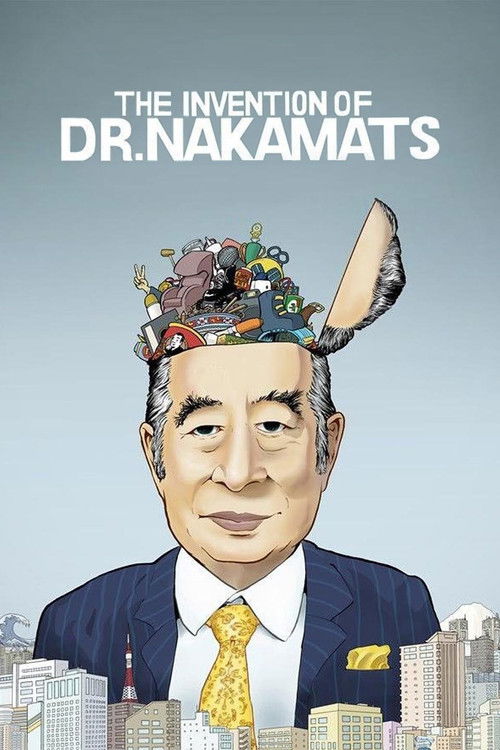
NakaMats is an unlikely character made for the movies, an eccentric 80-year-old Japanese inventor responsible for 3,357 inventions, including the floppy disk. With his deadpan English and impeccable comic timing, he provides nonstop laughs— utterly nutty, but also a paean to the spirit of human invention.
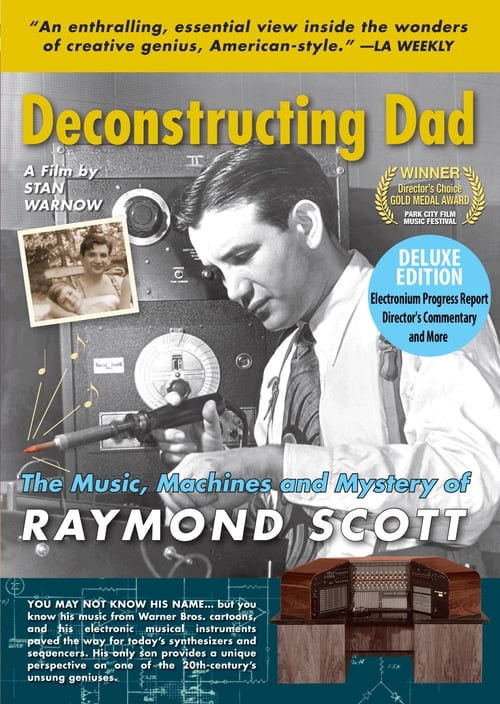
His filmmaker son probes the professional and private lives of his remote but fascinating father: bandleader, composer, inventor, and electronic music pioneer Raymond Scott.
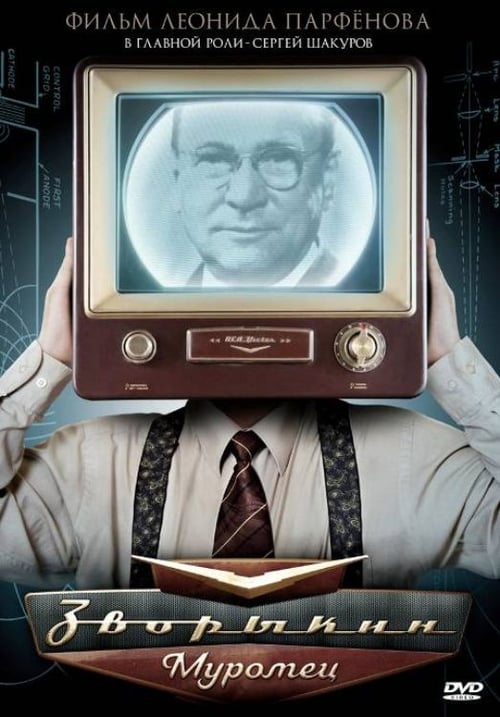
Parfenov's documentary is about a brilliant scientist and engineer, born in Russia, but only known on the other side of the ocean. The invention of modern television changed the history of mankind. The invention has an author, who is almost unknown in his homeland. Vladimir Zworykin, born in Murom, a Russian American, was the person who created distant wireless transmission of images.
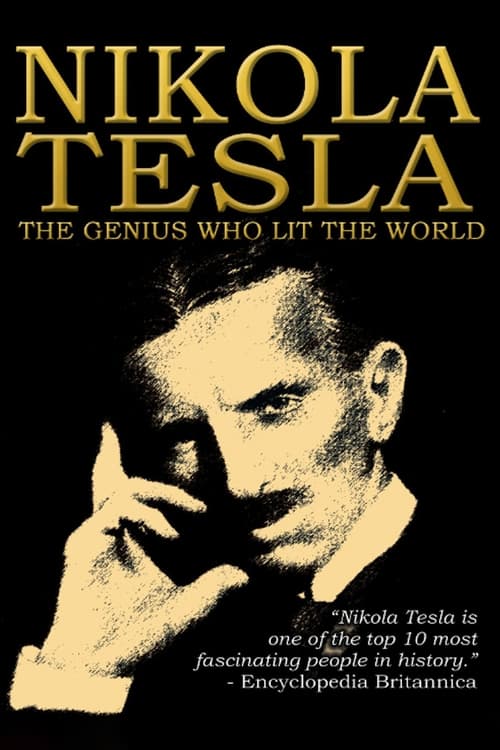
Nikola Tesla is considered the father of our modern technological age and one of the most mysterious and controversial scientists in history.
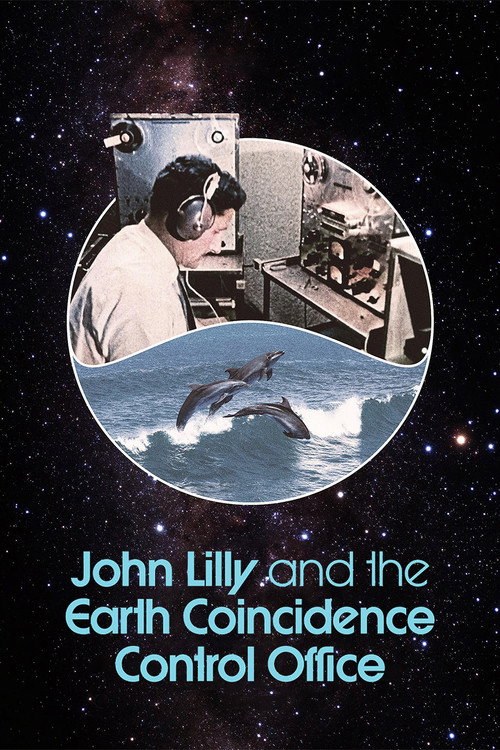
The daring experimenter Dr. John C. Lilly dedicated his life to radical self-investigation and unlocking the mysteries of consciousness and communication. “My body is my laboratory” was the motto, and his research on the language of dolphins and whales – as well as psychedelics and sensory deprivation – assured his own cult status in 20th-century pop culture as the basis for Ken Russel’s Altered States and Mike Nichols’s The Day of the Dolphin. Directors Michael Almareyda and Courtney Stephens, along with narrator Chloë Sevigny, explore the life of a determined scientist and his experiments into the psychonautical unknown.
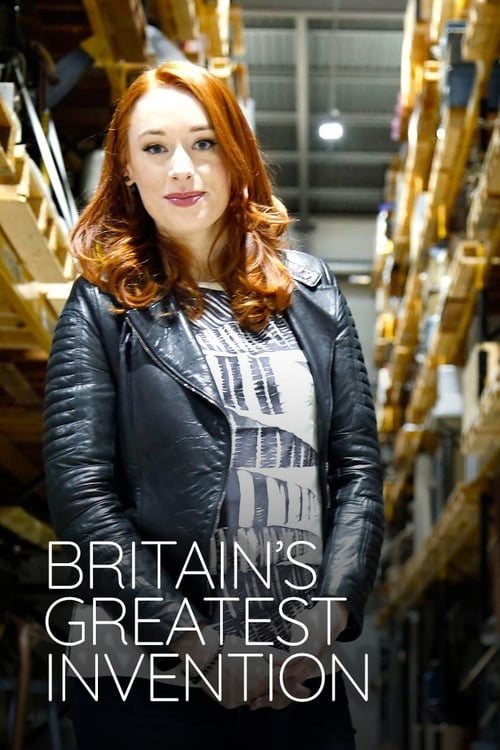
BBC Two takes us inside the world's biggest invention time capsule - the Science Museum vaults - and asks the nation to vote for Britain's Greatest Invention.
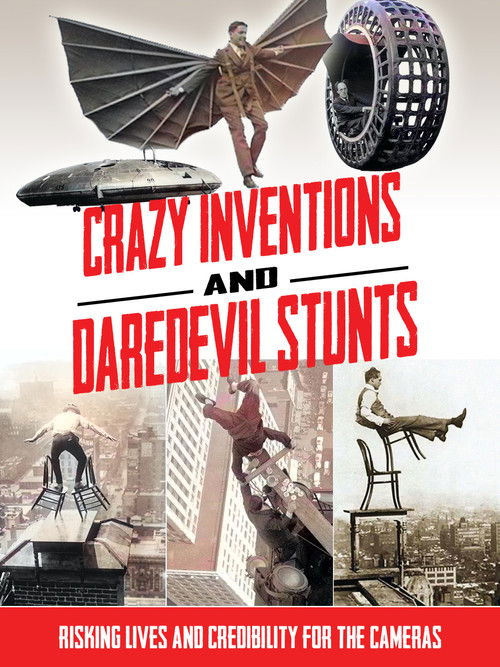
This compilation of rare, vintage footage, is filmed proof that there is no shortage of crazy ideas in this world. You will see thrilling stunts, demonstrations of wacky new machines, flagpole sitting, an early voice simulator, a golf pro machine, the giant harmonica, a matchbox house, hand and mouth players, self-launching lifeboats, rocket airplanes, winged humans, yo-yo experts, and much more.
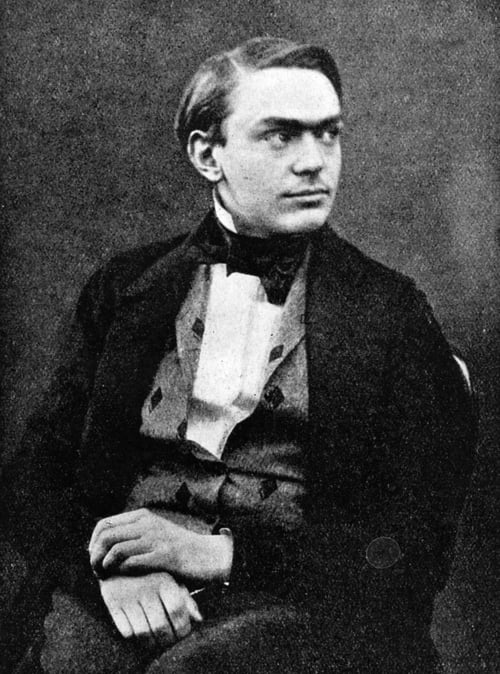
This John Nesbitt's Passing Parade short tells the story of Alfred Nobel, who invented dynamite, and later established the Nobel Prize.
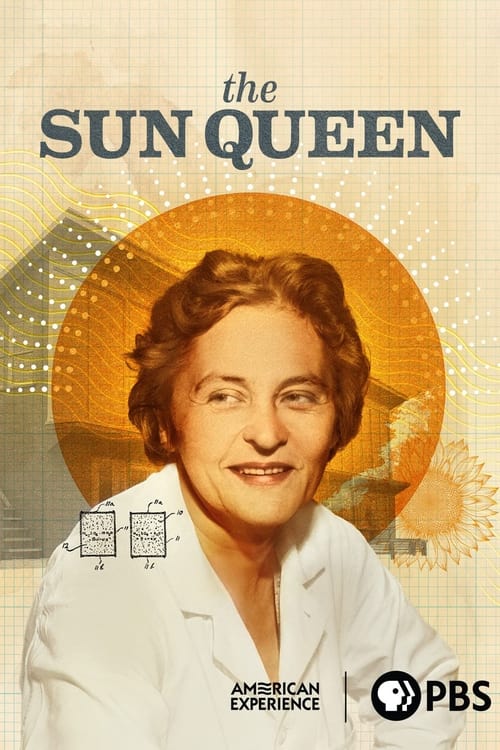
Chemical engineer and inventor Maria Telkes worked for nearly 50 years to harness the power of the sun, designing and building the world's first successful solar-heated modern residence and identifying a new chemical that could store solar heat like a battery. Telkes was undercut and thwarted by her (male) boss and colleagues at MIT, but she persevered. Upon her death in 1995 Telkes held more than 20 patents, and now she is recognized as a visionary pioneer in the field of sustainable energy whose work continues to shape how we power our lives today.
When a YouTube video of Alexandru Duru's hoverboard flight goes viral, the young engineer sets a Guinness World Record and achieves the recognition he desires. But fame and fortune don't come easily. Often mocked and ostracized (until they achieve their goal), inventors see the world in a distinct way. Duru is no different. The son of Romanian immigrants, he's driven by a desire to achieve the impossible—and to cash in. Exploring the banality of Duru's trial-and-error efforts, director Bogdan Stoica is an artistic risk-taker worthy of his subject. He allows contemplative scenes to develop in real-time with immaculate framing; a natural tension builds as we witness Duru strapping the equivalent of high-speed lawn mower blades to his feet. Avoiding the temptation to sensationalize and thus trivialize his subject, Stoica reveals a rich story about immigration, settlement and the human desire to transcend our physical confines. -Alexander Rogalski (Hot Docs Film Festival)
An inventor tries to parent her wall-powered robot son. When he tries to discover a world beyond the boundaries she designed for him, she has to choose between keeping him safe and letting him live on his own.
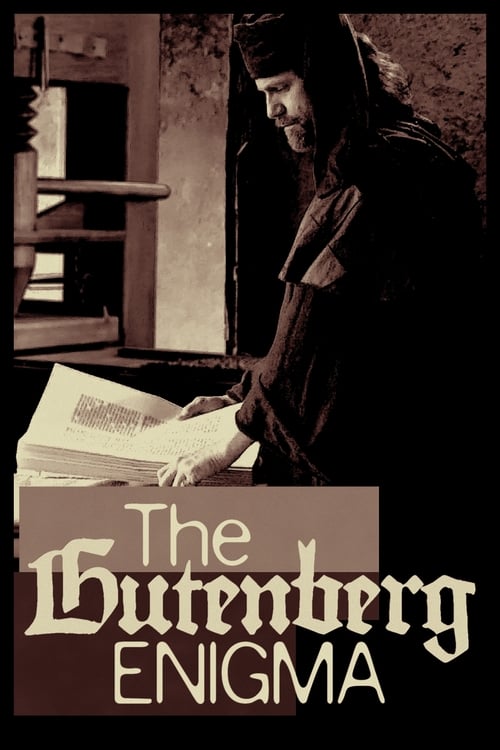
A portrait of the inventor of the letterpress, who was a key figure in the history of mankind, but also an enthusiastic inventor, a daring businessman, a tenacious troublemaker: the life of Johannes Gutenberg (circa 1400-68).