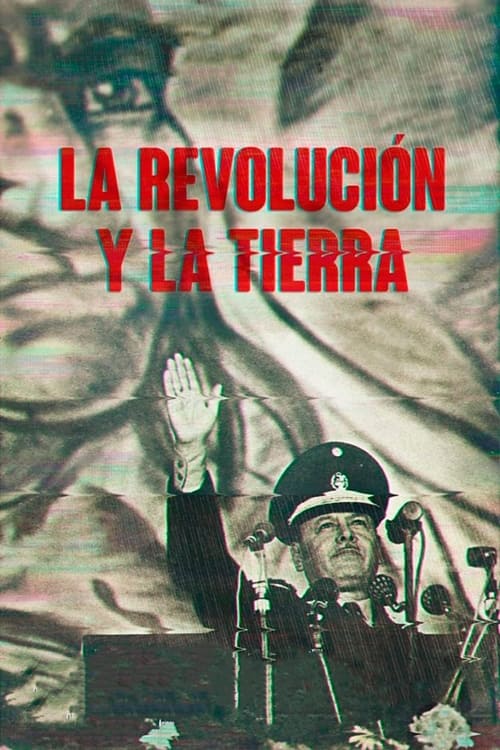
Explores the life and work of English journalist Robert Cox, the former editor of "The Buenos Aires Herald" daily newspaper, whose investigative reporting in the late 1970s exposed the shocking human rights crimes of Argentina's military dictators.
Robert Cox
as Himself
A documentary on the war between the Guatemalan military and the Mayan population, with first hand accounts by Nobel Peace Prize winner Rigoberta Menchú.
In 1968, Orlando Lovecchio was made victim of a guerilla's bomb terrorist attack, which main objective was to fight against the Military Regime. Orlando lost one leg after the world-reckoned attack against the U.S. Consulate in Sao Paulo.
The 100 years of history of the Chosun Ilbo and the Dong-A Ilbo show that wrong press can be a social weapon.
An account of the childhood and youth of the Peruvian writer Mario Vargas Llosa, Nobel Prize for Literature in 2010, and how the hard experiences he lived during these formative years led him to write and publish his first major work when he was only 26 years old.
Lissette's favorite aunt Adriana, who lives in Australia, is arrested in 2007 while visiting her family in Chile and accused of having worked for dictator Pinochet's notorious secret police, the DINA, and of having participated in the commission of state crimes. When Adriana denies these accusations, Lissette begins to investigate her story in order to film a documentary about her.
Amid the civil-military dictatorship implanted with the 1964 coup, Sergio Muniz had the idea of making a documentary about the action of the Death Squad. At the time, the press still had some freedom to disseminate the work of these death squads formed by police officers of various ranks, and that he acted on the outskirts of cities like Sao Paulo and Rio de Janeiro. The victims of police repression (as today) were men, poor and black, and this condition is supposed criminals.
The Documentary tells the story of Jane Vanini from the author's reflections on her militancy-building process. Starting with the meeting of the two during the “Jornadas de 2013”, we will look at Jane's path as we follow steps, from her hometown, Cáceres, to Concepcion, in Chile. It is the possibility of discussing this journey from a personal point of view that makes this project unique and takes us to social, political and human borders. This window is opened to us through Jane's 41 letters to her family, allowing us to glimpse nuances of her intimacy and militancy choices. It was while researching Jane's militancy that the author debated these reflections on his own militant career and the context in which it takes place. Telling Jane's trajectory, going through her family and religious formation and its implications for her activism was one of the moments of encounter between these two days.
Filled with raunchy laughs, this documentary compiles outrageous scenes from sex-comedies that shaped Brazil's "pornochanchada" boom of the 1970s.
A total of 17 journalists have been fired since 2008, the beginning of LEE Myung-bak’s presidential term. They fought against the companies that they worked for succumbing to power and are now frustrated at reality where censorship of the press by authority has now become a norm. Can they continue their activities as journalists?
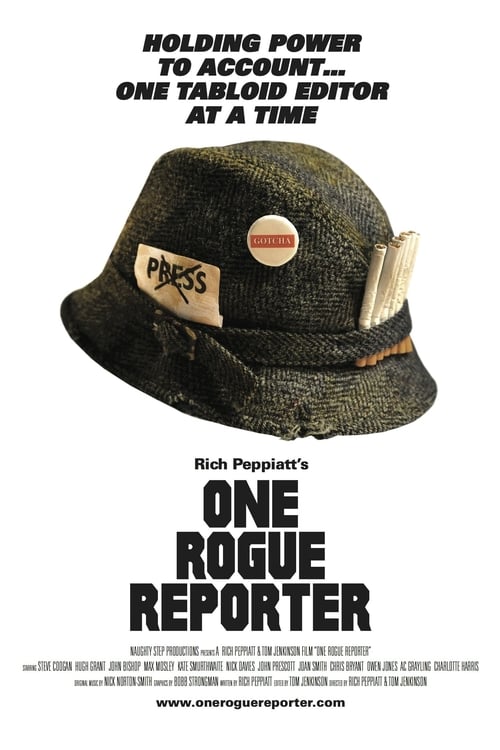
Rich Peppiatt delivers a satirical dissection of the newspaper trade by turning the tables on unscrupulous editors. Through a series of mischievous stunts and interviews with heavyweights of journalism, comedy & politics, Peppiatt hilariously exposes the hypocrisy at the heart of modern journalism.
A sex columnist gains popularity even while a ban on comprehensive sex education in schools is adopted by approximately a third of India’s states.
This feature documentary is a profile of Canadian press tycoon Roy Thomson, whose single-minded attention to business brought him riches, power, and even a baronetcy in England. A native of Timmins, Ontario, Thomson had a tremendous career as publisher, television magnate, financier, and owner of many newspapers, including leading London dailies. The film is a frank study of an equally frank man.
The National Library of France is the guardian of priceless treasures that tell our history, our illustrious thinkers, writers, scholars and artists. Telling the story of the exceptional treasures of the National Library of France is like opening a great history book rich in many twists and turns. Without the love of the kings of France for books and precious objects, this institution would never have seen the light of day. The story begins in the 14th century under the reign of a passionate writer, Charles V, who set up a library in his apartments in the Louvre. But it was not until the 17th century, and the reign of Louis XIV, a lover of the arts and letters, that the royal library took over its historic quarters in the rue Vivienne in Paris, which it still occupies.
The Morning Sun Shines is a fiction-documentary film by Kenji Mizoguchi and Seiichi Ina. The film is a combination of a drama about a reporter, and documentary footage about newspaper production. Only 25 minutes of footage has survived.
A documentary about the controversial businessman Henning Boilesen Jr. and his involvement with the military regime as one of its most enthusiastic supporters, financing it and participating in the tortures of political prisoners. Those actions later culminated in his assassination in 1971 by members of militant groups opposed to the regime.
The story of the University of Brasília, since it was only a project in Darcy Ribeiro's head until the fateful events in August 1968 when its campus was invaded by the police, during the military dictatorship, thus putting an end to its independence.
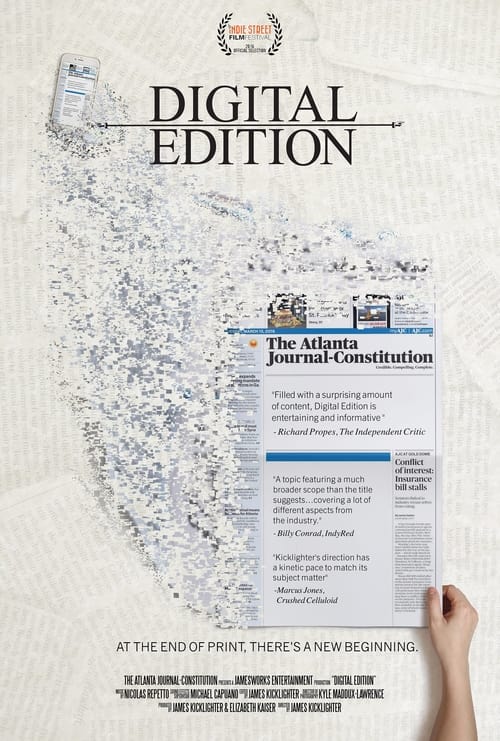
Unprecedented access to the New York Times newsroom yields a complex view of the transformation of a media landscape fraught with both peril and opportunity.
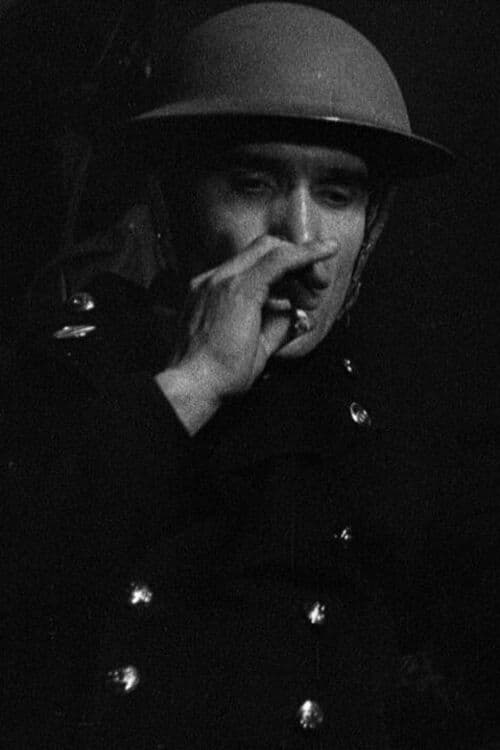
The story of how newspapers were distributed during the Blitz, stressing the importance of an accurate and objective press on the home front.
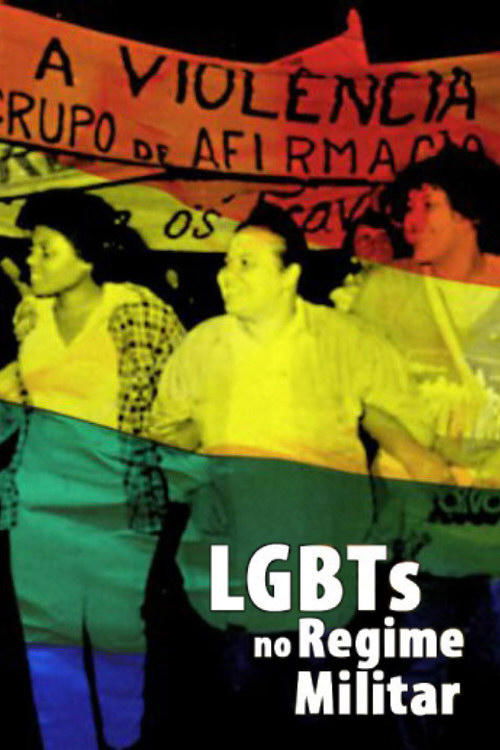
In 1980, the first march of gays, lesbians and transvestites took place in Brazil in protest against the constant police operations that took place in São Paulo, which aimed to repress these groups. Based on Renan Quinalha's doctoral thesis, “Against morality and good customs: the sexual politics of the Brazilian dictatorship (1964-1988)”, carried out by the Institute of International Relations, a series of four 5 minute videos about the birth of the LGBT movement during the Military Regime.