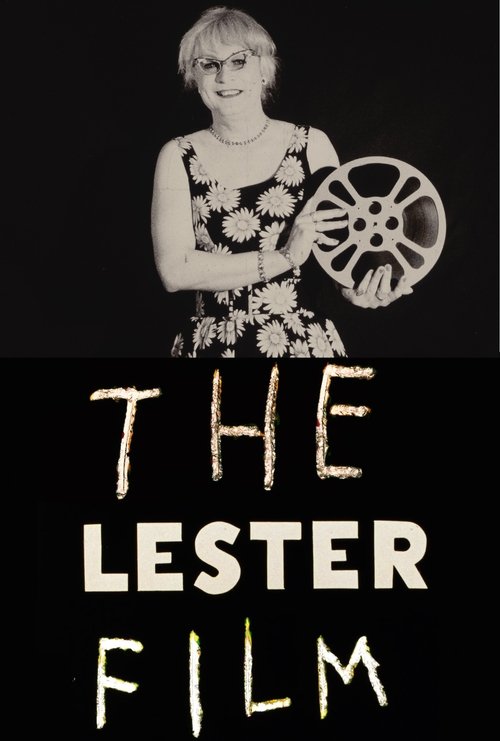
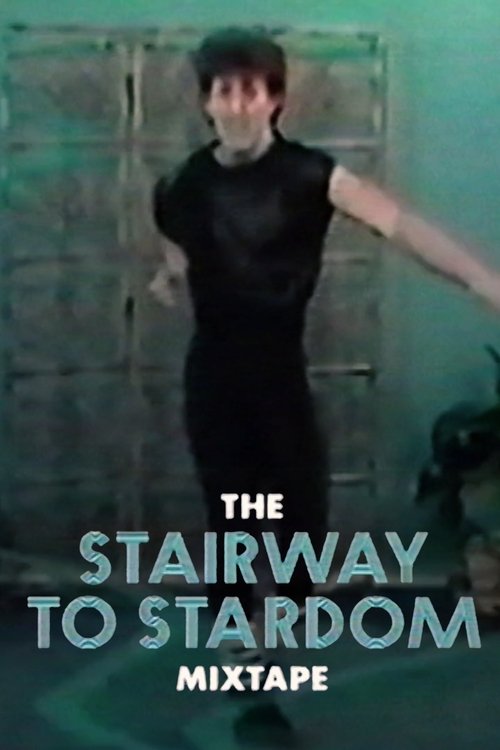
Drawing on VHS tapes of a programme hosted by her mother on Bulgaria’s national television, the filmmaker gives a pop-style and in-depth chronicle of the gentle – even “over-gentle” – 1989 revolution.
Rapidly changing images of natural objects, scenery, animals, plants, and people flicker, flash, tumble, and cascade across the screen.
Found footage anti-war film comprising film documents of the Austro-Hungarian and Italian army on the Alpine front, and from first generation picture material by war-film pioneer Luca Comerio.
shows visual and metaphorical representation using rope as a motif through various rope images and meanings.
It shows Korea’s traditional colors and culture through the use of superimposing. It is an experimental film, which not only tries to show Korean traditional culture through the use of color, but also tries to show the modern history of Korea.
In the Mojave Desert, fields of solar panels follow the sun’s daily journey in perfect synchronicity.
One of Han Ok-hee’s renowned pieces called The Hole uses the flicker, oblique angles, the cross-cutting of reality and fantasy to express inner entrapment and the desire for liberation. Han Ok-hee’s The Hole, The Rope and Untitled not only experimented with cinematic forms of expression, but also played an important role in the protest against forms of expression in experimental films and the artistic protest against the social suppression and censorship in 1970s Korea. (Art Cinema OFFoff)
Experimental short film on the excitement and rush of a day trip
The Displaced View traces a personal search for identity and pride, within the unique and suppressed history of the Japanese in Canada. Through an examination of the emotional and cultural links between the women of one family, the processes of the construction of memory and the re-construction of history, are revealed. Utilizing an innovative combination of experimental, dramatic and documentary forms, the film emerges as a deeply moving and compassionate love letter. Just as the official history of the Japanese Canadians has been thrown into question, so does the film’s fictionalized narrative, question documentary as truth.
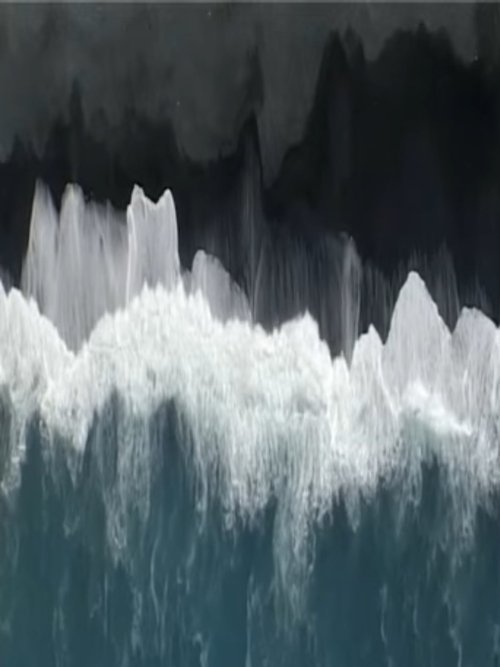
Rainer Kohlberger applied various algorithms to extract the noise from a vast number of action films and used this to reduce the dramaturgy of the narrative to its essence. keep that dream burning oscillates between maximum abstraction and pure blur. Within the blurriness, objects form and disappear. The surface allows the space to be conceived.
In 2008, a real-life mystery began to unfold when a real estate company (name withheld by request) discovered video footage shot in one of its vacant properties. The tapes were acquired by local documentary filmmakers Jarrod Rogan and Haman Movafagh, who began piecing together a series of bizarre instances recorded by a man living in the house. Apparently waiting for his wife and daughter to join him from out of state, the man began documenting strange activity that kept him from sleeping for days on end. The eerie recordings have become the subject of much controversy among paranormal investigators, and are finally being released to the general public. This first documentary from Son of Jason Films challenges audiences to explain what happened in the house on Briar Lane.
Jean-Claude Rousseau's Jeune femme à sa fenêtre lisant une lettre is not only his first medium-length film, but a chance to discover this filmmaker whom Jean-Marie Straub has called, along with Frans Van de Staak and Peter Nestler, the greatest working in Europe. With this newly restored print there is also a possibility to discover the relationship between Rousseau's art of filming and Jan Vermeer's famous painting. As Prosper Hillairet wrote in 1988, four years after Rousseau had finished Jeune femme ... (for the first time as we know today): «Without adopting the usual systematic spirit and form of cinéma structurel, Rousseau presents us with simple images and leaves it at that. Keeps the image in hand. A minimalist and ascetic expression of cinema: a shot that lasts.»
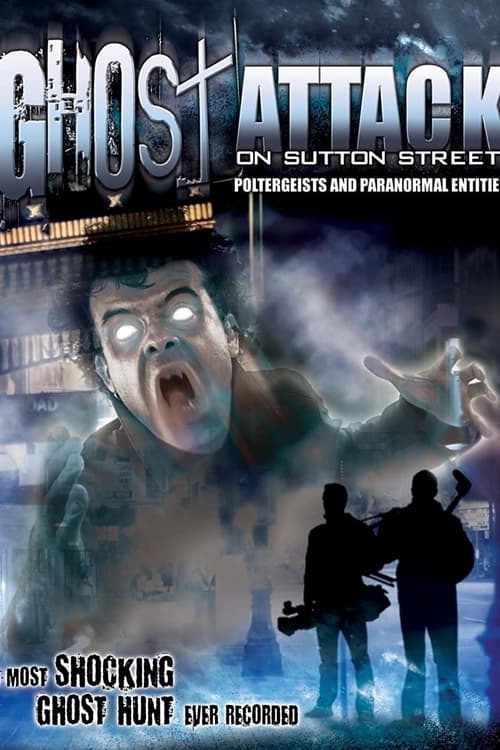
Eyewitnesses across the globe describe encountering the same evil entity.
This film continues along the same lines as F.O.D. 1 with short scenes of material related to death. Mortuaries, accidents, police work are filmed by television equipment and domestic video cameras.
Gory real-life footage of blood and guts on the German Autobahn, drug smugglers getting blown away, a parachutist landing in a crocodile pit, torture and murder in El Salvador, a PCP addict getting stoned, a videotaped rape/murder, a car thief getting ripped apart by two junkyard dogs, and much more.
Contains more than 50 separate scenes of blood-chilling horror, none of which have ever been seen by the public, depicting a cremation, an electrocution, a terrorist destroyed by his own bomb, the massacre of a Columbian wedding party, the drawing and quartering of a Russian peasant and a man-eating tiger turning on its trainer.
A direct-to-video compilation of the highlights of the earlier films in the Faces of Death series.