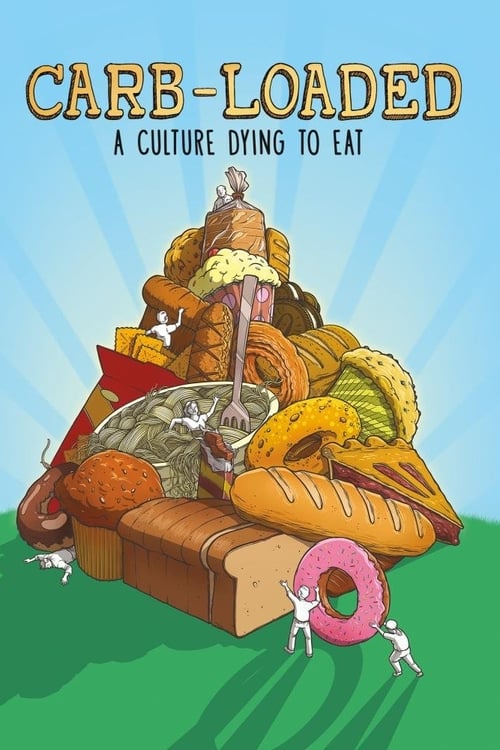
A deep and visually stunning survey of age-old ideas about food, ecological connectedness, and personal happiness. The film's warm cast guide audiences on a transformational journey through Japan, Korea, and the United States.
One in three Americans is pre-diabetic. A huge percentage of them do not know that they are sick. Adult onset diabetes is no longer an illness for the obese and elderly. Millions of Americans who regularly exercise and eat a diet recommended by the USDA are classified as "skinny-fat". The connection between the standard American diet and numerous metabolic disorders is now an unspoken fact in most medical circles
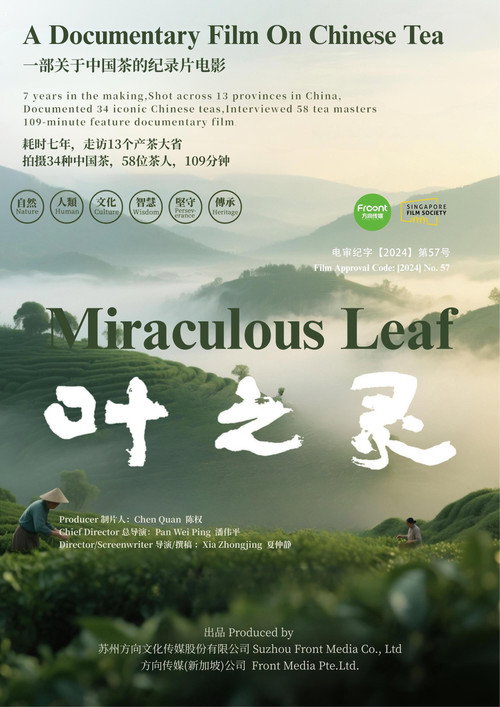
Through the six major categories of Chinese tea, the film traces the historical origins of famous tea-producing regions and explores the lives of generations who have lived with and for tea. It celebrates craftsmanship, explores lesser-known tea-making techniques, and honors the wisdom, dedication, and philosophy of Chinese tea artisans — revealing a deep respect for nature and an unwavering commitment to cultural heritage.
In 1980, Jack Shae and Allen Moore, two ethnographic filmmakers from Harvard University, moved their families to the island of Berneray in the Outer Hebrides. Over the course of 18 months they documented the everyday lives and struggles of the crofters they lived among, whom were even then a vanishing breed. The film is in English and Gaelic. This carefully observed documentary by filmmakers Jack Shae and Allen Moore is a poetic ethnographic film in the style of their mentor, Robert Gardner (“Dead Birds”). It follows the rhythm of life on a wind-swept island in the Outer Hebrides through the four seasons and in the filmmakers’ observation of the day-to-day struggles of a vanishing society we see the deep-time legacy of their kind. The film is in English and Gaelic.
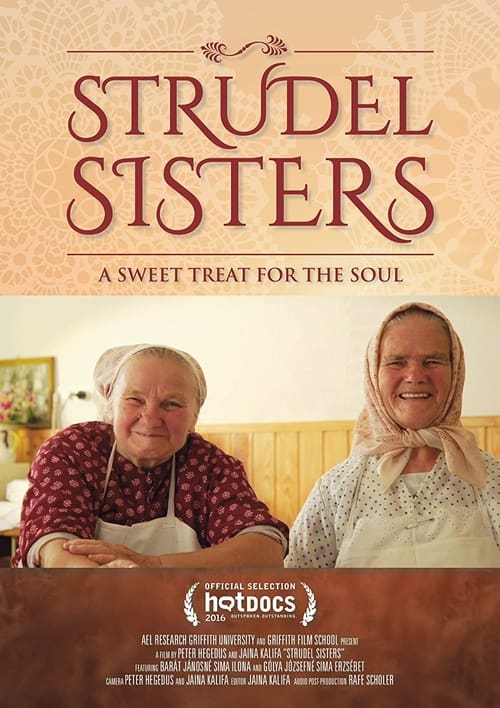
Two elderly sisters share the delicate art of making traditional Hungarian strudel and reveal a deeply personal family story about their mother, who taught them everything they know.
As California's largest lake approaches a point of no return, one man will attempt to become the first person to walk around its hazardous shoreline in order to prevent an ecologic disaster that could impact the entire western hemisphere.
“Tucaneira: Wooden Hands” is a captivating mini-documentary that takes us on a fascinating journey through the world of a skilled artisan who works with wood at an eco-solidarity fair held in a university environment. In this brief and inspiring portrait, we explore the life and craft of Manoel, a master craftsman whose hands transform tree trunks into true works of art. Through beautiful images, testimonials and captivating photographs, the documentary reveals Manoel's passion for his art. He shares his inspirations and motivations, highlighting how his work is deeply rooted in sustainability and respect for nature. “Tucaneira: Wooden Hands” is a mini-documentary that not only celebrates the talent and dedication of an exceptional artisan, but also reminds us of the importance of supporting initiatives and fairs that promote eco-solidarity, art and sustainability in a vibrant and inspiring university .
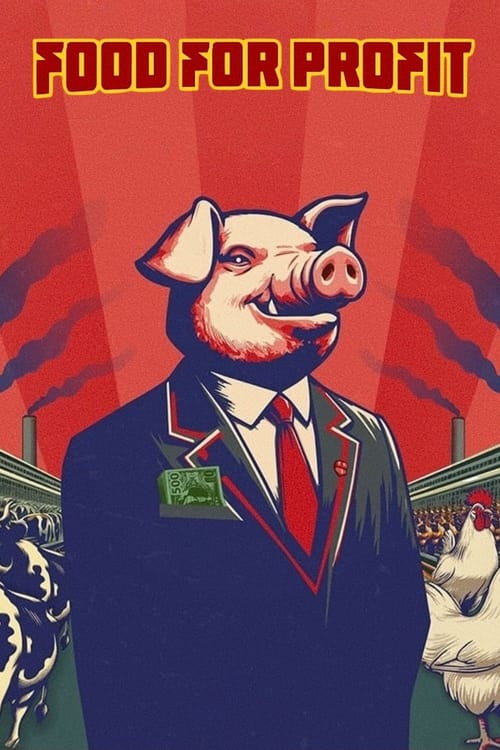
The film exposes the links between Agrifood and politics. With a pool of international experts it analyses the many problems related to factory farming: water pollution, migrants exploitation, biodiversity loss and antibiotic resistance.
Mariana and Xevi work the land from opposite ends of the world. Rooted in agroecology, their projects trace a quiet dialogue between territory, nature and family.
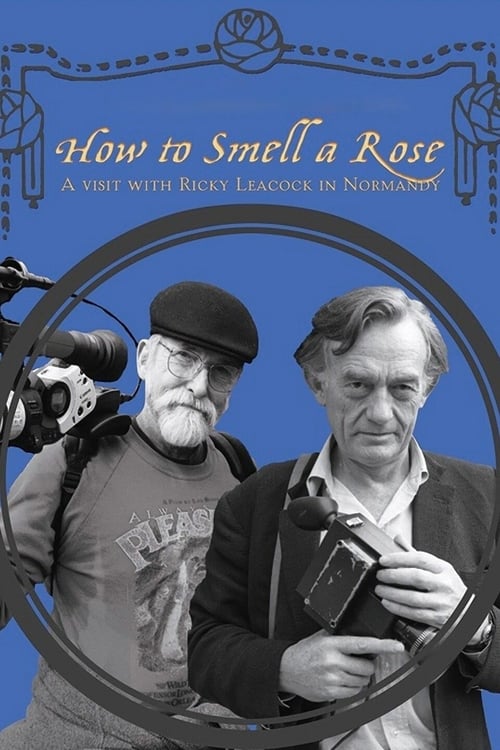
In the year 2000, Les Blank, along with co-filmmaker Gina Leibrecht, visited Richard Leacock (1921-2011) at his farm in Normandy, France and recorded conversations with him about his life, his work, and his other passion: cooking! With the flair of a seasoned raconteur, Leacock recounts key moments in his seventy years as a filmmaker and the innovations that he, D.A. Pennebaker, Albert Maysles and others invented that revolutionized documentary filmmaking, and explores the mystery of creativity. With the passing of both Blank and Leacock, the documentary is a moving insight into the lives of two seminal figures in the history of film.
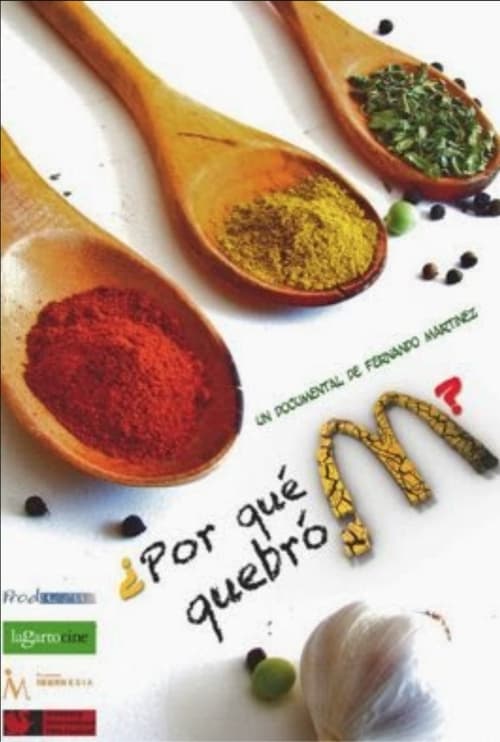
In December of 2002, McDonald's had to shut down their restaurants in Bolivia. The company cited financial problems, but the real reasons were to be found elsewhere. Bolivia may be a small, poor nation on the global market, but a country's fierce local food culture can be sometimes a more powerful factor than economic clout. In his first feature-length documentary, Fernando Martinez shows what happened, a story driven by the characters behind the events and their life stories, such as renowned cooks and a review of popular sayings about the Bolivian food. The symbolism is obvious when a multinational giant is 'brought to its knees' by a country's traditions and heritage.
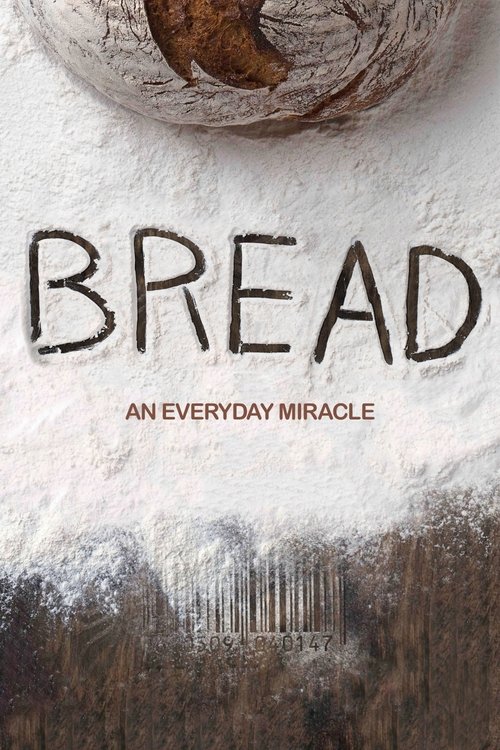
The simple staple bread has become a branded product with an increasing number of varieties and providers. The film provides authentic impressions in today’s world of bread. We encounter small craft bakers as well as corporate CEOs whose professional work is our daily bread and ask the question: how do you see the future of our bread? And: what are we actually eating?