Haile Gerima and Ryszard Kapuscinski travel around Ethiopia talking to people about their current situations and what needs to be done for a prosperous country.
Haile Gerima
as
Ryszard Kapuściński
In 1896, Ethiopia, an African nation, largely armed with spears and knives, defeats a well-equipped and organized Italian military bent on colonization.
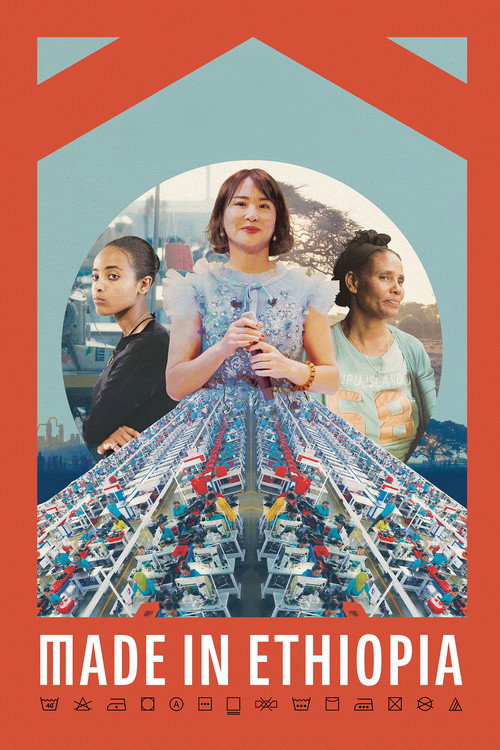
When a massive Chinese factory complex attempts a high-stakes expansion in rural Ethiopia, three women in search of prosperity have their faith in industrialization tested to the limit. Filmed over four years with singular access, Made in Ethiopia lifts the curtain on China’s historic but misunderstood impact on Africa, and explores contemporary Ethiopia at a moment of profound crisis. The film was awarded the Jury Special Mention at Tribeca Festival.
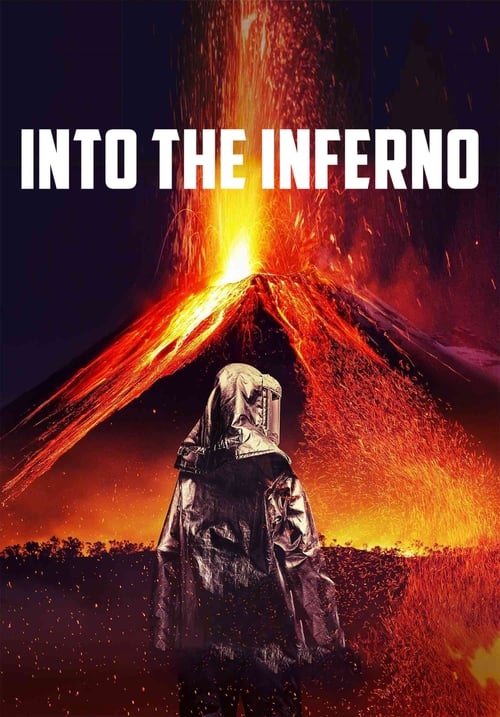
With stunning views of eruptions and lava flows, Werner Herzog captures the raw power of volcanoes and their ties to indigenous spiritual practices.
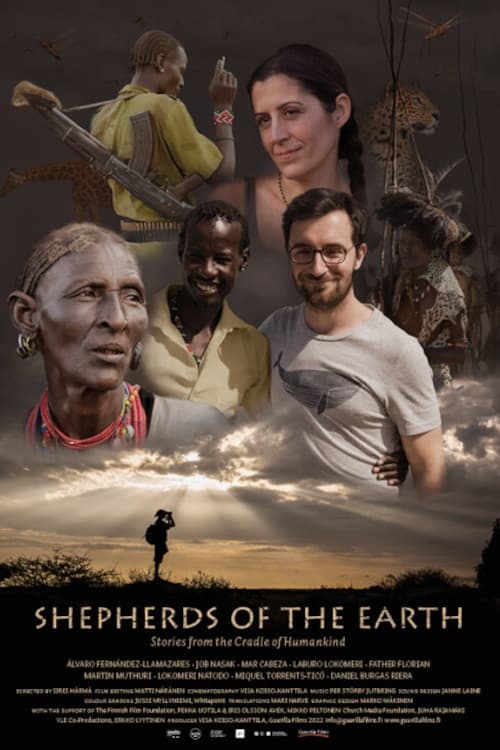
The region of Lake Turkana, located in Kenya and Ethiopia, is considered to be “the Cradle of Humankind”. Among other finds, primate fossils from millions of years ago have been discovered in the region. But what about the region’s modern inhabitants and their relationship to their environment? Iiris Härmä, whose previous work includes the award-winning Leaving Africa, had the chance of joining Helsinki University’s researchers, Álvaro Fernández-Llamazares and Mar Cabeza, on their pre-pandemic trip to study the Daasanach people’s relationship to their environment through traditional animal tales. The researchers hope that storytelling would help to bridge the gap between people’s everyday lives and conservation efforts.
First aired on TV on the BBC Two on 29 September 1989, this second episode of the documentary series "Under African Skies", a grand project aimed at presenting the rich diversity of contemporary African music of those days and known for its unforgettable memento "A celebration of the new sounds of a continent. " traverses the nostalgic roots and the euphoric contours of Ethiopian music of the '80s.
Thursday 27th of October 2016 – Teatro Espace, Turin. Mulatu Astatke is a musician, composer, arranger and Ethiopia’s cultural ambassador. He’s known as the godfather of ethiojazz, a unique blend of jazz, traditional Ethiopian music, latin, caribbean reggae and afrofunk. Born in 1943 in Jimma, Mulatu studied music not only in Ethiopia but also in UK and USA. In 2005 he contributed to the soundtrack of Jim Jarmusch’s film “Broken Flowers”, reaching a new public worldwide.
A travelogue of Ethiopia by plane, automobile and mule, showing the lives, customs, and habits of the people, and the conditions of the country.
Jonathan Dimbleby’s landmark 1973 documentary “The Unknown Famine” stands as a pivotal moment in Ethiopian history—a journalistic endeavour that not only exposed a humanitarian crisis but inadvertently helped precipitate the end of Africa’s oldest monarchy. The footage was broadcast by ITV for its flagship affairs series named "This Week".
Sara from Zurich was circumcised as a little girl in Ethiopia. This event severely traumatized her. To find her inner peace, Sara decides to look for her circumciser.
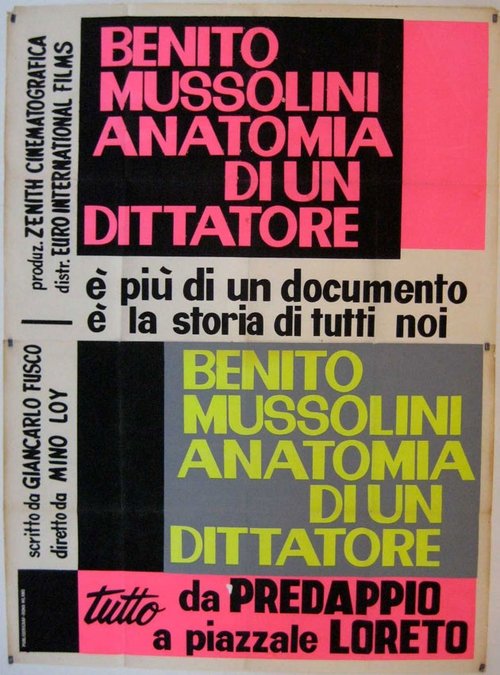
The armies of Fascist Italy conquered Addis Ababa, capital of Abyssinia, in May 1936, thus culminating the African colonial adventure of the ruthless dictator Benito Mussolini, by then lord of Libya, Eritrea and Somalia; a bloody and tragic story told through the naive drawings of Pietro Dall'Igna, an Italian schoolboy born in 1925.
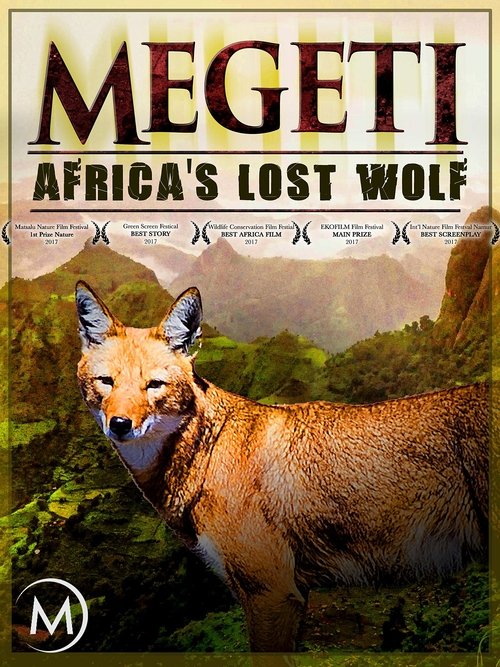
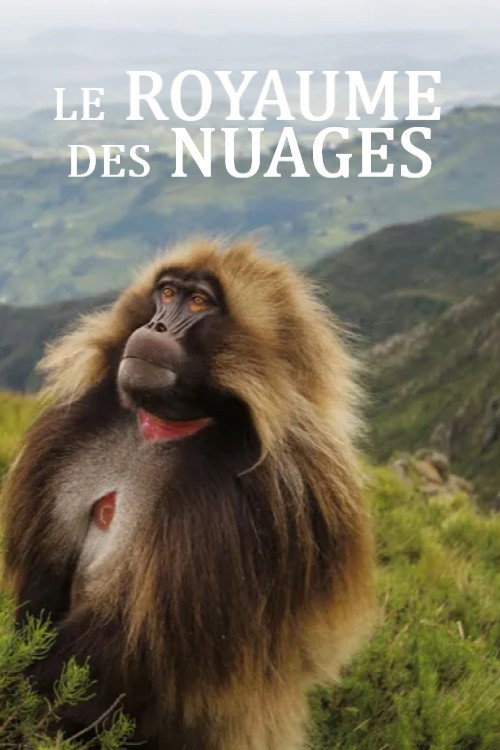
This film tells the dramatic story of Megeti, a lone wolf who wanders across the highlands on a quest to find a new home after losing her pack and suddenly being left to fend for herself. For the young wolf to survive, it is vital that she finds a new family and this quest pushes her into foreign territory, occupied by cattle breeders and other wolves.