John Lowry's 1971 Ontario travelogue "Home by the Waters" (featuring a haunting theme song by Tommy Ambrose) was shown at the IMAX Cinesphere in Ontario Place for a short time in September of 1971.
“Where the North Begins” was one of the 4 original regional portrait films commissioned for the first season of Ontario Place (the others being "North of Superior" (IMAX), "Seasons in the Mind" (70mm), and "Home By The Waters" (35mm anamorphic). The film was directed by David MacKay who was the producer for "A Place to Stand" and then directed "Ontario-oh!". Although "Where The North Begins" was commissioned by the Ontario government, Dave's subversive and wicked sense of irony does come shining through, as does his heartfelt beliefs.
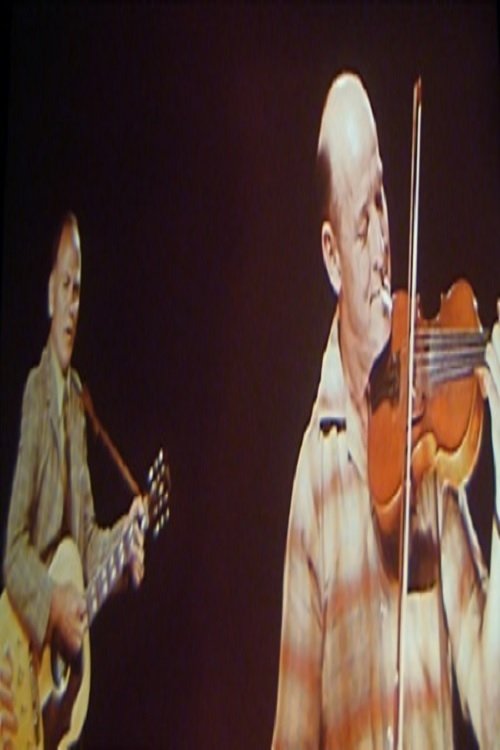
A portrait film of Eastern Ontario directed by Peter Pearson who’s films include the award winner’s like “The Best Damn Fiddler from Calabogie to Kaladar" (1968) and the classic Canadian feature film, "Paperback Hero" (1973). "Seasons in the Mind" includes a talent show section set in Arnprior, Ontario.
When Jennifer Pan calls 911 to report that her parents have been shot, she becomes the primary focus of a captivating criminal case.
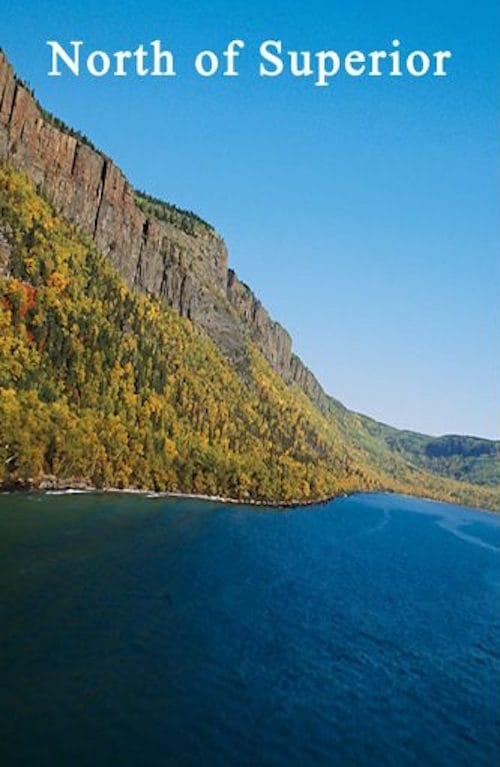
The second IMAX film made, commissioned by the Ontario Government, and produced by MultiScreen Corporation, later to become IMAX corporation. North of Superior is a Northern Ontario travelogue, and was the first short feature to be shown at the newly created Ontario government theme park, Ontario Place, in it's state of the art cinema, Cinesphere, the first permanent IMAX installation.
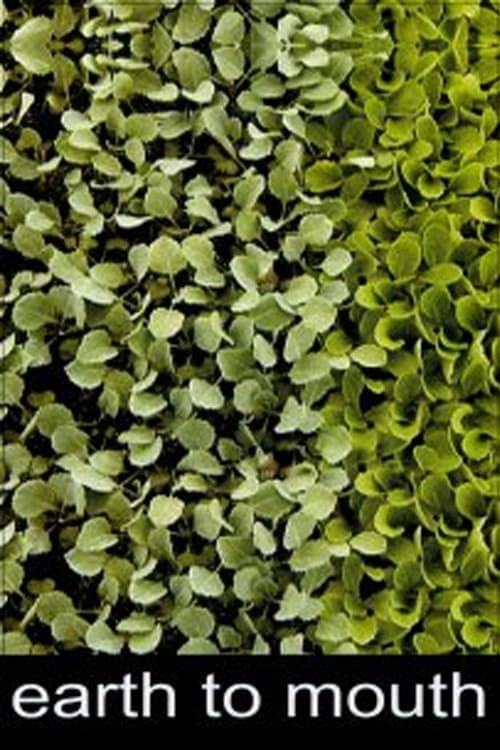
Filmed at the Wing Fong Farm in Ontario, this documentary follows the tilling, planting and harvesting of Asian vegetables destined for Chinese markets and restaurants. On 80 acres of land, Lau King-Fai, her son and a half-dozen migrant Mexican workers care for the plants. For Yeung Kwan, her son, the farm represents personal and financial independence. For his mother, it is an oasis of peace. For the Mexican workers, it provides jobs that help support their children back home.
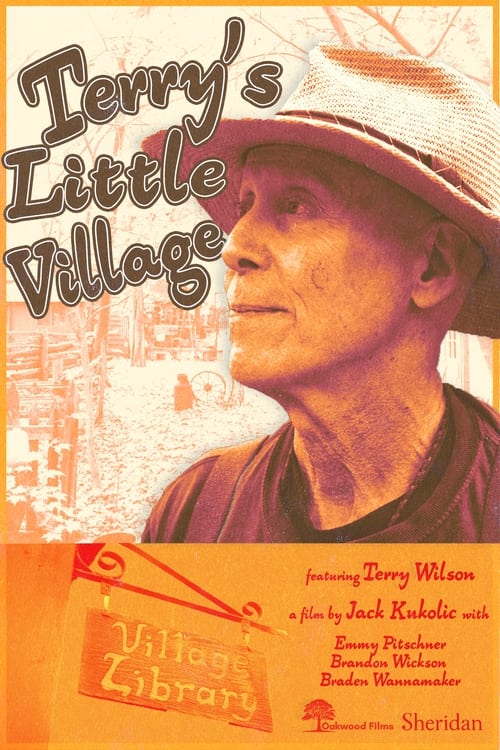
Terry Wilson is a 70-year-old lifelong resident of Meadowvale Village, Ontario's first heritage district. As development looms and begins to destroy Terry's favourite place in the world, he recreates pieces of history in his backyard, crafting an oasis where it feels like nothing has changed. A beautiful tribute to his childhood, his mother, and his town, Terry passionately fights to preserve history in a world that's too anxious for change.
A fast-paced collage of Ontario life. Highlights include a rollercoaster ride, a hair-raising speedboat skim along Ottawa's Rideau Canal, a downhill ski run through the trees on a Thunder Bay trail, and the sleek beauty of a small fleet of ice boats whistling over a gleaming lake.
Set in the rural town of Marmora; the home of Punkfest, arsenic poisoning, radioactive pollution, and visions of the Virgin Mary.
"The Hart of London" is an endlessly layered tour de force. It explores life and death, the sense of place and personal displacement, and the intricate aesthetics of representation. It is a personal and spiritual film, marked inevitably by Chambers’s knowledge that he had leukemia. The late American avant-garde filmmaker Stan Brakhage said of Hart, "If I named the five greatest films [ever made], this has got to be one of them." Even this high praise falls short of hyperbole. The Hart of London is at the centre of Chambers’s extraordinary achievement.
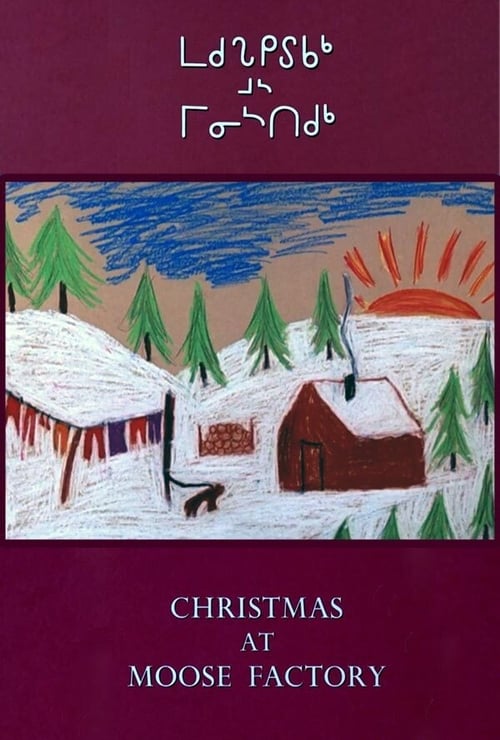
A study of life at Christmastime in Moose Factory, an old settlement mainly composed of Cree families on the shore of James Bay, composed entirely of children's crayon drawings and narrated by children.
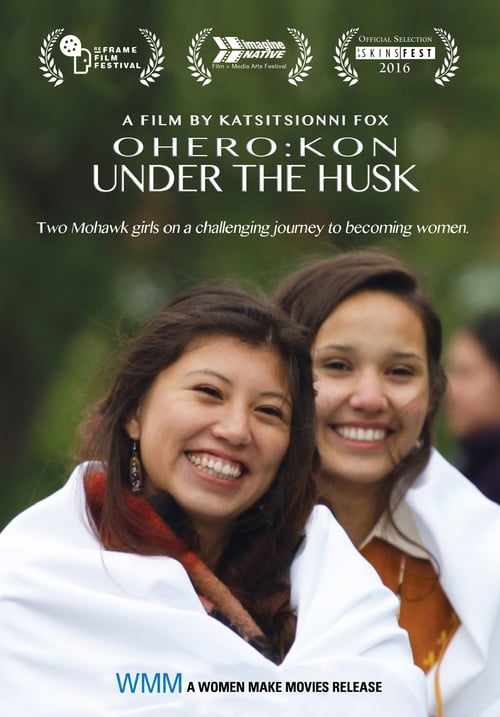
This documentary follows two Mohawk girls on their journey to become Mohawk women. Friends since childhood, Kaienkwinehtha and Kasennakohe are members of the traditional community of Akwesasne on the U.S./Canada border. Together, they undertake a four-year rite of passage for adolescents, called Oheró:kon, or "under the husk." The ceremony had been nearly extinct, a casualty of colonialism and intergenerational trauma; revived in the past decade by two traditional leaders, it has since flourished. Filmmaker Katsitsionni Fox has served as a mentor, or "auntie," to many youth going through the passage rites.
A portrait of a small Ontario town, this film introduces its audience to the people of Holstein by filming them in the old-fashioned general store, the blacksmith's shop and the town granary. Old-time residents reminisce, while old-fashioned sleighs travel down the main road bordered by beautiful old frame houses.
This Traveltalk series short visits Ontario, the second largest province of Canada. Toronto is the province's largest city, sitting on the shores of Lake Ontario. After the War of 1812, the Rideau Canal was built connecting the Ottawa River to Lake Ontario. The canal figures prominently in the geography and history of the City of Ottawa, the capital of Canada.
An intimate portrayal of a peculiar Jewish family running a small town strip club, while attempting to nurse their relationships and themselves back to health.
In the Canadian Northwest, the Chippewa tribe struggles to find food before the onset of winter.
Filmmaker Stephen Hosier takes a journey with Richard Csanyi, his childhood friend, as he investigates the life and death of his twin brother Attila, who was found dead on a rooftop in 2020.
The Indian Act, passed in Canada in 1876, made members of Aboriginal peoples second-class citizens, separated from the white population: nomadic for centuries, they were moved to reservations to control their behavior and resources; and thousands of their youngest members were separated from their families to be Christianized: a cultural genocide that still resonates in Canadian society today.
This incisive, urgent documentary examines the history of anti-Black racism in hockey, from the segregated leagues of the 19th century to today’s NHL, where Black athletes continue to struggle against bigotry.