A short documentary film that follows and describes the city of Rijeka through one day - its port, shipyard, fish market, streets, bridges, parks, houses and the old town of Trsat.
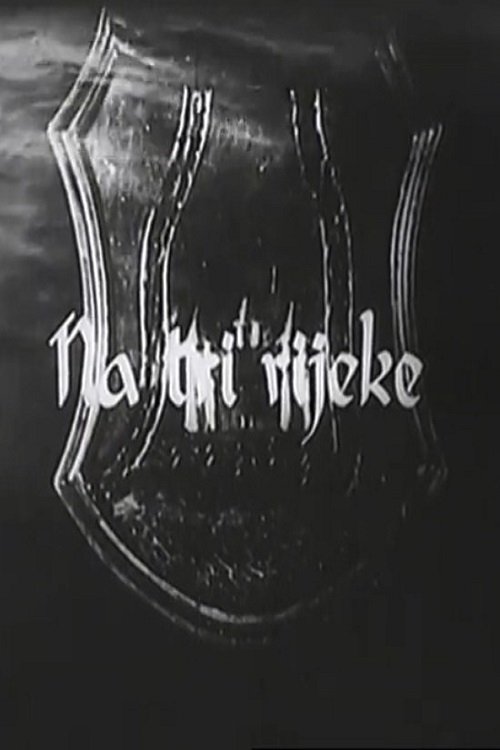
A historical overview of Sisak, the city on three rivers, from the Roman era to the post-WWII industrialization.
A visual celebration of Manhattan and its waterways on the 300th anniversary of purchase from the local Native Americans.
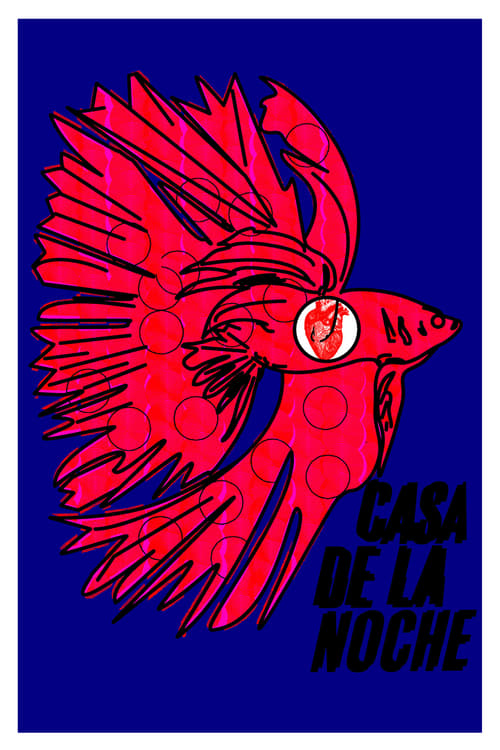
Shot in Havana and processed at Phil Hoffman's Film Farm, Marcel Beltrán Fernández's Casa de la noche explores those same histories from the point of view of an insider, as a lived experience that is evocatively mirrored through ripped and torn celluloid.
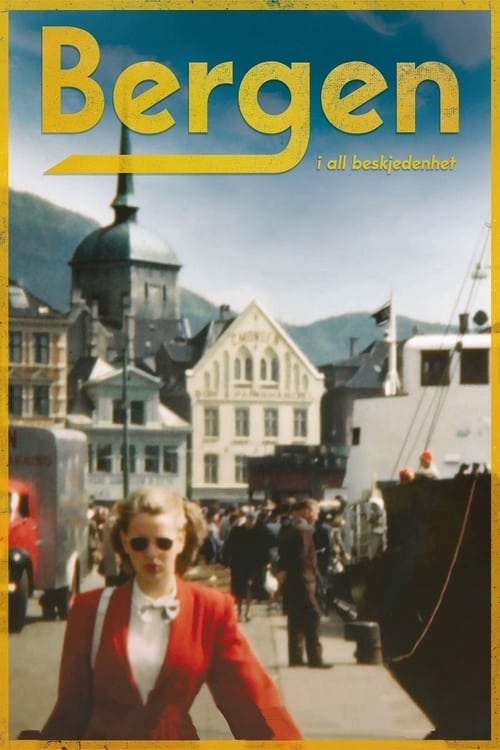
A poetic and beautiful tribute to the city of Bergen, Norway. Based on archive footage from the last century and packed with Bergen music from Grieg to Vaular.
A city person discovers twelve paths with a different sense of time. What makes us come alive? Will we go on the same way?
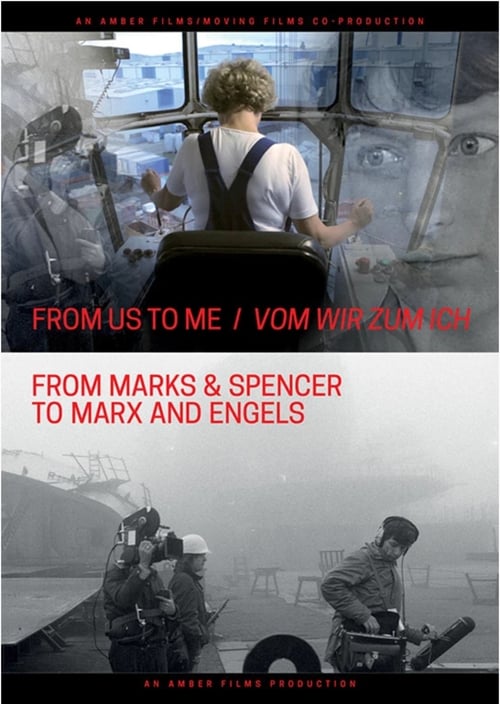
This first co-production between the GDR and Great Britain is intended to contribute to an understanding of the situation and attitudes of millions of working people in opposing social orders. Using the example of shipyard workers, fishermen, the brigade and family of a trade union active cook and unemployed person of various ages and professions in Newcastle on the one hand and a brigade of crane operators of the Warnowwerft and fishermen of the Warnemünde cooperative on the other hand, insights into the way of life and attitudes of people of our time are to be conveyed.
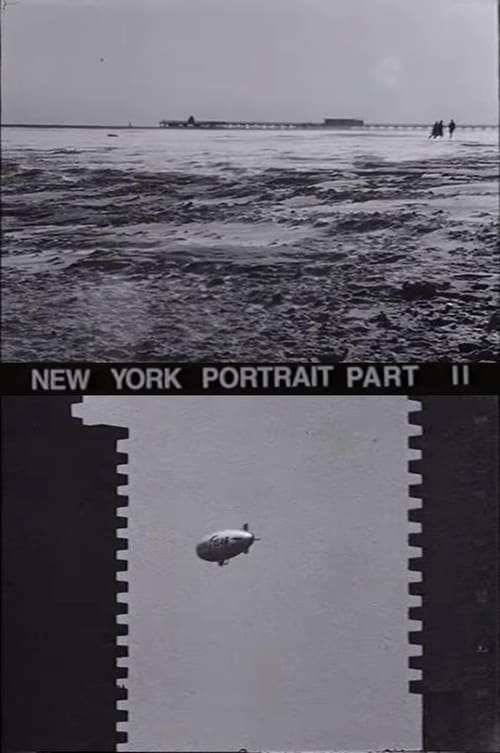
Chapter Two represents a continuation of daily observations from the environment of Manhattan compiled over a period from 1980-1981. This is the second part of an extended life's portrait of New York.
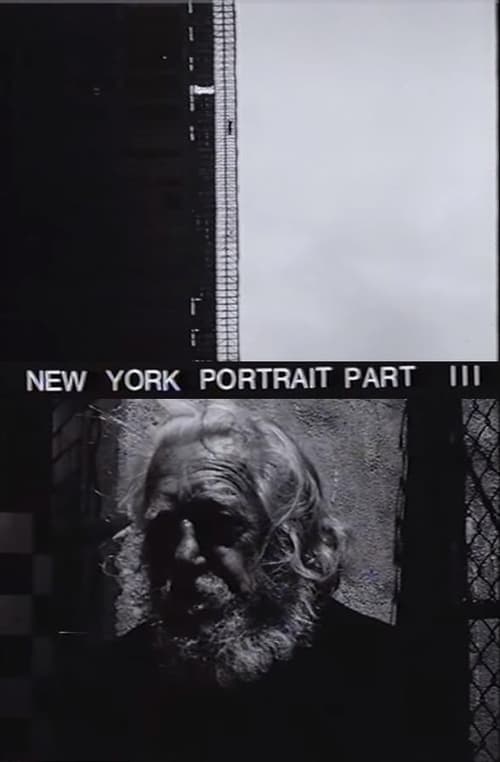
"[Hutton’s] latest urban film, New York Portrait, Chapter III, takes on a unique tone in relation to Hutton’s ongoing exploration of rural landscape. The very fact that Hutton is dealing with older footage, with archives of memory more than immediacy, gives it a different texture than his earlier New York films. Hutton always found the presence of nature in the city, not only in his many shots of sky and vegetation, but also in the geometry and texture of the city itself, which seemed to project an independence from the human." (Tom Gunning)
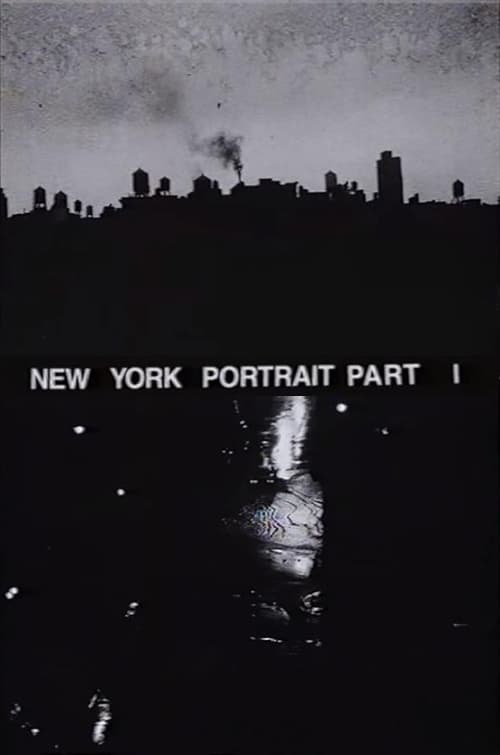
Hutton's most impressive work ... the filmmaker's style takes on an assertive edge that marks his maturity. The landscape has a majesty that serves to reflect the meditative interiority of the artist independent of any human presence. ... New York is framed in the dark nights of a lonely winter. The pulse of street life finds no role in NEW YORK PORTRAIT; the dense metropolitan population and imposing urban locale disappear before Hutton's concern for the primal force of a universal presence. With an eye for the ordinary, Hutton can point his camera toward the clouds finding flocks of birds, or turn back to the simple objects around his apartment struggling to elicit a personal intuition from their presence. ... Hutton finds a harmonious, if at times melancholy, rapport with the natural elements that retain their grace in spite of the city's artificial environment. The city becomes a ghost town that the filmmaker transforms into a vehicle reflecting his personal mood.
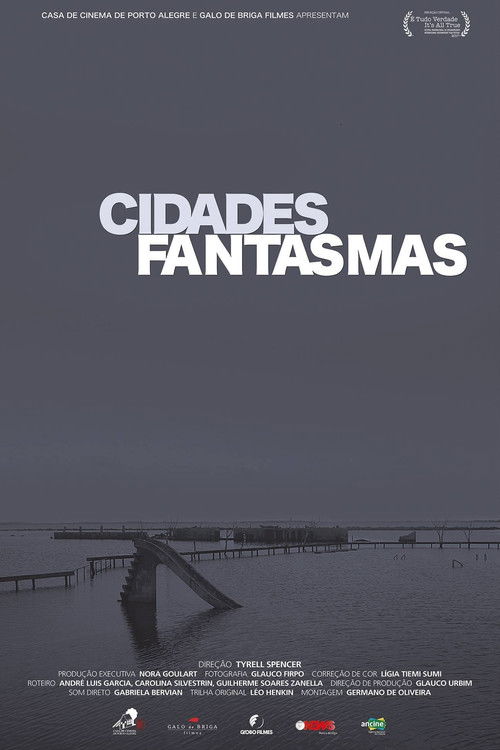
In Humberstone (Chile), little was left of the saltpeter's prosperity. Near the old Fordlandia (PA), squatter houses are the last signs of the city built by Henry Ford. Armero (Colombia), had its population wiped out by the eruption of the Nevado del Ruiz volcano in 1985. Twenty-five years after a flood, ruins of Villa Epecuén (Argentina) expose the remains of the old water station.
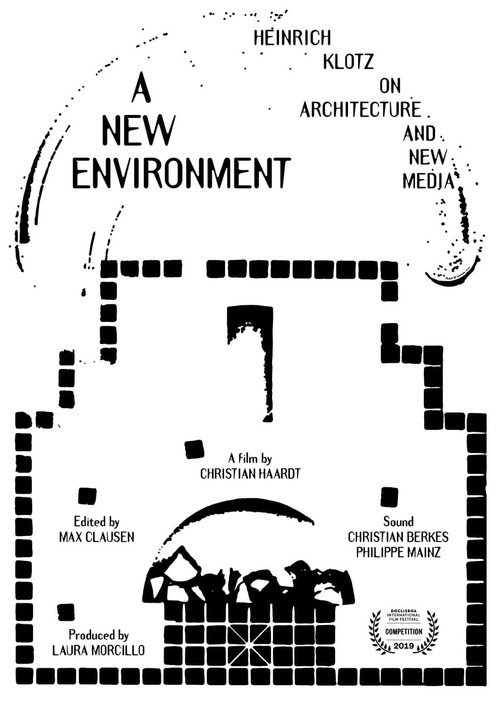
The old world is gone. Our landscape bears scars. Entire cities have been levelled. Is it possible to regenerate the city without covering over the warnings of war’s aggressions? Or can these ruins provide a unique chance to reinvent the city thoroughly? The art historian Heinrich Klotz took precisely these questions, concerning the reconstruction of Germany’s historical districts after World War II, as the departure point of his practice.
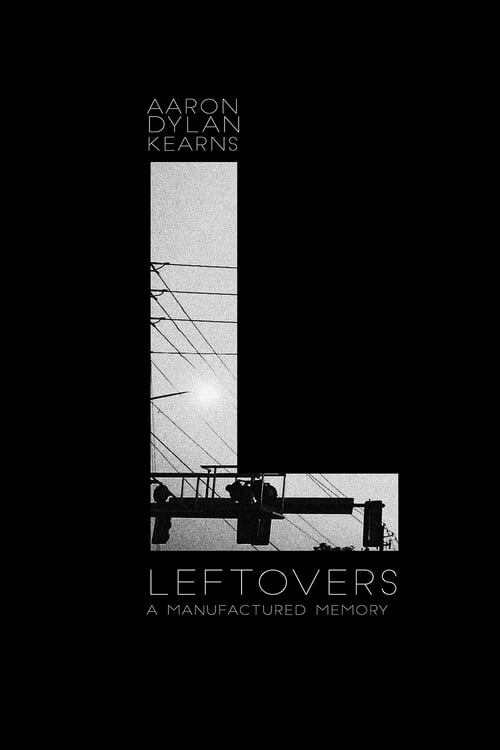
A manufactured memory.
In continuous motion with no end or barrier in its way.