Russia as you have never seen before: from the bird's eye view. From Kaliningrad, to the Bering Strait, from the Icebreakers on the Polar Sea to the antelopes in the Kalmykia steppes, from the Caucasus peaks to the volcanoes of Kamchatka.
Benjamin Völz
as Narrator
Timothy Birkett
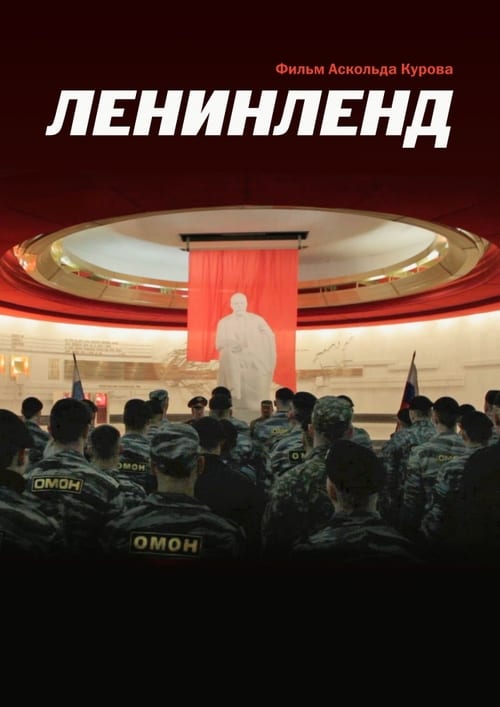
At the peak of Perestroika, in 1987, in the village of Gorki, where Lenin spent his last years, after a long construction, the last and most grandiose museum of the Leader was opened. Soon after the opening, the ideology changed, and the flow of pilgrims gradually dried up. Despite this, the museum still works and the management is looking for ways to attract visitors. Faithful to the Lenin keepers of the museum as they can resist the onset of commercialization. The film tells about the modern life of this amazing museum-reserve and its employees.
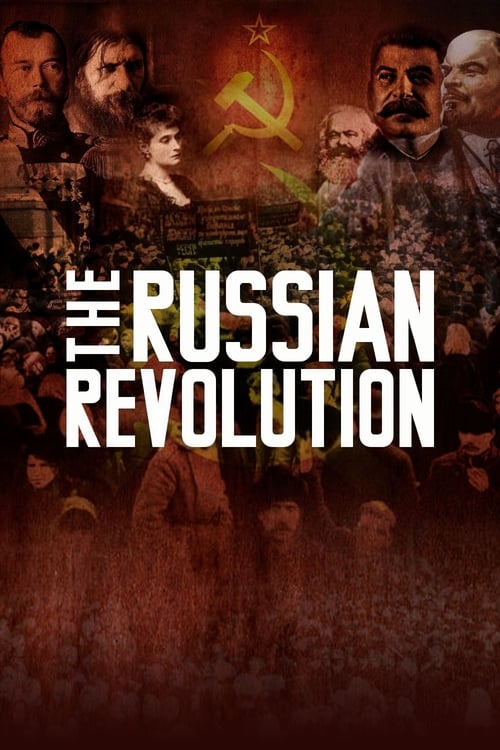
Starting in 1881 this film shows the personal battle between Lenin's Ulyanov family and the royal Romanovs that eventually led to the Russian revolution.
The Soviet Union was a sinister world. Now the Iron Curtain has fallen, and for the first time we can investigate those rumours.
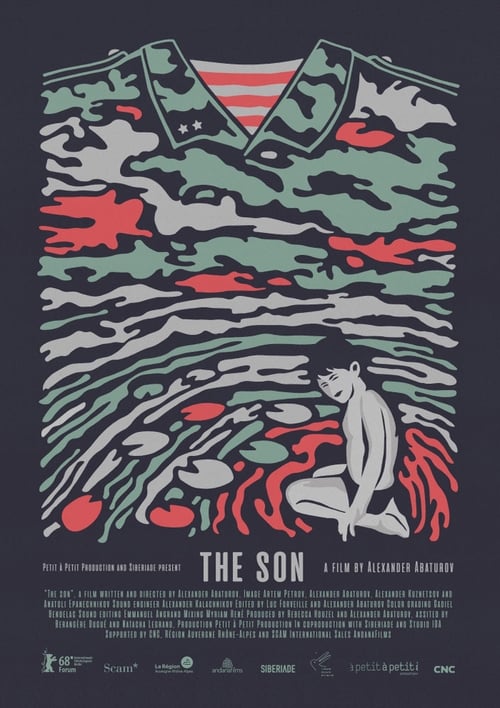
In 2013, Dima Ilukhin, the cousin of the film’s director and a soldier in the Russian army, died on duty in the Republic of Dagestan in the North Caucasus. He was 21 years old. This incident marks the starting point for Abaturov’s reflection on the military. He films the training of new recruits in Siberia, as they bid farewell to their mothers and girlfriends, learn the mechanics of a Kalashnikov, or how to throw a hand grenade and administer first aid. While his parents try to cope with their loss, Dima’s former fellow recruits have to return to battle.
This film was broadcast on La Sept in October 1990 as a part of Hélène Mochiri's Cinéma de poche program devoted to Soviet cinema. The documentary was produced in-house at La Sept and based on an exclusive interview with Alexei Guerman in May of that year. It has not been seen since.
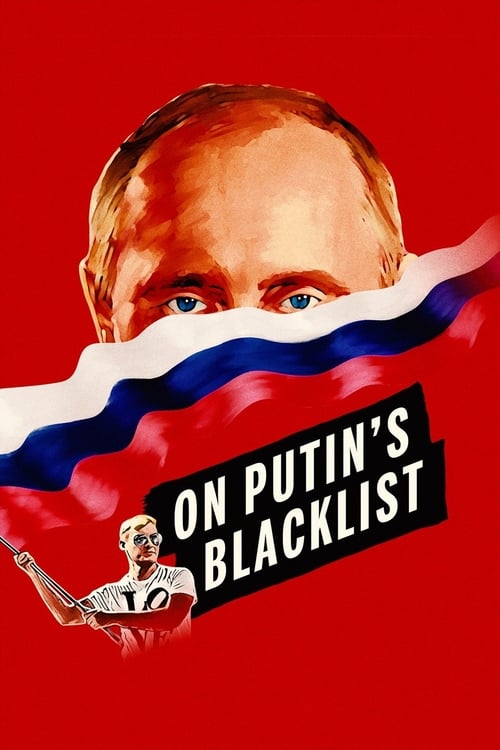
Traces the new Cold War between Russia and the West from the ban on American citizens adopting Russian children to the Kremlin’s anti-LGBTQ campaign, which positions the international marriage equality movement as a national threat.
Only women, children and old people live in this Armenian village, while the men work in Russia. A life with a rhythm of its own, an independent daily life marked nonetheless by exile.
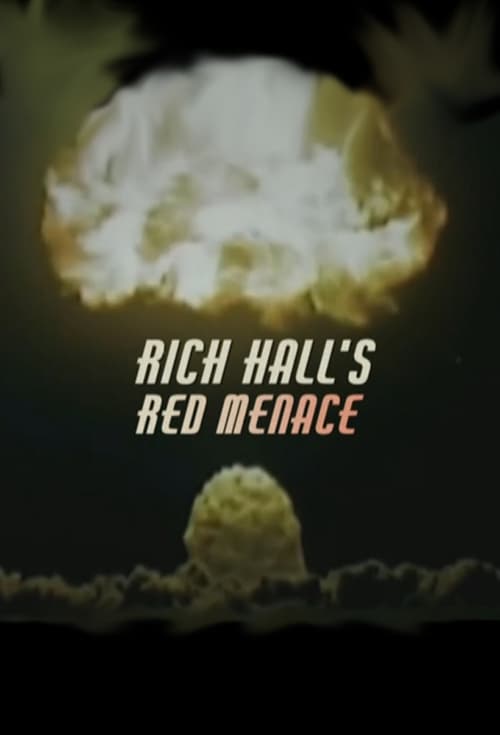
2019 marks the 30th year since the fall of the Berlin Wall and the end of the Cold War. Rich Hall examines the relationship between the West and the USSR in his inimitable fashion.
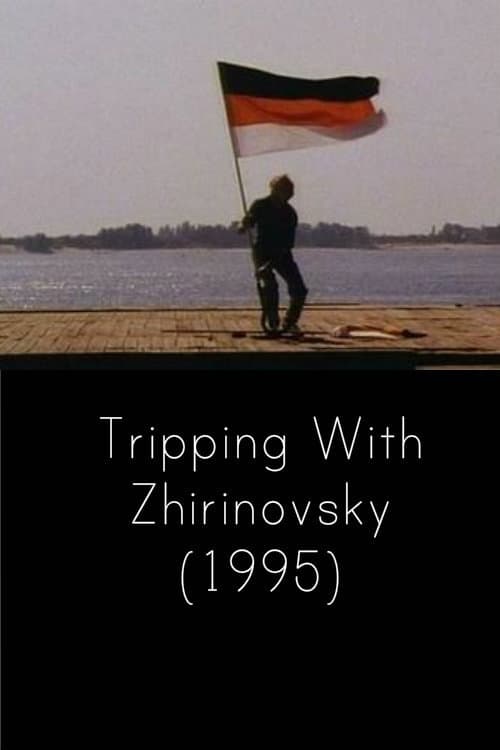
A candid, fly-on-the-wall BBC television documentary portrait of Russian Nationalist politician, Vladimir Zhirinovsky. The film shows the leader on a cruise surrounded by two hundred supporters getting plenty of media attention in New York. We are left with the nagging question: to what extent is Zhirinovsky really dangerous? To take that further, to what extent are populist politicians truly dangerous?
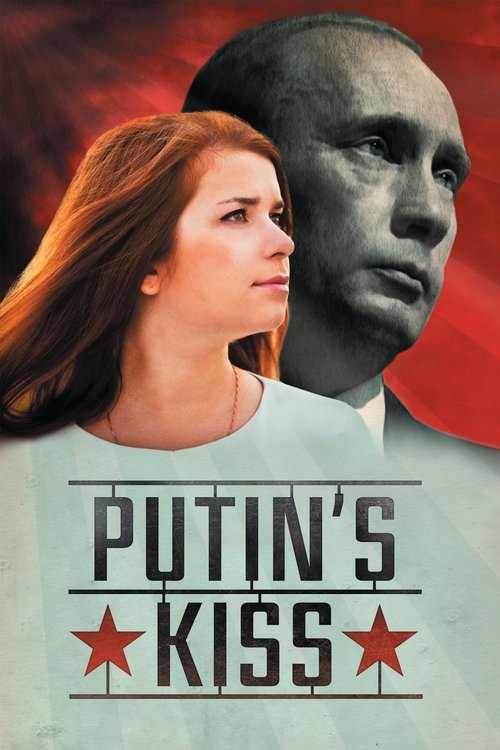
Masha Drokova is a rising star in Russia's popular nationalistic youth movement, Nashi. A smart, ambitious teenager who – literally – embraced Vladimir Putin and his promise of a greater Russia, her dedication as an organizer is rewarded with a university scholarship, an apartment, and a job as a spokesperson. But her bright political future falters when she befriends a group of liberal journalists who are critical of the government, including blogger Oleg Kashin, who calls Nashi a "group of hooligans," and she's forced to confront the group's dirty – even violent – tactics.
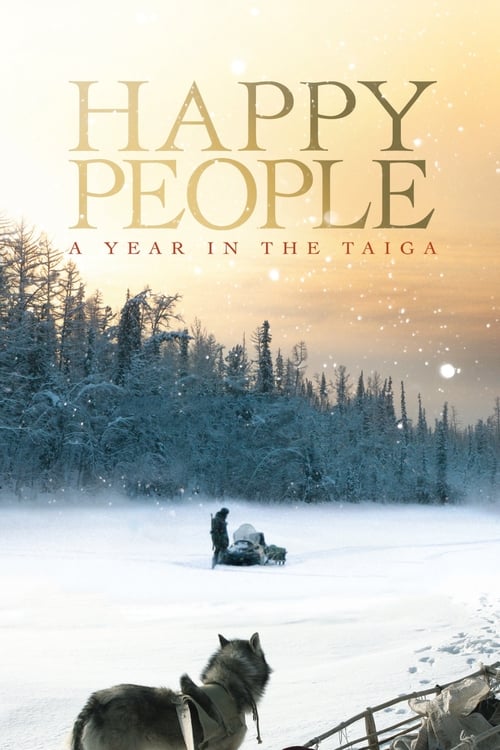
In the center of the story is the life of the indigenous people of the village Bakhtia at the river Yenisei in the Siberian Taiga. The camera follows the protagonists in the village over a period of a year. The natives, whose daily routines have barely changed over the last centuries, keep living their lives according to their own cultural traditions.
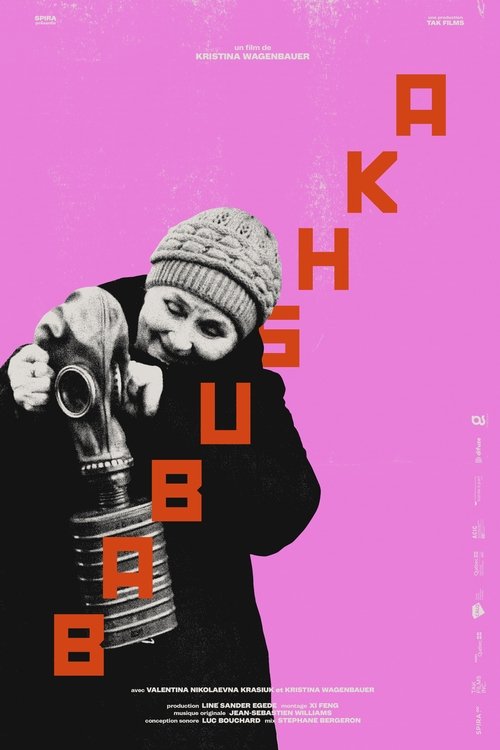
Twenty-five years after she moved away, Canadian filmmaker Kristina Wagenbauer (a participant in the 2019 Talent Lab) returns to her native Russia to visit her grandmother – her Babushka – with whom she spent part of her childhood, in this film brimming with tenderness and humour. The two women reflected in the mirror bear an undeniable resemblance, and each seeks to recognize herself in the other. Plumbing her memories, Wagenbauer hopes to re-establish a lost bond of intimacy and to confront the wounds of the past. Babushka has survived the Second World War, the break-up of the Soviet Union, the void that her daughter and granddaughter left behind when they moved abroad, and, more recently, the death of the love of her life. Despite all of this, she holds to life with a strong spirit of resilience.
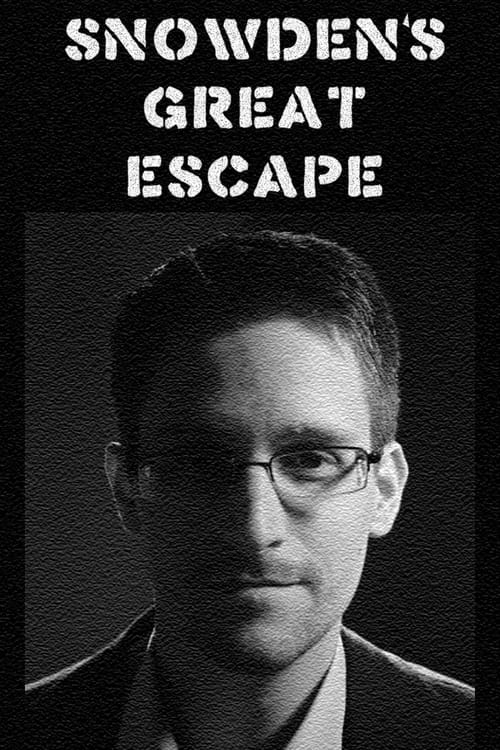
Tells the story of how Edward Snowden managed to evade capture by the US. For the first time Snowden tells the story of how he managed to escape so that not to have to spend the rest of his life in an American prison.
A documentary about the poisoning of political opponents by Russia. Focuses on specific cases of politically motivated assassinations by poisonings, including the attempted murder of Victor Yuschenko, the candidate and eventual President of Ukraine, using the deadly Dioxin. The film explains that Russia has not stopped this activity and its "Lab X" is still in operation. Originally created for the UK by FremantleMedia's production company talkbackTHAMES, "Poisoned" aired on Sky One in April 2005. (This documentary was made before the well-publicized poisoning by Russia of Alexander Litvinenko in 2006.)
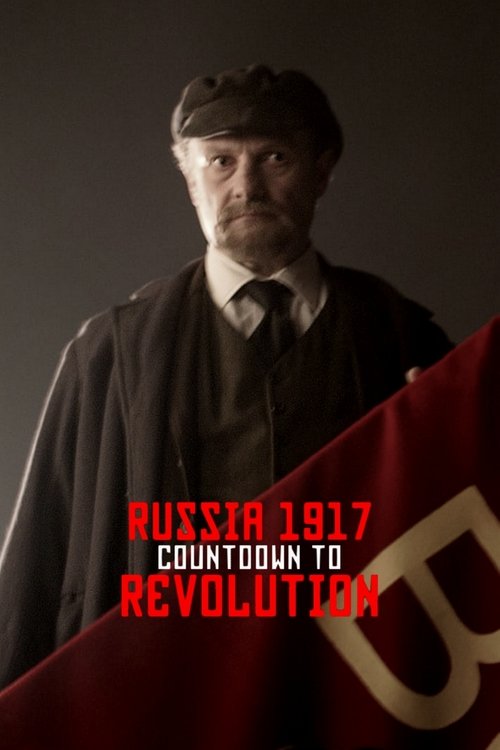
Russia, 1917. After the abdication of Czar Nicholas II Romanov, the struggle for power confronts allies, enemies, factions and ideas; a ruthless battle between democracy and authoritarianism that will end with the takeover of the government by Vladimir Lenin and the Bolsheviks.
Follows the lives of Boris and Masha Rak, Soviet Jews who in 1934 moved to the Jewish Autonomous Oblast.