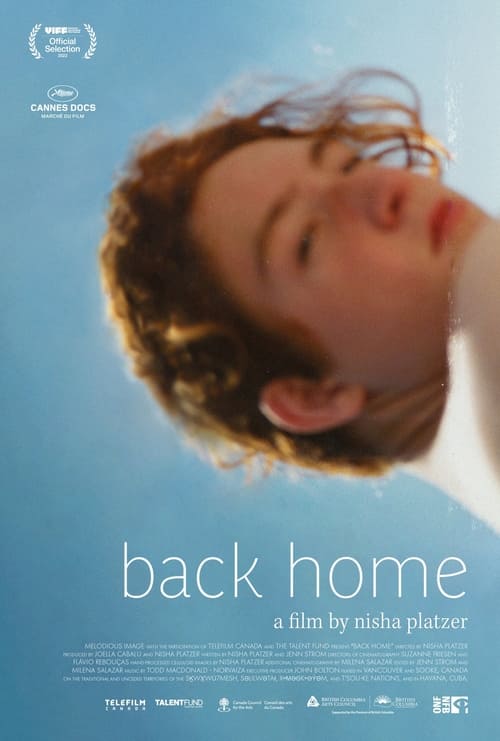
The women of the first Garífuna community in Honduras work hard for the future of their daughters. Surrounded by a dazzling landscape, they celebrate their identity and the importance of maternal figures.

Loosely based on Charles Dicken’s book “A Tale of Two Cities”, Working Class tells the tale of underground street artists Mike Giant and Mike Maxwell and their decade long friendship that started with a tattoo. The story is told through the cities they call home by, cutting back and forth between the neighborhoods of San Francisco and San Diego, as the artists talk about their life philosophies and the work they create.
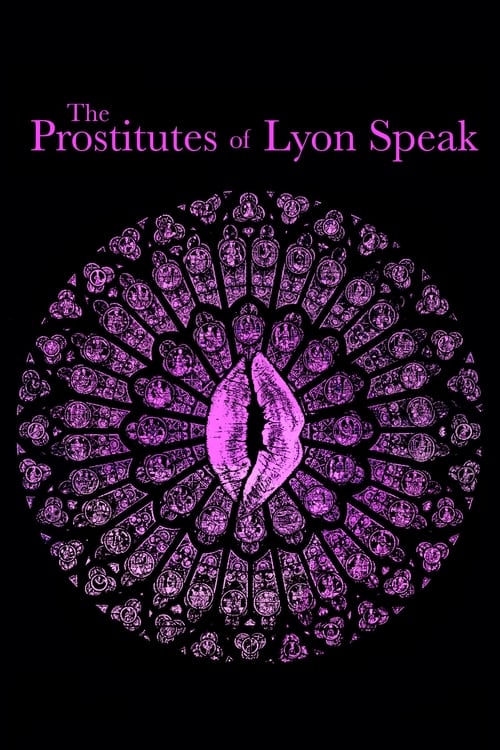
Documentary about the Lyon sex workers who occupied the church of St. Nizier on June 3, 1975.
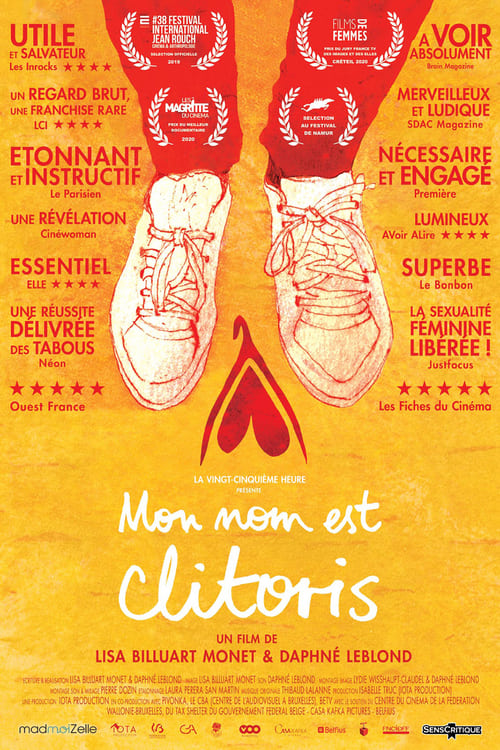
Discovering your womanhood at 33 when you're a feminist is like exploring a new continent as an adventurer. It sparks a desire to embark on a journey, to understand the world around us, to search for ourselves, over and over again. To engage in the new sexual revolution and trace the roots of sexism and gender, questioning whether sexual education in France can prevent future generations from the patriarchy. But are we ready to deconstruct everything?
In 2010, the iconic Tote Hotel – last bastion of Melbourne’s vibrant music counterculture – was forced to close by unfair laws. Filmed over 7 years, “Persecution Blues” depicts the struggle of more than 20,000 fans – and the bands who inspire them – to preserve their history and protect their future, and puts the audience on the front line of an epic-scale culture war.
At a crossroads of borders in the Balkans, Sabina Talović, a feminist activist, faces the violence of a patriarchal system with unwavering resolve. From the Yugoslav wars to the racism of new nationalisms, her voice bears witness to how acts of solidarity are always completely different while remaining fundamentally unchanged. A humbly caring and sharp debut film by Marianna Giorgia Marchesini.
Triggered by congressman Jair Bolsonaro’s homage to the torturer Carlos Alberto Brilhante Ustra, during president Dilma Rousseff’s impeachment hearing in 2016, Inês, a 70 year-old actress, starts a fragmented narrative of her own history, transforming the memories of her youth as an artist and guerrilla fighter during the military dictatorship into performances. Using as a starting point her participation in Teatro Oficina's 1967 production of the play "King of The Candle", by Oswald de Andrade, Inês creates a manifesto in defense of art's political strength, intertwined with memories of lost love and resistance.
After marrying a settler, Mary Two-Axe Earley lost her legal status as a First Nations woman. Dedicating her life to activism, she campaigned to have First Nations women's rights restored and coordinated a movement that continues to this day. Kahnawake filmmaker Courtney Montour honours this inspiring leader while drawing attention to contemporary injustices that remain in this era of truth and reconciliation.
Raise Her Up follows the historian, advocate, and artist creating a statue of Armine Gosling, marking 100 years of womens suffrage in Newfoundland.
Filmed in IMAX, a young Mayan boy who lives close to the ruins becomes acquainted with an archaeologist (Guerra) and asks her to tell him about his ancestors. The crew travelled to over 15 locations in Mexico and Guatemala, including Tulum and Chichén Itzá.
Documents the true story of the final weeks of rehearsal for the Young at Heart Chorus in Northampton, MA, and many of whom must overcome health adversities to participate. Their music goes against the stereotype of their age group. Although they have toured Europe and sang for royalty, this account focuses on preparing new songs for a concert in their hometown.
What images do we associate with abortion and why? Where do these images and the emotional scripts in our head come from? How do they influence women who (want to) have an abortion, how do they shape the general discussion? Franzis Kabisch’s personal desktop documentary investigates these questions with great precision, clarity and humour (yes, humour, too!).
A cheerful documentary about the daily life of a community of Franciscan sisters. “Hasta mañana, si Dios quiere” (See you tomorrow, God willing) is a film born from the desire to understand that mysterious feminine universe that gives up its life and leaves behind family, home, lovers, disobedience, and physical love.
Inès, of North African origin, has frizzy, unruly curls. But why should she bother straightening it? Where does this obsession with straight, neatly styled hair come from?
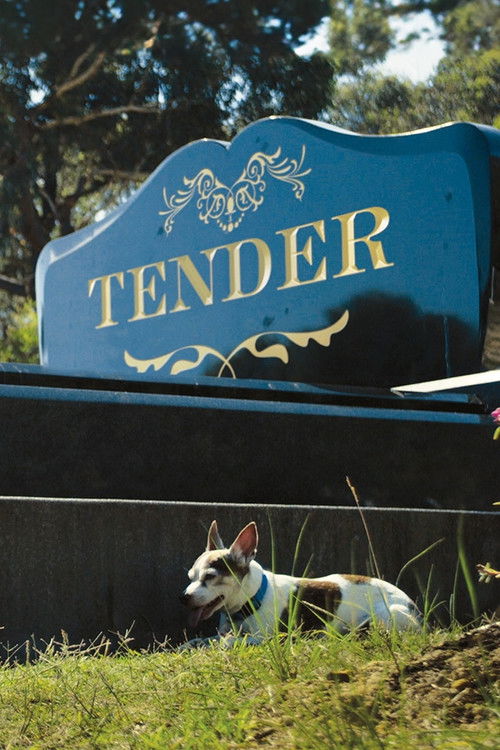
A big hearted community celebrates life by fronting up to death. Set against the stunning backdrop of the industrial seaside town of Port Kembla, a feisty and resilient community group have determined to take back the responsibility that most of us leave to someone else — to care for their own dead. Scattered throughout are stories that cut to the core revealing why this small band have decided to take on a practice that for most is taboo. As their plans for community-based funerals gather momentum one of their own is diagnosed with a life-threatening illness. Tender is at once a heartbreakingly beautiful and beautifully funny glimpse of an extraordinary community taking on one of the most essential challenges of human life … its end.
Juno Award-winning musician Kinnie Starr is on a quest to find out why only 5% of music producers are women even though many of the most bankable pop stars are female. What does it take for a woman to make it in music?
In Tacony Creek Park, home to one of Philadelphia's lesser-known watersheds, Julie Slavet and Malcolm Bundy reflect on their involvement with and love for the park, made bittersweet by the continuous and increasing amount of pollution that flows into its river. Combined wastewater and stormwater sewage outfalls have affected Philadelphia's rivers for years, but as one innovative program mitigates this for the Schuylkill and Delaware, Tacony gets left behind. Scientist Laura Toran educates the audience on green infrastructure and its potential positive impacts, while Slavet and Bundy discuss how they're still waiting—not without hope—for those impacts to reach their community.
Documentary about terreiro women in Fortaleza who occupy the highest positions in the hierarchy, subverting the patriarchal tradition of religious communities.
A film about what it means to be a woman cycling in different countries around the world. When Manon left to cycle from Brussels to Tokyo, she took a camera with her and met other women cyclists along the way. Hear their stories!
The 1920s saw a revolution in technology, the advent of the recording industry, that created the first class of African-American women to sing their way to fame and fortune. Blues divas such as Bessie Smith, Ma Rainey, and Alberta Hunter created and promoted a working-class vision of blues life that provided an alternative to the Victorian gentility of middle-class manners. In their lives and music, blues women presented themselves as strong, independent women who lived hard lives and were unapologetic about their unconventional choices in clothes, recreational activities, and bed partners. Blues singers disseminated a Black feminism that celebrated emotional resilience and sexual pleasure, no matter the source.