Gabriel Bissonnette
as
Bernard Hallé
For 18-year-old Finnish–Kosovan Fatu, a simple visit to the grocery store feels as nerve-racking as a lunar expedition: for the first time in his life, he’s wearing makeup in public. Luckily his best friend Rai, a young woman on the spectrum of autism, is there to ferociously support him through the voyage.
After opening scenes showing volcanoes of Java, an underground river, waterfalls, cloud effects, a coral island, the Ghost Rocks of Buru, and a tiger hunt in Siam, documentary footage of the cannibal tribes of New Guinea is framed by a fictional narrative in which the scientific expedition is shipwrecked along the southern New Guinea coast in the land of the Kia Kia headhunters, thus affording the crew the opportunity to film the tribal customs of these cannibals.
Documentary footage of late 1950s Russia covers such cities and towns as Moscow, Leningrad, Kiev, Yalta, the Black Sea, Kharkov, Sochi, Sukumi, Gori, Bukhara, Samarkand, Frunzo and Siberia.
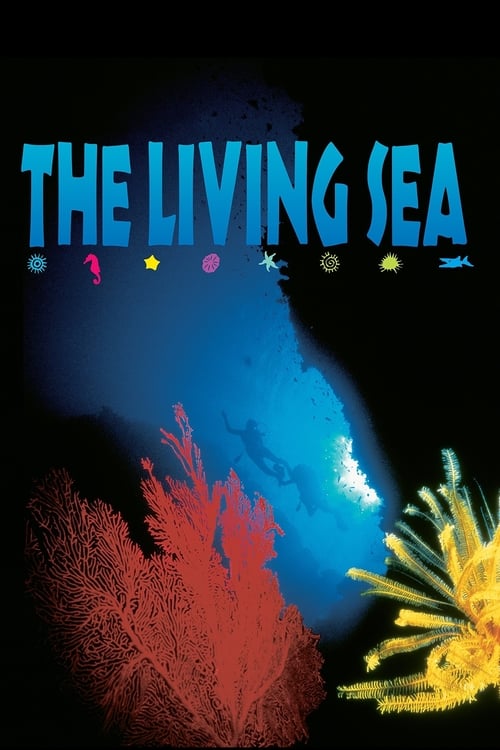
The Living Sea celebrates the beauty and power of the ocean as it explores our relationship with this complex and fragile environment. Using beautiful images of unspoiled healthy waters, The Living Sea offers hope for recovery engendered by productive scientific efforts. Oceanographers studying humpback whales, jellyfish, and deep-sea life show us that the more we understand the ocean and its inhabitants, the more we will know how to protect them. The film also highlights the Central Pacific islands of Palau, one of the most spectacular underwater habitats in the world, to show the beauty and potential of a healthy ocean.
In 2001, satellite imagery captured a mysterious “thermal anomaly” on an unexplored volcano at the ends of the Earth. What lies inside could provide new clues to help predict volcanic eruptions around the globe. But the island is so remote with conditions that are so extreme. No one has ever been able to reach the top to investigate what lies inside.. until now.
John Gunther, a great traveler in many parts of the globe, presented on the American ABC channel the documentary program "John Gunther's High Road" from September 7, 1959 to October 1, 1960, namely 30 episodes. Two adventure trips filmed in distant places were broadcast: The first documentary film was shot exclusively for the show and the second film offered was a great classic adventure or exploit film by another director.
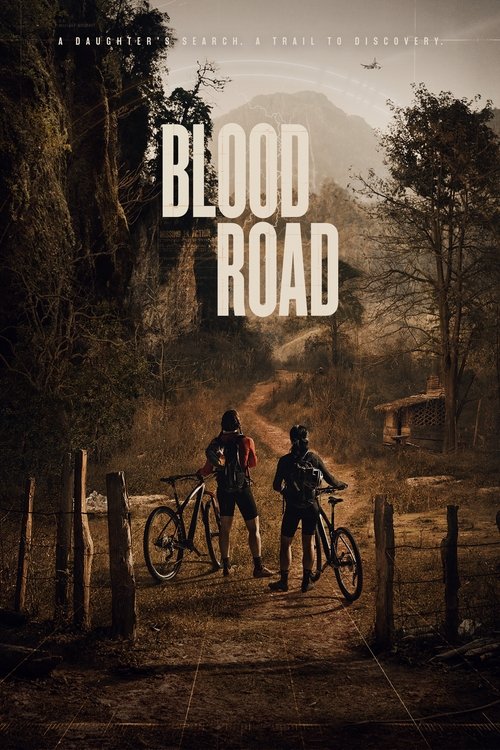
Blood Road follows the journey of ultra-endurance mountain bike athlete Rebecca Rusch and her Vietnamese riding partner, Huyen Nguyen, as they pedal 1,200 miles along the infamous Ho Chi Minh Trail through the dense jungles of Vietnam, Laos, and Cambodia. Their goal: to reach the site where Rebecca’s father, a U.S. Air Force pilot, was shot down in Laos more than 40 years earlier.
Werner Herzog takes a film crew to the island of Guadeloupe when he hears that the volcano on the island is going to erupt. Everyone has left, except for one old man who refuses to leave.
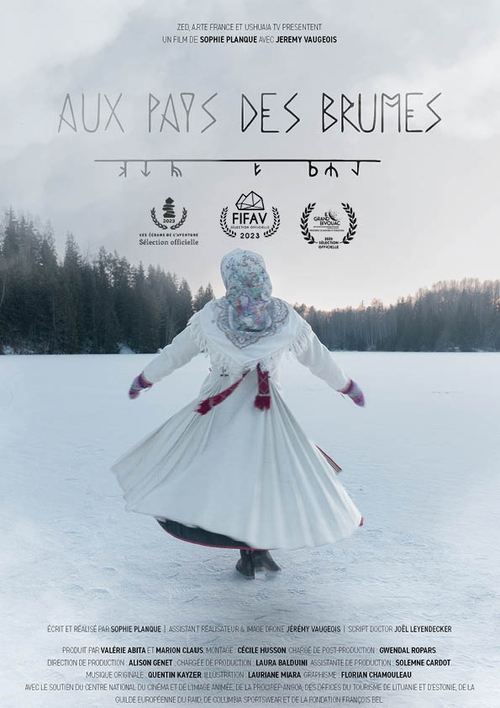
Does Europe also have its own animistic heritage, like Pachamama in South America and Shinto in Japan? If so, which one? In the Misty Lands, i.e. Estonia, Latvia and Lithuania, a sacred fire is lit on the winter solstice to celebrate the return of the sun and ancient beliefs that have been forgotten in the rest of Europe for thousands of years. Sophie Planque and Jérémy Vaugeois decided to take a journey on bicycles to experience the Baltic winter and meet the people who keep their ancestral culture alive. A unique heritage that reinforces a deep relationship with nature.
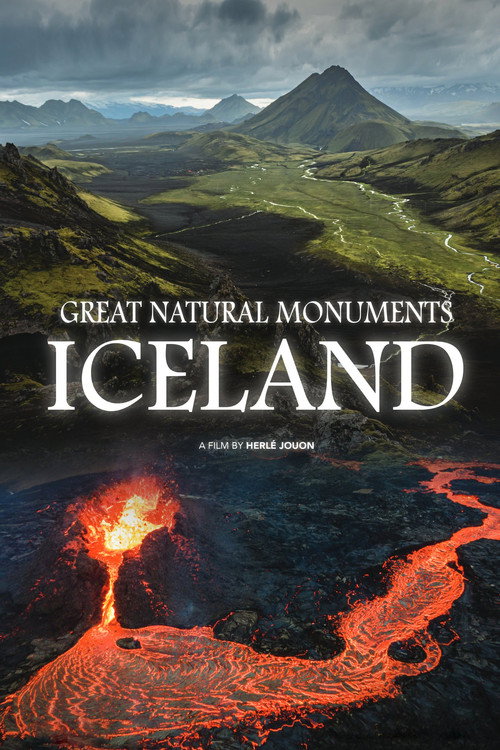
The fascinating landscape formations of Iceland in the North Atlantic bear witness to the beauty and primal power of nature. They were created through the interaction of powerful volcanic, geological and biological processes that have been changing the face of the earth for billions of years. This is what the Earth might have looked like four billion years ago. Iceland is the realm of ice and fire. Nowhere else is there such a high density of volcanoes. The landscapes, which are continually reshaped by eruptions, make the island a natural laboratory full of clues about the formation and development of the earth. The documentary follows a group of scientists through the most active areas of Iceland, along a mountain range that has emerged from the ocean. On the slopes of the volcanoes, in the fog of the fumaroles and on streams and rivers, the three researchers explore how the first forms of life populated the earth's surface and in what evolutionary steps they took over the earth.
Something shocking is happening in the abyss around Guadalupe Island. Photos of great whites with strange scars believed to be from giant squids have surfaced. Dr. Tristan Guttridge leads a mission to get a glimpse into the battles between the two beasts.
Will Cubans be able to safeguard their heritage of pristine Nature and preserved ecological treasures under this new era, as they are facing the combined pressure of money and tourism? What policies can be implemented to maintain the island’s spectacular wilderness?
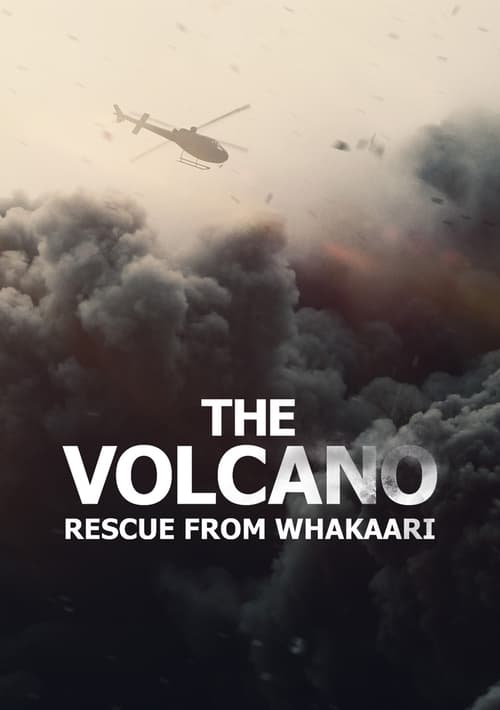
A close examination of the Whakaari / White Island volcanic eruption of 2019 in which 22 lives were lost, the film viscerally recounts a day when ordinary people were called upon to do extraordinary things, placing this tragic event within the larger context of nature, resilience, and the power of our shared humanity.