Park Geun-hye
as Self (archive footage)

Jeong Bu-ja
as Self
Kim Gwan-hong
Jeon Myeong-seon
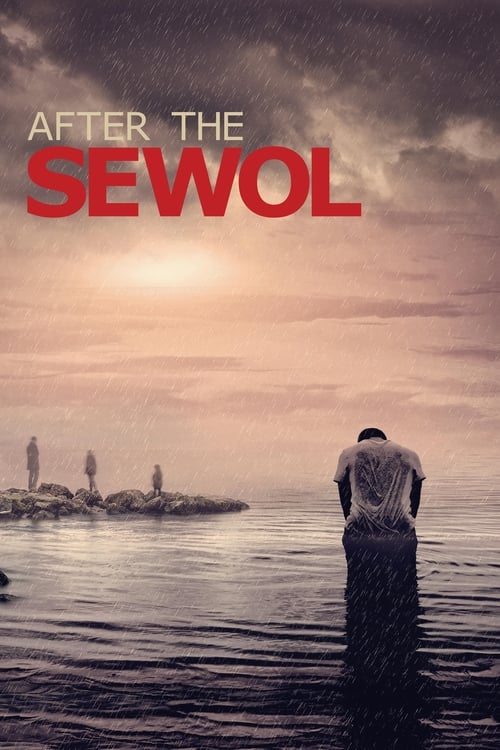
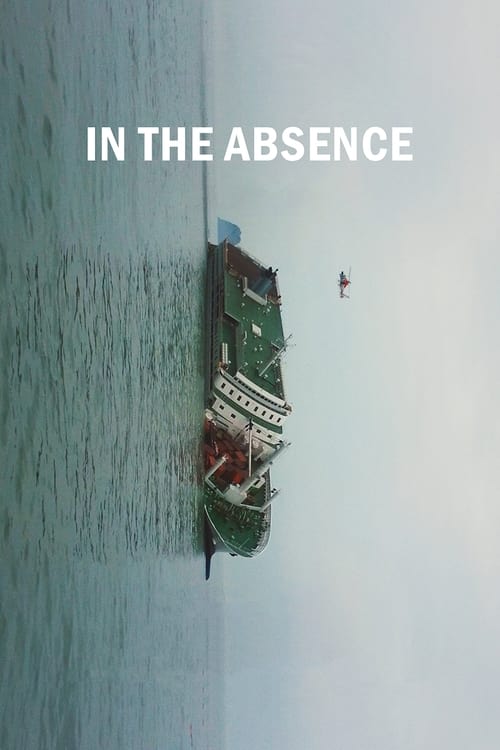
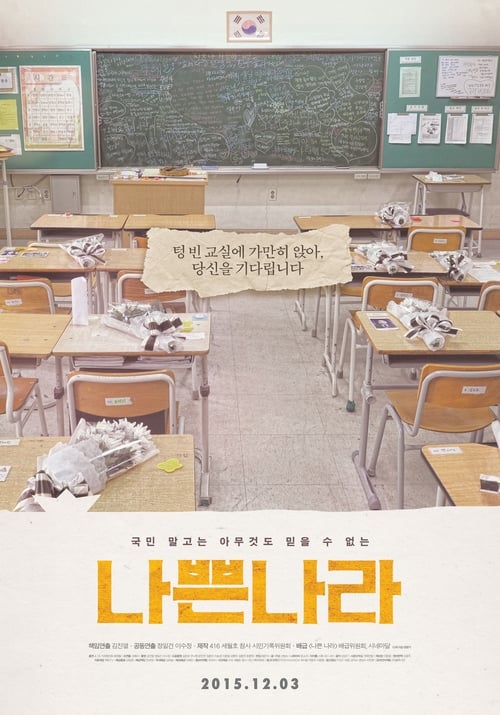
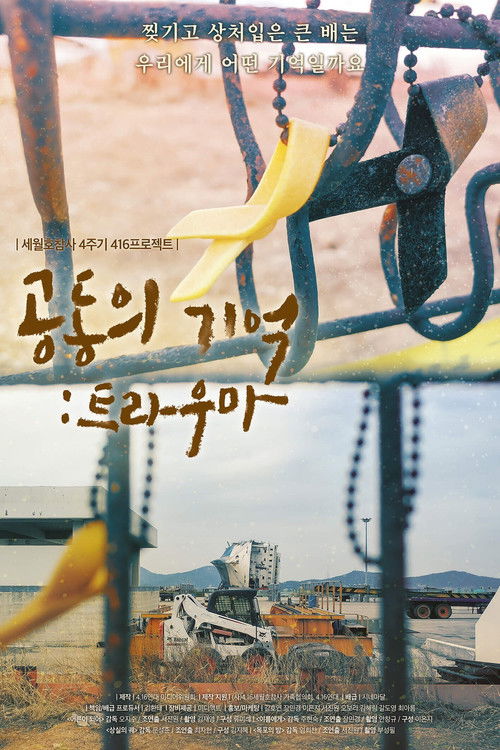
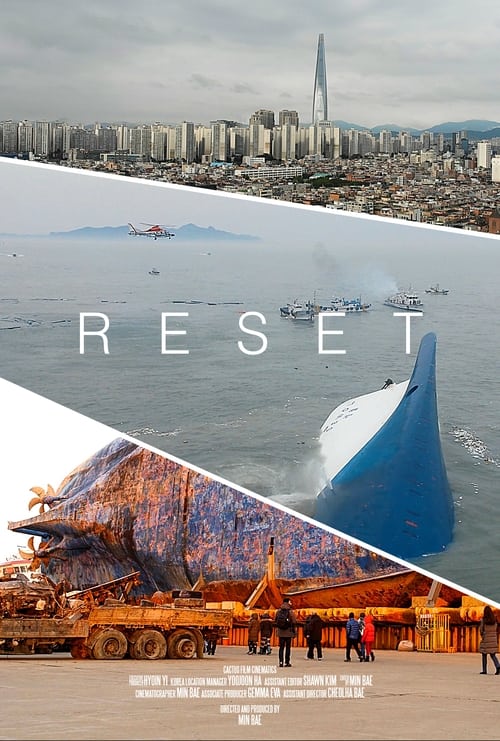
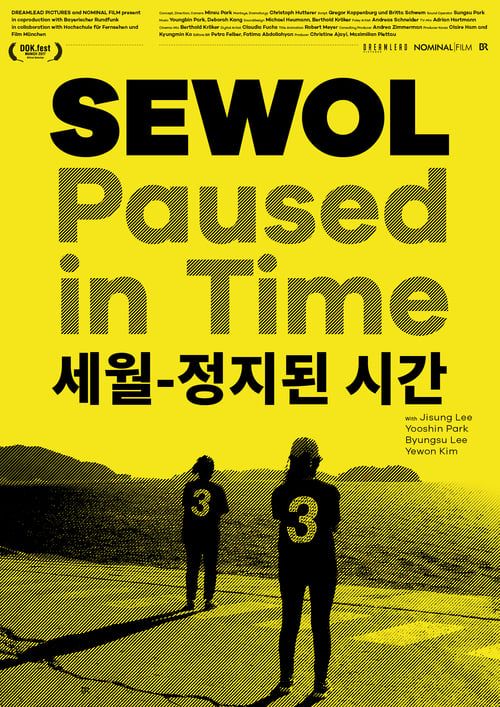
On April 16th, 2014, the Sewol Ferry sank in South Korea, taking with it the lives of 304 of its 476 passengers. South Korea's worst maritime disaster traumatized a nation while simultaneously sinking the country's emotional spirit. The film asks why the rescue of Korea's children and people was neglected on the fateful day the Sewol sank.
The second Gulf War from 1990 to 1991 represents in the collective Arab memory a turning point in regards to the Arab nationalism’s self-perception as well as a moment of deep historical and existential insecurity. Five Arab directors discuss the events from their personal perspective.
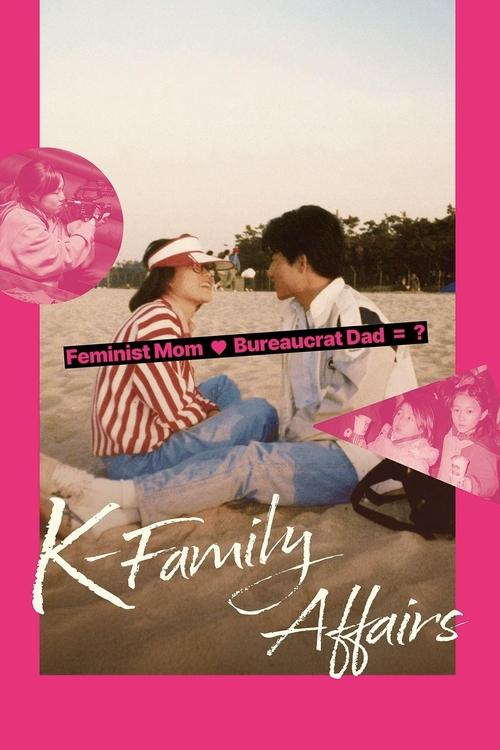
In her first feature-length documentary, filmmaker Nam Arum turns her camera on her parents, two members of South Korea’s 386 Generation. The political activism of this generation came to a head in June 1987 with major protests that forced the authoritarian government to hold universal suffrage elections and implement key democratic reforms. Over 35 years later, the filmmaker reflects on the state of this democracy through a warm-hearted family portrait set against the backdrop of the country’s recent history. Using a personal and intimate cinematic style, Arum examines her father's adherence to conventionality as a high-ranking civil servant and her mother's fervent enthusiasm as a feminist activist. In the midst of these two contrasting dynamics, Arum seeks to discover her own role and how she can contribute to social change.
Middle-aged women start acting and launch a drama club. However, nothing big or small goes right. But they never give up the play.
Two closely related episodes. Youths make problems for two local orchestras about to compete nationally, and in a talent competition a young girl gets stage fright, while another lies to her boss to compete.
What is “Slovakia”? How to explain the notion of “Slovakia” of the past 20 years to an unknown stranger, a visitor from another planet? What is the genetic makeup or the software for “Slovakia”? How to use it? How does it change? Slovakia 2.0 is a film about twenty years of independent Slovakia as seen from the perspective of ten film directors. It is composed of ten 10-minute films of different genres ranging from drama, through animation and documentaries, to experimental film. The ten recognised film directors who offer an answer to what is Slovakia include a wide range of generations, views and genres, namely Juraj Herz, Martin Šulík, Peter Kerekes, Zuzana Liová, Mišo Suchý, Ondrej Rudavský, Iveta Grófová, Peter Krištúfek, Viera Čákanyová, and Miro Jelok.
The film traces PARK Geun-hye's life back to the 1970s, when the leader-follower relationship began between PARK, who became the first lady of the Yushin regime, and CHOI Taemin, the leader of a pseudo-religion. It then examines the Sewol ferry incident, CHOI Soonsil Gate, candlelight rallies, and finally the impeachment.
A series of 43 documentary shorts, directed (without credit) by several famous French filmmakers and each running between two and four minutes. Each "tract" espouses a leftist political viewpoint through the filmed depiction of real-life events, including workers' strikes and the events of Paris in May '68.
A documentary on the South Korean ferry disaster that claimed the lives of more than 300 passengers in April, 2014.
Told in three unique stories, Songs of Love from Hawaii is a hybrid historical drama that uncovers the journeys of Hawaii's first Korean immigrants. From picture bride Lim Ok Soon to those isolated in Kalaupapa, their tales of love, sacrifice, and resilience come alive through stunning performances by world-class musicians and rare archival images against Hawaii's breathtaking landscapes.
Film reconstruction of five real stories about the heroic deeds of the residents of Kyiv region during the Russian occupation. A story about those who heroically and selflessly saved tens of thousands of Ukrainian lives.
Featuring seven stories from seven auteurs from around the world, the film chronicles this unprecedented moment in time, and is a true love letter to the power of cinema and its storytellers.
The timeless photographs of Ansel Adams have made him one of the most recognized and admired names in art. This intimate look at the man and his work details his position as a staunch environmentalist and how his art reflected his strong worldview. David Ogden Stiers narrates this profile produced for the PBS series "American Experience," which was directed by Emmy-winning documentarian Ric Burns.
An anthology of one-minute films created by 51 international filmmakers on the theme of the death of cinema. Intended as an ode to 35mm, the film was screened one time only on a purpose-built 20x12 meter public cinema screen in the Port of Tallinn, Estonia, on 22 December 2011. A special projector was constructed for the event which allowed the actual filmstrip to be burnt at the same time as the film was shown.
Gottland provides an unconventional look at Czechoslovak 20th century history. Inspired by the bestselling book “Gottland” from the Polish journalist Mariusz Szczygiel, this feature-length film is comprised of short stories portraying peculiar fates. Young documentary film makers from renowned Prague Film School FAMU, inspired by the book, take a closer look at the history of post-war Czechoslovakia and Czech Republic, in order to discover new heroes and remind us of the ones that were forgotten or erased from the history.
The 10-year struggle of the families who lost their children from the Sewol Ferry Disaster.
Film composed of nine short films. Short Stories 0, was released in 1993 and did not yet have that name because they were separate shorts. It would later become the prestigious annual short film competition for directors organized and produced by INCAA.