Ernesto Aroche Aguilar
as Ernesto Aroche Aguilar
Mayra Cisneros Reyes
as Mayra Cisneros Reyes
Jesús González Deleija
as Jesús González Deleija
Flor Hernández Ramos
as Flor Hernández Ramos
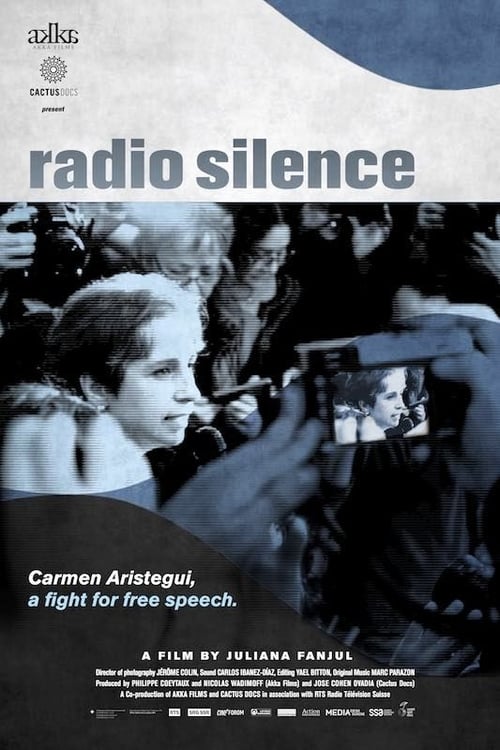
Mexico, March 2015. Carmen Aristegui, incorruptible journalist, has been fired from the radio station where she has worked for years. Supported by more than 18 million listeners, Carmen continues her fight. Her goal: raising awareness and fighting against misinformation. The film tells the story of this quest: difficult and dangerous, but essential to the health of democracy. A story in which resistance becomes a form of survival.
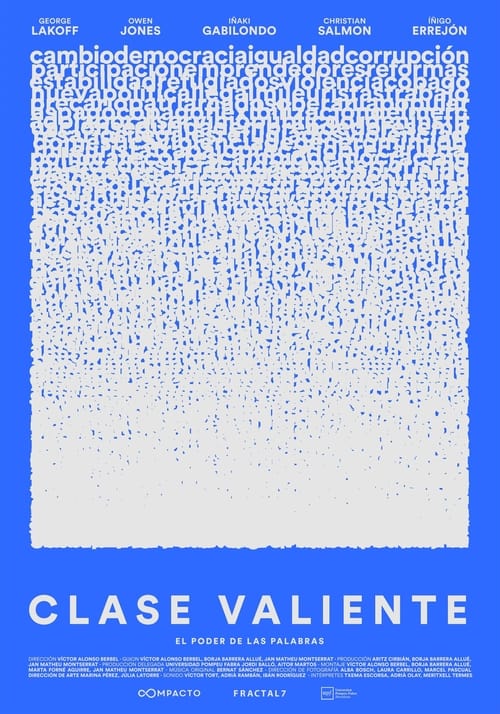
Three college students start a social experiment to prove that reality changes according to the words we use to describe it. Through research, activist actions, and artistic interventions, they analyze the importance of language in the way we understand the world. The documentary includes analysis from more than 20 international experts and leaders in the fields of political communication and information.
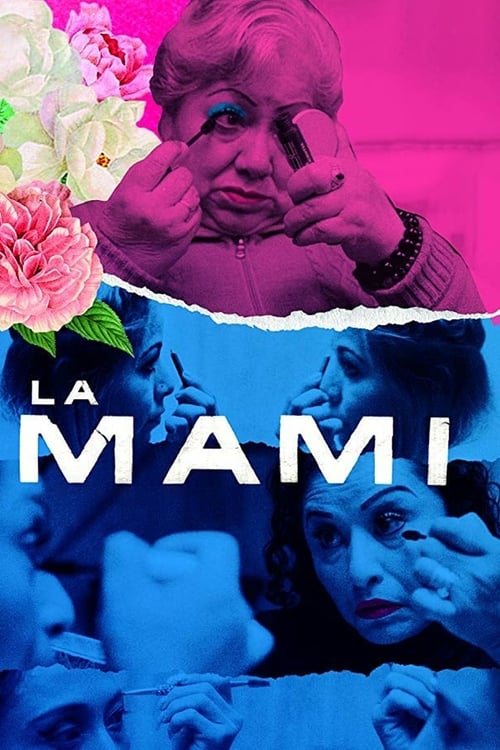
One of the rooms inside the legendary Barba Azul Cabaret has become a shelter for the girls working there: the women's bathroom. Every night La Mami, who's in charge of the bathrooms, offers them the warmth and the advice they need to take on the challenge they face in the dance hall.
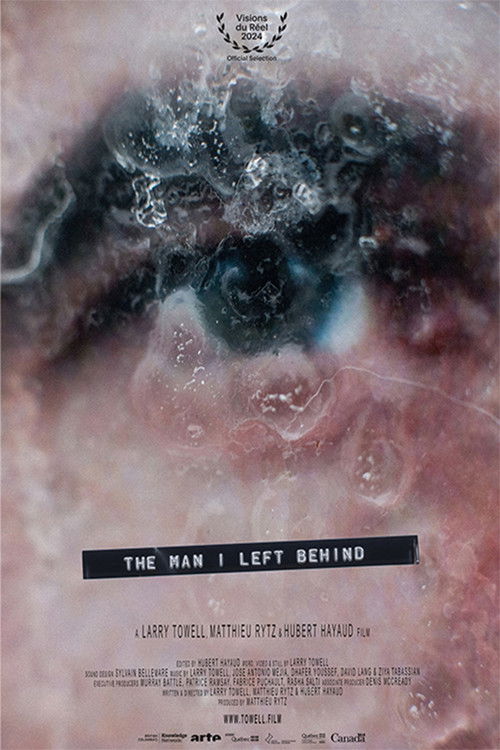
Larry Towell is a photographer with the prestigious Magnum agency. For 40 years, he has travelled our troubled planet, capturing the unspeakable. In this cinematic diary, he looks back on his profession, his doubts, the need for images, the absurdity of borders, the danger of “getting used to war” and the essence of his quest, which is also that of the film: humanity. Yet another impressive work by Matthieu Rytz, talented filmmaker born in Nyon!
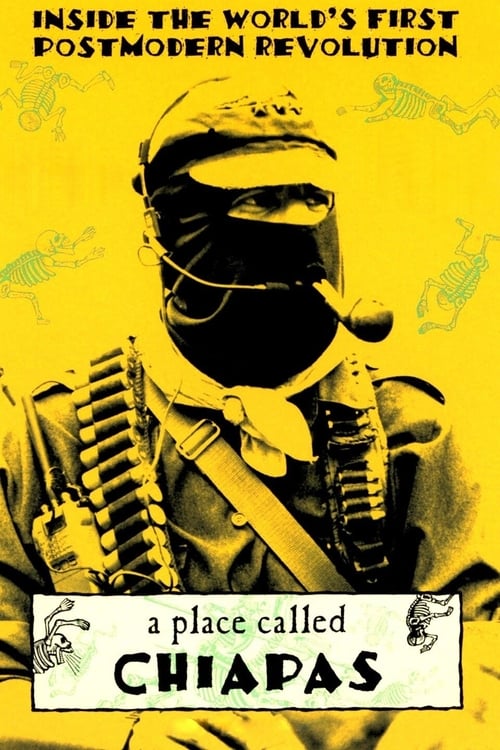
In 1994, the Zapatista National Liberation Army, made up of impoverished Mayan Indians from the state of Chiapas, took over five towns and 500 ranches in southern Mexico. The government deployed its troops and at least 145 people died in the ensuing battle. Filmmaker Nettie Wild travelled to the country's jungle canyons to film the elusive and fragile life of this uprising.
More than twenty sports journalists – working mainly on television (BeIN Sports, RMC Sport, France Télévisions, Canal+, TF1) but not only (L'Équipe, Radio France) – testify to the anger, despondency and helplessness they felt when they had to endure the “Yucky jokes”, the « culture de boy’s club » and degrading insults on social networks, while at the same time the presence of women in these programs and in the press has increased. Without forgetting the misogynistic comments, the heaps of small sentences on the physique or the competence, the sexual innuendos… until the moral or sexual harassment.
This 1942 travelogue film, directed by Aldo Ermini and sponsored by the Office of the Coordinator of Inter-American Affairs, showcases Mexican culture during World War II, focusing on various cultural activities and popular entertainers of the time. The film features notable figures like Puerto Rican actress and singer Mapy Cortés, Mexican comedian Cantinflas, and a re-enactment of Aztec traditions.
In Japan, there is an informal agreement between mainstream media and the government that is hardly ever questioned: Journalists are not too persistent in their criticism, in turn representatives of the government grant direct access to select information through press conferences. Isoko Mochizuki, reporter for the Tokyo Shimbun newspaper, has established herself as a spoilsport in this system.
A group of mexican high school students spent their time at parties and outside of school practicing skateboard, drinking an doing drugs.
In 2016, a young Austrialian filmmaker began documenting amateur inventor Peter Madsen. One year in, Madsen brutally murdered Kim Wall aboard his homemade submarine. An unprecedented revelation of a killer and the journey his young helpers take as they reckon with their own complicity and prepare to testify.
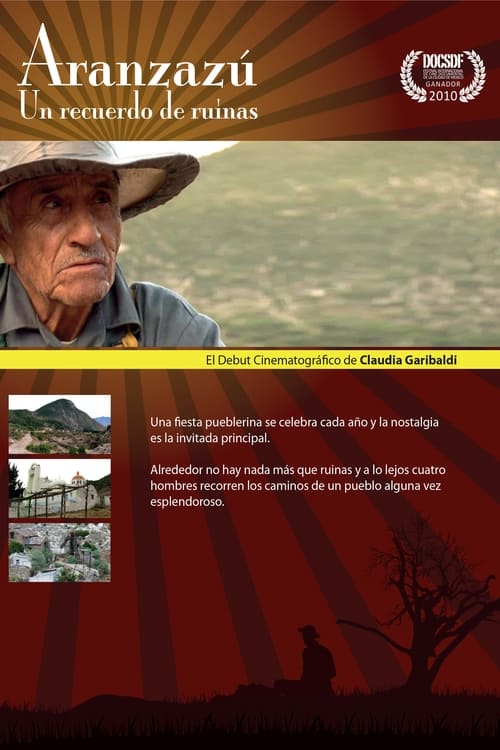
The celebration of a city is held every year and nostalgia is the main guest. Around the city there is nothing but ruins and in the distance, four men walk the streets of a city that was once great.
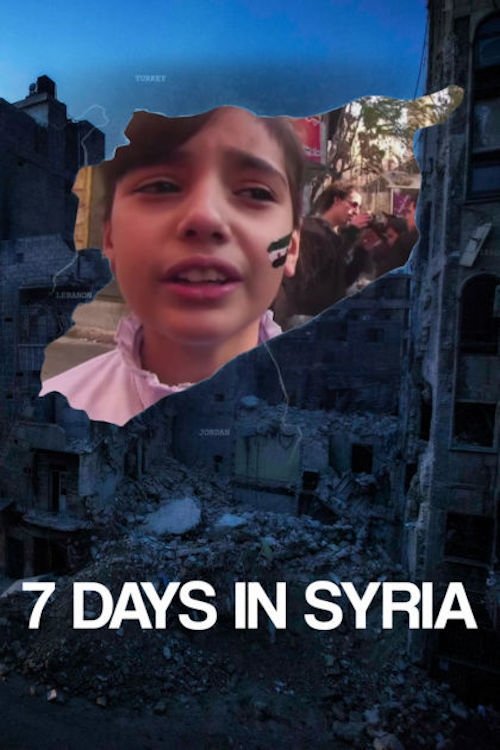
In the most dangerous country in the world for journalists, Newsweek Middle East editor, Janine di Giovanni, risks it all to bear witness, ensuring that the world knows about the suffering of the Syrian people.
Augusto and Paulina have been together for 25 years. Eight years ago, he was diagnosed with Alzheimer's disease. Both fear the day he no longer recognizes her.
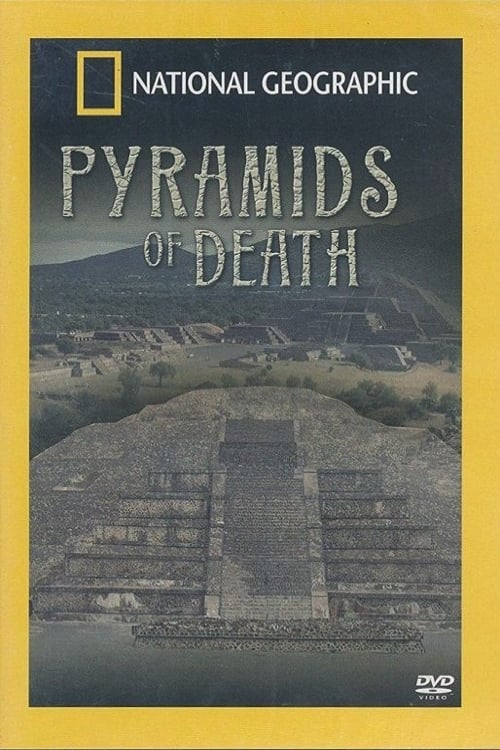
They are some of the biggest pyramids on the planet, millions of tons of stone and earth towering above the landscape in a display of massive wealth and power. But it wasn't the pharaohs that built these pyramids. This is the majestic ancient city of Teotihuacán, Mexico, home to one of the most powerful civilizations of its time. But why, around 750 AD, did the advanced civilization that created Teotihuacán suddenly vanish? The identities of its founders, the language they spoke and even the original name of the city are all unknown. DNA analysis of bodies from Teotihuacán shows they weren't Mayan, Incan or Aztec, but an entirely different civilization. It was assumed to have been a peaceful, utopian society, but the latest discoveries are revealing a much darker scenario. In the depths of Teotihuacán's pyramids, experts have uncovered vault after vault filled with curious human remains.
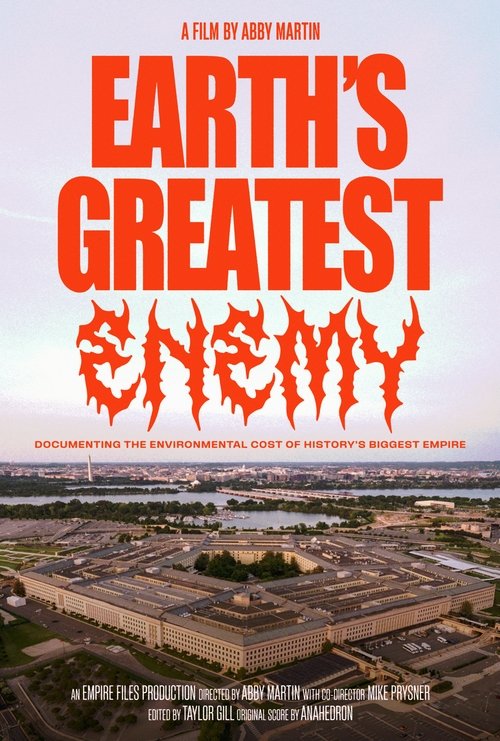
In Abby Martin's second feature documentary, Earth’s Greatest Enemy reveals a hidden truth behind the climate crisis: the role of the U.S. military as the world’s largest institutional polluter. Drawing on powerful testimonies from veterans, scientists, and frontline communities, it uncovers how military operations poison ecosystems, accelerate global warming, and sacrifice the future for endless expansion. From Alaska’s melting glaciers to contaminated bases across the U.S. and toxic battlefields abroad, Earth’s Greatest Enemy delivers a provocative and unflinching examination of the untouchable institution playing an outsized role in the climate crisis.
In Bangkok, Thailand, women punch a clock and wait for clients in a brightly lit glass box; in the red-light district of Faridpur, Bangladesh, a madam haggles over the price of a teenage girl; and in the border town of Reynosa, Mexico, crack-addicted women pray to a deity named Lady Death.
CNN camerawoman Margaret Moth fearlessly captures footage of war zones. After receiving catastrophic injuries in the crosshairs of battle, she returns to work with more courage than ever. An intimate portrait of a trailblazing female photojournalist. Features interviews with Moth’s family and friends, including CNN’s Christiane Amanpour. A Sundance film festival premiere directed by Lucy Lawless.
Migrant families experience violence, but they also keep beautiful memories when they arrive in new lands. Fantastic and intimate stories, recalled from childhood, travel across time and space, magically intermingling with the help of the four elements and breaking the boundaries of cinema.