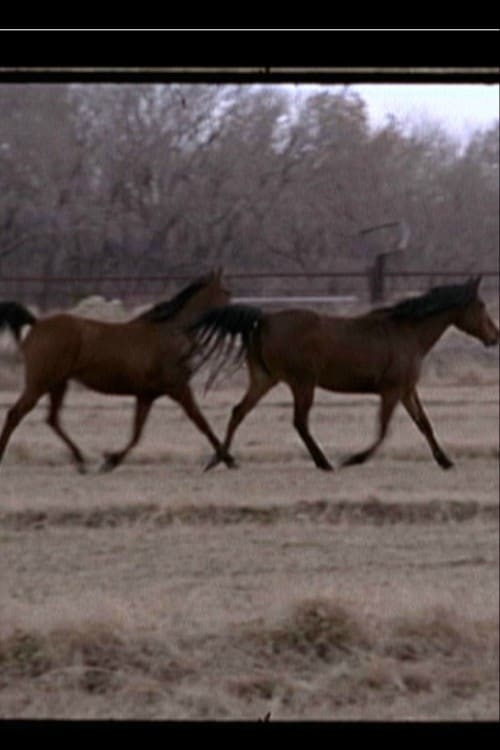
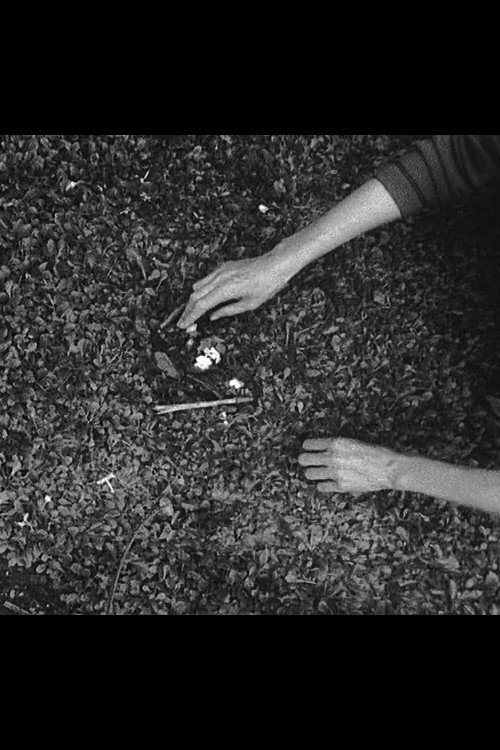
The meeting point between two comunication media: A letter written in 1929 -hidden inside the adobe walls of an old country house - and the shooting of the coutryside along the highway that connects two Chilean cities un 2018.
The quietly insistent and critical DEPOSITIONS attempts to restore some dignity to images of the communities of the Scottish highlands taken from patronizing BBC documentaries and news features from the 70’s and 80’s. DEPOSITIONS repurposes footage from the archives of the BBC and sound from the School of Scottish Studies, it is a film about differences and dichotomies: science and superstition, near and far, community and the individual.
A series of portraits, made for Television, of four diverse individuals brought together through shared residence. These short films were filmed in the tenement where I lived for eight years. The first is shot in our bedroom, which doubled up as my former partner's office, the three others were shot in architecturally identitical spaces owned by my then neighbours. Shot and edited on a single 16mm bolex camera using available light throughout, the films invoke reflections on the four individuals, how they occupy these particular spaces together.
Silent film showcasing hypnosis and its effects.
Found footage anti-war film comprising film documents of the Austro-Hungarian and Italian army on the Alpine front, and from first generation picture material by war-film pioneer Luca Comerio.
Sistiaga painted directly on 70mm film a circular (planetary?) form, around which dance shifting colours in a psychedelic acceleration matched by the soundtrack’s deep-space roar and howl. - Cinema Scope
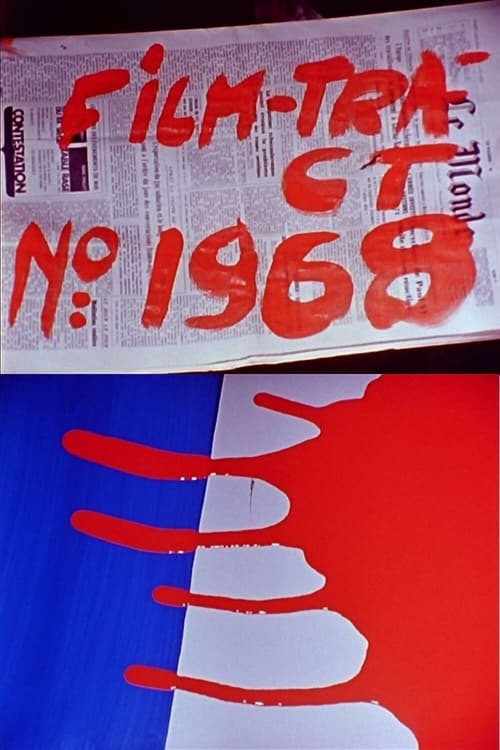
In the 1968 movement in Paris, Jean-Luc Godard made a 16mm, 3-minute long film, Film-tract No.1968, Le Rouge, in collaboration with French artist Gérard Fromanger. Starting with the shot identifying its title written in red paint on the Le Monde for 31 July 1968, the film shows the process of making Fromanger’s poster image, which is thick red paint flows over a tri-color French flag. —Hye Young Min
Chapter Two represents a continuation of daily observations from the environment of Manhattan compiled over a period from 1980-1981. This is the second part of an extended life's portrait of New York.
The film is a study of nature and significance of the hands in cinema. Besides review of movements and actions, which creates an independent story, it reveals interactions and interdependence of cinematic traditions of various authors, countries and periods
Basically an artist is also a terrorist, the protagonist thinks in an unguarded moment. And if he is a terrorist after all, then he might just as well be one. Not an instant product, but an experimental feature in which diary material is brought together to form an intriguing puzzle.
A day in the city of Berlin, which experienced an industrial boom in the 1920s, and still provides an insight into the living and working conditions at that time. Germany had just recovered a little from the worst consequences of the First World War, the great economic crisis was still a few years away and Hitler was not yet an issue at the time.
On 18th of December 2017, the Filarmonica Teatro Regio Torino, directed by Timothy Brock, presented "The Gold Rush" by Charles Chaplin, with live performance of the soundtrack. But let's go back a few days: this short film takes us in the backstage of the concert!
A travelogue along the scenic highways of Cape Breton Island—particularily along the Cabot Trail near Keltic Lodge.
A documentary from Erkki Karu, one of the earliest pioneers of Finnish cinema: This government-produced propaganda film introduces the nature, sports, military, agriculture and capital of Finland.
Rapidly changing images of natural objects, scenery, animals, plants, and people flicker, flash, tumble, and cascade across the screen.