The moving story of the last generation of Holocaust survivors who travel to Poland with thousands of teenagers from around the world to retrace the Death March from Auschwitz to Birkenau.
Elika Rezvani
as Self
Teodor Kovač, Ivan Ivanji and Marta Flato survived the 1942 pogrom known as the Novi Sad raid, when Hungarian fascists killed more than a thousand people from Novi Sad and dumped their bodies under the ice of the Danube river. Sociology professor Marija Vasić fights against forgetting and teaches students about the Novi Sad raid, while the local authorities erect a controversial monument to innocent victims, and on that list are the names of war criminals who participated in the Novi Sad raid.
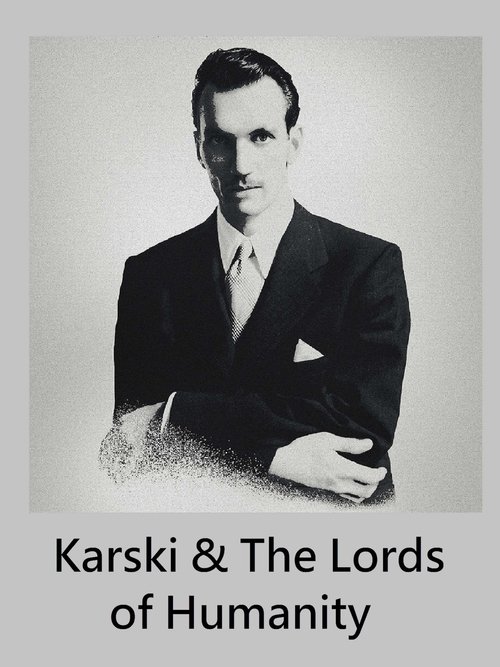
The film tells the story of a member of the Polish underground who acted as a courier during World War II and whose most prominent mission was to inform the Allied powers of Nazi crimes against the Jews of Europe in an effort to prevent the Holocaust.
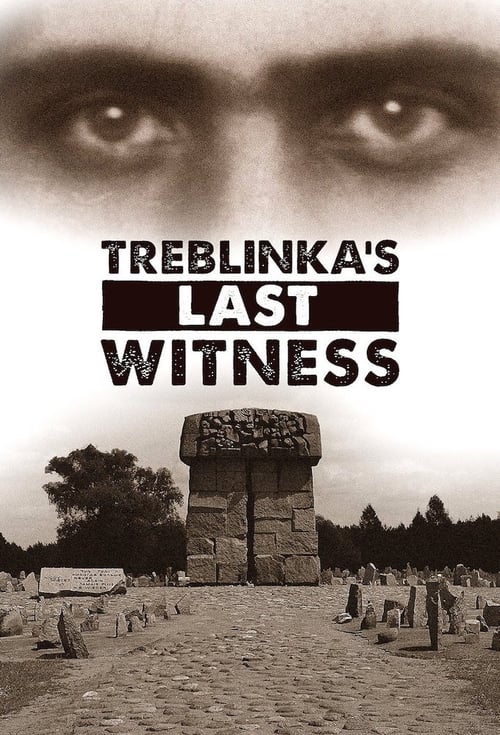
Samuel Willenberg and Kalman Taigman, the last two survivors of the Nazi extermination camp Treblinka, recount the horrors they experienced during the war and talk about their lives after their escape in a prisoner uprising in 1943. Willenberg would go on to become a hero of the 1944 Warsaw uprising while Taigman would be called as a witness during the infamous trial of Adolf Eichmann.
World War II, June 1940. France has fallen and suffers the relentless boot of Nazi Germany. But Algeria, the prized French colony in North Africa, remains part of the territory controlled by the Vichy regime of Marshal Pétain. A strict colonial order is maintained: the French of European origin rule, while local Jews are stripped of French citizenship and discrimination against the mainly Muslim population increases.
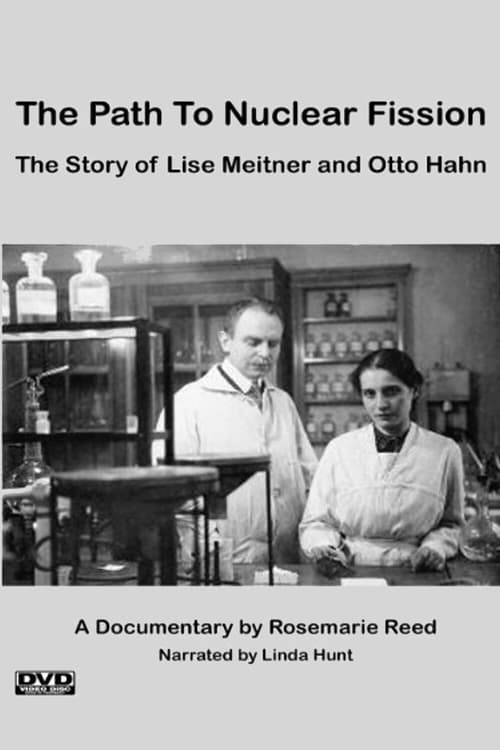
A story about the life and turbulent times of Lisa Meitner and Otto Hahn, two exceptional scientists whose remarkable collaboration culminated in the discovery of nuclear fission, the division of the atom that changed the future. The show traces the development of nuclear science in the first half of the twentieth century, Meitner's early struggle for education and her quest to gain a foothold in the world of male-dominated physics, Hahn's initial research and independent discoveries, the collaborative discovery of the two scientists, as co-discoverers and the award of the Nobel Prize only to Hahn.
The Vatican opened once-secret records on Pope Pius XII on March 2020. This gave researchers a brand new insight into the Catholic Church during the Nazi era. What did the Pope know about the Holocaust?
A double portrait of two dictators who were thousands of miles apart but were constantly fixated on each other.
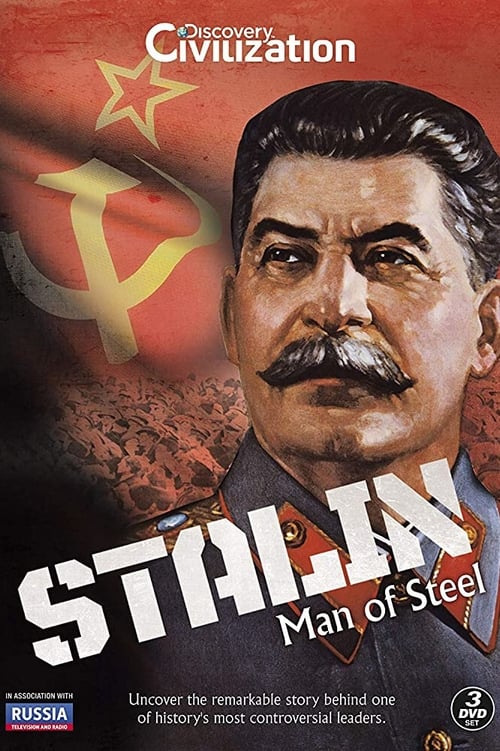
Emmy Awards nominee for "Outstanding Individual Achievement in a Craft: Research: Multi-faceted portrait of the man who succeeded Lenin as the head of the Soviet Union. With a captivating blend of period documents, newly-released information, newsreel and archival footage and interviews with experts, the program examines his rise to power, deconstructs the cult of personality that helped him maintain an iron grip over his vast empire, and analyzes the policies he introduced, including the deadly expansion of the notorious gulags where he banished so many of his countrymen to certain death.
Marcel Ophuls' riveting film details the heinous legacy of the Gestapo head dubbed "The Butcher of Lyon." Responsible for over 4,000 deaths in occupied France during World War II, Barbie would escape—with U.S. help—to South America in 1951, where he lived until a global manhunt led to his 1983 arrest and subsequent trial.
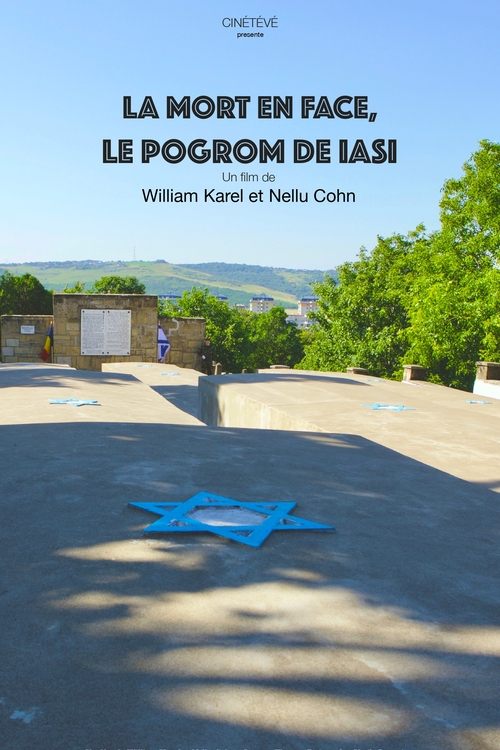
In Iasi, Romania, from June 28 to July 6, 1941, nearly 15 000 Jews were murdered in the course of a horrifying pogrom. At the time, the programmed extermination of European Jews had not yet began. After the war, the successive communist governments did all they could to ensure the Iasi pogrom would be forgotten. It was not until November of 2004 that Romania recognized for the first time its direct responsibility in the pogrom. All that remains of this massacre are about a hundred photographs taken as souvenirs by german and romanian soldiers, and a few remaining survivors.
Director Claude Lanzmann spent 11 years on this sprawling documentary about the Holocaust, conducting his own interviews and refusing to use a single frame of archival footage. Dividing Holocaust witnesses into three categories – survivors, bystanders, and perpetrators – Lanzmann presents testimonies from survivors of the Chelmno concentration camp, an Auschwitz escapee, and witnesses of the Warsaw Ghetto Uprising, as well as a chilling report of gas chambers from an SS officer at Treblinka.
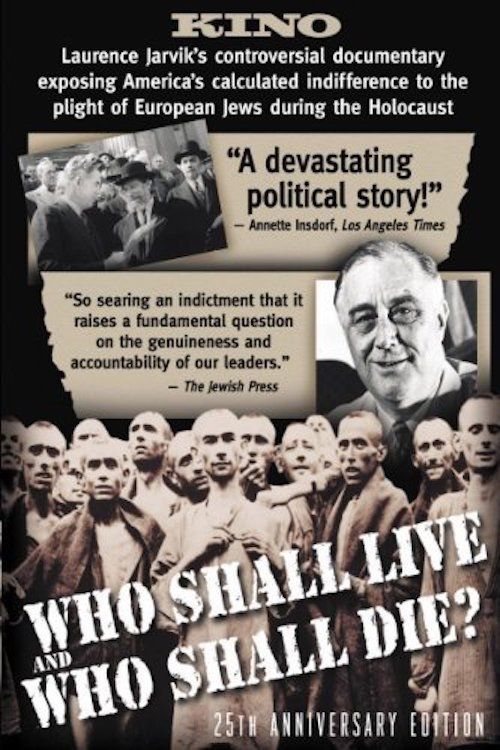
A documentary about America's knowledge of the Holocaust during the Second World War dares to ask, ""Could the Jews of Europe have been saved?"
Filmed in 1983, during the presentation of Peter Weiss' play at the Fred Barry theater at UQAM. This document exposes us to a play dealing with the Shoah, and its intention to present the medium of video as a specific language.
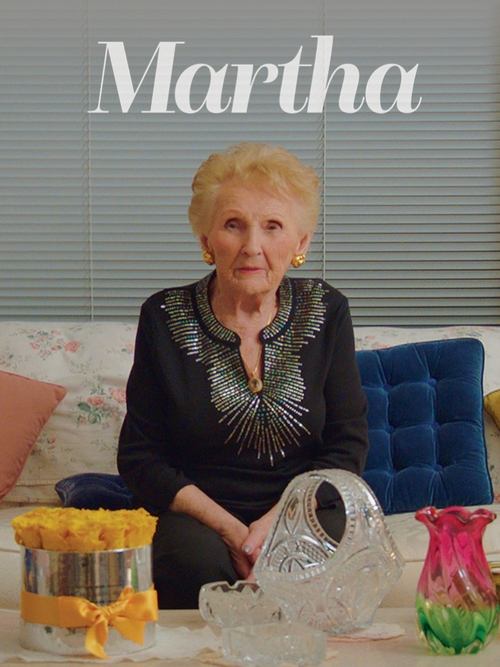
Documentary of Daniel Schubert's grandmother, Martha Katz, a Holocaust survivor.
Argentina, 1960: a true crime story of how secret agent Zvi Aharoni hunts down one of the highest-ranking Nazi war criminals on the run.
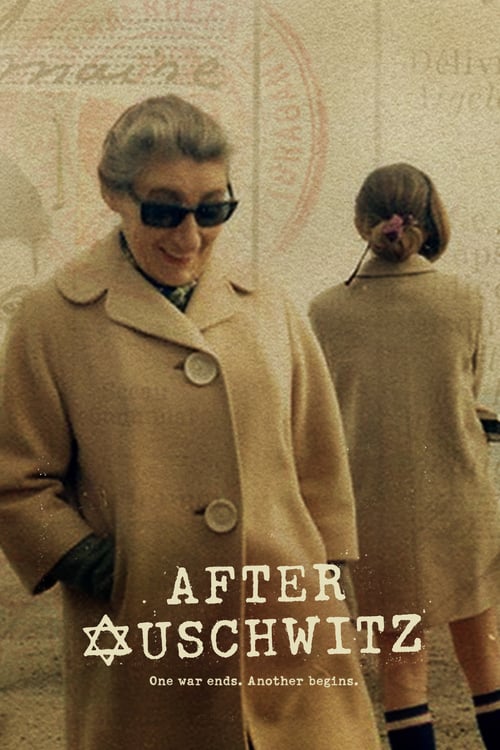
For six female Holocaust survivors, liberation from the camps marked the beginning of a lifelong struggle.
Through interviews we meet some of the people who risked their lives to hide Jewish children during World War II and how this experience has continued to affect the survivors.
A journey through a place of an eternal past; where the grandson of a Jewish partisan sets out to experience the dramatic events and places that shaped his grandfather's war years