A documentary about the concrete sections of the Berlin Wall that have been acquired by institutions or individuals since 1989 and are now scattered across the USA. Cherished or abandoned, they have become silent witnesses to recent history.
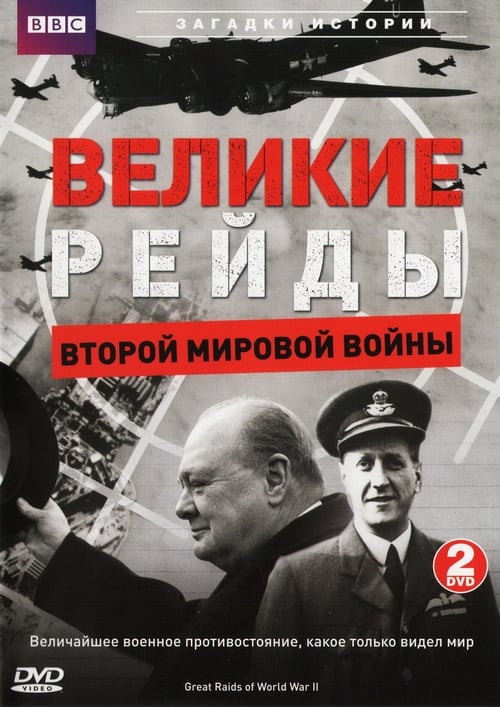
Showcases a series of daring raid made by various sections of the British military during World War II. The raids highlighted are "Stopping Hitler's A-Bomb", "Prison Busters", Radar Beam Raiders", "Storm at St. Nazaire", "Cockleshell Raiders" and "Arctic Commando Assaults". Each raid is analyzed, the reasons for it taking place, the planning and execution plus the results and consequences.
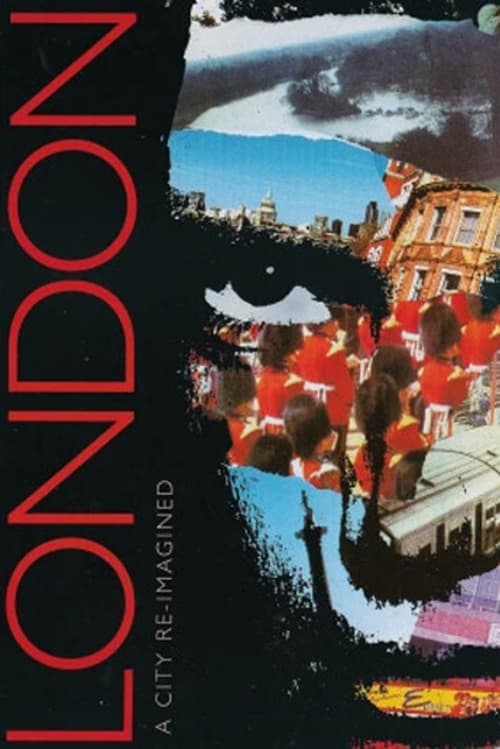
A psycho-geographic journey through London and its history, as undertaken by an unseen narrator and his companion, Robinson, at the time of the 1992 general election.
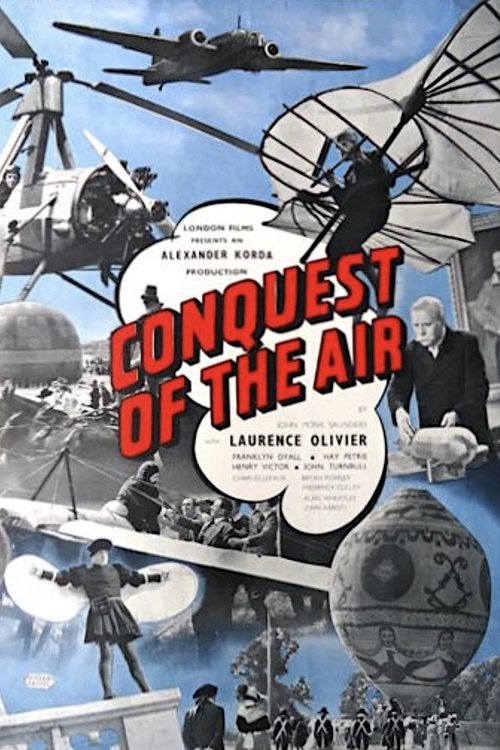
This early docudrama uses dramatic reenactment, working models of early flying machines, and archival footage to trace man's attempts to fly from ancient times through the 1930s.
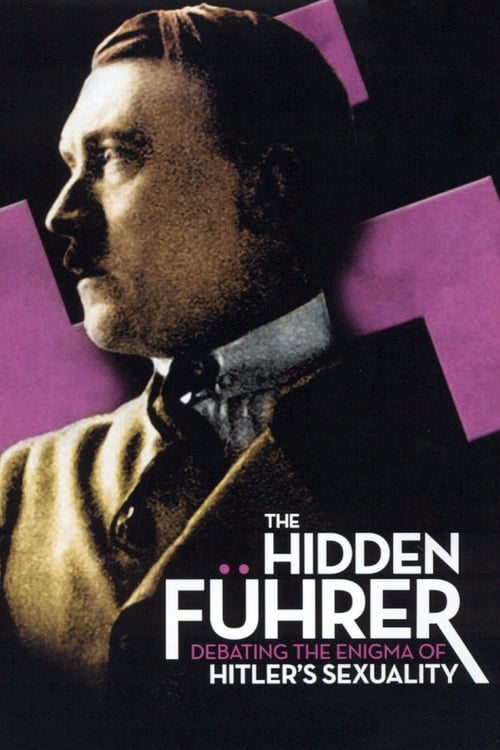
In September 2001, respected German historian Lothar Machtan dropped a bombshell on the world of Hitler studies: Hitler was secretly homosexual. His highly acclaimed and explosive book "The Hidden Hitler" ignited a storm of controversy. With information from the bestselling book, award-winning filmmakers Fenton Bailey, Randy Barbato and Gabriel Rotello explore areas of the Führer's private life.
Fareed Zakaria explains the modern explosion in white supremacy, why the ideology is growing in the U.S. and abroad, who the leaders are, and what they want.
Behind the iconic Eiffel Tower lies the story of an incredible challenge to erect a thousand-foot tower that went far beyond a design competition, and marked a major turning point in engineering history. It was the beginning of radical transformation where iron was pitted against stone, engineering against architecture, and modern design against ancients. Press campaigns, lobbying, public conferences, denigration of opposing projects, bragging about big names - all participants engaged in a fierce battle without concession. Using 3D recreations, official sources (reports, letters, drawings...) and intimate archives obtained from their descendants, this film will bring to life this vertical race through a fresh and visual way to mark the centenary of Eiffel death.
In his experimental short film "Brutalität in Stein" (Brutality in Stone), Alexander Kluge demonstrates how Nazi architecture used dimensions of inhuman and super-human scale to bolster the regime's politics of the same kind. Shots of huge neo-classical architectural structures from the Nazi period are confronted with equally anti-human national-socialist language as a voice-over.
Virginia Woolf said that Homer's epic poem the Odyssey was 'alive to every tremor and gleam of existence'. Following the magical and strange adventures of warrior king Odysseus, inventor of the idea of the Trojan horse, the poem can claim to be the greatest story ever told. Now British poet Simon Armitage goes on his own Greek adventure, following in the footsteps of one of his own personal heroes. Yet Simon ponders the question of whether he even likes the guy.
Treats drafting as a means of visual communication and a key to organized training and planning. Discusses the importance of drafting in various fields such as architecture, engineering, and industry. Drafting allows individuals to communicate their ideas visually, leading to accurate planning and construction. It is emphasized that drafting skills open up numerous career opportunities in different industries.
Casablanca, vibrant and diverse, always ahead of its time, is the star of this exceptional show bringing together leading speakers and contributors to tell the story, experience the present, and build the future of Metropolitan Casablanca.
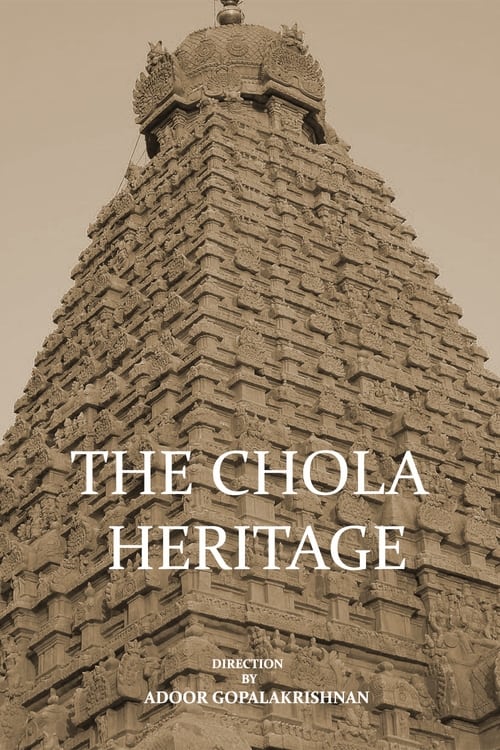
The film highlighting the Dravidian temple architecture and bronze sculpture which attained the creative pinnacle during the rule of the Cholas in the 10th and the 11th centuries. Cholas were great temple builders. The temple of Vijayalaya Cholesvara is one of the finest examples of the early Chola style. The temple of Nagesvara at Kumbakonam is remarkable for the sculptures found in the niches of its outer walls. The Brihadesvara temple at Thanjavur is a landmark in the evolution of building art in India.Among several such unique temples, Tribhuvanam is the last important temple belonging to the Cholas. Besides temple architecture,the bronze sculpture of the Cholas holds a unique place in the field of art. One of the most important and famous of all Hindu icons,that of the cosmic dance of the Nataraja is intimately associated with the Chola bronzes.
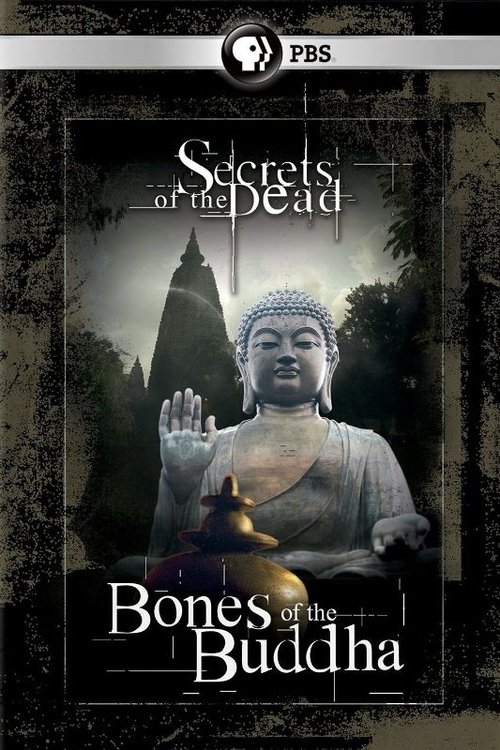
Bones of the Buddha is a 2013 television documentary produced by Icon Films and commissioned by WNET/THIRTEEN and ARTE France for the National Geographic Channels. It concerns a controversial Buddhist reliquary from the Piprahwa Stupa in Uttar Pradesh, India. It was released in May, 2013, and was broadcast in July 2013 in the US on PBS as part of the Secrets of the Dead series.
Heralded as a palace among minor and major league baseball stadiums, Silver Stadium set a standard of excellence from opening day. From May 1929 through the 1990s Silver Stadium served as home to Rochester's historic baseball team, The Rochester Red Wings, as well as many other sporting teams. When not being used as a baseball stadium, the space served as center stage for a variety of traveling acts. Hear from the people closest to the history of this magnificent facility as they take you on a journey through The Memories of Silver.
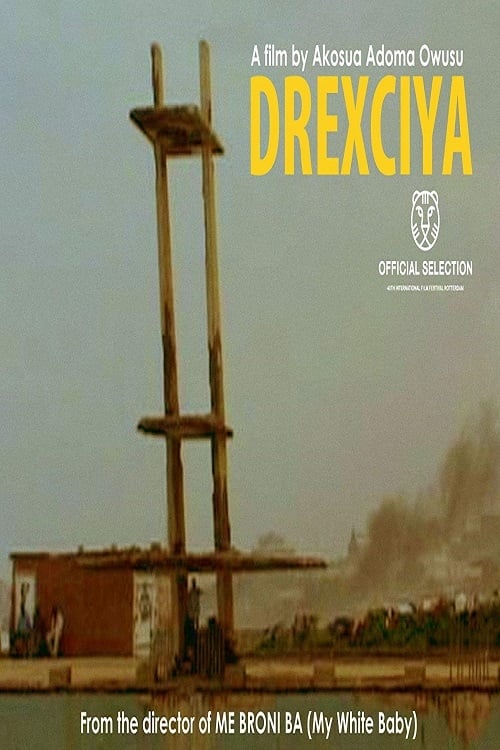
A portrait of a dilapidated Olympic-sized pool in Accra, Ghana.
Hot Wheels and Bobcat Studios are partnering to celebrate the 50th anniversary of the most popular — and disruptive — toy in the world, Hot Wheels.