An epic story of Australian and international scientists who are racing to understand our greatest natural wonder and employing cutting edge science in an attempt to save it.
Emma Johnston
as Self - Host / Narrator (voice)
Wildlife photographer Richard Sidey joins an international team of whale research scientists in Antarctica to document their work on how Humpback Whales are adapting to a changing ocean.
An eye-opening documentary that asks the question: Are we going to let climate change destroy civilization, or will we act on technologies that can reverse it? Featuring never-before-seen solutions on the many ways we can reduce carbon in the atmosphere thus paving the way for temperatures to go down, saving civilization.
A huge new global protest movement is changing public attitudes to climate change. Reporter Ben Zand gains access to the most high-profile activist group, Extinction Rebellion.
Can forests help cool the planet? Follow scientists working in spectacular forest landscapes in Costa Rica, Brazil, Australia, and beyond as they try to untangle complex networks of trees, fungi, and creatures large and small—all in a quest to tackle the twin threats of climate change and species extinction.
In the cobalt mining areas of Katanga in the Democratic Republic of the Congo (DRC), babies are being born with horrific birth defects. Scientists and doctors are finding increasing evidence of environmental pollution from industrial mining which, they believe, may be the cause of a range of malformations from cleft palate to some so serious the baby is stillborn. More than 60% of the world’s reserves of cobalt are in the DRC and this mineral is essential for the production of electric car batteries, which may be the key to reducing carbon emissions and to slowing climate change. In The Cost of Cobalt we meet the doctors treating the children affected and the scientists who are measuring the pollution. Cobalt may be part of the global solution to climate change, but is it right that Congo’s next generation pay the price with their health? Many are hoping that the more the world understands their plight, the more pressure will be put on the industry here to clean up its act.
Machines relentlessly working under the scorching sun. Pumps, reels, and unbearable horizons behind corrugated metal sheets that spark at the touch. Eleven months after the devestated floods of 2023, the rural greek settlement of Metamorfosi, awaits the end of a suffocating August and its inevitable transformation.
A growing group of Dutch people in their twenties see the earth becoming less livable. They join the climate group Extinction Rebellion and campaign to fight the climate crisis. There is little they shy away from in their struggle: nightly campaigns, high-altitude actions, and even arrests or a criminal record. Everything for a better planet.
Exploring the concept of the Ecology of Emotions, this musical film portrays an inner journey through the secret garden of creativity put into frame by the nature of Iceland. Hidden Eden is a metaphor for our inner secret garden of creativity. This project bloomed during an art residency in Iceland, sparked by conversations around our shared philosophies on voice and emotional connection. The nature of Iceland inspired us to make the connection on how the landscape reflects the emotional states of creativity and how it helps manage the homeostasis of our inner emotional landscapes. This exchange between emotion and the landscape opens a space for healing. Creativity provides us with the tools to access a garden of our authentic being, nourishing and balancing us. Allowing ourselves to explore the spectrum of our emotions through the lens of our relationship with the Earth invites others to do the same. The creative process can affect our well being and is a key to human evolution.
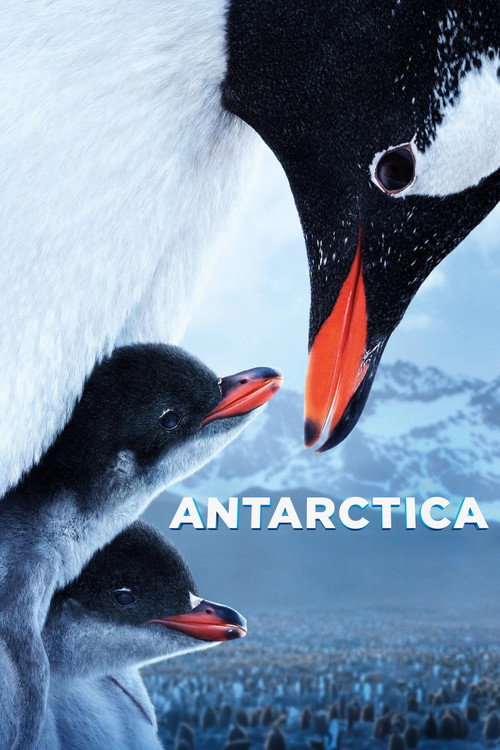
The bleakness of Antarctica is a fallacy. The ice continent is full of life and offers a biodiversity of which only about two percent are known. Much of it is under water and could determine the future of human beings. When the northern lights cover the ice landscape in summer, the animals in the Antarctic are in a paradisiacal state. Whales blow their fountains in the sky, penguins fly like small rockets into the water, seals dive for crabs under the glittering ice floes. From the bay of the Ross Sea to the ice shelf, from the huge penguin colonies to steaming volcanoes, a life in rhythm with the ice. But the consequences of climate change are slowly becoming apparent here too. While some species are dying, others are spreading. They could bring new viruses and bacteria with them, and new dangers for humans too. The structure of nature has gotten off course. How many generations will still be able to experience the magic of Antarctica?
Mezquite is a large tree with many virtues and is in danger due to the neglect that has been had with its species in recent years.
One child's fascination with playful aquatic pets turns into a lifelong search for those tiny animals in the wild. After a thirty-year journey, he is finally shown a secret location in a small woodland pool where ancient "fairy shrimp" live. Together with his brother, Mark, Brian La Fountain documents his journey and captures in astonishing detail the fairy shrimp's miraculous life and mysterious world as seen here in the first film ever created about these beautiful and elusive creatures.
Zanzibar: Trouble in Paradise depicts a group of women who gained financial independence and stability in an otherwise male dominated culture through seaweed farming, until climate change killed the seaweed. The film follows the women, whose ingenuity led them to a new crop, more resistant to climate change: sea sponges. However, new challenges occurred; combating bacteria and climate change threatening their new product as well. In bringing the story of these women to light, the film demonstrates their resiliency and individual struggles facing the effects of climate change. While many documentaries focus on the science, Zanzibar shines a light on the disaster's impact upon those least likely to be heard.
Off The Mark is a documentary about a world-first dog sled expedition in Finnmark, Norway, in the middle of the polar night in search of microplastics and indigenous solutions to the climate crisis.
Disobedience tells the David vs. Goliath tale of front line leaders battling for a livable world. Filmed in the Philippines, Turkey, Germany, Canada, Cambodia and the United States, it weaves together these riveting stories with insights from the most renowned voices on social justice and climate. Disobedience is personal, passionate and powerful - the stakes could not be higher, nor the mission more critical.
For 20-year-old Madison Stewart, nothing feels safer or more natural than diving straight into shark-infested waters. Since childhood, growing up by the Great Barrier Reef, she's treated these predators as family. But they're vanishing from existence, and because of their bad reputation, few people seem to care. Follow Madison on her mission to protect our sharks, a battle that began when she put her studies on hold, grabbed a camera, and set out to save these incredible, misunderstood creatures.
Deciding whether to have a child is an emotionally fraught and deeply personal process. Deciding amid increasingly dire warnings about the climate makes it even more paralyzing. The Climate Baby Dilemma is a documentary charting the growing number of young people either refusing to bring a child into an increasingly unstable world or struggling with the ethics of whether they should or not. As the conversation about intimacy and climate change heats up, we meet activists, journalists, parents and prospective parents, ethicists and scientists to unpack this growing trend.
On the 22nd of May 2021, around 100 Animal Rebels shut-down all four McDonald's distribution centers across the UK. Shutting down their factories for a total of 96 hours and disrupting over 1300 of McDonald's restaurants across the country.