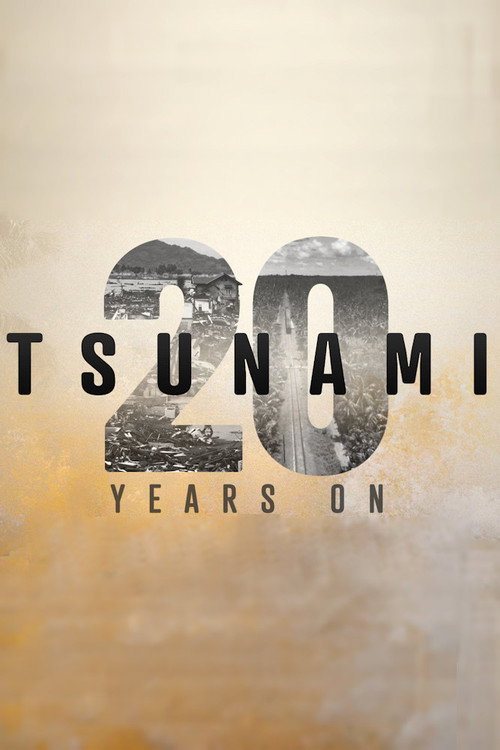
A worldwide scientific investigation on tsunamis. Thanks to exclusive access in Palu, Indonesia, follow the UN’s hand-picked scientific team of "tsunami hunters". Where do they strike? How do they submerge us? What can we do to survive them?
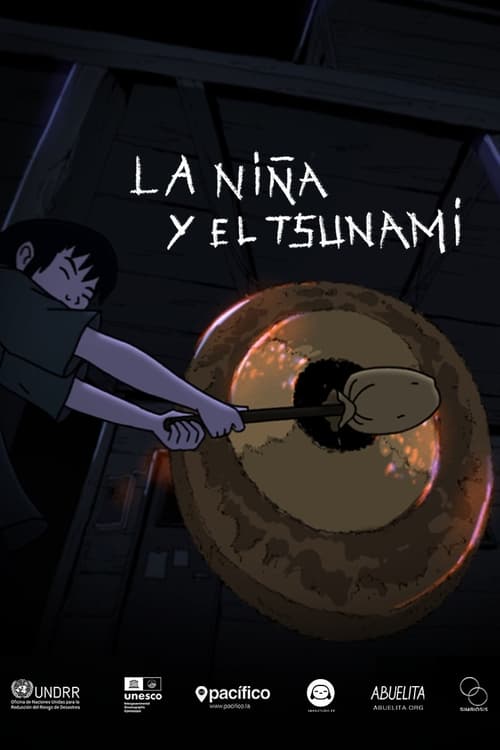
February 2010. On a remote island in the Pacific Ocean called Juan Fernández, everyone slept in town. But a 12-year-old girl felt a tremor and warned of imminent danger.
Ring of Fire is about the immense natural force of the great circle of volcanoes and seismic activity that rings the Pacific Ocean and the varied people and cultures who coexist with them. Spectacular volcanic eruptions are featured, including Mount St. Helens, Navidad in Chile, Sakurajima in Japan, and Mount Merapi in Indonesia.
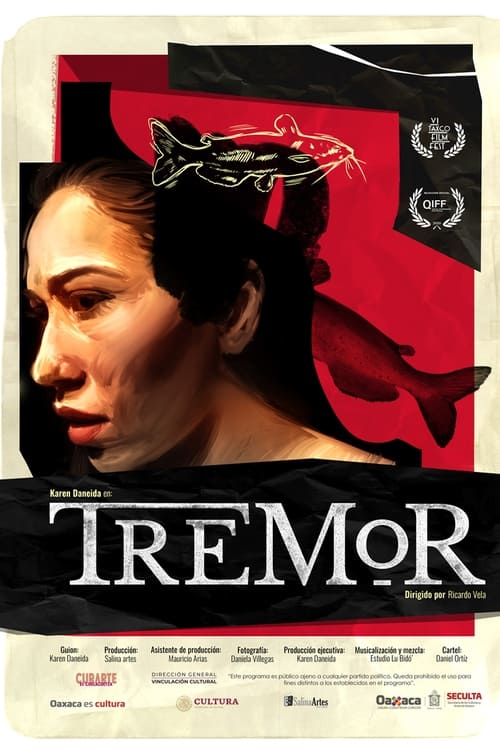
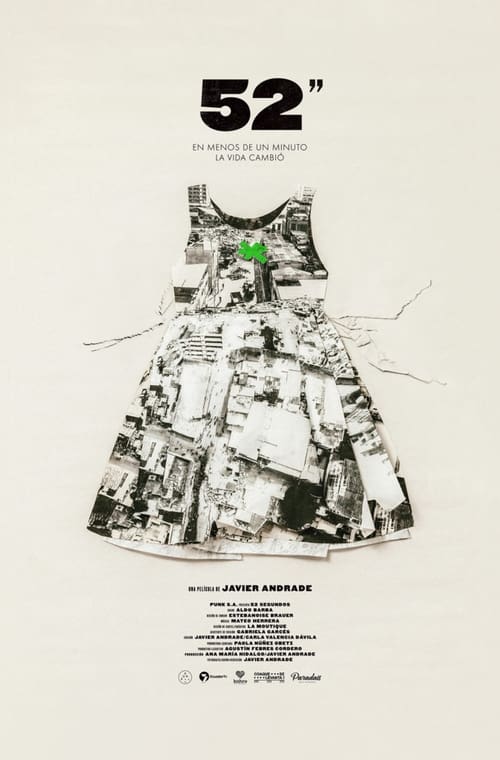
The anguish a woman experienced on the night of September 7, 2017, caused by the 8.2 magnitude earthquake that struck southern Mexico and the danger of another impending disaster.
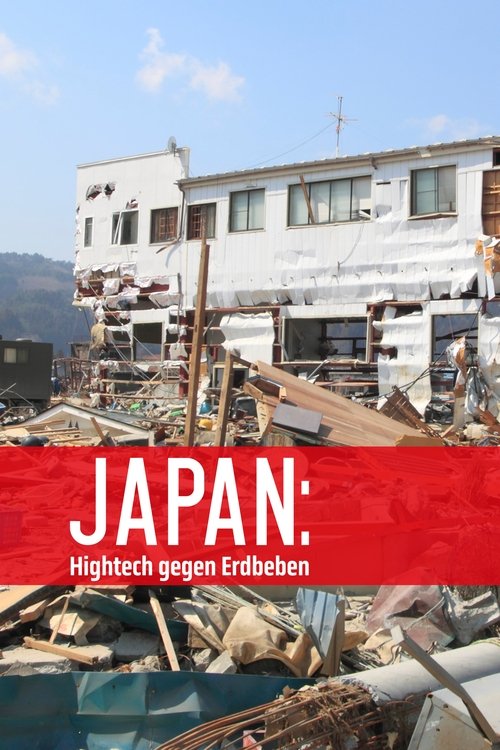
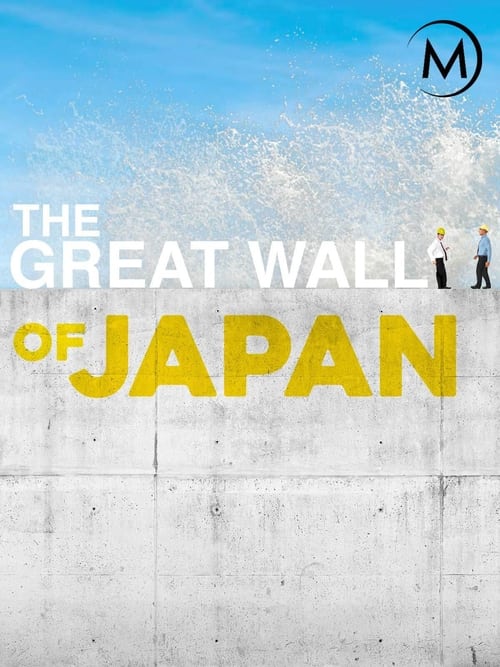
After the disaster of March 2011, the Japanese authorities decided to build a gigantic 15 meter high, 500 kilometer long, anti-tsunami wall, separating the land and the ocean. But what is the environmental and human impact of this wall? The population is divided on their opinion: should they cut the island off from the sea or stay vulnerable to tsunamis? Is there another way?
Amateur footage of the devastation caused by one of South Asia's worst earthquakes.
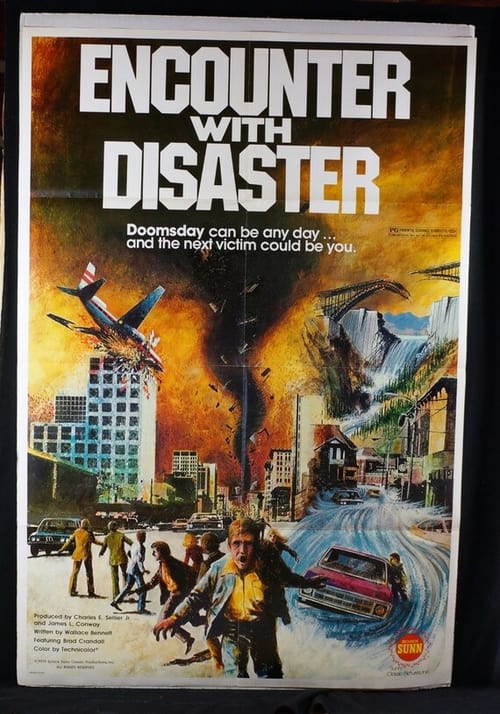
Depicts assorted natural and human disasters, including the crash of the Hindenburg (1937), earthquakes in Alaska (1964) and Long Beach (1933), the LeMans auto racing crash at which 82 people were killed (1955), Hurrican Camille (1964), the eruption of the Mt. Etna volcano (1971), a tornado (1974), the collapse of Idaho's Teton Dam (1976), the sinking of the Andrea Doria (1956) and the Texas City explosion which devastated Galveston (1947).
Face of the Earth explores the origin of our planet's outer layer, the why-and-how of its mobility. Through the use of well-designed diagrams, the earth's cyclical activity is clearly explained. Some unusual footage on volcanoes gives added punch to an already absorbing subject.
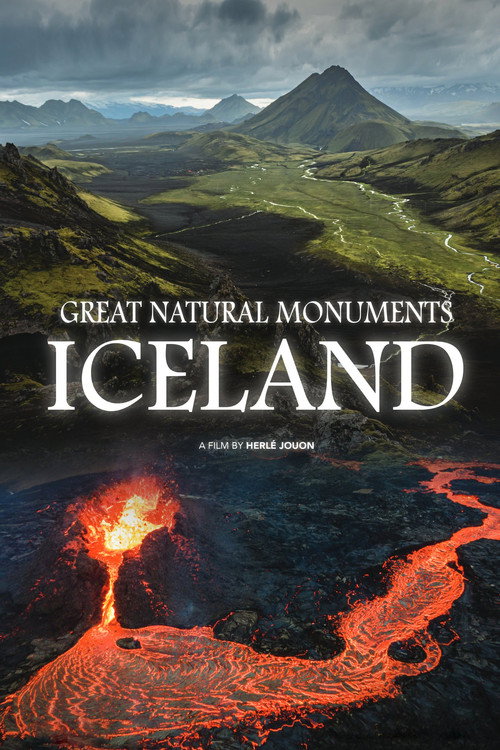
The fascinating landscape formations of Iceland in the North Atlantic bear witness to the beauty and primal power of nature. They were created through the interaction of powerful volcanic, geological and biological processes that have been changing the face of the earth for billions of years. This is what the Earth might have looked like four billion years ago. Iceland is the realm of ice and fire. Nowhere else is there such a high density of volcanoes. The landscapes, which are continually reshaped by eruptions, make the island a natural laboratory full of clues about the formation and development of the earth. The documentary follows a group of scientists through the most active areas of Iceland, along a mountain range that has emerged from the ocean. On the slopes of the volcanoes, in the fog of the fumaroles and on streams and rivers, the three researchers explore how the first forms of life populated the earth's surface and in what evolutionary steps they took over the earth.
An epic cinematic and musical collaboration between SHERPA filmmaker Jennifer Peedom and the Australian Chamber Orchestra, that explores humankind's fascination with high places.
Acclaimed Australian journalist Ray Martin and remarkable Australians return to the epicentre of the tragedy, uncovering incredible stories of hope and resilience.
On Oct. 17, 1989, at 5:04 p.m. PT, soon after Al Michaels and Tim McCarver started the ABC telecast for Game 3 of the World Series between the San Francisco Giants and the Oakland Athletics, the ground began to shake beneath Candlestick Park. Even before that moment, this had promised to be a memorable matchup: the first in 33 years between teams from the same metropolitan area, a battle featuring larger-than-life characters and equally colorful fan bases. But after the 6.9 Loma Prieta earthquake rolled through, bringing death and destruction, the Bay Area pulled together, and baseball took a backseat.
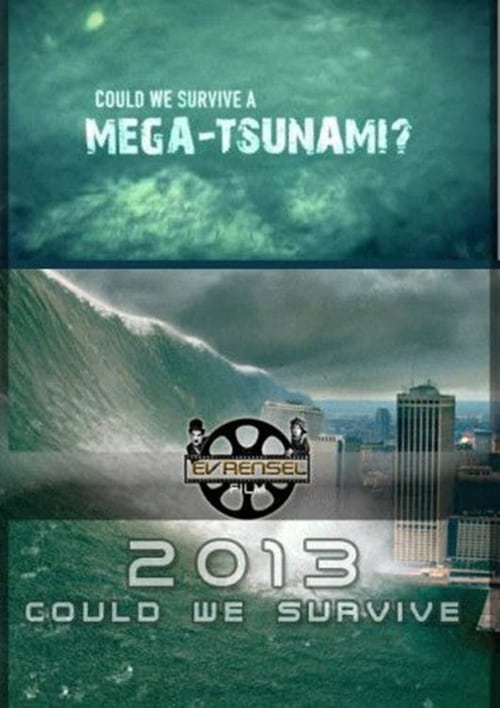
Starting off a kilometre high, travelling at the speed of a jet aircraft, and heading for us. It doesn't make for a good outcome. Hollywood-style graphics and real-life archive bring home an imagined near-future scenario, all based on cutting-edge science. —Trevor
This short-length documentary takes us to Agadir, a city in Morocco that was struck by an earthquake in 1960. The film, made by an expatriate Moroccan who lost family and friends in the disaster, is a memorial to that tragedy and to the past he left behind when he came to North America. Partly allegorical, it employs varying techniques to offset reality from fantasy sequences.
Three days before the tsunami hits Khao Lak, Jens Lind and his family travel on after a few weeks in paradise. With him, he has filmed material with people and moments from a place that would soon disappear. In the ten years that have passed, Jens has returned to the beach and the survivors. The documentary "Khao Lak" is a personal observation of a place that was washed away and rebuilt. At the center of the story is the unique little bungalow-place called "Mai's Quiet Zone".
On December 26, 2004, Southeast Asia was hit by a huge tsunami and hundreds of thousands of people lost their lives. Here, two Swedes who were affected by the tsunami are depicted. Mikaela, among the youngest of 16 Swedish children who lost both of their parents, is now returning to her childhood home. Sussi, who lost both of her daughters, now runs an orphanage in Phuket with her partner.
"1985: Heroes among Ruins" is a reflection of disaster. It is about the human solidarity, the search and rescue and the importance of civil protection, but above all, the triumph of the people over devastation during the earthquake of September 19, 1985 in Mexico City and the one ocurred in September 19, 2017.