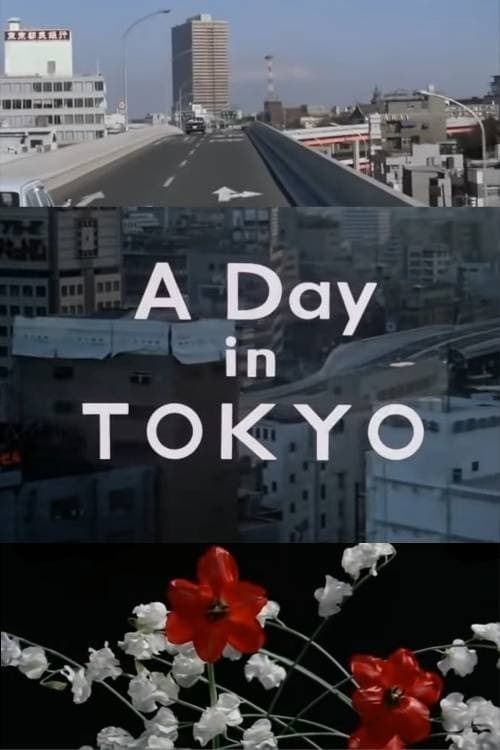
Wim Wenders talks with Japanese fashion designer Yohji Yamamoto about the creative process and ponders the relationship between cities, identity and the cinema in the digital age.
Wim Wenders
as Self
Yohji Yamamoto
Antônio Tenório and the Brazilian Paralympic Team are invited to a rare training camp in Japan. Passing through the main temples of Judo, our visually impaired athletes face the many challenges of training in an unknown country. The encounter with their Japanese hosts generates strangeness and difficulties, but also discoveries and joys. Step by step, these situations strengthen our athletes, who find themselves increasingly united. Led by the charisma and sensitivity of champion Tenório, a new generation of judo is revealed and inspired.
Produced by the Army Pictorial Service, Signal Corps, with the cooperation of the Army Air Forces and the United States Navy, and released by Warner Bros. for the War Activities Committee shortly after the surrender of Japan. Follow General Douglas MacArthur and his men from their exile from the Philippines in early 1942, through the signing of the instrument of surrender on the USS Missouri on September 1, 1945. Preserved by the Academy Film Archive in 2013.
In 150 years, twice marked by total destruction —a terrible earthquake in 1923 and incendiary bombings in 1945— followed by a spectacular rebirth, Tokyo, the old city of Edo, has become the largest and most futuristic capital in the world in a transformation process fueled by the exceptional resilience of its inhabitants, and nourished by a unique phenomenon of cultural hybridization.
Coverage of the glorious Olympic Opening Ceremony of the Games in Tokyo. The 2020 Summer Olympics opening ceremony took place on 23 July 2021 at Olympic Stadium, Tokyo. As mandated by the Olympic Charter, the proceedings combined the formal and ceremonial opening of this international sporting event, including welcoming speeches, hoisting of the flags and the parade of athletes, with an artistic spectacle to showcase the host nation's culture and history.
A nine-hour program that shows a man walking backwards through Tokyo – and nothing else – it appears. Ludovic Zuili, walking backwards through the capital of Japan. The video is shown back to front so that Zuili seems to be walking normally through a world moving back in time.
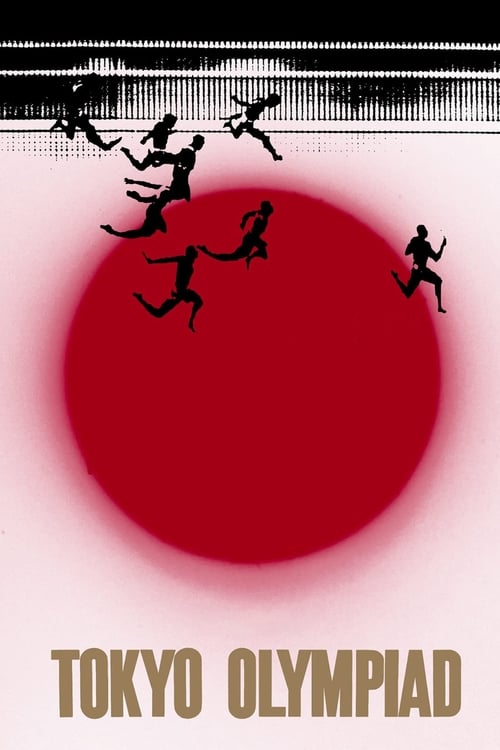
This impressionistic portrait of the 1964 Tokyo Summer Olympics pays as much attention to the crowds and workers as it does to the actual competitive events. Highlights include an epic pole-vaulting match between West Germany and America, and the final marathon race through Tokyo's streets. Two athletes are highlighted: Ethiopian marathon runner Abebe Bikila, who receives his second gold medal, and runner Ahamed Isa from Chad, representing a country younger than he is.
A backstage and on-stage look at Nicki Minaj's career during the Pink Friday Tour, festivals, and more.
A documentary on Yves Saint-Laurent and the legendary fashion designer's final show.
Made in Japan is the remarkable story of Tomi Fujiyama, the first female Japanese country music star. From playing the USO circuit throughout Asia to headlining in Las Vegas and recording 7 albums for Columbia records, Tomi’s career culminates in a 1964 performance at The Grand Ole Opry where she followed Johnny Cash and received the only standing ovation of the night. Forty years later, Tomi and her husband set out on a journey through Japan and across the United States to fulfill a dream of performing at The Opry one more time. Made in Japan is a funny yet poignant multi-cultural journey through music, marriage, and the impact of the corporate world on the dreams of one woman.
There's no definitive separation as long as there is memory'. Since the Tsunami hit the northern part of Japan's coast in 2011, more than 20 thousand people lost their lives, and many others are still missing. As time went by the families of the victims abandoned all hope and stopped looking for their loved ones. However, this is the story of two men that are still fully committed to their respective searching activities. Even though their backgrounds are extremely different, both share a strong force of will and firmly wish to keep alive the memories of the ones that went missing. Perseverance is what pushed an ex-convict to look for redemption by helping the victims' families to find the remains of their loved ones, and perseverance is what brought a bus driver to start to dive in order to search for his wife.
From Japan to America, the LV sign dominates the fashion scene. And, one man alone designs the Louis Vuitton creations the exceptional Marc Jacobs. With unprecedented access to one of the world's hottest and busiest designers, Loïc Prigent offers an intimate and revealing portrait of the reclusive Marc Jacobs and the world of haute couture. Whether in the offices and workrooms of Paris and New York, the back of his car, or backstage at a fashion show, we see a genius at work. Jacobs endures unimaginable pressure to chart new paths in fashion as he straddles the demands of the Louis Vuitton conglomerate and his own Marc Jacobs label.
In fashion you’re only as good as your last collection, and the next collection always has to be your best. There is no margin for error. Nicholas Raefski is an emerging designer attempting to change the landscape of American fashion. Go inside New York City Fashion Week with Raefski to see how his young and inexperienced team pulls off a major fashion showcase with almost no budget.
Shot with a mix of smartphones and GoPros, filmmaker Taku Aoyagi takes us on his daily bike rides as an Uber Eats worker. But pedaling on Tokyo’s deserted streets, delivering boba tea to cloistered condos, he starts to wonder… what was it that Ken Loach said about the Uberization of society? And what does gig-work offer an unemployed young person with student debt?
German director Wim Wenders tries to explore the Tokyo that was depicted in the films of Yasujiro Ozu and finds a very different city.