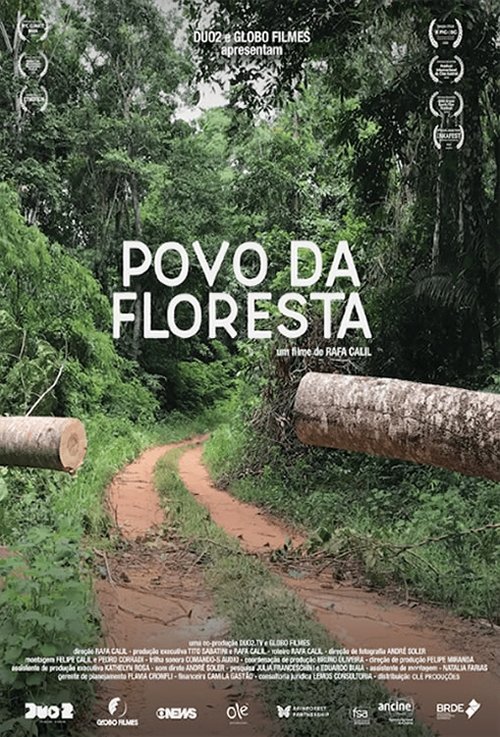
Faced with the advancement of eucalyptus plantations, a farmer and an indigenous community stand as resistance and reveal the impact of monoculture on the environment, in contrast to traditional ways of life. The enemy can also be green.
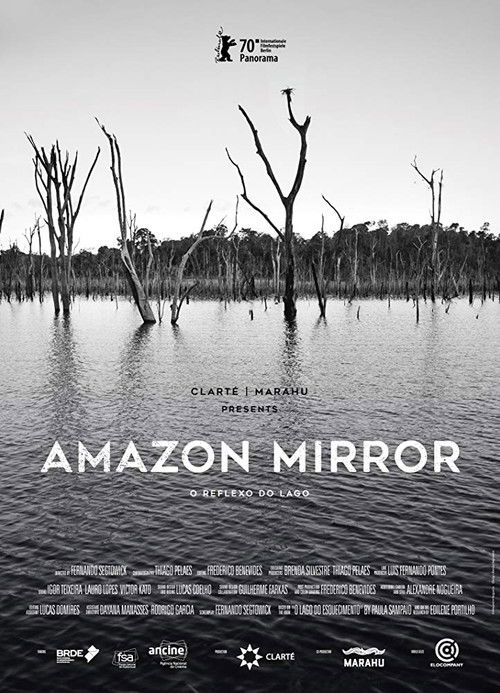
A black and white film about the people who live near one of the world’s largest hydroelectric plants in Amazonia. In the shadow of this environmentally destructive project, they eke out involuntarily meagre lives, without electricity or infrastructure.
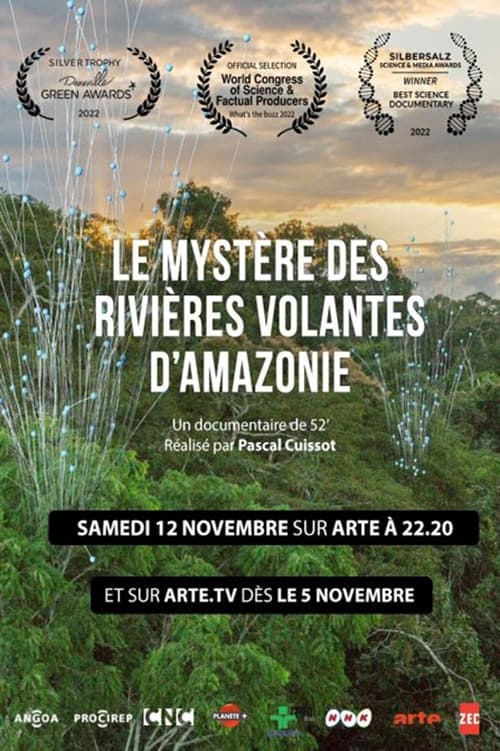
Discovered about twenty years ago, the immense masses of water vapor that fly over the Amazon, called "flying rivers", fascinate researchers. Their future could be intimately linked to climate change.
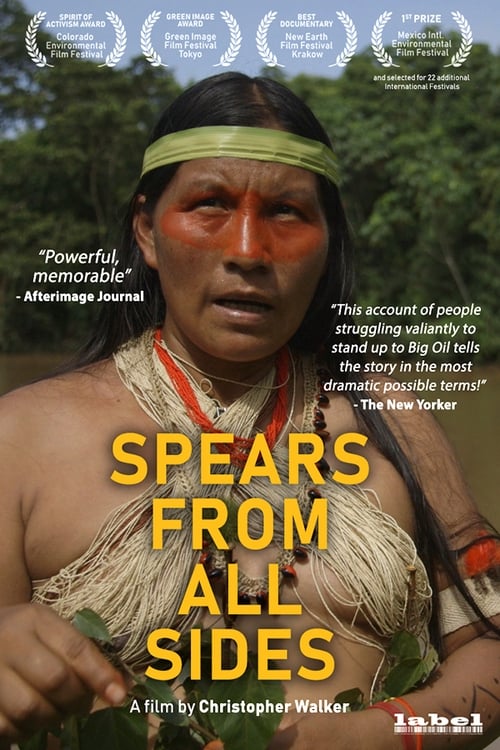
Until the 1950s, the Waorani were able to successfully defended their area of settlement – today’s Yasuni National Park in the Ecuadorian Amazon – with the aid of spears. Then Christian missionaries entered the thick rain forest and paved the way for an oil company. Nowadays many of the tribes are estranged as some want to benefit from the short-term money the company is offering while others fight to preserve their land, culture and independence under all circumstances.
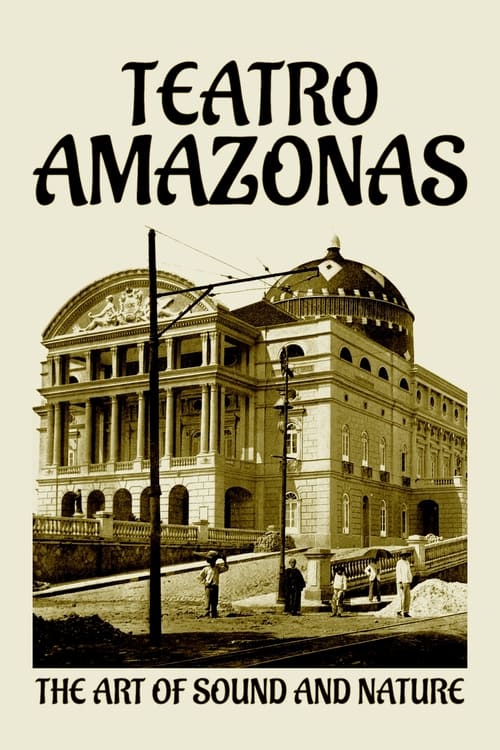
The history of the Teatro Amazonas in Manaus, an opera house located in the middle of the Amazon rainforest, whose construction, between 1884 and 1896, depended on the labor exploitation of the local indigenous populations, provides an insight into the cultural, social and political situation in Brazil.
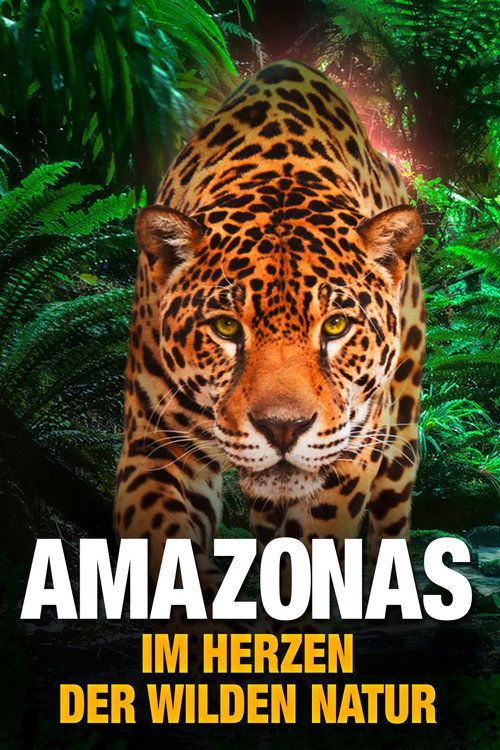
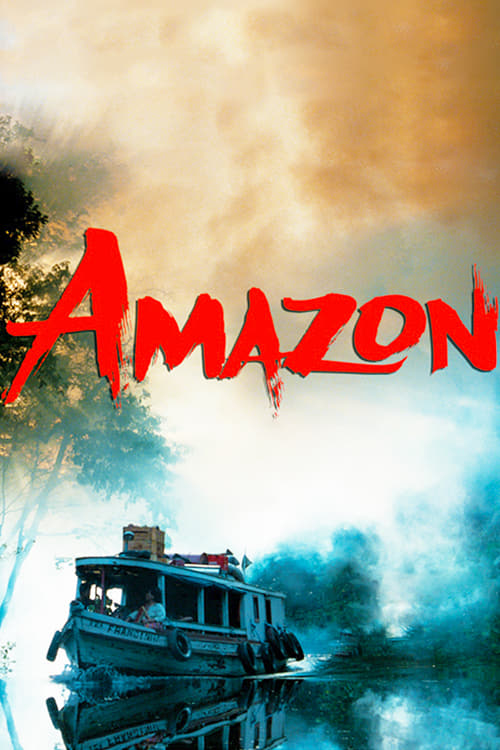
Explore the mysterious Amazon through the amazing IMAX experience. Amazon celebrates the beauty, vitality and wonder of the rapidly disappearing rain forest.
Explore an extraordinary region where water and land life intermingle six months out of the year.
In 2019, the Brazilian government coordinates the largest and riskiest expedition of the last decades into the Amazon rainforest to search for a group of isolated indigenous people in vulnerability and promote their first contact with non-indigenous. Bruno Pereira, who would later be murdered in the same region and turned into an international symbol in favor of the indigenous and the forest, leads the expedition.
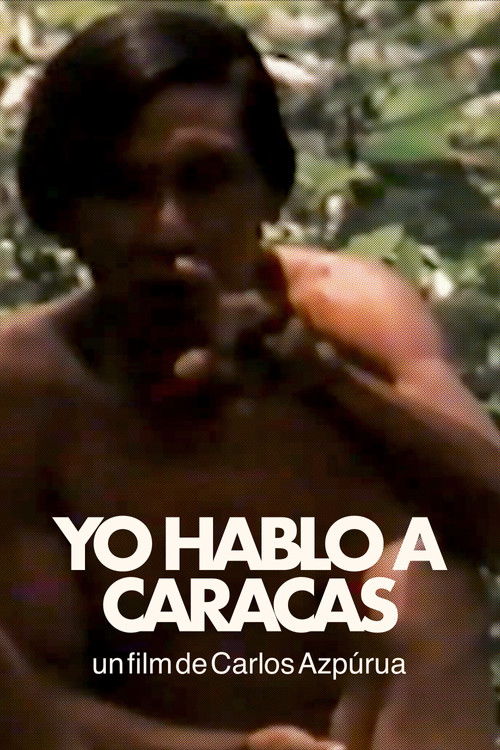
Yo hablo a Caracas (1978), the first documentary by Carlos Azpúrua, is marked by the luminous presence of the Yekuana shaman Barné Yavarí. This elder from the Amazonian forest articulates two powerful and prophetic warnings: first, a demand for respect toward the sovereignty of Indigenous beliefs and culture; second, a grave denunciation of the threat posed by “criollo” presence and its economically irrational logic to the natural balance of the Amazon. Through Yavarí’s voice, the film contrasts modern exploitation with a millennia-old Indigenous worldview grounded in harmony with nature, turning the documentary into an early and resonant plea for cultural dignity and ecological consciousness.
The last two surviving members of the Piripkura people, a nomadic tribe in the Mato Grosso region of Brazil, struggle to maintain their indigenous way of life amidst the region's massive deforestation. Living deep in the rainforest, Pakyî and Tamandua live off the land relying on a machete, an ax, and a torch lit in 1998.
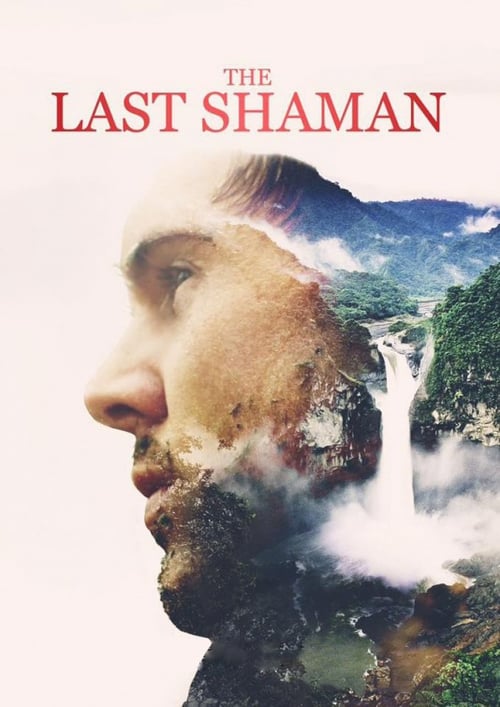
James, giving himself 12 months before he has "a license to kill himself," sets off to the Amazon rainforest with hopes of finding a shaman who can save his life.
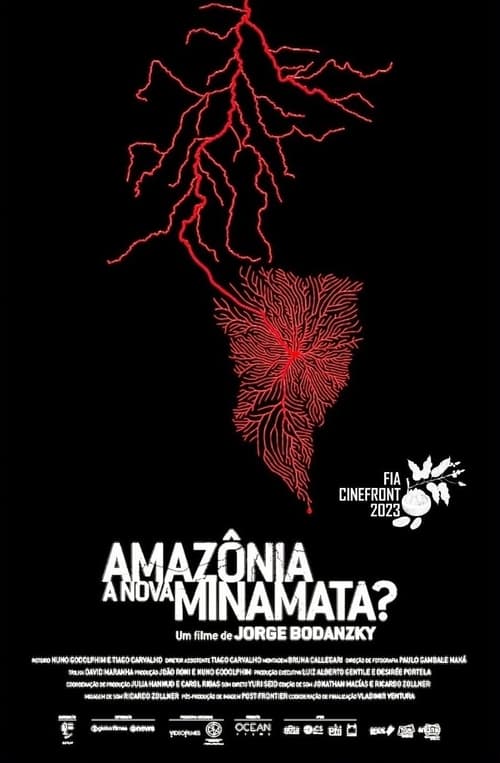
This film dives into the world of Amazon, its story and view of the world. It offers a large social fresco backed up by an in-depth investigation where private lives meet the mega-machine.
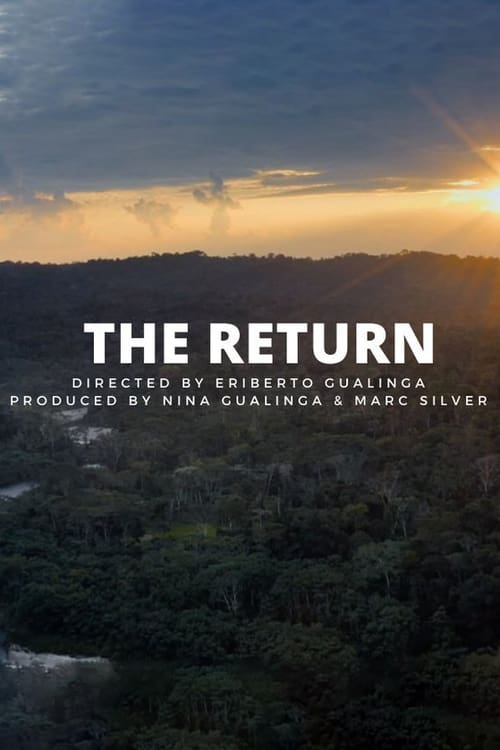
It’s spring in the Ecuadorian Amazon and the Uyantza festival is underway with the community celebrating all that the forest has to offer. Meanwhile, news is breaking around the world that a novel virus is spreading and a state of emergency is declared across the country. As people test positive for COVID-19 in the community, some families decide to leave and head deeper into the jungle. Disconnected from school, friends, the internet, and work, one family learns to reconnect with life in the forest. The children begin to unlearn the national curriculum, and instead are taught Indigenous knowledge that mainstream schools normally pass over. As COVID-19 wreaks havoc around the planet, the family reconnect to their ancestral ways, but as news arrives that Ecuador’s lockdown will end soon, will the family choose to return?
Follows Martin Strel as he attempts to cover 3,375 miles of the Amazon River in what is being billed as the world's longest swim.