Aline Morales is one of the main broadcasters of Maracatu in Toronto. From a meeting with members of Recife's Maracatu Estrela Brilhante Nação, she and her traveling companions reflect deeply on the different aspects of this genre, beyond music.
After becoming the first French-speaking rapper to fill the Stade de France in 2019, Gims has chosen a new arena for an exceptional concert in Europe's largest venue: Paris La Défense Arena. With a career spanning twenty years, eight million albums sold, and billions of streams, Gims is an extraordinary artist, multi-award-winning and adored by more than 25 million fans around the world. In this phenomenal show, which has already attracted 800,000 spectators in France this year, Gims offers a spectacular performance with his timeless hits, such as "Sapés comme jamais," "Bella," and more recently, "Ciel."
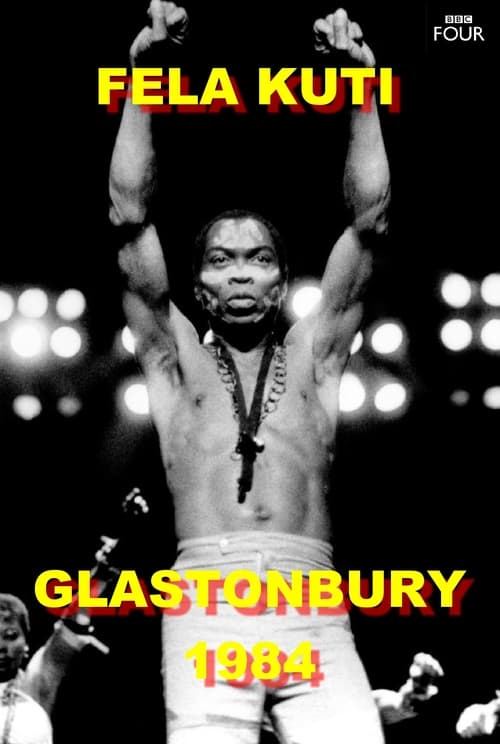
Afrobeat pioneer Fela Kuti performs at the 1984 Glastonbury Festival. Originally produced for Arena.
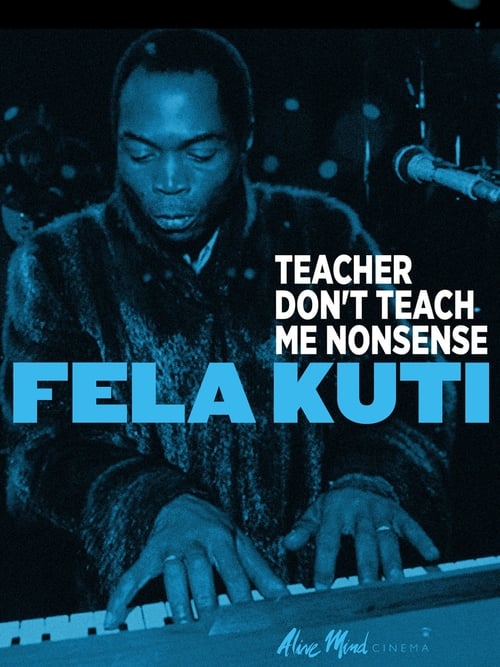
A huge influence on world music, Nigerian artist Fela Kuti played many instruments, pioneered afrobeat music and served as a prominent activist for human rights in Africa. This 1984 documentary examines the life and music of the remarkable man. Using his music to raise awareness, Kuti embraced social justice themes. He died in 1997 of complications from AIDS. Footage from his legendary show in Glastonbury, England, is included.
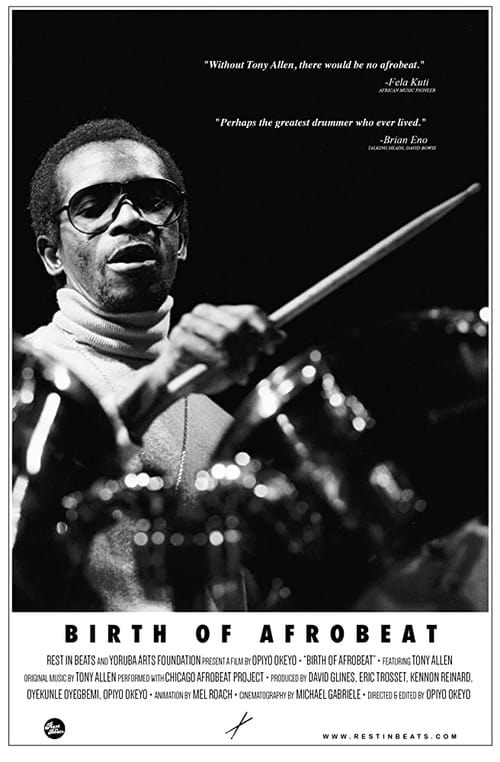
In September of 2017, 77 year old Nigerian drummer Tony Allen was invited to record the album 'What Goes Up' with American band, Chicago Afrobeat Project. During their time together, Allen recounts how he and partner, late music legend, Fela Kuti, created the Afrobeat genre in Lagos, Nigeria. This hybrid live-action/animated film is a snapshot illustrating Tony Allen's story.
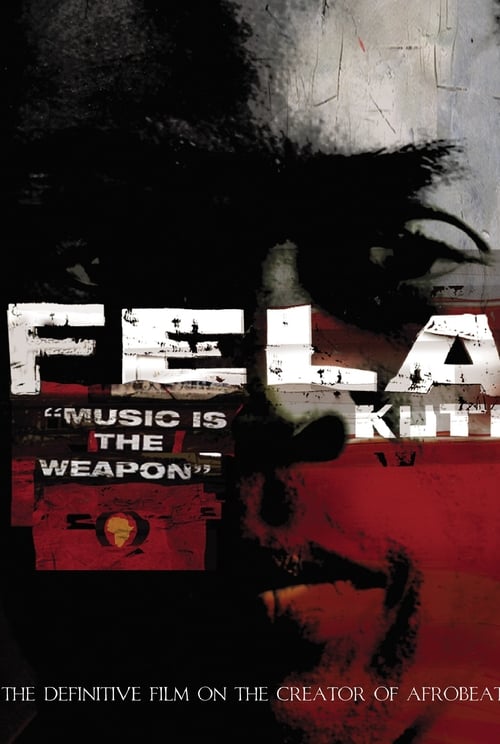
Musician Fela Anikulapo Kuti recorded more than 60 albums to promote the magic of Afrobeat but never lost his political voice as an outspoken critic against widespread government corruption in Nigeria. This documentary examines the role that Fela, dubbed "Black President," played in shedding light on atrocities in his homeland and in promoting the ascent of African music worldwide.
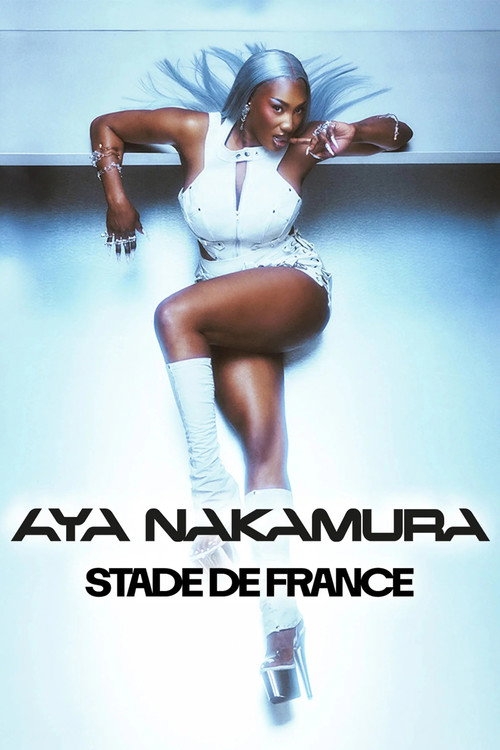
Aya Nakamura is set to set the stage ablaze at the Stade de France. Join us for the live stream on May 30 for an unforgettable show headlined by one of the most-streamed French-speaking artists in the world. Get a front-row seat, no matter where you are.
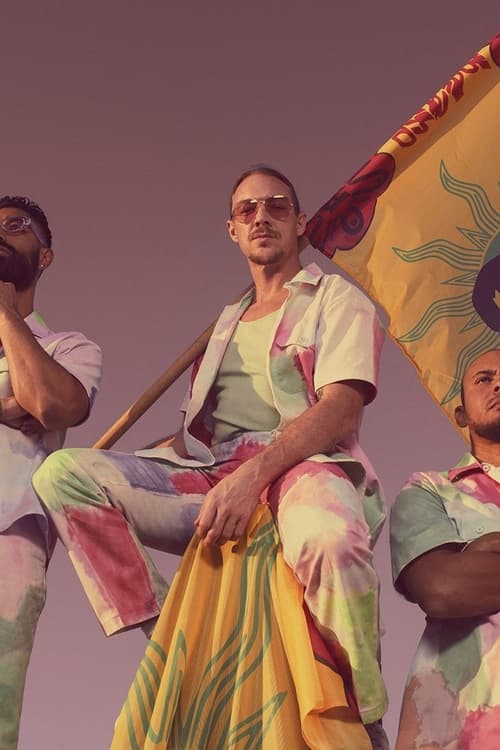
Travel with Major Lazer to Ghana and Nigeria to make the world smaller by making the party bigger. They are collaborating with cutting-edge Afrobeats artists including Mr.Eazi, Efya, Teni, Sarkodie and Amaarae as they explore the culture and history of Africa. Chasing the Sound: Major Lazer, watch now only on YouTube.
No measure of hellfire preaching can quell the boisterous and bawdy passions of Maracatu, an Afro-Brazilian burlesque carnival tradition with roots in slavery that takes place in the northeast state of Pernambuco. As the Falstaffian character Tiao, Valmir do Coco leads a nonprofessional cast of authentic Maracatu practitioners in a tale told through dance, music, and the supernatural, set in the sugarcane fields outside Recife.
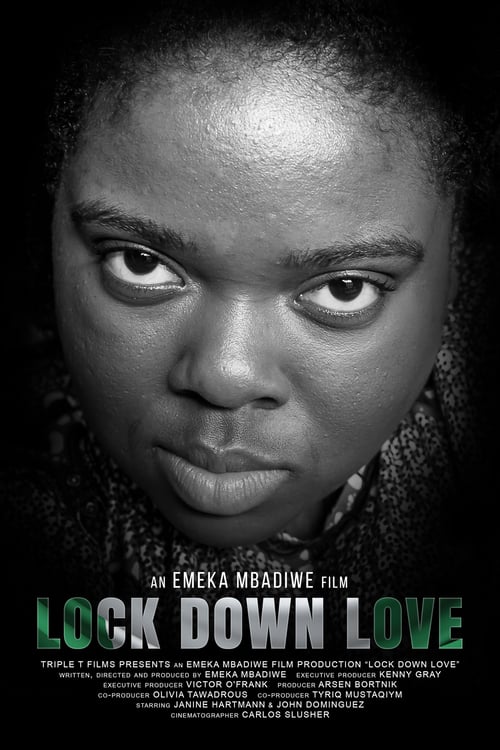
Lisa, a plus-sized African American woman, concludes that her boyfriend broke up with her because of her weight. Now on quarantine lock down and alone, she will now use the next 40 days to try to lose the weight, in hopes of winning him back.
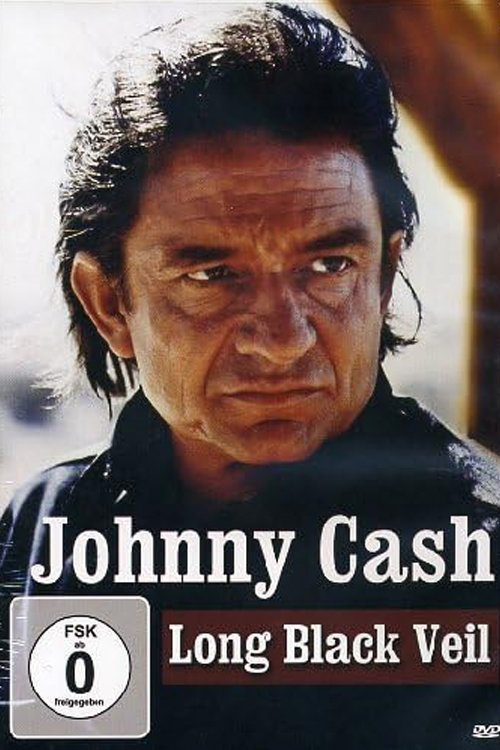
1. Introduction 2. I Walk The Line 3. The One On The Right 4. (Ghost) Riders In The Sky 5. Five Feet High And Rising 6. A Boy Named Sue 7. Ring Of Fire 8. Medley (If I Were A Carpenter / Help Me Make it Through The Night) 9. Me And Bobby McGee 10. Daddy Sang Bass 11. Orange Blossom Special 12. Bird On The Wire 13. Folsom Prison Blues 14. Remember The Alamo 15. The Man In Black 16. Ira Hayes - Side Of A Hill 17. Jackson 18. Long Black Veil 19. Sunday Mornin' Comin' Down 20. Were You There When They Crucified My Lord ? 21. Quick Dance
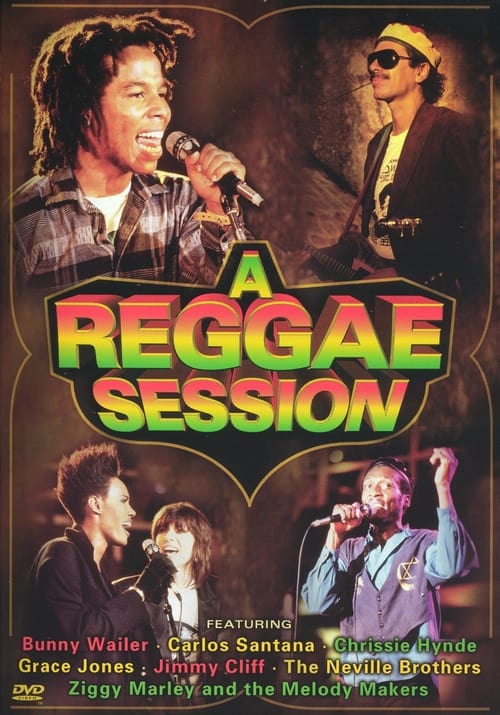
Gathered together for one night, the legendary names of Reggae and more meet at Fort Charles, Jamaica for a musical event that would reverberate around the world!
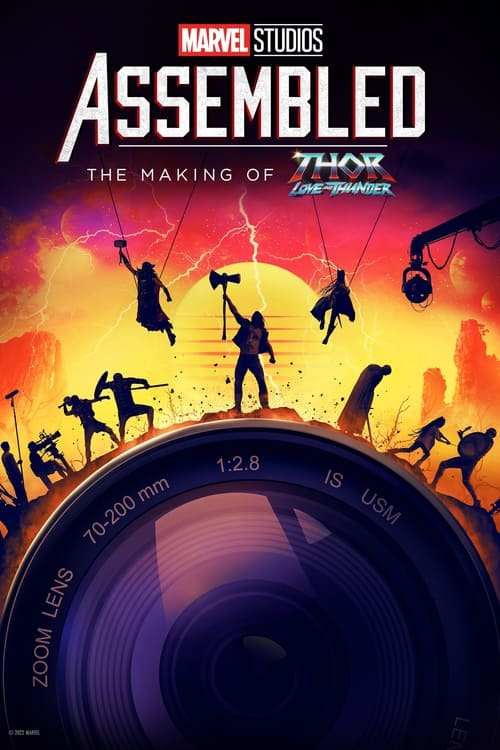
Settle in with the likes of Taika Waititi, Chris Hemsworth, Natalie Portman, Christian Bale, and Tessa Thompson, and as they divulge the secrets behind the creation of Thor: Love and Thunder. Through in-depth interviews with cast and crew, along with raw, unseen footage from the set and beyond, this documentary special pulls back the curtain on the God of Thunder’s fourth feature film.
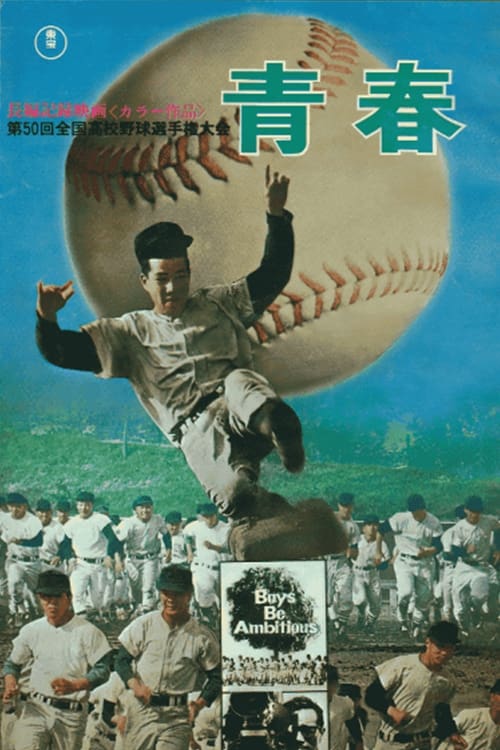
Tokyo Olympiad director Kon Ichikawa documents the 50th anniversary of the Koshien games.
Documentary about Etna volcano based on Haroun Tazieff volcanology investigations done in 1975.
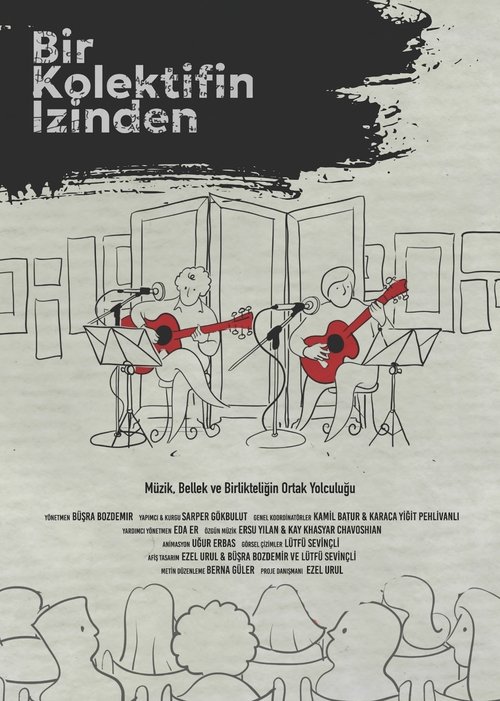
The film explores the legacy of Çekirdek Sanat Evi, which sprouted in a corner of Istanbul during the turbulent 1980s, through the research and connections built by a small team. Çekirdek was more than a music venue; it was a unique collective where musicians, listeners, and friends shared their creations, shaped by music, solidarity, and the desire for freedom. The film not only recalls the past but also highlights the continued existence of collective production today, under different names and in different spaces.