Susanne Bejerot
as Chief psychician
Roland Bergling
Sten Levander
as Psychiatrist
Per Mindus
Lisbeth Öhman
as Self
Erik Töpffer
Lennart Nilsson
as Self (archive footage)

Allegations of exploitation and abuse have emerged at one of the biggest fashion brands in the US. Former CEO Mike Jeffries transformed Abercrombie and Fitch from a failing retail chain to a multibillion-dollar empire and the epitome of cool. Now, after months of painstaking investigation, reporter Rianna Croxford speaks to men who say they were recruited into a dark world, created to satisfy the sexual fantasies of Mike Jeffries and his British partner Matthew Smith. Silenced for years by the fear of breaking non-disclosure agreements, these men describe feeling exploited and traumatized by their experience. One high-profile American lawyer has called for prosecutors to investigate.
A poetic exploration of the multi-generational affects of Canada's Indian Residential School system, based on the personal trials of Aboriginal playwright Yvette Nolan.
At the age of 10, Natascha Kampusch was kidnapped and held captive for eight years by a deranged man. In 2006, she managed to escape, and the world discovered an astonishingly articulate and intelligent young woman. Not only did Peter Reichard film 14 hours of conversations with Kampusch, but he was also the very first filmmaker to obtain exclusive access to the house where she was imprisoned. This is the most complete, explicit and revealing documentary in which Kampusch has participated.
Filmmaker Amy Berg sheds light on the sexual, financial and spiritual abuses heaped upon members of the Fundamentalist Church of Jesus Christ of Latter-day Saints by their former leader, Warren Jeffs.
A short documentary examining the consequence of time within the fragility of memory, exposing a sense of self, trapped within materiality and fantasy. We observe Chrystalla in her safe place, her home, reflecting on her childhood, her successful beauty business in 70s Cyprus and her deeply troubled marriage. Loneliness, abandonment and regret are prevailing themes within cycles of reflection, jest and contradiction.
Every year in Quebec, 25,000 reports of children being beaten, sexually abused or abandoned are retained by the Directorate of Youth Protection. And nearly 40% of babies who die in the province to die because of the violence of their parents. This explains the fact that nearly 30,000 children are supported by the DPJ until the age of 18. But this government agency is in a position to meet the needs of young people? Journalist and documentary filmmaker Paul Arcand presents the testimonies of children and adult victims of abuse of all kinds, and interviews politicians, social workers and members of the judiciary on their perception of the problem. In addition, Arcand denounces the carelessness of a bureaucratic system that does not always seem to be concerned about the well-being of those for whom they are responsible.
For almost half of his life, Kenneth Viken has been in prison, and he does not know how many times he has been released, only to soon return . In January 2016 he is released again.
When two incarcerated artists secretly document a routine prison practice, they risk their lives to expose a state policy that blurs the line between safety and sexual abuse.
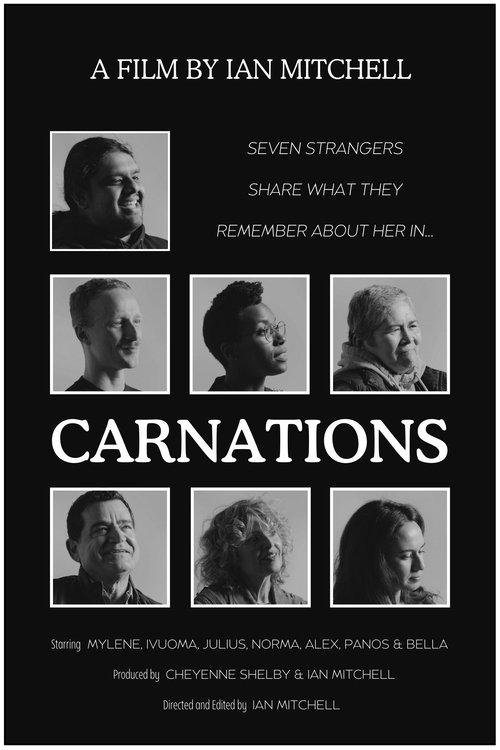
Seven strangers are interviewed to talk about the relationship they have with their mother.
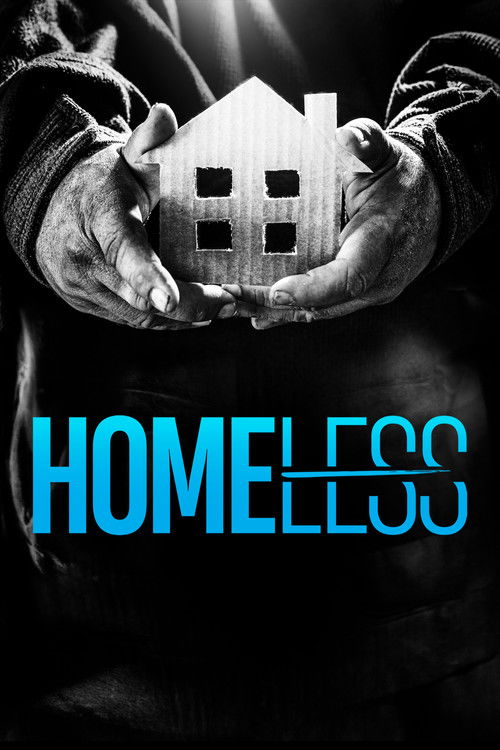
HOMELESS is a documentary that humanizes unhoused people and explores their backgrounds, dreams and struggles to find the way home. The film aims to raise awareness and funds to end homelessness, which is an ever more urgent global challenge: The United Nations Human Settlements Program estimates that 1.6 billion people live in inadequate housing, and the best available data suggests that more than 100 million people have no housing at all.
Stacey Dooley goes behind closed doors and speaks to the now younger face of domestic violence. She questions victims and abusers to try and understand how deep the issues surrounding domestic abuse are for those who have survived and those currently experiencing the abuse.
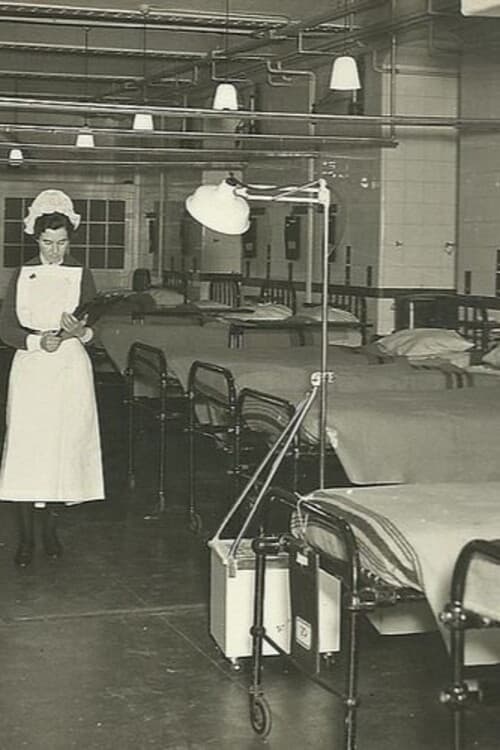
Talking about the creation of lobotomy through various psychedelic-inspired scenes and under the cover of old archives, it retraces its origins, ideology, and devastating consequences, exposing the history and lasting harms of lobotomy in the most blinding and unsettling way possible.
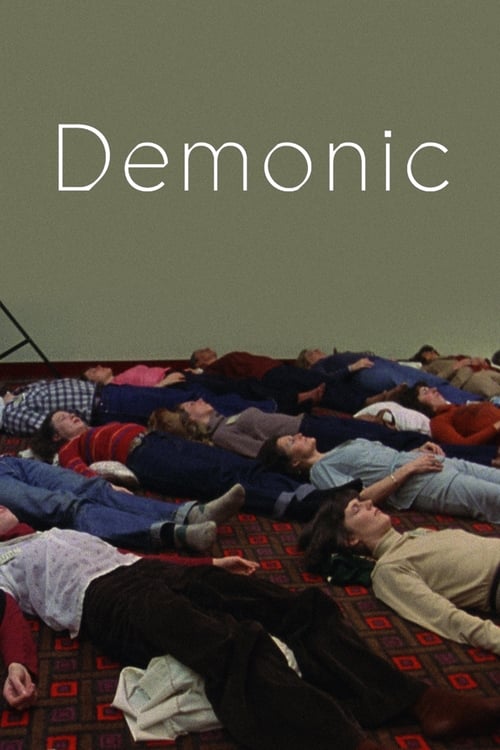
During the 1980s, claims of satanic ritual abuse ran rife throughout the western world, uncovered by hypnotic therapists and perpetuated throughout the media, including high-rating television talk shows. In Demonic, filmmaker Pia Borg delves into this bizarre chapter of history, examining the elusive line between fact, fiction and the persuasive power of the media.
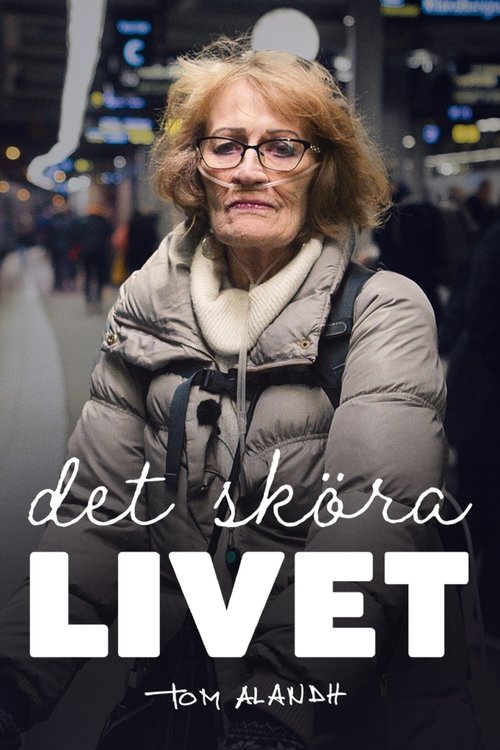
Pia Sjögren was the subject of three documentaries by director Tom Alandh, beginning in 2001. He first saw her on the street selling newspapers, homeless, addicted to drugs, trying to make enough money for the day. Since then, she has become clean, and now gives lectures about her experiences, sharing her knowledge. This is the fourth film about her, filmed between 2011-2020. At the start of this installment, Pia has recently begun having heart and breathing issues, her own daughter is in prison for narcotics, and her mother, who we were introduced to in previous installments, continues to struggle with rapidly decreasing eyesight.
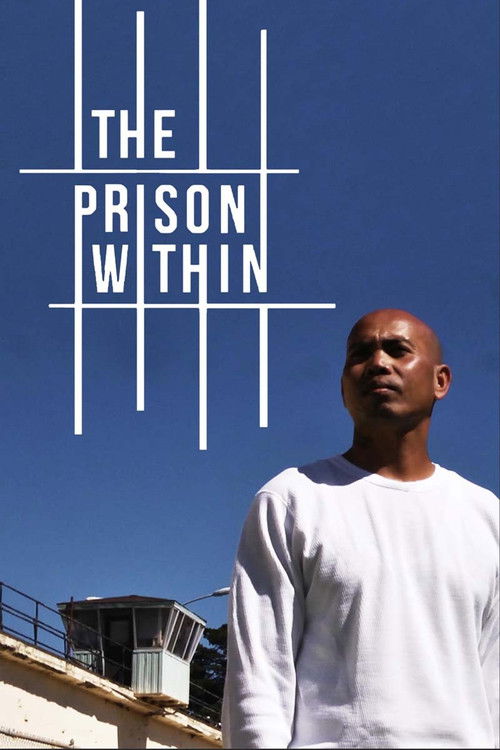
Survivors of violent crimes and prisoners incarcerated for murder connect to undergo astonishing transformations, liberating themselves from the debilitating constraints of trauma, and shattering preconceptions of "us and them."