Documentary about the birth and development of candombe in Uruguay. It is built through testimonies, audiovisual files and animations. It also covers the actuality of the candombe on the shores of the Río de la Plata.
Images of Argentinian companies and factories in the first light of day, seen from the inside of a car, while the director reads out documents in voiceover that reveals the collusion of the same concerns in the military dictatorship’s terror.
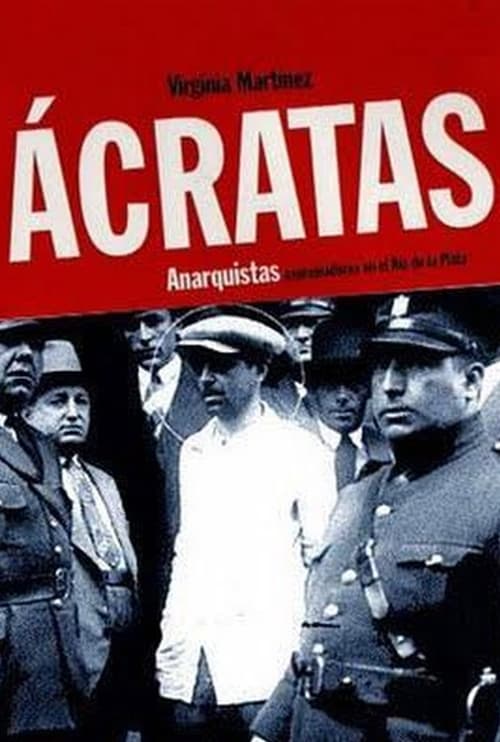
Armed based on photography, period films, archival materials and testimonies of survivors, family members and historians, the documentary accurately and exquisitely reconstructs the course of the “expropriating anarchists” in the Río de la Plata and specifically in Montevideo del First third of the 20th century.
After the coup in Uruguay in 1973, thousands of intellectuals and artists fled the country. The filmmaker’s father was among them and left for Europe. After his passing, she came upon some Super 8 movies and audio files he had recorded. Through this archive, she started building a new family story trying to reveal and understand the silent pain of exile.
The Punta de Rieles prison was where most female political prisoners were incarcerated during the dictatorship in Uruguay. The way up to the building led through “the meadow” where there were animals grazing, and the prison itself was surrounded with flowers. The place seemed eminently liveable, almost comfortable, and at first sight there was no sign of the silent struggle going on behind those walls. This documentary is an attempt to reconstruct life at the prison through the testimony of some of the hundreds of women who were there and who resisted the military regime's attempts to grind them down and destroy them.
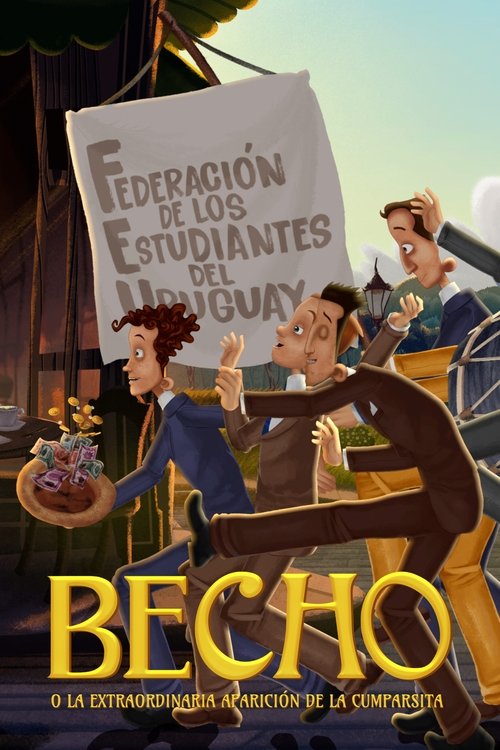
Becho is a kid who has a power that makes him feel passion in a luminous and magic way. One day, some musicians' energy is so strong that Becho is teletransportated in an amazing trip where history and imagination take part of this national story.
A Media Agua is a documentary filmed in 16mm, made up of a series of short films that review the history of the last century through the eyes of an Anglo-Uruguayan family and their perception of Uruguayan culture, World War II and technological advances of the time. Based on found and salvaged film reels, the team attempts to piece together the history of this fragmented family and its subsequent three generations, with the goal of understanding their beliefs and secrets as part of the Secret Service in South America.
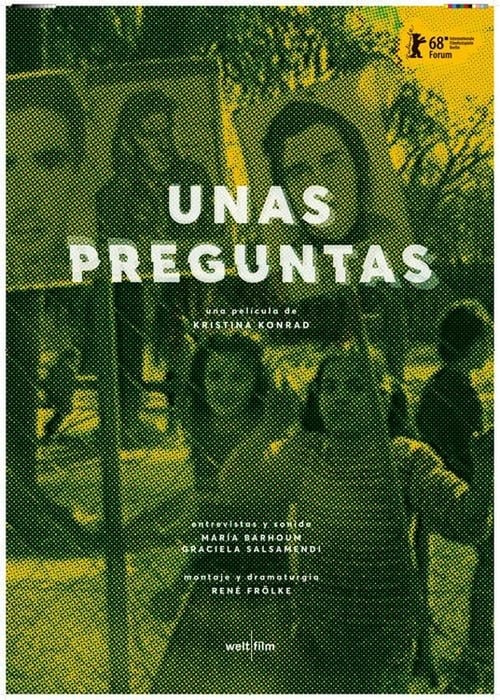
In 1986, the Uruguayan Parliament passed a law granting amnesty for all crimes and human rights violations committed by the military and police during the dictatorship (1973-85). This law of impunity prevented the clarification demanded by the relatives of those who had disappeared and been murdered by the former regime. A public initiative arose calling for a referendum in which the law be subject to the vote of the people. Unas preguntas uses U-matic footage, mostly of interviews recorded on the streets of Uruguay between 1987 and 1989, to present a time capsule of the period.
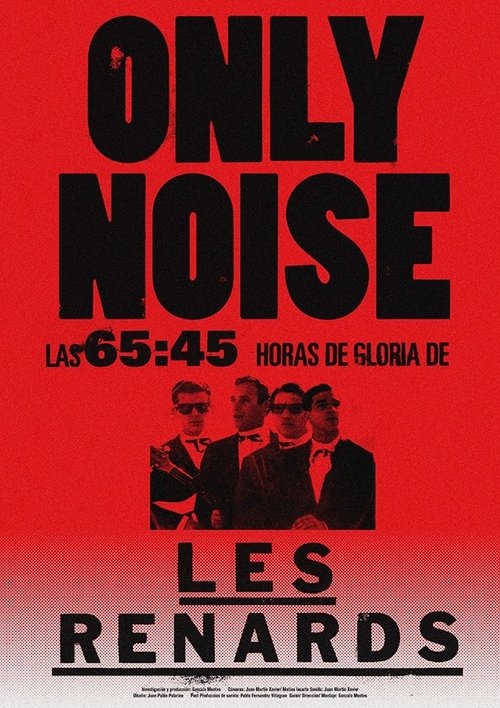
ONLY NOISE is a documentary that tries to rescue from oblivion a tale with Les Renards as protagonists, one of the many bands from the 60s that was a key witness and pioneer in the first big explosion of Uruguayan Rock. It might look like a tale from an ordinary band, but in 1968 this band managed to break a world record.
A documentary on the life of Uruguayan politician and former guerrilla fighter José Mujica.
This documentary captures a deeply personal journey by Argentinian actor and musician, Nicolás Pauls, to the Uruguayan coast. This area hosts two of the world's foremost sea lion colonies. Isla de lobos and Cabo Polonio. A famed sanctuary for hundreds of thousands of sea lions. Pauls presents the two sides of the complex conflict between the local artisanal fisherman, struggling to earn their living and the sea lions who risk their survival in leaving the boundaries of the island.
In 1983 a group of 154 children aged 3 and 17 years old traveled alone from Europe to Montevideo. They were children of political exiles from Uruguay, who were unable to come back to their own country; they sent their kids to know their relatives and home country. That human sign, charged with a political message, took part in children’s identity development. Nowadays, six of them still remember that day, when a crowd received them singing all together “your parents will come back”.
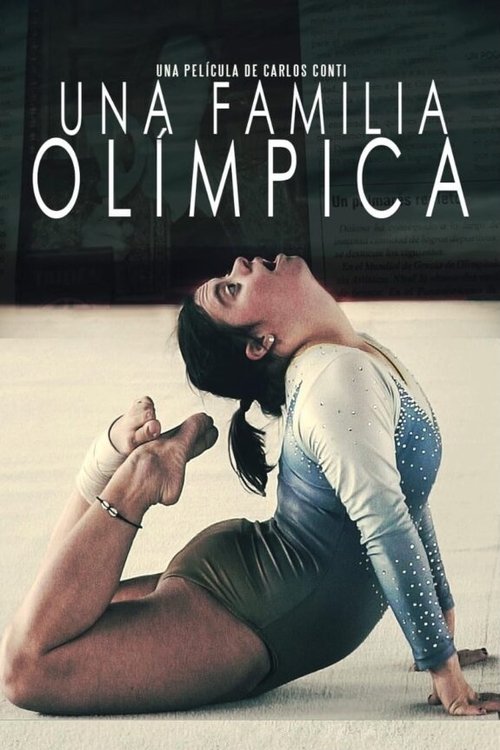
The story of Florida gymnast Daiana Casella, who, along with her family and teacher, overcame the obstacles that Down syndrome could put in her way. In addition to her training and preparation for future competitions, Daiana works as an artistic gymnastics teacher for a large number of children with whom she maintains a very special relationship. During the making of the film, Daiana is training for the Berlin 2023 Special Olympics, an event that will conclude her athletic career at the Olympic and world levels.
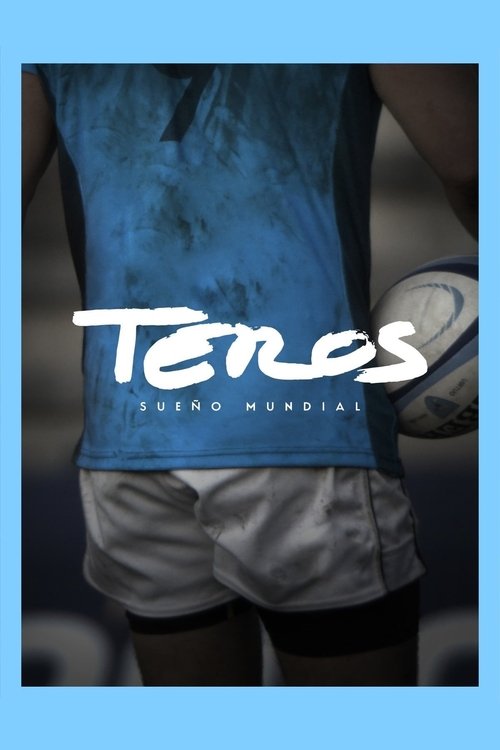
The campaign of the Uruguayan rugby team, nicknamed "Los Teros", during the 2015 Rugby World Cup qualification, and the amateur character of its players that contrasts against the professionalism of their group rivals.
Documentary about the musical artist and drag queen Pady Jeff produced by students of the Social Communication degree at the Catholic University of Uruguay.