A personal look at the influential former politician who rose to fame as a driving force behind anti-communist and anti-homosexual U.S. political sentiment during the Cold War.
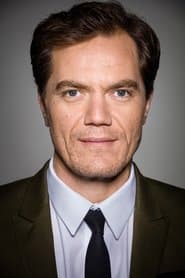
Michael Shannon
as Joseph McCarthy
Emilia Clarke
as Jean Kerr
Dane DeHaan
as Roy Cohn
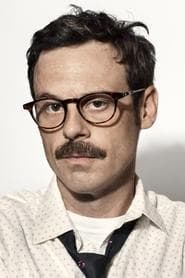
Scoot McNairy
as
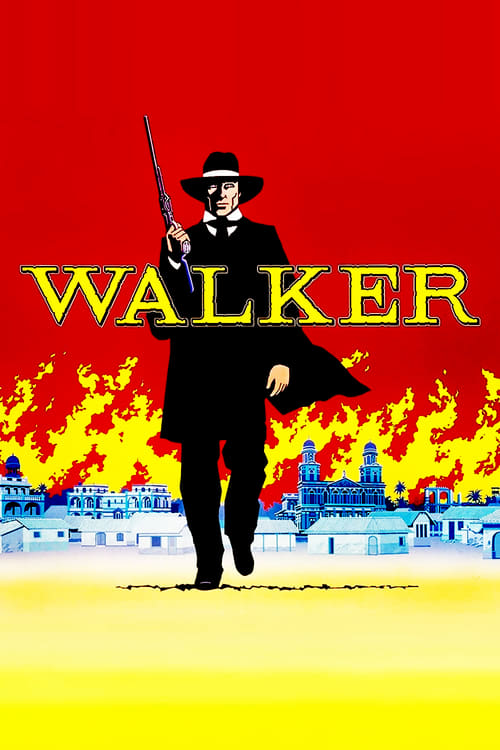
William Walker and his mercenary corps enter Nicaragua in the middle of the 19th century in order to install a new government by a coup d'etat.
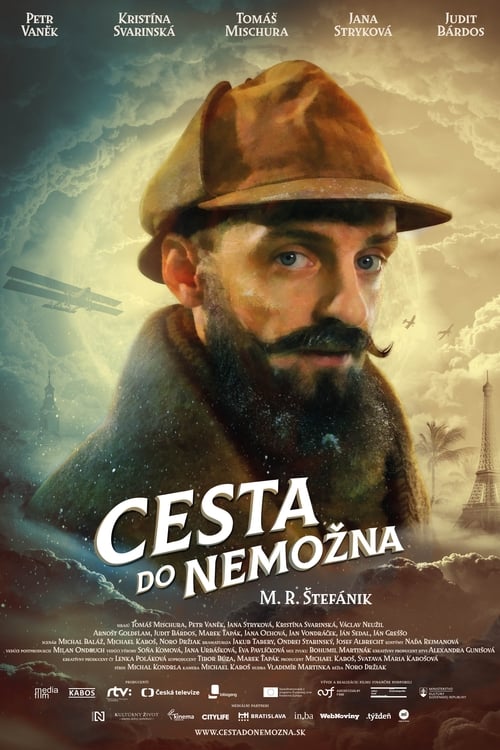
Milan Rastislav Štefánik was the first Slovak to circumnavigate the world, to climb Mont Blanc, to survive the shooting down of his ice-plane during World War I. He was an intellectual, scientist, inventor, astronomer, national hero, but also a lover of women and a bon vivant. 100 years ago, everyone considered his dreams a utopia, but he was not afraid to step into the unknown and realise his dream of liberating his own nation. His life story seems almost unbelievable, considering that he did it all as a single man in failing health, from the poorest of circumstances.
The story of the descent into madness of Mussolini's secret first wife, Ida Dasler, who was seduced by his passion and vigor but blind to the fascist dictator's many flaws.
Al Stump is a famous sports-writer chosen by Ty Cobb to co-write his official, authorized 'autobiography' before his death. Cobb, widely feared and despised, feels misunderstood and wants to set the record straight about 'the greatest ball-player ever,' in his words.
It follows the story of Anwar's fight against corruption while in government between the years of 1993 and 1998, which led to his eventual imprisonment and the birth of the reformasi movement.
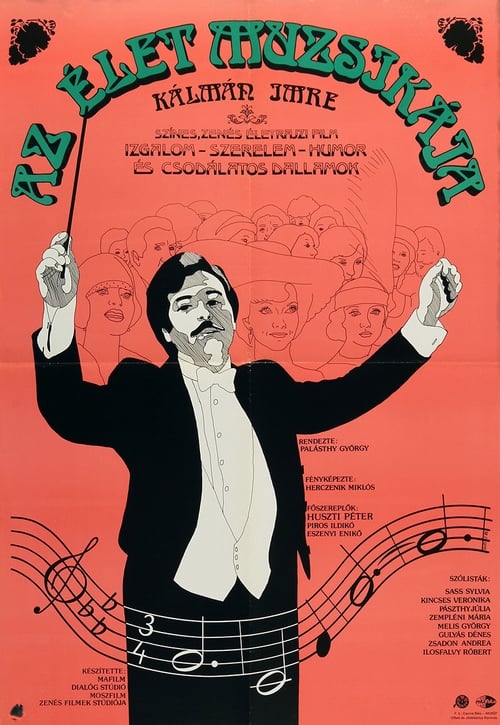
The Soviet-Hungarian film version of the biography of one of the most talented composers of our time, the classic of the Vienna operetta - Imre Kálmán, known for all his music for operettas "The Csárdás Princess", "Countess Maritza", "The Circus Princess", "The Violet of Montmartre", "Die Bajadere" and many others. The music of Imre Kálmán has no equal in operetta for its festivity, “elegance”, and the refinement of melodics and orchestration.
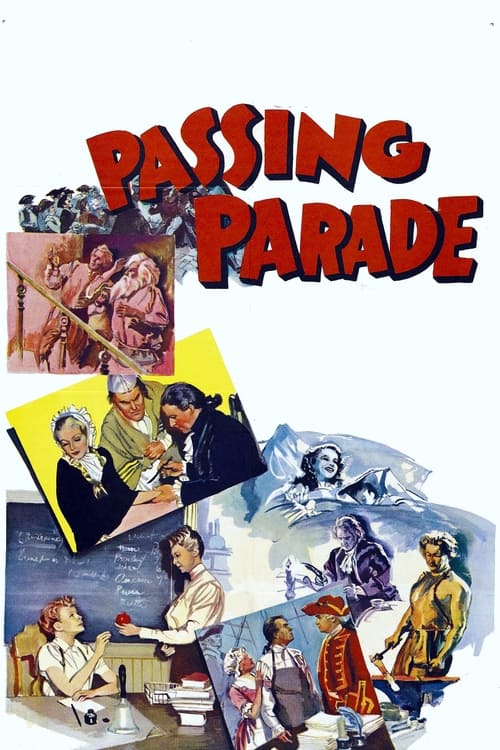
This Passing Parade series short chronicles the political life of Francisco Madero, who tried to bring democracy and land reform to Mexico.
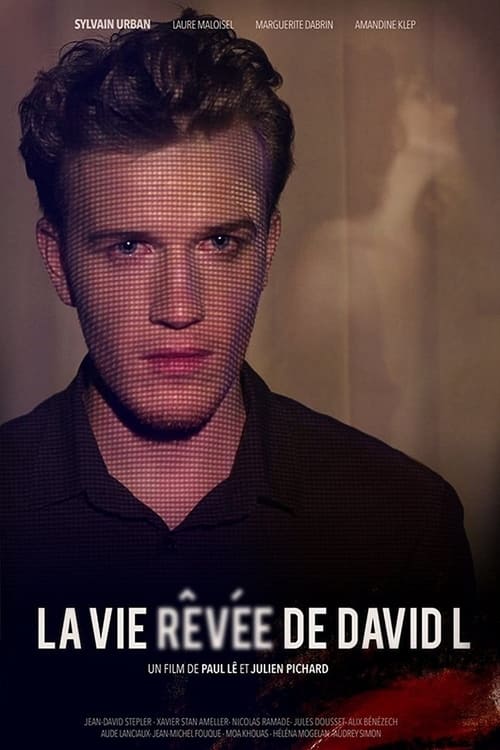
“The Dreamlife of David L.“ is a fictional feature film that takes inspiration from a key point in the life of director David Lynch: the time he spent as a student in a fine arts college. Initially attracted to painting, David Lynch ends up choosing the medium of film to express his talent. Far from being an attempt at biography, this film is an imaginary vision where the action could take place today. Which encounters or events leave their mark on the young David L. during this year as a student? “The Dreamlife of David L.” is a dreamlike journey that leads the viewer through the meanderings of this art school. There’s no need to be familiar with the cinematographic works of Lynch to follow the young David L. step by step, going behind the scenes with him.
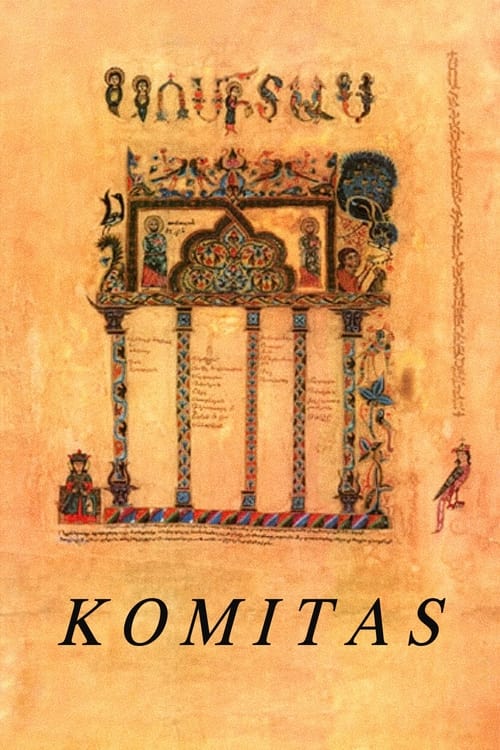
The film is dedicated to the Armenian monk and genius composer Komitas, and the 2 million victims on his people in Turkey in 1915. The final 20 years of Komitas life were spent in various mental hospitals. The destiny of Komitas? This is the magic beauty of Armenian culture and the abhorrent brutality of Armenian history. A cultural and artistic world that was slaughtered with a curved knife. A humanity that doggedly advances towards an apocalyptic catastrophe, that does not recognize its own original purpose, eradicates its own memory, its final roots.
The extraordinary life of Sergiu Celibidache, from his childhood in Romania to his exile in pursuit of a career in music, his struggle for survival in wartime Germany and his rise, fall and rise again, in an unimaginable life journey.
Who is Jesus, and why does he impact all he meets? He is respected and reviled, emulated and accused, beloved, betrayed, and finally crucified. Yet that terrible fate would not be the end of the story.
A love story offering an intimate look inside the marriage of Winston and Clementine Churchill during a particularly troubled, though little-known, moment in their lives.
A portrait of Lord Longford, a tireless British campaigner whose controversial beliefs often resulted in furious political debate and personal conflict.
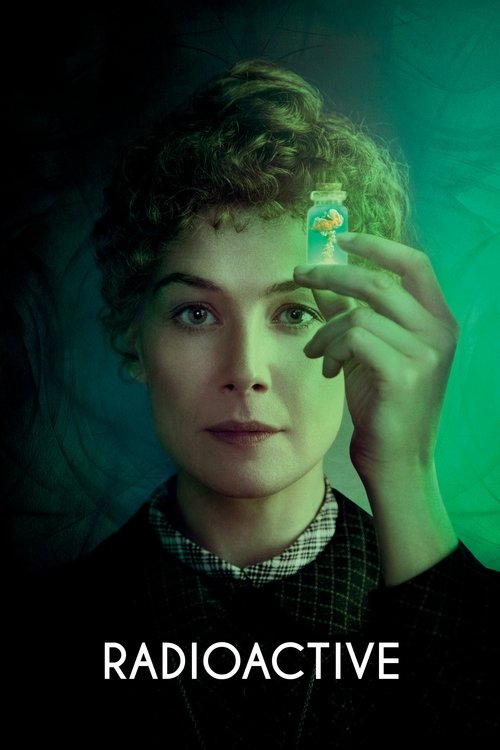
The story of Nobel Prize winner Maria Skłodowska-Curie and her extraordinary scientific discoveries—through the prism of her marriage to husband Pierre—and the seismic and transformative effects their discovery of radium had on the 20th century.
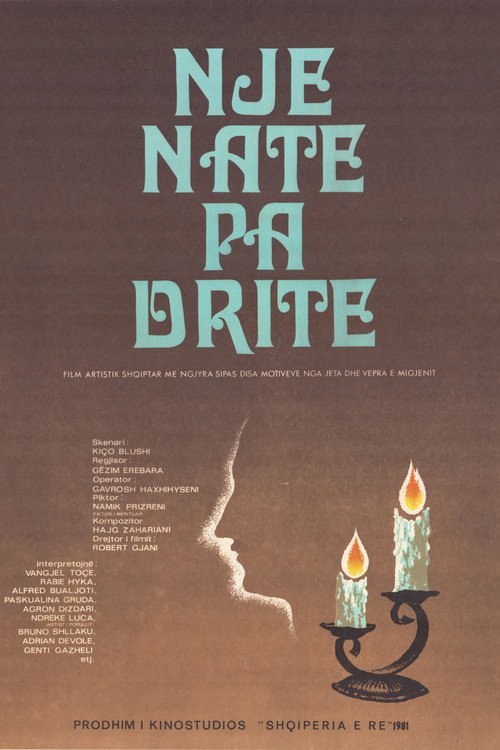
Biopic about the Albanian writer Migjeni.
A re-enactment of the Jules Durand case. In 1910, Jean Jaurès [leader of the French socialist movement] took the lead in defending a working-class coal miner, Jules Durand, accused of complicity in and condemned to death for the murder of a labor leader. As in the Dreyfus Affair, a false dossier had been used to convict Durand. Jaurès argued that the memory of the Dreyfus Affair saved Durand, calling the case the working class’s Dreyfus Affair.
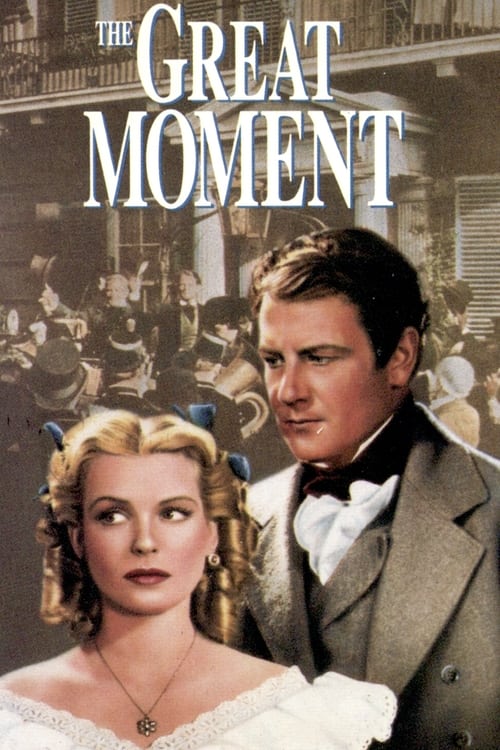
The biography of Dr. W.T. Morgan, a 19th century Boston dentist, during his quest to have anesthesia, in the form of ether, accepted by the public and the medical and dental establishment.
Phar Lap, the big bold chestnut reigned as the king of the turf in the depression that gripped Australia of the 1930s. From his humble beginnings the New Zealand bred horse raced on to become the hero of a nation.