Botswana is a land of extremes, a myriad iconic realms, moulded by powerful forces. Each environment provides a rich setting, imposing its own rules and challenges on the animals that make their home here.
Robert Davide
as Narrator (voice)
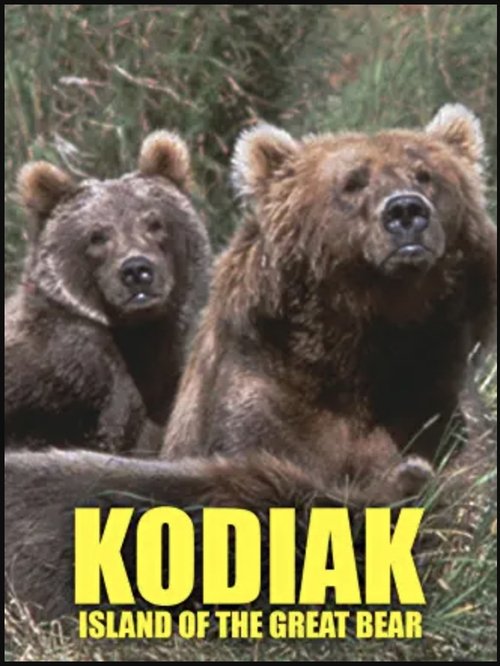
Kodiak Island in the Gulf of Alaska is home to the largest bear on earth, the Kodiak Bear. At least 2,500 bears live on the island and the animal is regarded as the world’s biggest land predator, reaching an impressive four meters in height when standing on its hind legs. Film maker Stefan Quinth spent three years filming the Kodiak Bear and the wildlife of Kodiak Island. His film is a dramatic story about bear and salmon, beavers and eagles. But it is also a film about the thrill of meeting the giant bear eye to eye in its natural habitat.
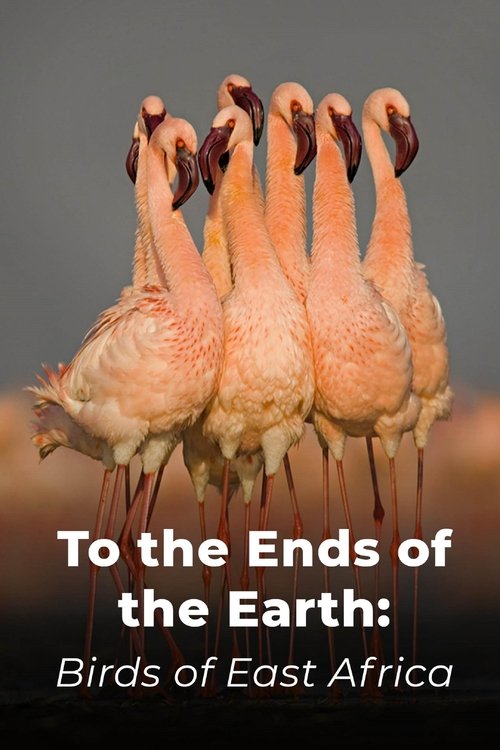
Introduced by esteemed conservationist Jane Goodall and narrated by National Geographic's Bill Jones, this documentary focuses on what humanity has in common with other species. Wildlife photographer Todd Gustafson captures stories of competition, courtship, family, hunting and flight to illustrate the hidden life of East African birds.
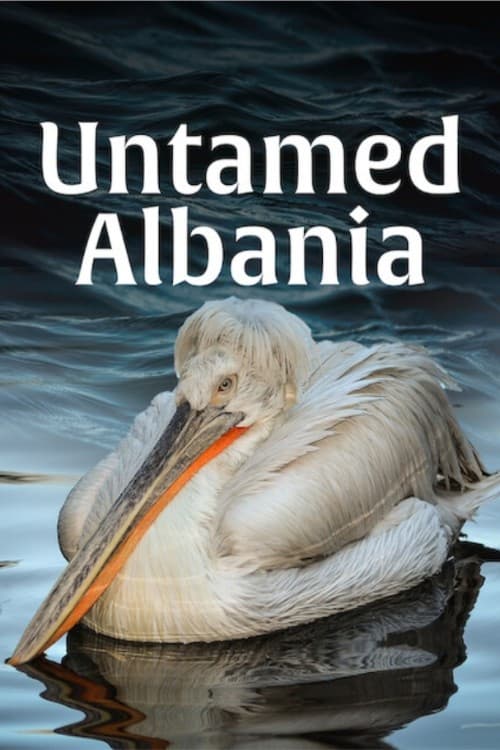
Albania in the southeast of Europe – situated between Greece, Macedonia, Kosovo and Montenegro – hosts an astonishingly diverse landscape. Harmonic coastal areas lead to harsh karst landscapes. Snow-covered mountain regions, wild canyons, waterfalls, deep-blue lakes and untouched rivers are perfect conditions for an immensely rich flora and fauna. Decades of war preserved wide areas of the country from industrial exploitation, so the natural environment is still untouched.
The starling is a common bird that lives in close proximity to humans. It nests in hollows in trees, under roof tiles or in bird boxes. In Mikael Kristersson's film we see starlings from a new angle, inside a nest, from when they first inspect the nest site in early spring until the last chick flies away in June.
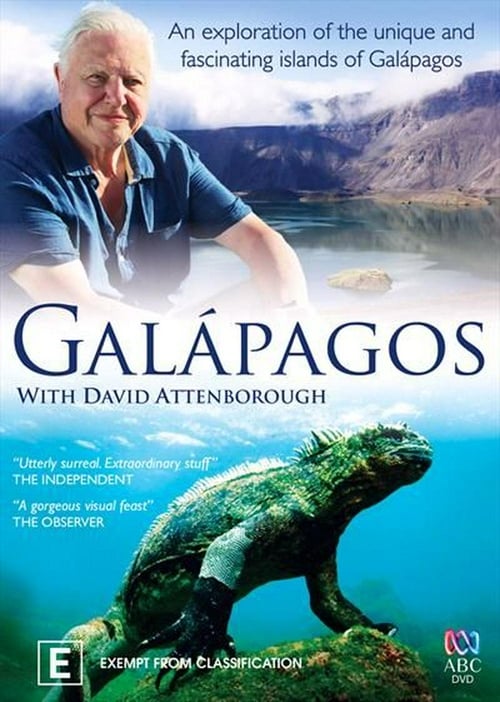
Two hundred years after Charles Darwin set foot on the shores of the Galápagos Islands, David Attenborough travels to this wild and mysterious archipelago. Amongst the flora and fauna of these enchanted volcanic islands, Darwin formulated his groundbreaking theories on evolution. Journey with Attenborough to explore how life on the islands has continued to evolve in biological isolation, and how the ever-changing volcanic landscape has given birth to species and sub-species that exist nowhere else in the world. Encompassing treacherous journeys, life-forms that forge unlikely companionships, and survival against all odds, Galápagos tells the story of an evolutionary melting pot in which anything and everything is possible.
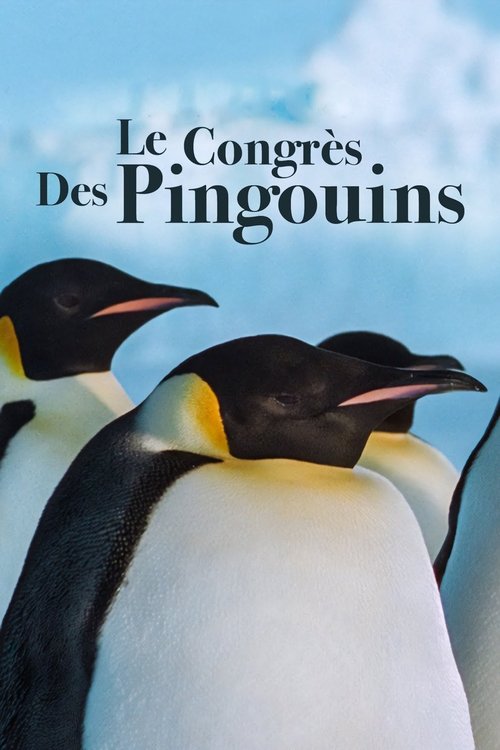
The real place where the penguin congress takes place is also the most fictional place on this planet where you can stand on your own two legs. Here, even the animals can talk. This land of dreams and nightmares is called Antarctica. In this desert of ice surrounded by a stormy sea, a few dozen human beings also live. Using sophisticated instruments, they observe the worrying changes affecting our world: the hole in the ozone layer, climate change, and so on.
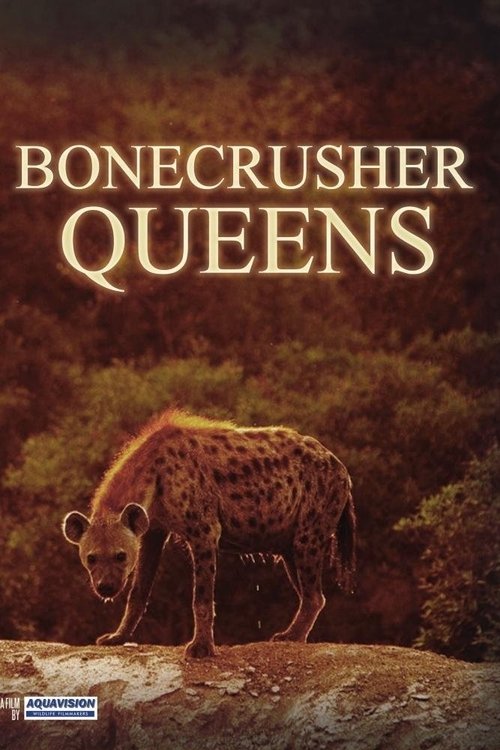
On Zambia's Liuwa Plain two star-crossed spotted hyena cubs are born to warring rival clans: Twaambo, a male cub and Nasanta, a female, are destined to lead converging lives as their extreme environment forces them together
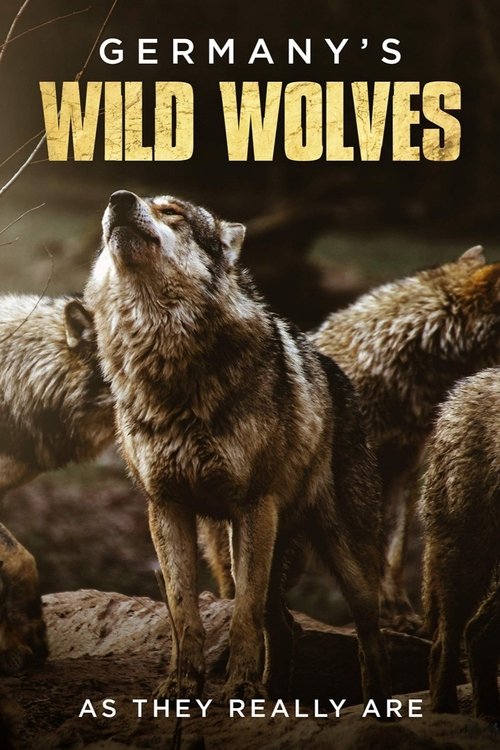
Wolves – some see in them predatory beasts, others romanticize them as mythical creatures. But does their fabled competitive hierarchy also exist in the wild? Over a period of three years, our filmmaker obtained unique footage of a family of wild wolves as has never been seen before in Europe. This is the first documentary about wild wolves in Germany shot exclusively in the wild; it shows how similar the social structures of humans and wolves are and dispels myths about a fascinating wild animal.
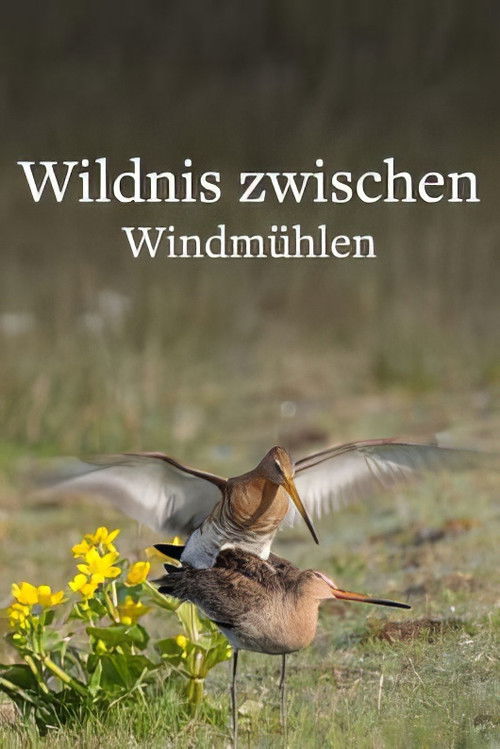
The documentary embarks on a fascinating journey of discovery through the Alblasserwaard, revealing the wild side of this classic and idyllic Dutch landscape as the seasons change, as well as the astonishing number of animal species that have benefited from the legacy of windmills.
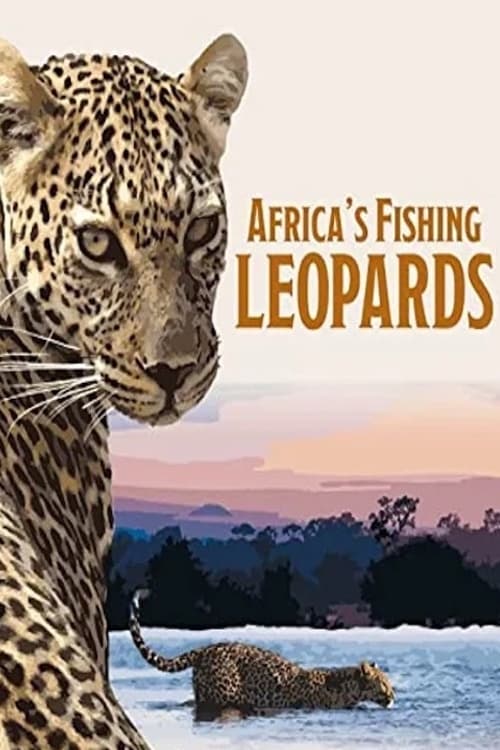
David Attenborough narrates the intimate story of a leopard mother and her two cubs. This very special family must survive in the wilds of Botswana alongside some less-than-friendly neighbours: lions, wild dogs and hyenas. The competition for food is tough, and if they are going to make it they must learn a new skill - they must learn to fish. This is an epic family drama. With them every step of the way is local cameraman Brad Bestelink. Brad's 18-month journey following the lives of these secretive big cats offers a rare glimpse into an otherwise hidden world
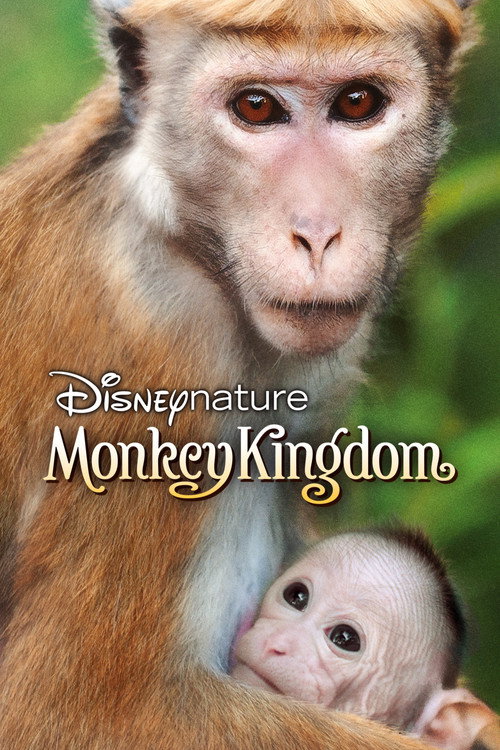
A newborn monkey and its mother struggle to survive within the competitive social hierarchy of the Temple Troop, a dynamic group of monkeys who live in ancient ruins found deep in the storied jungles of South Asia.
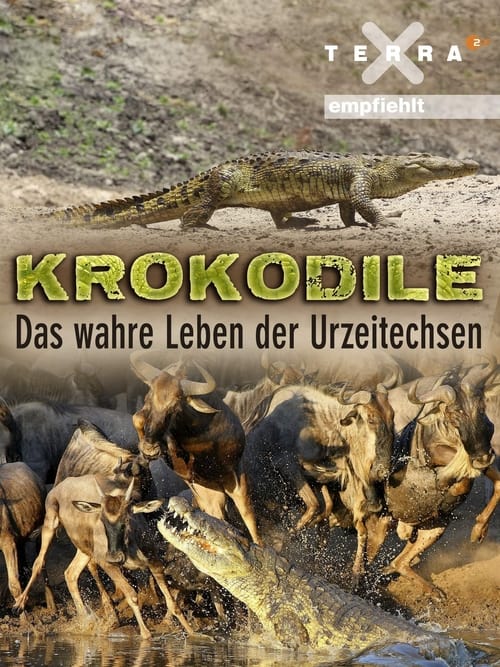
The documentary shows new, unique pictures of crocodiles in Tansania, portraying the beauty of the wild reptiles.
Using the latest advances in camera technology, NGC penetrates the nocturnal hunting behaviors of the lion. Often asleep during the day, at night these iconic cats become active predators. With thermal imaging and infrared technology, see how experienced lions use the night to their advantage while stalking their prey
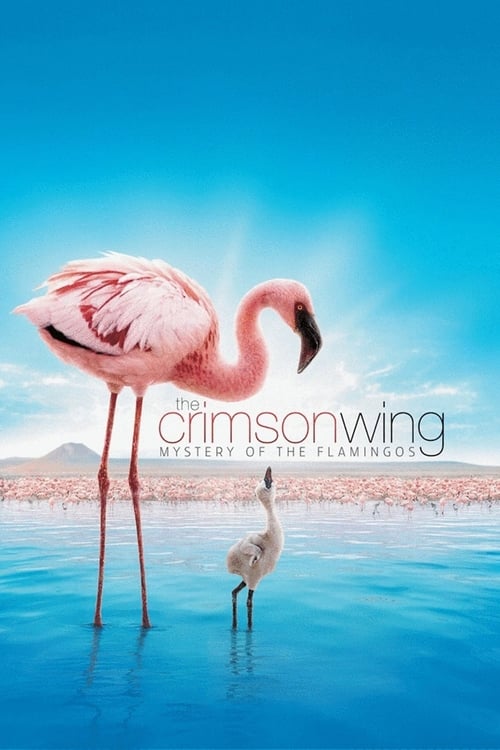
In the remote and forgotten wilderness of Lake Natron, in northern Tanzania, one of nature's last great mysteries unfolds: the birth, life and death of a million crimson-winged flamingos.
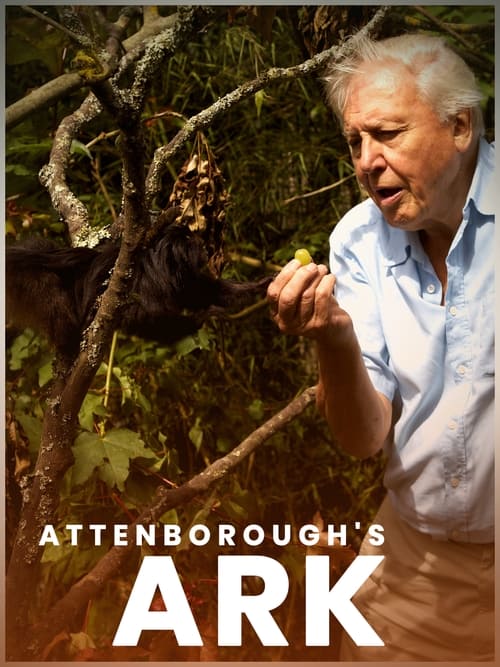
David Attenborough chooses his ten favorite animals that he would most like to save from extinction. From the weird to the wonderful, he picks fabulous and unusual creatures that he would like to put in his 'ark', including unexpected and little-known animals such as the olm, the solenodon and the quoll. He shows why they are so important and shares the ingenious work of biologists across the world who are helping to keep them alive.
Film about a family of lions living in the swamps of the Okavango delta, seen through the eyes of a cub born just before the annual flood
Follow two males lions who swam across the river from Namibia, and joined up with two females in Selinda. This union resulted in six cubs as they grow, learn to hunt, and ultimately, become the first pride in Selinda in many years