Viktor Jinnevång
as Himself
Mikael Hallmans
as Self - Speakerröst (voice)
Alcohol: No substance in the world seems so familiar to us and is so incredibly diverse in its effect. Alcohol is available everywhere and this particular molecule has the power to affect all 200 billion neurons of our human brain in completely different ways. But hardly anyone calls alcohol a drug despite its psychoactive and cell-destroying effect. Why do we tolerate the death of three million people every year? Have we turned a blind eye to the dangers and risks for thousands of years? What role does the powerful alcohol industry play with an annual turnover of 1.2 trillion euros in this on-going concealment? The author, who himself enjoys having a drink, looks into the question why we drink at all, what alcohol does to us and to what extent the alcohol industry influences society and politics.
A group of mexican high school students spent their time at parties and outside of school practicing skateboard, drinking an doing drugs.
The earliest surviving motion-picture film, and believed to be one of the very first moving images ever created, was shot by Louis Aimé Augustin Le Prince using the LPCCP Type-1 MkII single-lens camera. It was taken on paper-based photographic film in the garden of Oakwood Grange, the Whitley family house in Roundhay, Leeds, West Riding of Yorkshire (UK), on 14 October 1888. The film shows Adolphe Le Prince (Le Prince’s son), Mrs. Sarah Whitley (Le Prince’s mother-in-law), Joseph Whitley, and Miss Harriet Hartley walking around in circles, laughing to themselves, and staying within the area framed by the camera. Roundhay Garden Scene is often associated with a recording speed of around 12 frames per second and runs for about 2 to 3 seconds.
Anyone who sits longer will die sooner. Scientists warn of the health dangers posed by the growing lack of exercise among the population and provide a simple but effective miracle cure: simply walking works like medicine for the body and mind. A daily walk protects against disease, makes the brain more efficient and the soul happier. This documentary “Walking - Miraculous Healing for Body and Soul”, scientifically addresses what walking is and the processes that occur in the human body.
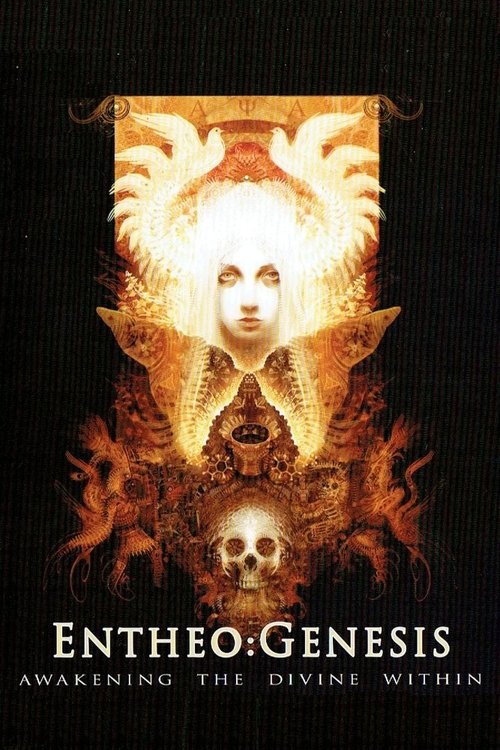
A feature length documentary which invites the viewer to rediscover an enchanted cosmos in the modern world by awakening to the divine within. The film examines the re-emergence of archaic techniques of ecstasy in the modern world by weaving a synthesis of ecological and evolutionary awareness,electronic dance culture, and the current pharmacological re-evaluation of entheogenic compounds.
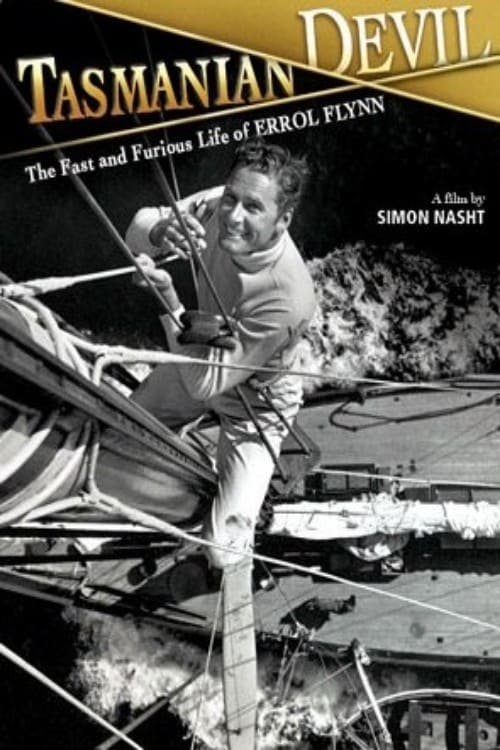
The story of Tasmanian-born actor Errol Flynn whose short & flamboyant life, full of scandals, adventures, loves and excess was largely played out in front of the camera - either making movies or filling the newsreels and gossip magazines. Tragically he was dead from the effects of drugs and alcohol by the time he was only 50 & the myths live on. But there is another side of Flynn that is less well known - his ambitions to be a serious writer and newspaper correspondent, his documentary films and his interest in the Spanish Civil War and Castro's Cuba
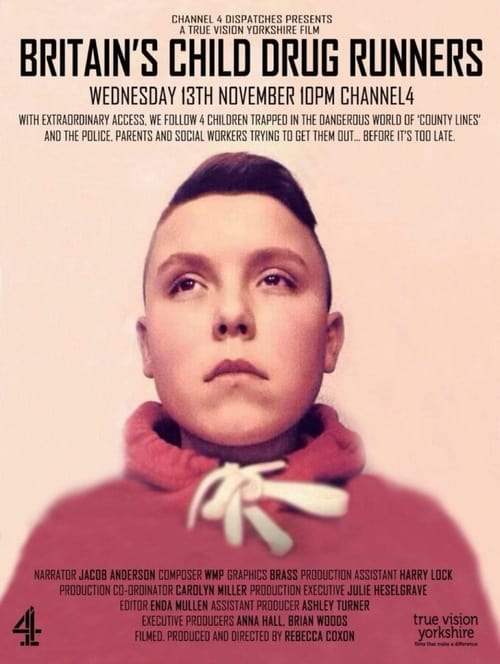
Children as young as seven are being groomed to sell drugs for 'county lines' drugs gangs in towns and villages all over the UK. This film follows four young people trapped in this world.
This refreshingly frank and impartial study of the discovery and development of the notorious hallucinogenic drug is notably free of moral judgmental, and features contributions from such legendary heroes of psychedelia as Albert Hoffman - the Swiss scientist who discovered the drug - Aldous Huxley - author of 'The Doors of Perception' - Ken Kesey - author of 'One Flew Over the Cuckoo's Nest.
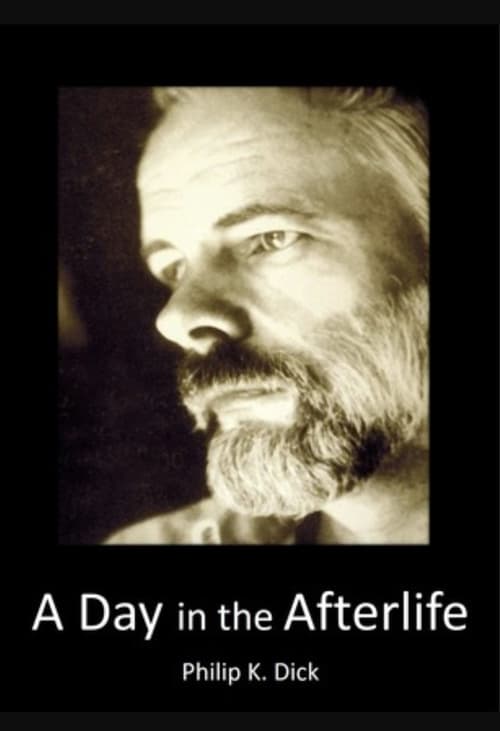
A poetic look at the life and legacy of legendary author Philip K. Dick (1928-1982), who wrote over a hundred short stories and 44 novels of mind-bending sci-fi, exploring themes of authority, drugs, theology, mental illness and much more.
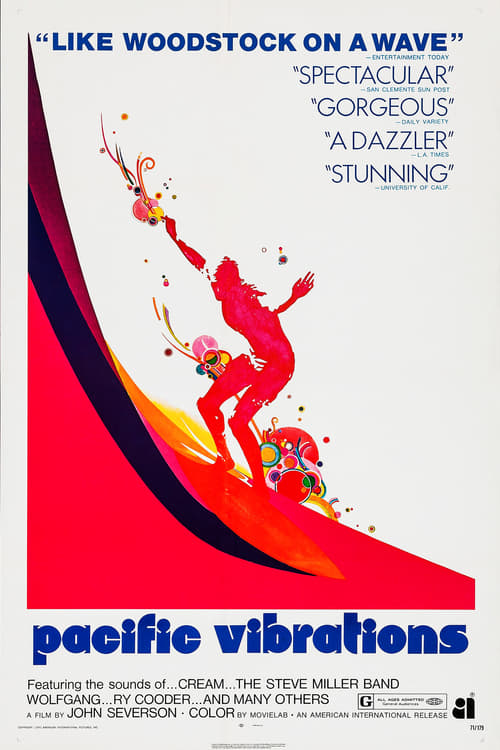
Psychedelic surfer documentary. Also see http://encyclopediaofsurfing.com/entries/drugs-and-surfing
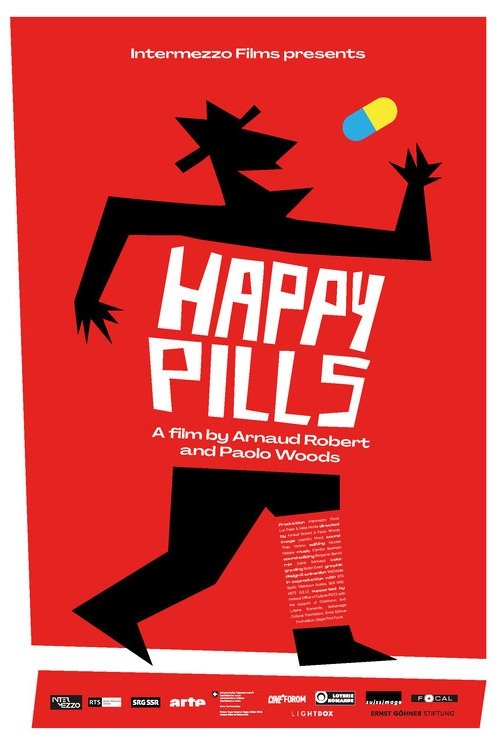
A journey through six different countries and characters into a world where chemistry is the ultimate response to human pursuits of well-being.
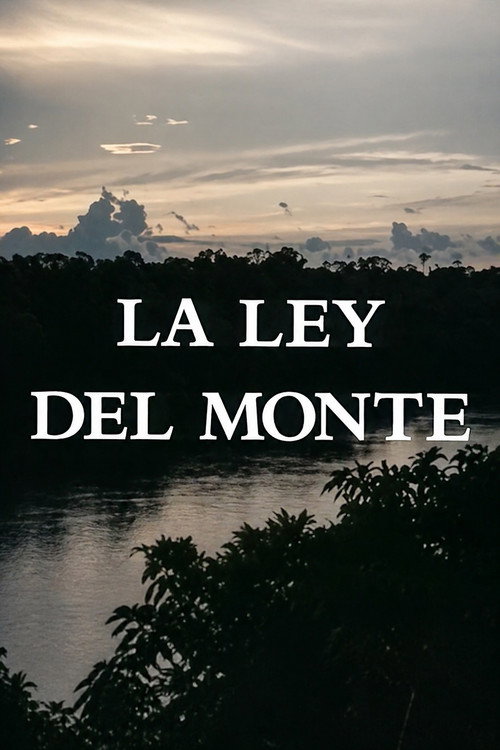
Shows the colonization process in the nature reserves of La Serranía de la Macarena and Bajo Caguán in Caquetá. The settlers and a FARC leader describe the causes of the burning of the forests and the role of the guerrillas in areas where there is no state presence.
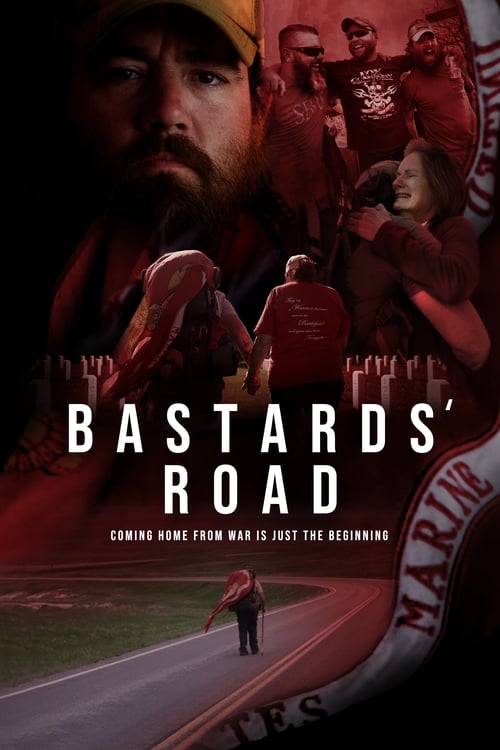
Walking 5,800 miles around the United States, Veteran Jonathan Hancock uses the solitude of the road and the company of his fellow Marine brothers and the families of their fallen to successfully manage his wounds from war.
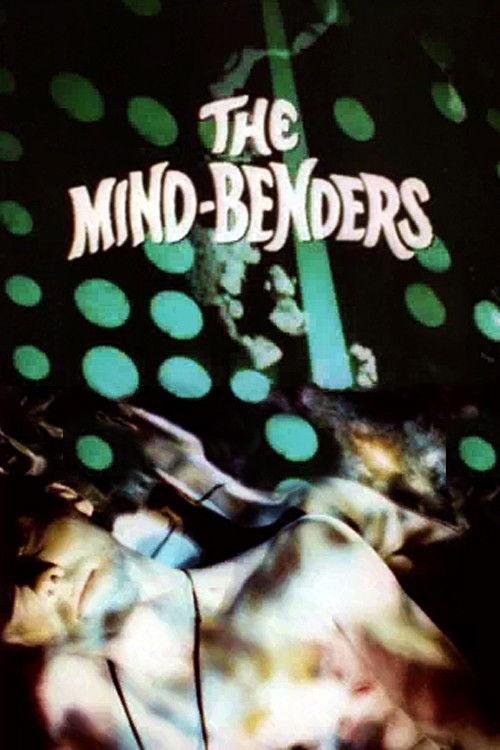
This FDA film explores the history of hallucinogenic drugs, and specifically the effects and therapeutic uses of lysergic acid diethylamide (LSD). Combining graphics that suggest a hallucinogenic experience, snippets of interviews with users (who explain their reasons for taking the drug) and doctors, and taped sessions of research with volunteers, the film delves into the destructive as well as possible positive uses of the drug.
Uncovering government agencies (especially the CIA) that secretly tested the effects of LSD on humans.
Best-selling author Graeme Armstrong reveals his passion for rave, meeting some of the superstar DJs and hardcore party people who created the vibrant and little-explored world of the Scottish rave scene.