Ulrika Knutson
as Berättare
Rut Boman
as Herself
Siri Derkert
as Herself (Archive footage)
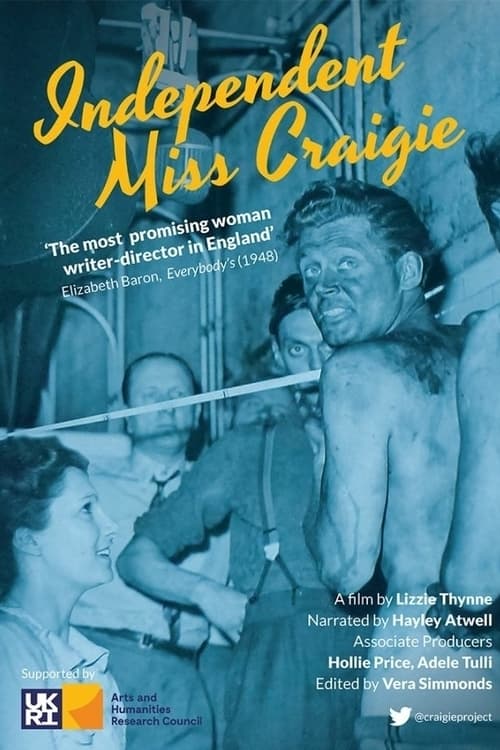
Some time after her death, film director Jill Craigie (1911- 99), re-opens an old suitcase, prompting memories of the extraordinary life and loves of this forceful, charismatic woman, whose work has been long neglected. Craigie was one of the first women to direct documentaries. Working outside the British Documentary Movement in the 1940s and early 1950s, her films such as To Be Woman (1951), on equal pay, and Out of Chaos (1944), the first film about artists at work, featuring Henry Moore and Paul Nash, tackled new subjects for the cinema through a unique blend of drama, polemic and humour. Independent Miss Craigie uses the director’s unseen papers, and her films, to reveal her energetic struggles to get her radical projects made and distributed, including her last one, on the Yugoslav conflict, made when she was 83, with her husband, former Labour leader, Michael Foot.
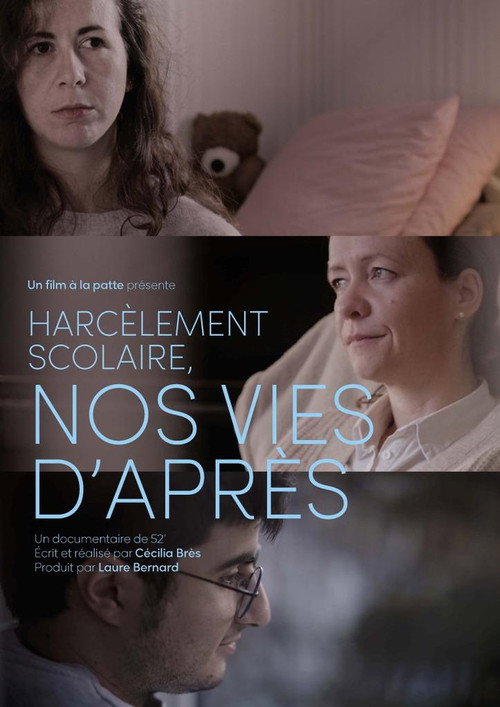
What if we changed viewpoints? "Bullying, our lives after" highlights the suffering of adults who were once bullied pupils. Ten, twenty or thirty years later, trauma is still present. Following Nathalie, Laurine and Samuel, this movie shows the long-term implications of bullying, pointing out a real failure of the educational institution and a major public health issue.
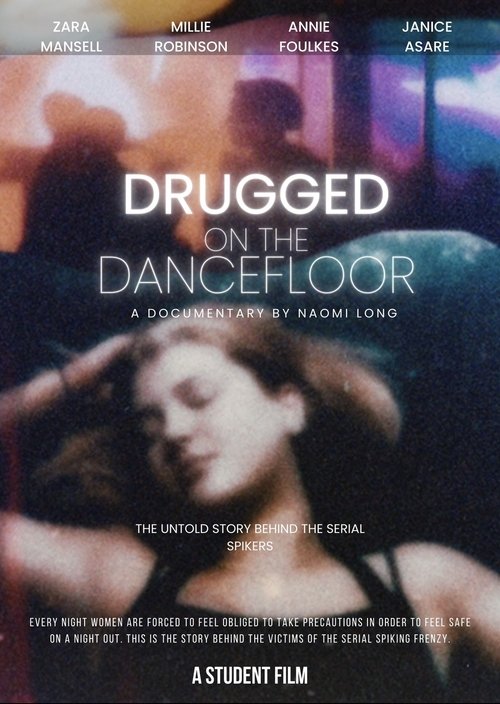
Every night women are forced to feel obliged to take precautions in order to feel safe on a night out. This is the story behind the victims of the serial spiking frenzy. A student documentary shot, directed and edited by Naomi Long Music composed by James Roberts Hearing the unsettling realities for women on nights out; Millie Robinson, Zara Mansell, Annie Foulkes and Janice Asare
As a result of the Holocaust and later, AIDS, the male homosexual community has sustained bitter losses and, according to Praunheim, lesbian women have now placed themselves at the head of the so-called queer movement. The female protagonists in the film represent two different generations; they also incorporate the past and present status of homosexuals in society.
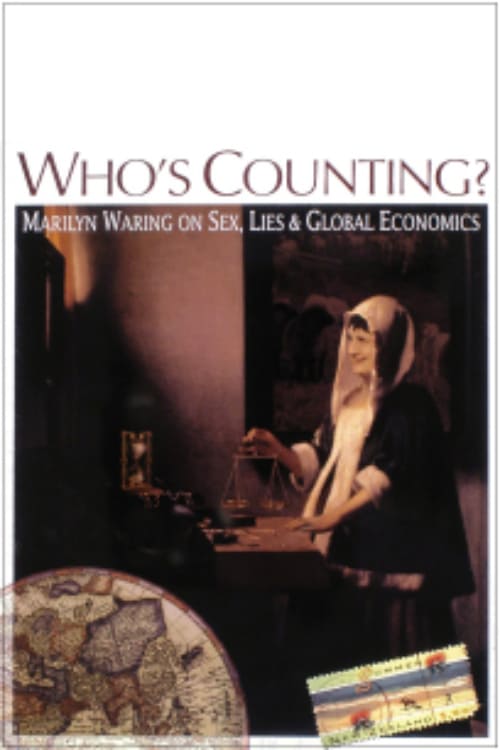
This documentary profiles economist and writer Marilyn Waring. In extensive interviews, Waring details her feminist approach to finances and challenges commonly accepted truths about the global economy. The filmmakers detail Waring's early rise to political prominence and her successful protests against nuclear arms. Waring also speaks candidly about wartime economies, suggesting that government policies tend to marginalize the fiscal contributions of women.
From a high school art class to a local radio station, the day-to-day lives of several women coalesce into a poetic documentation of women’s presence and physicality across everyday spaces.
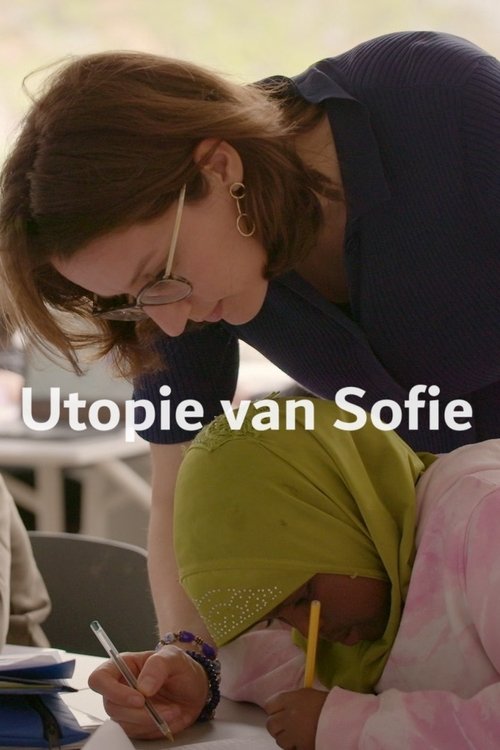
Education specialist Sofie is starting a class to offer gifted children education at their own level. But will Sofie be able to overcome the resistance to her way of working? Explora, a special class for gifted children, was started in Breda, set up by Sofie on behalf of two schools. She is a specialist in giftedness in children and notices that this group is often not recognized, even though they have the same problems as children who cannot cope with the educational level, such as dropout, boredom and depression.
“Touch one, touch us all” is a slogan of the women who took over the streets in Brazil and organized themselves in social networks to face male chauvinist and conservatism. Through testimonies of women who have been subjected to violence, the documentary reveals that, despite legal achievements, the woman still remains vulnerable. Amongst other deponents are Maria da Penha, Joanna Maranhão, Luíza Brunet, and Clara Averbuck.
A zebu disappears while children are drawing it. They find it again in the woods. The notes of a harp accompany their multi-coloured joy. This short was made with children from a nursery school in Mantua. Playing with colours, the children seem to conquer the world.
An intimate study of one of the most influential and provocative thinkers of the 20th century tracking feminist icon Susan Sontag’s seminal, life-changing moments through archival materials, accounts from friends, family, colleagues, and lovers, as well as her own words, as read by Patricia Clarkson.
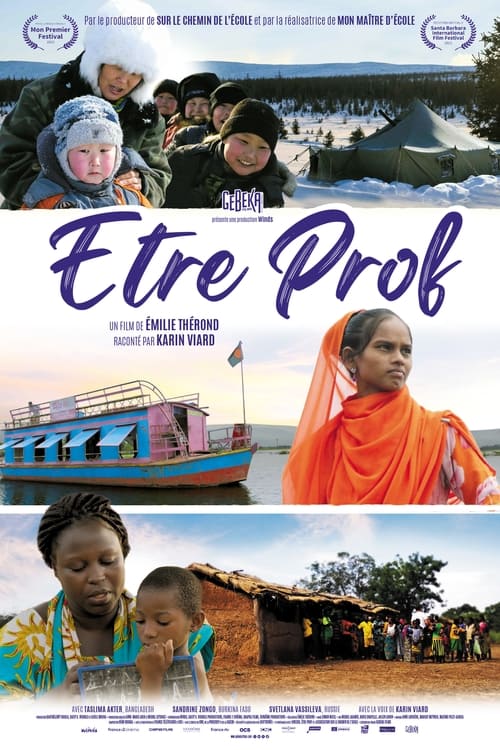
The three teachers Svetlana, Sandrine and Taslima teach children and young people in places that are hardly accessible for “normal” lessons - in a nomad tent under the snow cover of Siberia, in a hut in the bushland of Burkina Faso and on a school boat in Bangladesh. They share a common goal: to enable their students to have a better future through education.
Shut Up and Sing is a documentary about the country band from Texas called the Dixie Chicks and how one tiny comment against President Bush dropped their number one hit off the charts and caused fans to hate them, destroy their CD’s, and protest at their concerts. A film about freedom of speech gone out of control and the three girls lives that were forever changed by a small anti-Bush comment
Designed to make children aware of the unique functions human teeth perform and the importance of good dental safety habits.
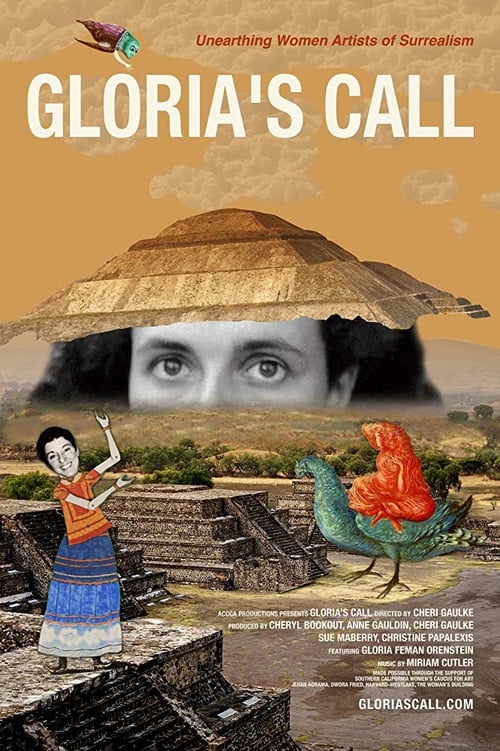
In 1971, graduate student Gloria Orenstein received a call from Surrealist artist Leonora Carrington that sparked a lifelong journey into art, ecofeminism and shamanism. This short film uses art, animation and storytelling to celebrate this wild adventure. Now more than 40 years later, award-winning Dr. Gloria Feman Orenstein is a feminist art critic and pioneer scholar of women in Surrealism and ecofeminism in the arts. Her delightful tale brings alive an often unseen history of women in the arts.
This documentary goes back to the turn of the century to show how women shaped the nation’s history.
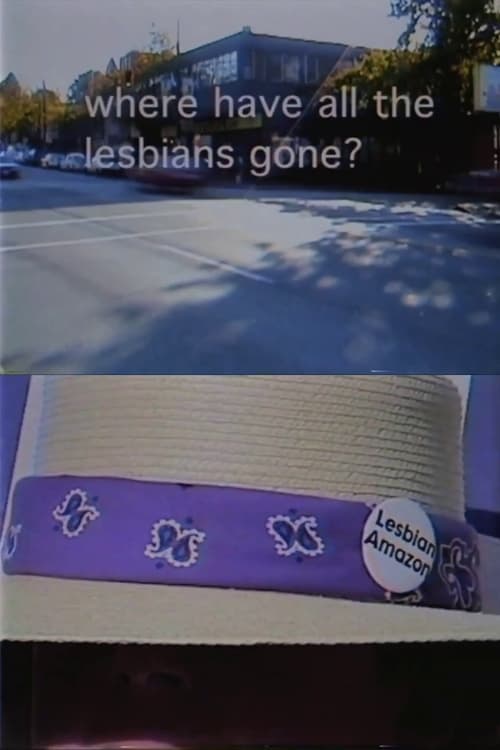
A bunch of Vancouver dykes take hand held hi8 to new heights. In this improvisational short, which offers a wake up call to political complacency. Short on plot, big on subtext. Amidst comic moments these intrepid lesbians go searching for political dykes. What else can you do when the lesbian centre becomes a tattooparlour?